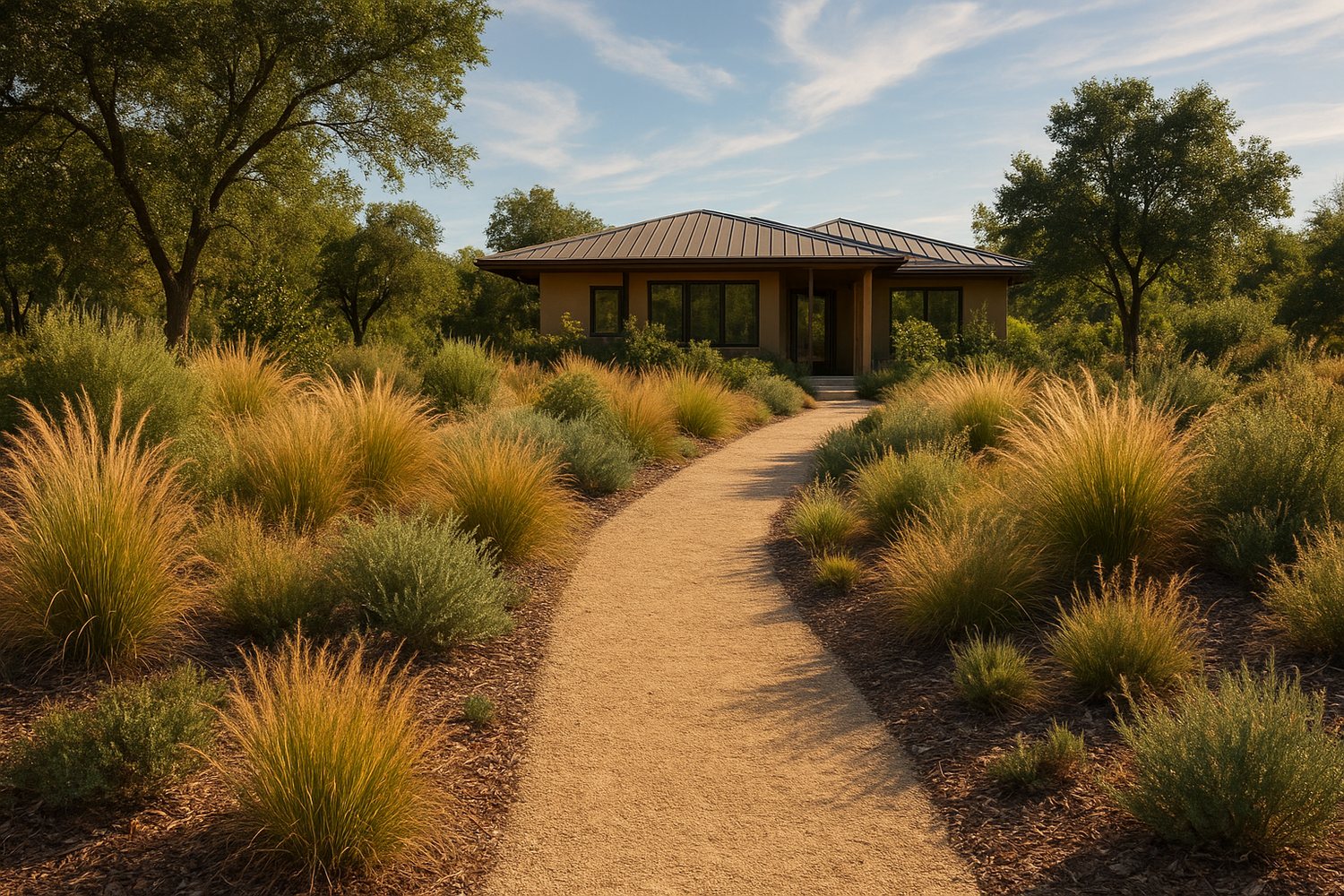
Designing Tidy California Native Plant Gardens
California native plant gardens can be lush and polished—not just wild or unkempt. Discover techniques and design ideas for a tidy native landscape that fits your style.
Native plant gardens are gaining ground in suburban California landscapes. Homeowners want healthy, drought-tolerant yards with clean lines and manageable upkeep.
Why Native Gardens Look Messy—and How to Fix It
Many homeowners worry that native gardens will look scruffy or overgrown. This perception lingers because traditional native landscapes often showcase wild groupings, meant to mimic nature. While beautiful, this approach doesn’t always match the tidy curb appeal most of us want.
Simple design choices make a huge difference. Strategic plant selection, clear bed edges, and thoughtful grouping rein in unruly looks. Pruning and seasonal grooming also help keep forms crisp. The goal isn’t to tame nature completely, but to showcase it in a controlled, intentional way.
Tidy does not mean sterile. A thriving native garden can feel lush yet orderly, especially with repeated colors, careful spacing, and contrasting textures. These approaches respect the region’s ecology while complementing established homes and neighborhoods.
- Select native plants with tidy growth habits
- Define planting beds with clean border materials
- Regularly remove faded or spent stems
Read more about the possibilities forCalifornia native plant gardenson our main page.
Choosing the Right California Native Plants
Regional plant choice is about more than drought tolerance. Some California natives have a sprawling or weedy character that suits wild spaces, not front yards. Instead, focus on species and cultivars selected for compact form, attractive foliage, and prolonged bloom.
In Placer, Sacramento, and El Dorado counties, consider manzanitas, yarrows, and buckwheats with naturally rounded shapes. Evergreen shrubs like Ceanothus and sages create structure through all seasons. Low-growing perennials and bunchgrasses add softness without chaos.
Avoid overplanting. Choose a few species for massing, then add accents or specimen plants for interest. This keeps the overall design cohesive and manageable for years to come.
- Compact manzanitas such as ‘Howard McMinn’
- Blue fescue and deer grass for tidy mounds
- Colorful native salvias for defined borders
Design Techniques for Tidy Curb Appeal
Order starts at the edge. Use defined borders—think concrete mow strips, steel edging, or natural stone—to separate planting zones from lawn, walkways, or hardscapes. These lines make even the most exuberant plantings look intentional.
Plant in masses rather than scattered singles. Repeat groups of three or five of the same species to create a rhythm throughout the garden. This repetition organizes the space and lets individual specimens genuinely shine.
Incorporate negative space, such as mulch or gravel, between planting islands. Open areas give the eye a rest and emphasize architectural lines. Hardscape elements like paths, boulders, or seat walls can divide space and accentuate tidy themes.
- Edge beds with durable concrete, brick, or metal
- Repeat plants for a sense of order
- Mix soft foliage with structured pathways
| Approach | Tidy Native Garden | Traditional Native Garden | Standard Lawn |
|---|---|---|---|
| Water Use | Very low after establishment | Low to moderate | High |
| Maintenance | Minimal trimming, light weeding | Seasonal cutting back | Frequent mowing, edging |
| Curb Appeal | Neat, organized, modern | Natural, sometimes loose | Uniform but resource intensive |
| Wildlife Benefit | Excellent | Excellent | Low |
| Edging Needed | Yes | Optional | Required |
Managing Maintenance: Keep It Simple
One benefit of local native plants is less need for fertilizer, irrigation, and pest control. Still, all yards require some care. Regular grooming—mainly trimming, thinning, and removing spent flowers—keeps things clean and highlights the garden’s structure.
Stay on top of weeding, especially in the first year as natives establish. Using a thick layer of mulch or decorative gravel helps suppress weeds and holds moisture. Tidy gardens often succeed because mulch visually unifies the planting and limits bare dirt.
Be attentive but not obsessive. Most native gardens require major cleanup just a few times per year, such as after spring blooming or before winter sets in. An hour every couple of weeks usually does the trick for ongoing neatness.
- Mulch heavily to reduce weeds
- Trim and deadhead a few times per year
- Inspect irrigation for efficiency
Native Plant Gardens and Local Climate Success
Our region’s summer heat and clay soils pose challenges for standard garden plants. California natives evolved to thrive here—meaning strong roots, minimal water need, and better survival without chemical help. Selecting regional favorites leads to a lush look that stays healthy in the face of local extremes.
You’ll see the difference as dry spells set in. While traditional lawns brown and ornamentals wilt, native gardens maintain green structure and subtle color. Many natives wait out drought by going semi-dormant, then bounce back with the rains. This resilience supports a neat, living landscape year-round.
Native plants also attract local pollinators, birds, and butterflies. You’re helping the environment while keeping your yard beautiful. That’s a win in any neighborhood, from Rocklin to Auburn and everywhere in between.
- Choose plants proven for local soils and climate
- Enjoy seasonal blooms with minimal extra water
- Support wildlife without sacrificing looks
Explore allLandscaping optionsto see what fits your outdoor vision best.
Integrating Hardscape Features with Native Beds
Hardscaping defines structure and gives native plant gardens a refined edge. Adding a winding path, low seat wall, or decorative boulder can turn a loose planting into a cohesive outdoor space. Tidy hardscapes highlight the shapes and colors of drought-tolerant plantings.
Options abound—concrete, natural stone, pavers, or decomposed granite all work well for creating walkways and patios that fit the region’s style. Retaining walls and built-in planters let you create elevation changes and further organize plant groupings.
Lighting, meanwhile, extends enjoyment into the evening. Uplighting key shrubs or softly illuminating path edges brings subtle drama and keeps tidy beds looking polished around the clock.
- Use concrete edging for crisp bed transitions
- Elevate focal plants with boulders or walls
- Illuminate paths and features for nighttime appeal
Common Mistakes and Smart Solutions
Planting too densely is one of the biggest pitfalls—native plants fill in fast! Overcrowding leads to tangled growth and makes the garden look chaotic. Space your selections generously, knowing young plants will mature quickly.
Inconsistent care lets weeds and dead growth accumulate, undermining even the best designs. Schedule light maintenance regularly, especially while the garden establishes. Early effort pays off with easier long-term upkeep.
Trying to mix too many styles—say, traditional cottage and modern minimalist—often results in visual clutter. Pick a direction and stick to it for a harmonious, tidy finish.
- Don’t overplant beds—give each species room
- Weed and prune before issues get out of hand
- Consistent design choices make a space feel ‘put together’
Getting Started: Bringing Your Native Garden to Life
Begin with a clear plan—define the shapes of beds, main walkways, and hardscape zones. Bind the design together with edging and repeat your favorite plants for visual unity. Use a mix of evergreens and seasonal bloomers for year-long interest.
Consult local native nurseries or landscape professionals who know specific needs for Rocklin, Roseville, and neighboring communities. Soil prep, irrigation layout, and plant selection are critical for long-term success and minimal upkeep.
A tidy, regional native garden doesn’t just lower maintenance and water bills—it enhances your home’s beauty and supports your neighborhood’s natural environment. Start small or go all in; the right approach delivers results that look as thoughtful as they are sustainable.
- Sketch a simple plan before digging in
- Source plants from reputable native nurseries
- Combine hardscape and plantings for a polished finish
Start your design journey—request a consultationtoday.
Planning a landscaping project?
Call or text 916-741-0633, or email sales@californiahardscapes.com with your address, a short description and a few photos, and we will arrange a consultation.