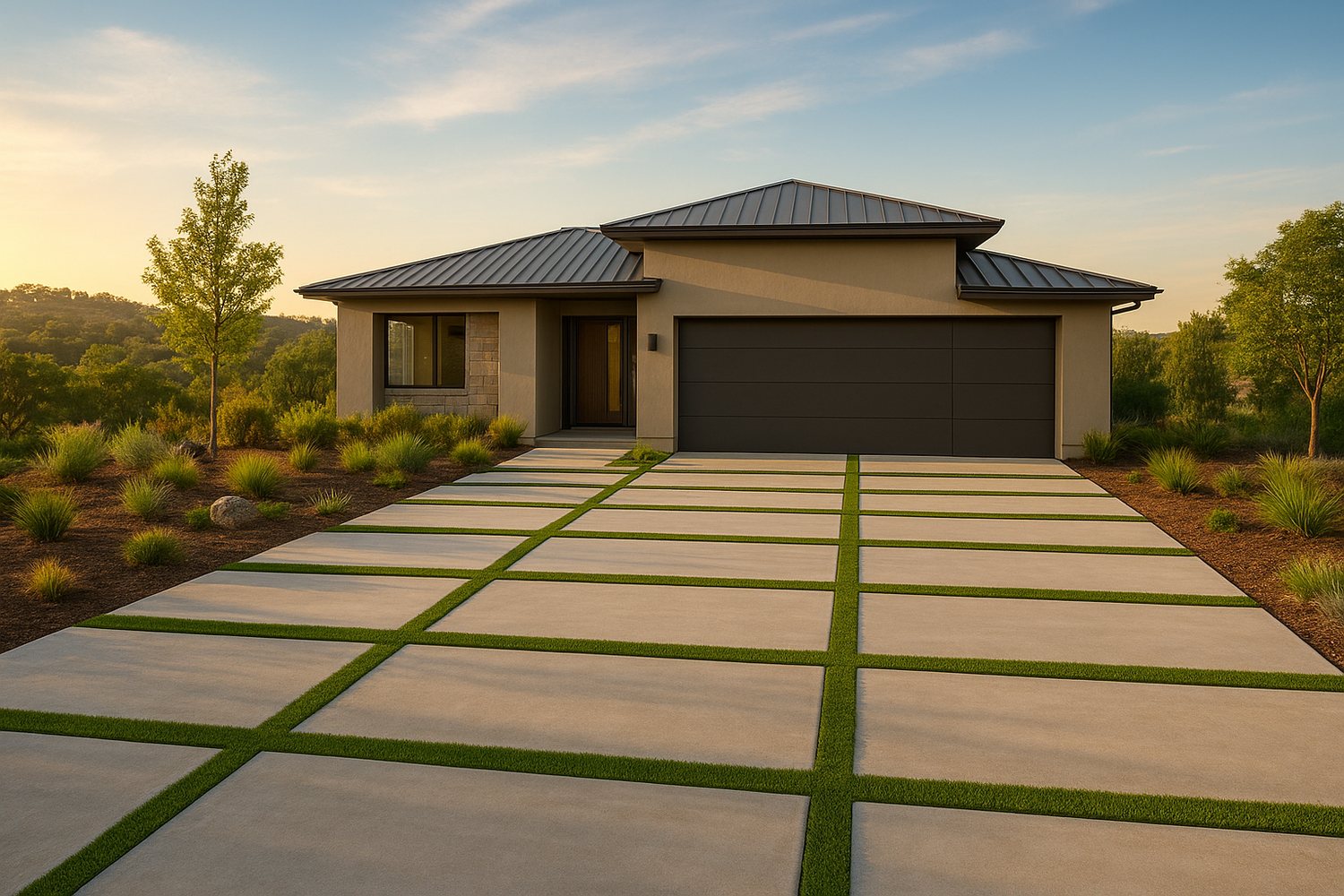
Planning Turf with Pavers and Stepping Stones
Learn how to plan turf with pavers and stepping stones for outdoor spaces in the Sacramento area. Understand joint widths, regional needs, and turf selection.
For homeowners in Rocklin, Roseville, Granite Bay, Folsom, Auburn, and nearby communities, the right turf and paver design starts with informed decisions. Here’s how to choose joint widths and artificial turf that suit our local environment and your style.
Why Combine Turf with Pavers or Stepping Stones?
Pairing artificial turf with pavers or stepping stones is a smart approach for maximizing curb appeal and functionality in outdoor spaces. In Northern California’s climate, this blend creates low-maintenance, visually appealing pathways and patios that withstand both heat and drought. Unlike pure turf or concrete, the combination offers clean lines and soft greens for a modern, inviting look.
These designs also improve drainage and keep surfaces cooler underfoot—a key comfort in our often hot and sunny region. With less exposed hard surface and more permeable area, any rainfall tends to be handled gracefully, which is especially helpful in clay-heavy local soils.
Families and pets benefit, too. Turf with pavers means less mud and dust, fewer puddles, and fewer bare spots that come with real grass. This configuration is ideal for active outdoor lifestyles, entertainment spaces, and play areas year-round.
- Low-maintenance alternative to grass
- Improved drainage and cooler surfaces
- Safe, clean space for kids and pets
Explore patterns and joint width tips on ourTurf with pavers and stepping stonespage.
Understanding Joint Width Choices
One of the most important elements in planning a turf-and-paver layout is the width of the joints between each stepping stone or paver. The gap size you select will shape the overall look, dictate how much turf is seen, and impact maintenance. In Placer and Sacramento Counties, joint widths usually range from 1.5 to 5 inches, depending on project goals.
A tighter joint (about 1.5–2.5 inches) creates a more formal, structured pattern, letting the pavers dominate visually. Wider joints (3–5 inches) have a relaxed, bold look and allow more turf to show between hardscape elements. Wider spaces mean a greater percentage of turf coverage, which can help keep large patios from feeling too stark.
Every home and yard is unique. Think about how you want your pathway, patio, or feature area to read from the house and yard. Wider joints mean more green, which cools the area and feels softer underfoot. Tighter joints offer a more classic, grand approach for traditional or high-contrast styles.
- Tight joints = more hardscape, formal lines
- Wide joints = more turf, softer look
- Joint size impacts both style and comfort
Choosing the Right Artificial Turf
Artificial turf comes in a range of pile heights, colors, and textures, and it’s essential to choose one that works with your specific joint widths and regional conditions. In the Sacramento area, a turf with medium to dense fibers, realistic feel, and UV resistance performs best, particularly for areas exposed to prolonged sunlight and foot traffic.
The pile height (the length of each blade) should usually range from 1.5 to 2 inches to blend seamlessly with the height of most pavers and hold its form between joints. Shorter turf can look sparse in wide spaces, while taller turf may flop and look unkempt, especially in narrow gaps.
Durability is crucial for play areas or spots with more activity. Select a turf backed by solid drainage and infill designed for local temperatures. Most premium products contain antimicrobial protection to handle pet traffic and seasonal pollen without staining or odors.
- Select turf with UV resistance
- 1.5"–2" pile height balances look and function
- Dense backing prevents matting in narrow joints
| Joint Width | Best Turf Pile Height | Visual Style | Recommended Uses |
|---|---|---|---|
| 1.5–2 in | 1.5–2 in | Formal, structured | Entryways, modern patios |
| 2.5–3 in | 1.75–2 in | Balanced, inviting | Family patios, paths |
| 3–5 in | 1.5–1.75 in | Relaxed, green-heavy | Casual gardens, play areas |
Selecting Patterns: Grid, Staggered, & Natural Flow
The layout pattern you choose influences not just the look but also the practical benefit of your turf and pavers. Classic grid patterns with aligned pavers are crisp and modern—popular for patios and formal garden elements in Granite Bay and Roseville. A staggered layout softens lines, creating a more organic flow suited for side yards and walkways.
Irregular or naturalized stone placement can look fantastic in large yards or informal gardens, mimicking the feel of river rock paths common throughout Auburn and El Dorado County. The visual impact depends on joint width, with wider joints working well in laid-back settings and tight joints suiting formal applications.
Keep in mind, certain patterns are easier to install based on your soil and grading. This is relevant in our region, where compacted decomposed granite or class 2 base materials are standard. The right base ensures both the longevity and appearance of your finished pattern.
- Grid patterns = strong, organized look
- Staggered: relaxed transitions
- Natural flow: irregular shapes for rustic spaces
Joint Widths and Turfs: What Suits Your Style?
The joint width between pavers—and the style of turf—should fit your personal taste and how you use your yard. For contemporary homes or highly visible entryways, many homeowners select tighter joints for a seamless, easy-to-clean look. In casual zones, or where you want more greenery to pop, wider joints can offer a friendlier, garden-inspired atmosphere.
Color contrasts play a part, too. Lighter pavers with deep green turf draw the eye immediately, while earth-tone pavers and olive turf blend quietly into the background. If your outdoor lighting design plays up evening scenes, think about how both the turf and paver textures appear at night.
As you plan, factor in how much space is devoted to turf versus pavers, and the shade throughout the day. North and east-facing yards may support a wider variety of turf types, while south and west exposures require higher UV resistance.
- Modern homes: tight joints, uniform turf
- Cottage or rustic: wide joints, textured turf
- Think about color contrast under various light
Find more guides and details onArtificial Turf optionsfor any landscape.
Practical Considerations for Rocklin and Beyond
Not all soils are created equal. In the Rocklin area and neighboring communities, clay-heavy and decomposed granite soils demand well-prepared bases before laying pavers and turf. Good compaction, grading, and drainage prevent settling, especially important for heavier stones or broad turf sections.
Water conservation regulations and hot, dry summers mean artificial turf becomes a wise, low-water alternative. Choose infill materials that stay cool and resist compaction in the heat. In sloped yards or near tree roots, opt for more flexible install patterns to reduce upward heaving or shifting.
Always plan for access—leave gaps for sprinkler boxes, drain covers, and utilities. Temporary removability may be a factor in future repairs or updates, so ask your contractor about integration strategies that work with Rocklin’s utility norms.
- Prepare local clay or DG base well
- Confirm drainage addresses rainfall
- Choose infill for comfort and temperature
Maintenance and Longevity Details
Turf with pavers is one of the lowest-maintenance hardscape solutions available to homeowners in the Folsom and nearby regions. Routine care usually consists of blowing or sweeping pavers, rinsing turf as needed, and occasional spot-cleaning for spills or organic matter.
Artificial turf won’t go muddy after storms or develop bare patches, but weed growth between joints is always a risk if the base isn’t properly prepared. Quality weed barrier and secure edge restraint go a long way. In shaded or tree-dense yards, occasional brushing fluffs up turf fibers and helps remove debris.
Pay attention to the sand or rubber infill level over time, particularly after heavy weather or heavy use. Top up as needed to preserve both drainage performance and cushion underfoot. Pick turf products with strong UV and stain resistance for true long-term value.
- Blow/sweep pavers, rinse turf as needed
- Weed barrier and strong perimeter matter
- Check/touch up infill after heavy use
Planning Your Project with a Proven Partner
Teaming up with an experienced local contractor ensures that your turf-and-paver installation stands the test of time. Marty at California Hardscapes brings decades of material knowledge and outdoor craftsmanship, taking the guesswork out of selecting shapes, widths, and turf suited to our unique soils and weather.
A full-service approach—from excavation to base prep, materials sourcing, precise laying, and integrated lighting—helps create outdoor spaces that maximize value and fit your family’s daily life. Professional oversight means the right base is installed, drains function, and seams and joints remain crisp for years.
If you’re planning a new patio, meandering walk, or a rejuvenated entry with artificial turf and pavers, expert advice up front pays off. Ask about custom options, material samples, and design recommendations unique to your neighborhood and landscape needs.
- Work with pros familiar with local soils
- Expect creative, integrated design options
- Full-service means seamless project management
Ready to start?Request a planning consultationwith California Hardscapes now.
Planning an artificial turf project?
Call or text 916-741-0633, or email sales@californiahardscapes.com with your address, a short description and a few photos, and we will arrange a consultation.