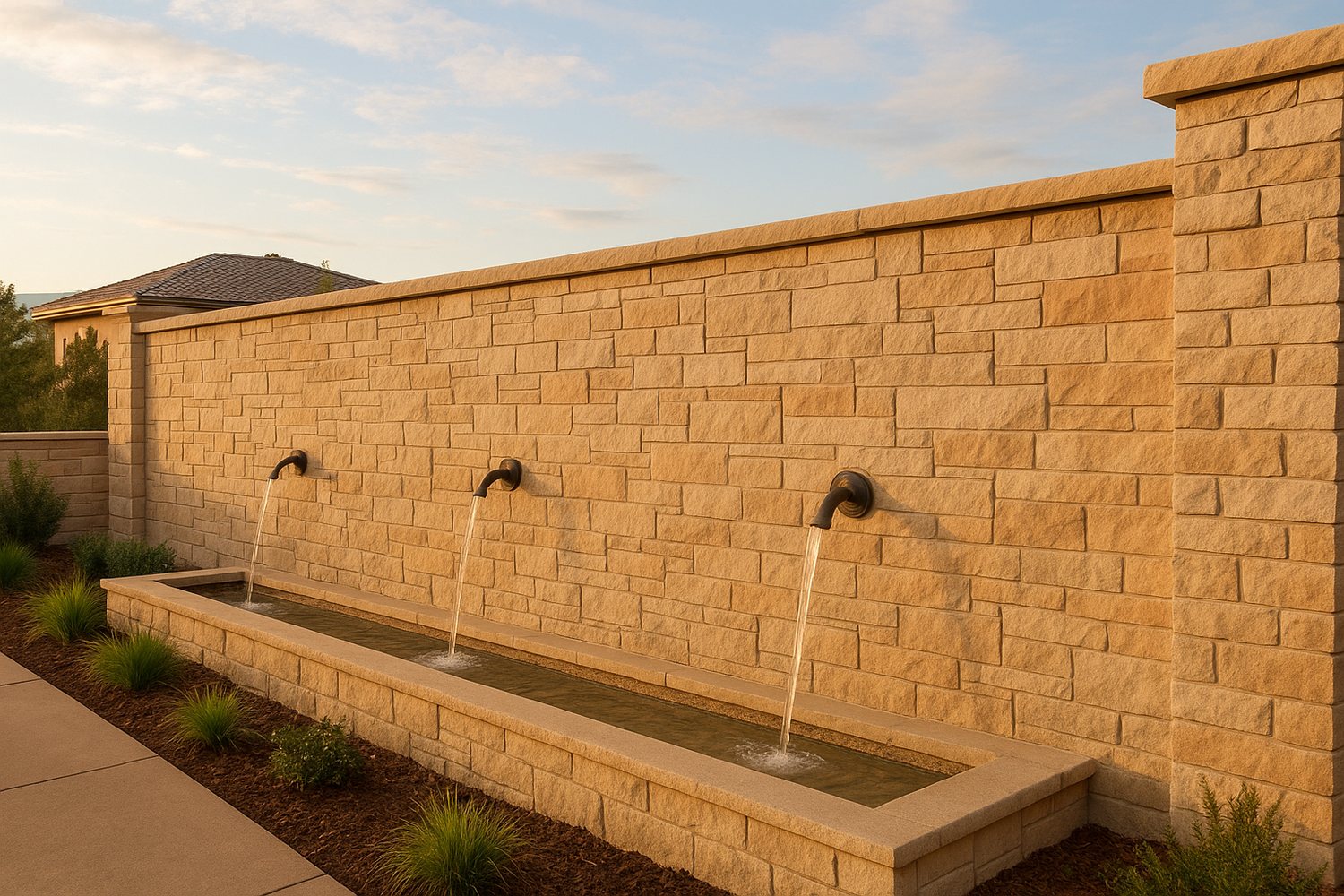
Wall Fountains vs Freestanding Fountains: Which Fits Your Yard?
Wondering whether a wall or freestanding fountain is right for your landscape? This guide compares both, with specific advice for local homeowners.
Not sure if a wall fountain or a freestanding fountain is right for your yard? Let’s sort out the pros, cons, and practicalities for Northern California homes.
The Appeal of Water Features in Our Region
In Placer, Sacramento, and El Dorado County neighborhoods, water features are more than decor— they become part of how you enjoy your backyard. The right one can soften nearby street noise and invite more time outdoors on hot summer days. Whether you want a tranquil background or a bold focal point, a water feature delivers both.
Local landscapes vary, but one thing most homes share is plenty of hardscape and sun. Water brings a cooling effect that’s more than just visual. When installed with proper drainage and thoughtful placement, a fountain can create an inviting spot even in the heat of July.
Wall fountains and freestanding models are the most popular categories for our region’s home styles. Each has practical and visual advantages in a typical California Hardscapes project. Knowing a bit more about each can clarify what’s right for your space.
- Reduces harsh noise
- Adds cooling ambiance
- Boosts outdoor enjoyment
Ready to see more ideas? Explore ourwall fountainsgallery for inspiration.
What Is a Wall Fountain?
A wall fountain is any water feature that mounts directly onto an exterior wall or vertical structure. These are designed to save space and deliver gentle, cascading water sounds. Homeowners often choose wall fountains to add charm to patios, courtyards, and entryways—areas where space is limited or a vertical accent is needed.
Wall-mounted fountains are best suited for homes where a stucco, stone, or concrete wall defines the outdoor room. They require a sturdy, solid backdrop and look natural in both classic Mediterranean or modern designs. In our area, they’re commonly installed on patio walls or attached to a custom masonry structure.
Keep in mind, installation may involve electrical connections and water supply setup. The result is usually a compact, elegant effect that won’t dominate your yard but stands out as a unique background for gatherings or relaxation.
- Space-saving design
- Mounts to walls or structures
- Subtle sound and presence
What Is a Freestanding Fountain?
Freestanding fountains are self-contained features not attached to any walls. These are versatile and can serve as dramatic centerpieces or be tucked into existing plantings. Their visual impact is typically larger, and they come in a wide variety of shapes, sizes, and finishes.
In neighborhoods like Roseville and Granite Bay, homeowners often use freestanding fountains to anchor a circular driveway, define a backyard patio’s center, or highlight a garden bed. They can fit nearly any landscape plan if you have the open space and a stable base for installation.
A freestanding fountain may need a bit more room and planning for its base and water supply. The reward is a more prominent look and enhanced sound—great if you want to mask traffic or neighboring activities with the bubbling sound of moving water.
- Requires open space
- Serves as a landscape focal point
- Bold sound and presence
| Feature | Wall Fountain | Freestanding Fountain |
|---|---|---|
| Ideal Location | Against wall or structure | Open yard or central area |
| Water Use | Low (recirculates small volume) | Moderate to high (more splash) |
| Maintenance | Lower (less debris) | Higher (exposed basin) |
| Design Impact | Subtle, vertical accent | Bold, eye-catching centerpiece |
| Installation Needs | Wall support, electrical | Base prep, broader access |
Space and Placement Considerations
A wall fountain is an excellent solution for properties with limited patio or yard space. It integrates water movement into a small footprint, lining up with stucco, block, or brick structures common in our region. If your yard layout runs narrow or you want to preserve walking areas, wall fountains stay out of main traffic zones.
Freestanding fountains call for some clear space— usually in the center of a lawn, at the end of a walkway, or wherever you have room to make a statement. They’re ideal for larger gardens but may overwhelm smaller areas in Rocklin or Auburn bungalows.
Before picking a style, map out your usable space and look at sun exposure, existing lines of sight, and wind patterns. In high-wind areas, wall fountains often create less splash and water loss, while freestanding ones might need splash guards or repositioning.
- Wall fountains suit small patios
- Freestanding units need room
- Wind and splash factors matter
Maintenance and Durability in Local Conditions
Northern California’s hot summers, cool winters, and hard water can challenge any outdoor feature. Wall fountains are generally easier to clean and shield from debris because they sit higher and are less exposed to fallen leaves and soil splatter.
Freestanding fountains tend to accumulate more dust, leaves, and bugs, especially if placed beneath trees. Their basins may also need more frequent scrubbing. If hard water buildup is an issue in your community, both types benefit from regular scale removal or – in some cases – filtration.
Whichever type you choose, proper sealing, sturdy materials, and a secure electrical setup are non-negotiable. California Hardscapes oversees these details to ensure a safe, long-lasting water feature for your landscape.
- Wall fountains: easier upkeep
- Freestanding: needs more debris cleaning
- Both require water treatment
Discover all your options on our mainWater Featuresservices overview page.
Water Usage and Efficiency
Minimizing water waste matters for California homeowners. Wall fountains tend to recirculate a small amount of water, thanks to their compact design and lower splash rates. This can make them a practical option if you’re keeping an eye on monthly utility use.
Freestanding fountains, especially large or multi-tiered types, can lose more water to wind and splash. They may need topping off more often during hot, dry stretches or in breezy backyard locations. Some models allow for easy water level checks and adjustments.
In both styles, using a timer or automatic shutoff can help control costs and conserve resources. Ask about efficient pump options or integration with smart outdoor controls for best results.
- Wall units recirculate efficiently
- Freestanding can lose water to splash
- Timers help both styles conserve
Design Impact: Style and Customization
Both wall and freestanding fountains come in many styles— from rustic stacked stone to polished concrete or modern steel. Wall-mounted options highlight vertical lines and can serve as artwork framed by your home’s exterior or patio boundary.
Freestanding fountains offer more variety in shape and scale. They draw the eye from every direction, so their materials and color finish play a bigger role in defining the garden’s mood. Local materials or finishes that complement the home’s hardscape tie the look together.
If you want subtlety, the wall style blends in. If you crave drama, go freestanding with bigger shapes or multi-level structure. With a knowledgeable contractor, nearly any concept can be adapted to suit your space and personal taste.
- Wall fountains: understated elegance
- Freestanding: bold design choices
- Local stone and finish options
Wall or Freestanding? Making the Decision
Start with your space, style preference, and how much maintenance you want to sign up for. Wall fountains suit homeowners looking for simplicity, efficient water use, and quiet ambiance—great for compact patios in the Folsom or Roseville area.
Freestanding fountains demand more room and attention but deliver that classic garden-showpiece look. They’re favorite picks when making a new statement in an established backyard or accenting a large entry drive.
Still uncertain? Consider how you want guests to move and gather, what sounds you’d like, and how your landscape will age. Consult an experienced local contractor who knows the area’s climate and construction best practices for hardscape features like these.
- Assess space and goals
- Factor maintenance needs
- Choose with expert input
Questions or want personal advice?Request a consultationwith California Hardscapes today.
Planning a water features project?
Call or text 916-741-0633, or email sales@californiahardscapes.com with your address, a short description and a few photos, and we will arrange a consultation.