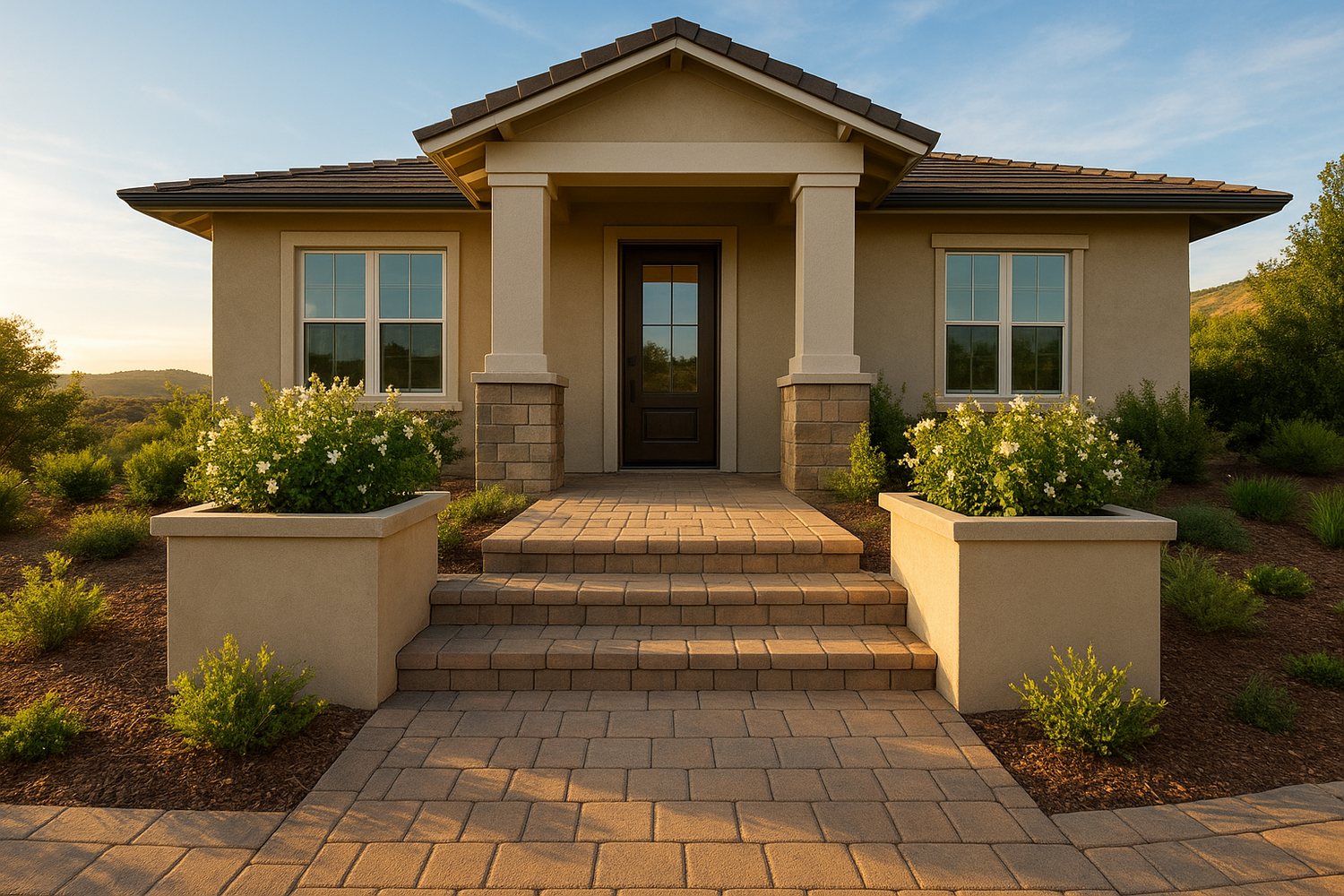
Step Lights and Caps for Safer Paver and Stone Steps
Discover how step lights and caps add both safety and design appeal to paver and stone steps throughout the greater Rocklin area.
Outdoor steps should be as safe as they are beautiful. Using the right lighting and cap options for paver and stone steps makes every level of your patio or path worry-free.
Why Proper Step Design Matters
Well-designed paver and stone steps don’t just look impressive— they prevent slips, trips, and falls around your home. With Northern California’s changing seasons, outdoor surfaces can get slick with moisture or leaves. Steps that are properly constructed and finished with safety in mind help prevent accidents before they happen.
Height, depth, and alignment are key to comfortable steps. A step that’s too high or shallow disrupts the natural walking rhythm. Consistent dimensions, sturdy edges, and thoughtful grading matter—especially if kids, aging adults, or guests frequent your yard.
Safer design elements include the right tread width, visual contrast in paver and stone choices, and well-fitted caps. California Hardscapes brings practical construction know-how to these details, designing steps that fit your space while prioritizing safety and everyday usability.
For more on material options and design possibilities, see ourPaver and stone stepspage.
Step Lighting: Necessary and Attractive
Lighting installed directly into or above your steps offers two big benefits: it makes each step easier to see at night, and it adds a finished, elegant look to your patio or walkway. Step lights are more than just decorative—they highlight changes in elevation and help everyone navigate safely.
We often see homes in Rocklin, Roseville, Granite Bay, and surrounding towns choose low-voltage LED lights, which are both energy-efficient and durable. These can be tucked into stair risers, under tread caps, or alongside the path for a soft, inviting glow.
Thoughtful fixture placement reduces shadows that can obscure individual step edges. Consistent, subtle lighting makes transitional spaces—especially those leading from patios to gardens or pool areas—feel more integrated and secure.
- LED fixtures withstand sun and rain.
- Low profile options blend with stonework.
- Lighting placement custom-tailored to each yard.
Choosing the Right Step Caps
A step cap is the stone or manufactured piece that forms the finished edge at the top of each step. In our region, coping and cap stones are chosen to both protect underlying pavers and create a comfortable, distinctive step surface.
Materials like bullnosed concrete, natural stone, or manufactured caps each offer distinct looks and traction. Your choice influences not just style, but slip resistance and durability through hot summers and rainy winters in Placer, Sacramento, and El Dorado counties.
Function comes first: well-chosen caps extend slightly over both the tread and riser, shielding step edges from weather and wear. They help steps shed water and maintain a crisp, safe edge season after season.
- Caps with textured surfaces reduce slipping.
- Lighter colors stay cooler in full sun.
- Pro installation is key for lasting safety.
| Material | Durability | Slip Resistance | Color Options | Maintenance |
|---|---|---|---|---|
| Concrete Paver Cap | High | Good | Many | Low |
| Natural Stone Cap | Very High | Best (if textured) | Varied | Moderate |
| Manufactured Stone Cap | High | Good | Wide Range | Low |
| Porcelain Step Tile | High | Very Good | Many | Low |
| Tumbled Travertine | Moderate | Good | Light Natural | Moderate |
Material Options: Comparing the Best
Picking the right materials for both step structure and caps is a balance of aesthetics, function, and regional climate needs. Some homeowners prioritize matching the style of their hardscape, while others focus on slip resistance or how much maintenance is required.
Concrete, natural stone, and porcelain are all popular in our area for both paver steps and step caps. Each comes in colors and finishes that can either blend with existing patios or provide intentional contrast.
It’s not just about looks—ask your builder about which options hold up best to weather extremes and heavy use. The table below compares features of major step cap and paver step materials used in our local projects.
Installing Step Lights: Practical Details
Installation starts with planning: deciding where each fixture will go, how it’s wired, and how lights will integrate with the finished masonry. Experienced crews coordinate with other hardscape elements and ensure electrical work is safe and up to code.
Steps that see frequent traffic benefit from low-placed riser lights, while less-used accents might only need subtle under-cap lighting. Consider future changes—like landscape plantings—so lights won’t end up blocked or out of place.
Regularly check lenses and electrical connections, especially before rainy season. Well-chosen, professionally installed lighting should need little ongoing care, aside from occasionally cleaning lenses and checking bulbs or LEDs.
- Timers & smart controls increase convenience.
- Energy use is minimal with LEDs.
- Ask for weatherproof components.
To explore all ways to update your outdoor spaces, visit our overview ofHardscapes & Patios.
Step Cap Installation: What to Know
A secure, even cap starts with precise step construction. Inconsistent bases can lead to rocking, gaps, or premature wear. Installers level and morter each cap, keeping joints tight and flush for both safety and clean appearance.
Selection of grout or adhesive matters—different materials (like stone versus manufactured concrete) require specific products and attention to how they expand and contract through hot and cold seasons.
Correct placement means a small “reveal” of the cap’s edge, creating drainage and protecting both the cap and the step beneath. This simple detail can prevent water accumulation and reduce maintenance needs long-term.
- Bullnosed caps soften sharp edges.
- Color-matched grout enhances the look.
- Prompt cleanup keeps joints flawless.
Designing for the California Climate
Rocklin, Roseville, and Granite Bay yards see real temperature swings—from summer’s heat to the damp of winter. Choose step materials that won’t get too hot, slick, or show premature weathering. Anti-slip finishes matter, especially where irrigation or rain leave surfaces damp.
Lighter colored caps and pavers reflect more heat and stay cooler for barefoot use. Meanwhile, textured finishes on both caps and primary step surfaces give much-needed traction during wet weeks.
Outdoor lighting needs to be waterproof and able to take some sun exposure without fading. LED options especially hold up well to local temperature extremes, with minimal maintenance thanks to their long life span.
- Textured, sealed materials resist moss and grime.
- Darker caps may heat up but hide stains better.
- LED lighting tolerates sudden rain well.
Your Next Steps: Making Outdoor Areas Safe & Inviting
Integrating step lighting and well-chosen caps goes beyond simple safety; it elevates your entire outdoor space’s appearance and value. With today’s options, you can coordinate with any patio, pool, or garden design while addressing California’s climate demands.
Enlist a contractor who pays attention to the practical details—proper foundation, slip resistance, lighting placement, and tasteful materials selection. No one-size-fits-all approach works for every home, but a well-qualified team helps you find the right fit for your lifestyle and landscape.
California Hardscapes brings firsthand local experience in materials, construction, and lighting that stands up to years of family use. If you want practical, lasting results, explore what thoughtful step design can do for your home.
If you have questions or want expert input,request a consultationwith our local team today.
Planning a hardscapes & patios project?
Call or text 916-741-0633, or email sales@californiahardscapes.com with your address, a short description and a few photos, and we will arrange a consultation.