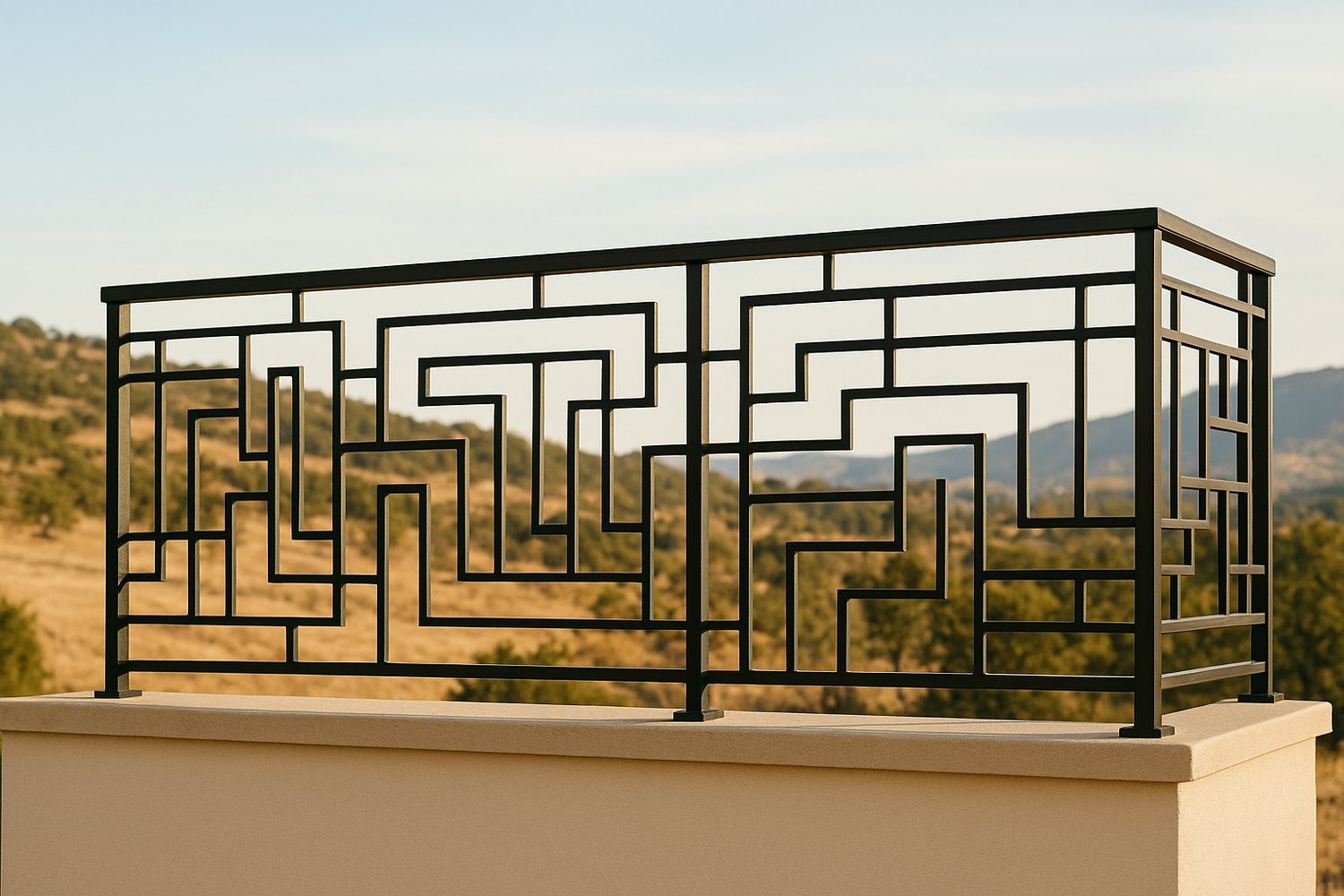
Planning Metal Railings for Grade Changes in the Sierra Foothills
When designing outdoor spaces, railings at grade changes are critical for safety and style. Learn practical steps for planning metal railings in our region.
Navigating grade changes in outdoor living areas often requires railings, especially on steps, retaining walls, or terraces. In the Sierra Foothills, safety codes and hillside settings make smart railing planning even more important.
Why Railings Matter on Grade Changes
Anytime your landscape includes a wall, terrace, or step with a significant drop, railings rise from a style choice to a safety must-have. This is especially true in communities with sloping lots and layered patios. Railings prevent accidents by defining edges and making grade changes visible, both day and night.
Well-placed railings also support long-term accessibility for everyone in the home, providing handholds at steps or uneven surfaces. Rocklin, Roseville, Granite Bay, Folsom, and Auburn all see busy social spaces where safe movement counts—but you want solutions that fit the look and flow of your property.
The best railing plans fit seamlessly with your chosen hardscape materials and style. Matching the design to your landscape’s function and architecture helps your outdoor space perform better while staying visually cohesive.
For more local details, visit ourRailings on terraces and wallspage.
Assessing Your Terrain and Needs
A smart approach starts with mapping where grade changes are most pronounced. Walk your property to pinpoint locations where wall heights, steps, or slopes create potential hazards or drop-offs, focusing on spots most traveled. Simple stakes or paint can help you visualize these transitions before finalizing any plans.
Consider who will use these spaces regularly. Kids, guests, and older adults benefit from clearly-marked boundaries and sturdy supports. Areas near entertaining patios, pool decks, or driveways often need more than just visual cues—a solid metal railing may be your best answer.
Finally, think through sightlines and the openness you want. Where privacy or screening is valuable, a taller, more solid pattern may add comfort. In popular gathering spots, lower or open designs help maintain wide views of your landscape and the foothill scenery.
- Identify stairs, steep slopes, or multi-level patios.
- Note main traffic paths and social zones.
- Balance safety, views, and style at each change.
Choosing a Metal Railing Style That Works
California Hardscapes offers custom metal railings designed for each home’s grade changes. Practicality comes first: smooth, continuous handholds for steps, durable materials capable of handling local weather, and designs that integrate with existing hardscape.
Homeowners in Granite Bay or Auburn may lean modern, while Folsom or Roseville might prefer classic lines for retaining walls or decks. Endless design, pattern, and size choices are settled during a consultation—consider what pairs best with your pavers, stone, or concrete.
For visual unity, align railing style with fence, gate, or trim details. Consistency in finishes and motifs ties terraces, stairs, and retaining walls into a single, cohesive landscape solution.
- Match main railing style to home architecture.
- Discuss privacy needs for each area.
- Blend with other metal landscape features.
| Location | Railing Height Needed | Recommended Style | Visibility | Ease of Cleaning |
|---|---|---|---|---|
| Terrace Edge | Standard (36–42 in.) | Open Picket or Custom Pattern | Wide Views | High |
| Stair Steps | 34–38 in. from Nose | Continuous Top Rail | Clear Boundaries | High |
| Retaining Wall | 42 in. if Over 30 in. Drop | Solid or Privacy Pattern | Moderate | Medium |
| Pool Deck Drop | Code-Required | Smooth, Non-Climbable | Open | High |
Positioning Railings for Function and Code
Strategic placement matters as much as design. Local building codes may require a railing when a grade change exceeds a certain height. Even if not required, erring on the side of caution builds everyday usability and peace of mind.
Lay out railing locations where people are most likely to step down, pause, or gather. Corners, steps, and narrow transitions often benefit from rails, as do places where landscaping or lighting could obscure a drop.
Work with outdoor construction experts to ensure your railings serve both navigation and safety. California Hardscapes uses licensed, bonded, and insured contractors—both function and compliance are part of every project’s installation.
Adapting Railings to Local Foothill Conditions
The Sierra Foothills present unique design challenges. Summer glare, wet winters, and steep slopes demand durable, low-maintenance solutions. Metal railings resist rain, sun, and the temperature swings common in Placer, Sacramento, and El Dorado counties.
Your railing plan should also anticipate leaf litter, dust, and irrigation—avoid shapes or finishes that trap debris or require frequent cleaning. Simpler lines and easy-to-wipe rails are practical where oak and pine needles accumulate each season.
Choosing the right mounting for your site—top of wall versus side mount, for example—depends on wall thickness and visibility needs. All options can be discussed during your design consultation for best results.
- Select easy-to-maintain railing patterns.
- Plan for drainage around posts and bases.
- Consider glare and summer heat in placement.
Explore all your options on theMetal Railings overview.
Integrating Railings with Other Hardscape Elements
Metal railings should always complement adjacent patios, pool decks, steps, and plantings. Where a new wall meets existing concrete or stonework, custom fabrication lets you bring both style and secure transitions into the final design.
Pay attention to railing height, picket spacing, and handhold shape to ensure comfort and safety for everyone. At popular entertaining spots, consider illuminated handrails or posts to clearly mark level changes after dark.
California Hardscapes can help coordinate railings with other outdoor features like metal fences, gates, or address signs, bringing a unified look to your entire landscape.
- Align railing posts with paving joints or wall caps.
- Choose patterns that echo driveway or walkway details.
- Add subtle lighting for visibility where needed.
Planning for Style and Value Over Time
Good railing design withstands both the seasons and shifts in style trends. Metal offers a timeless, robust look—patterns and shapes can be kept understated or act as a landscape focal point.
Durability is even more important for hillside communities, where erosion or settling can affect wall and stair stability. Flexible mounting and solid construction protect your investment year after year.
Choosing a custom solution from California Hardscapes means your railings are planned and built for your property’s specific needs, with advice and design help available at every step.
Getting Started with Railings for Your Outdoor Project
The first step is a site walkthrough, marking grade changes and talking through safety goals and style preferences. California Hardscapes can guide you through options for design, placement, and integration with existing hardscape or landscape features.
You’ll have a chance to explore pattern ideas, shapes, and height, with all specifics finalized in a consultation. Licensed, bonded, and insured contractors deliver premium results you can count on through every season.
Ready to make your outdoor space safer and more beautiful? Start your project with a consultation—it’s the best way to ensure your railings meet expectations for safety, style, and lasting value.
- Schedule a site review and needs assessment.
- Discuss railing designs and pattern ideas.
- Share your safety and style vision for outdoor living.
Ready to learn more?Request a consultationto discuss your project.
Planning a metal railings project?
Call or text 916-741-0633, or email sales@californiahardscapes.com with your address, a short description and a few photos, and we will arrange a consultation.