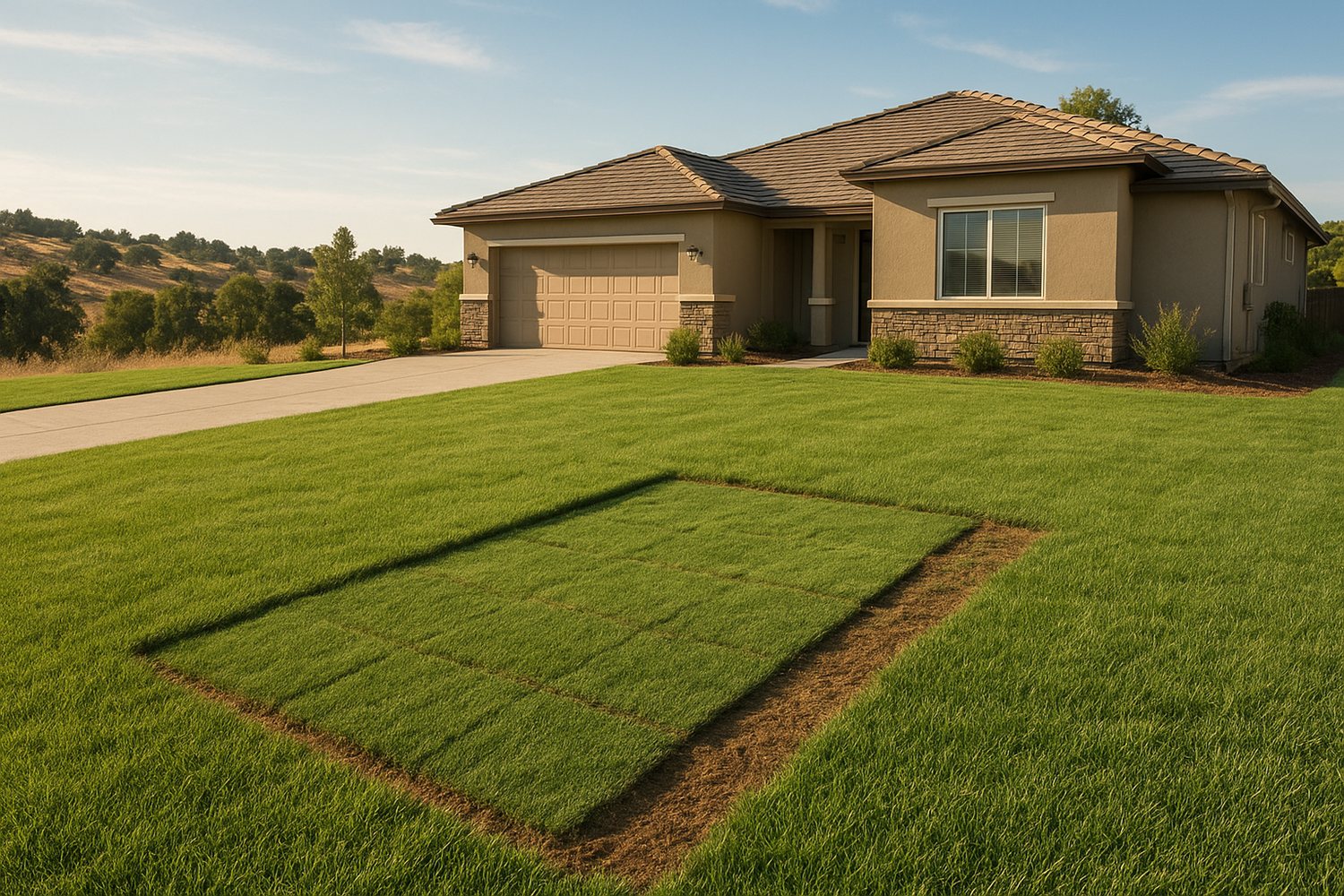
Turf Maintenance and Repair: Fixing Seams, Edges, and Damaged Spots
Learn practical ways to fix seams, edges, and damage in artificial turf. This guide is for homeowners who want a lasting, premium outdoor look in Placer County.
Artificial turf keeps your yard looking green year-round, but seams, edges, and occasional damage can need attention. Here’s how to keep your synthetic lawn looking sharp.
Artificial Turf in Our Region: Common Issues
In areas like Rocklin, Roseville, and Granite Bay, artificial turf faces unique local challenges. High summer heat, exposure to bright sunlight, and shifting soil can all affect the longevity and appearance of your turf. Homeowners may notice changes in the seams, edges, and occasionally spot local damage after storms or heavy use.
Over time, seams between turf rolls can become more visible or start to lift, especially where foot traffic is frequent. Edges along walkways or patio borders may loosen, and occasional punctures or melted spots can appear due to reflectivity from windows or dropped grills.
Understanding these common problems is the first step. Recognizing what’s normal settling and what’s a repair issue lets you protect your yard and keep it safe, clean, and attractive for years to come.
- High summer heat can soften infill and seams
- Pet use or heavy play leads to seam and edge wear
- Local soil shift may cause minor turf movement
For more details about our approach, visit ourTurf maintenance and repairpage.
Inspecting Your Turf for Repair Needs
Regular visual checks can prevent bigger turf problems down the road. Walk your artificial lawn monthly and after big weather events. Pay attention to seam lines, corners, and the turf’s edges for any lifting, fraying, or separation.
Press gently along seams and edges. If the turf moves more than a quarter inch or the seam becomes visible, it may be time to plan a repair. Small punctures or burns from pets or outdoor cooking equipment should also be caught early before spreading.
Document any changes with photos on your phone. These help you track how fast an area is worsening—and can help if you consult a professional or your material supplier for input.
- Monthly walk-throughs spot issues early
- Look for raised seams and loose edges
- Note pet wear, high-traffic or burned areas
Repairing Open Seams: Simple Solutions
Open seams are common after years of use or vigorous play. To repair, first clean the turf edges with a stiff broom and ensure they’re completely dry. Most repairs start by gently lifting the affected seam, trimming any frayed turf fibers, and then resetting both sides in place.
Use landscape-grade seam tape and outdoor adhesive formulated for synthetic turf. Unroll the seam tape centered underneath the opening, then apply adhesive. Press both sides of the turf onto the tape, holding steady to avoid gaps. Weight down the repair for several hours to ensure a solid bond.
If seams consistently pull apart—especially near heavy foot traffic—it may be worth consulting a professional for a longer-lasting fix or underlying base issues.
- Always use weather-rated tape and glue
- Trim loose fibers before resetting seams
- Weight repair overnight if possible
| Repair Type | DIY Friendly | Tools Needed | Professional Recommended |
|---|---|---|---|
| Open Seam | Yes | Seam tape, adhesive, knife | Maybe |
| Loose Edge | Yes | Staples, hammer, adhesive | Maybe |
| Small Patch | Yes | Utility knife, leftover turf | Maybe |
| Large Patch/Base Issue | No | Advanced tools | Yes |
| Replenish Infill | Yes | Broom, infill | No |
Edge Problems: Stopping the Spread
Turf edges are often the first place you’ll spot wear. It may appear as rolling up along a concrete border or gapping near landscape beds. These issues can be addressed before they get serious.
Start by cleaning out any debris, leaves, or soil along the loose edge. Re-set the turf by firmly pressing it back into place. Secure with 6” turf nails or landscape staples placed every six to ten inches along the repair. For edges that border concrete, check if the original adhesive has let go and reapply if needed.
Proactive attention to edges keeps weeds and pests out, holding your turf’s appearance together without major rework. Once corrected, monitor these areas every few weeks, especially after heavy use or weather.
- Remove surface debris before resetting the edge
- Nail or staple turf securely along perimeters
- Re-glue edges at concrete with outdoor adhesive
Patch Repairs for Damaged Spots
Whether melted by a hot barbecue, torn by energetic pets, or gouged by falling branches, small turf damages can often be patched rather than replaced. Cut out the damaged area in a clean rectangle, using a sharp utility knife for even edges.
You’ll need a patch of matching artificial turf, which may require contacting your original installer or supplier. Position the patch so the grass blades face the same direction. Secure the patch with seam tape and adhesive, pressing flat and blending the fibers for the most natural look.
Keep any leftover turf pieces when your yard is first installed. These come in handy for later patches, ensuring a seamless repair without obvious mismatches in texture or color.
- Always cut patches with straight edges
- Match blade direction for a seamless look
- Save leftover turf from the original install
Explore different types and features of synthetic lawns on ourArtificial Turf optionsoverview.
When to Refresh Infill and Brushing
Infill—tiny particles brushed between turf blades—keeps artificial grass looking upright and soft. Over time, infill can move or settle, making seams and patches more visible. A stiff broom or specialized turf rake restores the infill and helps blend repaired areas.
If turf blades appear flat or matted, add additional infill such as silica sand or crumb rubber. Spread it evenly and brush in against the grain to fluff the grass and mask repairs. This also prevents excessive wear in high-traffic zones.
Aim to refresh high-use areas each season. For major repairs or if your lawn sees a lot of pets or sports activities, more frequent infill replacement or grooming may be needed for the best appearance and performance.
- Use a stiff broom or power brush
- Replenish infill every 6–12 months as needed
- Brushing helps blend new turf patches
Regional Considerations for Lasting Repairs
Our local climate impacts the way artificial turf behaves. Intense sun, temperature swings, and clay soil movement affect both the base and the material over time. When making repairs, choose adhesives, seam tape, and infill labeled for all-weather or high-UV resistance.
Schedule repairs in mild weather to allow adhesives to cure without extreme heat or moisture. Consider shade covers or temporary barriers if you must repair turf in direct summer sun, as adhesives may set too quickly or unevenly.
Turf near pool decks or hardscape edges should use waterproof adhesives and corrosion-resistant staples or nails. These extra steps can double the lifespan of your repairs and ensure your lawn keeps its best look year-round.
- Choose high-UV, water-resistant materials
- Plan repairs for early morning in summer
- Reinforce turf near pools and drainage areas
Should You DIY or Call a Pro?
Many minor repairs, such as small seam or edge fixes, are within reach for a diligent homeowner. If you’re comfortable with basic tools and following instructions, you can restore a patch or edge with the steps above and a little patience.
Larger repairs—like multiple seams, broad damage, or issues tied to the base or drainage—benefit from professional insight. An experienced contractor can identify underlying problems, match turf materials, and ensure a seamless, lasting fix.
Ultimately, good turf maintenance blends proactive DIY care with professional help when needed. Staying on top of small issues can save both time and money while protecting your investment in a premium outdoor space.
- DIY for minor seams and edge work
- Call a pro for complex or recurring issues
- Consult if unsure about materials or methods
Curious about the right repair or need a hand?Request a consultationwith our team.
Planning an artificial turf project?
Call or text 916-741-0633, or email sales@californiahardscapes.com with your address, a short description and a few photos, and we will arrange a consultation.