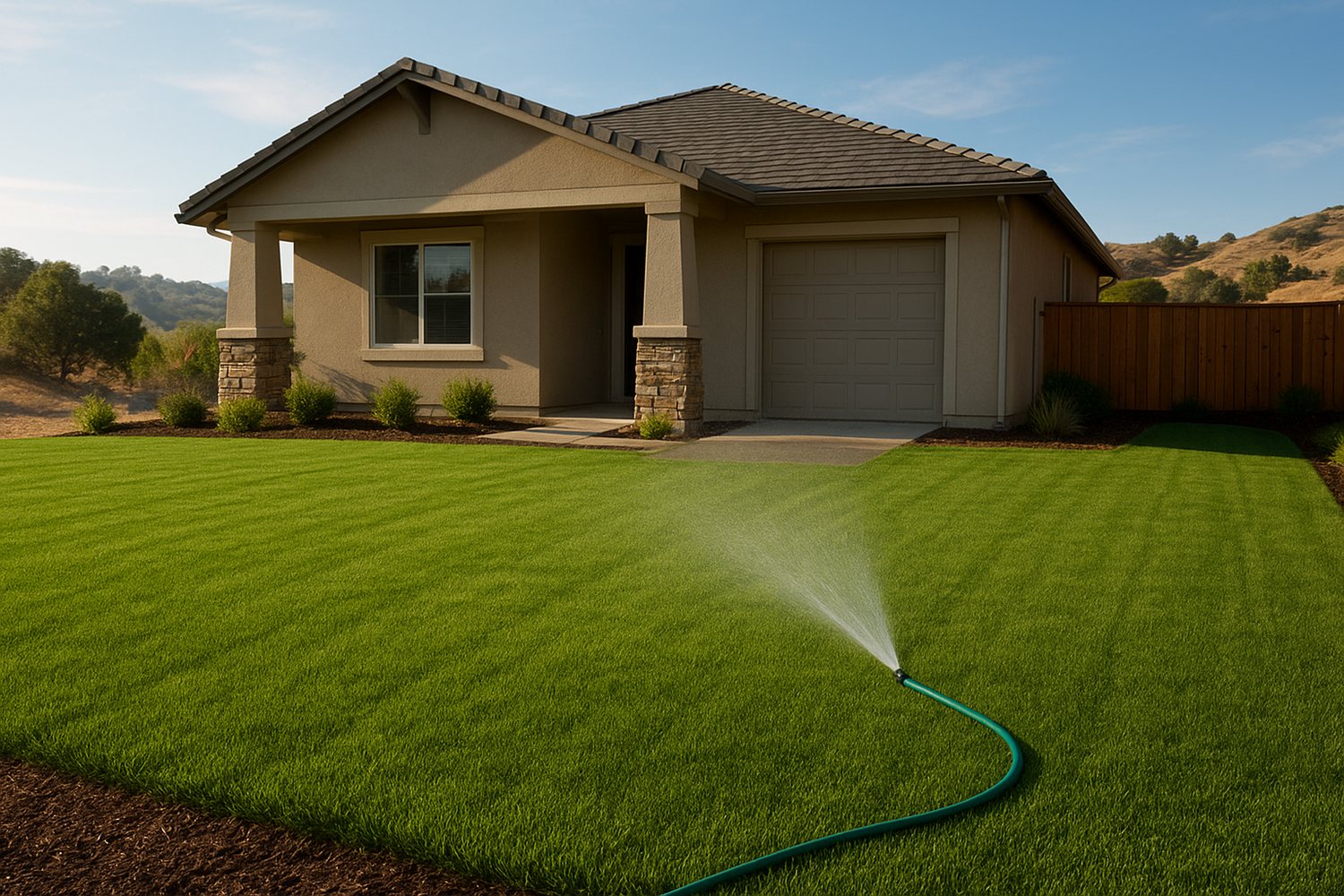
What to Ask About Turf: Base, Drainage & Infill Essentials
Thinking about artificial turf? Here’s what Rocklin-area homeowners must know about base prep, drainage, and infill to ensure a smart installation.
Artificial turf has evolved far beyond the indoor putting green. If you’re considering synthetic grass for your yard, get practical about the base, drainage and infill—three essentials that make the difference between a great investment and endless headaches.
Understanding Your Turf Base: More Than Meets the Eye
A flawless turf surface starts from what’s underneath. The base is the foundation for everything, supporting turf structure, helping drainage, and preventing uneven areas. For homes in Rocklin, Roseville, and other local communities, soils can range from sandy to heavy clay—each presenting unique challenges. A proper base is rarely just compacted dirt; it usually involves several inches of crushed rock or class II road base prepared and compacted correctly.
Ask installers exactly which materials they use for the base, how thick each layer will be, and what compaction methods are planned. Clay soils in the Sacramento Valley often need improved drainage and additional stabilization compared to sandy soils in the foothills. A great installation walks the line between stability, drainage, and long-term durability in our climate.
Also consider longevity. A poorly prepared base can invite rippling, settling, or soggy spots as time goes on. Make sure you’ve got the facts on base preparation and don’t hesitate to ask about references and real-life examples. A little extra preparation below the surface saves heartache later.
• Choose installers who can explain their base prep process
Learn more about product features and local expertise on ourArtificial Turfpage.
Drainage: Artificial Turf’s Invisible Hero
Drainage can be the difference between lush-looking turf and a persistent swampy mess. Our region’s winter rains and clay-heavy soils present real drainage challenges—don’t overlook this step. The turf and base must together allow water to run off or percolate efficiently, whether your lawn is flat or sloped.
Ask your installer: How is drainage handled? Will the base layer be shaped for positive flow, and do they use permeable materials? Sometimes, additional French drains or drain tiles are needed, especially in areas that stay wet. Good drainage prevents pet odors, mold, and decomposition that can cut short your turf’s lifespan.
Requirements differ yard by yard. Expect that installers who know local conditions will ask detailed questions about your property’s slope, use, and drainage history before quoting a job. Don’t be shy about inviting a thorough site assessment—you want turf that performs as well after a storm as it does in July.
• Confirm permeable base materials are used
Infill Matters More Than You Might Think
Infill gives artificial turf its natural feel, helps blades stand upright, and plays a big role in drainage and safety—especially in our hot, dry summers. Common infill choices include silica sand, crumb rubber, or specialty blends designed for specific uses, such as pet areas or heavy activity zones.
Ask what type of infill your installer recommends, why, and how much will be used. Infill also influences surface temperature and drainage speed, which matters in warm Placer, Sacramento, and El Dorado County neighborhoods. Some infills stay cooler or are more pet-friendly, while others control odors or spread more evenly for a smoother look.
Not all turf projects need the same infill or amounts. For example, if your yard gets partial shade or has a slope, you may need a heavier or more stable infill. Look for an installer who customizes this decision to suit your yard, not a one-size-fits-all approach.
• Learn how infill affects heat and drainage
| Factor | Why It Matters | Sample Questions | Local Tips |
|---|---|---|---|
| Base Preparation | Supports turf, prevents settling | What materials/compaction? | Clay soils may need deeper base |
| Drainage | Avoids pooling, odors, erosion | Type of drainage installed? | Slope and clay need special attention |
| Infill Choice | Affects feel, drainage, heat | What infill and why? | Choose pet-safe, cooler infills for sunny yards |
| Turf Type | Longevity, appearance | UV stable? Pile height? | Opt for premium UV-protected fibers |
| Installation | Durability, appearance | How are seams done? | Experienced crew critical for lasting results |
Local Site-Specific Concerns: What Makes Our Region Different
California Hardscapes works in neighborhoods with diverse microclimates and soil types—from Folsom’s decomposed granite to Auburn’s hillsides and valley clay. Each property and community brings site-specific demands to turf installation. Familiarity with these details means fewer issues with drainage, settling, or turf performance over time.
For example, homes on new fill soil or with compacted clay need a different approach to drainage and base prep. Rocky yards may require added excavation or stabilization, while sloped lots must consider water flow and erosion prevention. Ask how your installer plans to address your property’s own quirks.
Don’t assume all turf installs are the same—regional expertise is critical. Press for specifics about past experience with the types of soil, slope, or drainage patterns on your block. An informed approach now prevents major headaches when winter storms hit.
• Identify your yard’s microclimate and soil challenges
Comparing Turf Types: Not Just About the Look
Artificial turf now comes in an array of blade shapes, pile heights, and fiber types—all affecting looks and practicality. But appearance is only part of the story. The right choice for a shady Auburn lot may not suit a sun-baked Folsom backyard.
Ask how different turf types perform under intense sun, with pets, or high foot traffic. UV stability is a must for Sacramento-area summers, while some homeowners want a softer feel for kids. Inquire about heat retention, blade memory, and warranty details—but be mindful, these options must match your lifestyle and site conditions.
Focus on long-term performance. A lush, premium turf may not last if installed over the wrong base or without proper drainage planning. Insist on seeing and feeling samples outdoors and ask for performance data, not just photos or brochures.
See our full overview ofall Artificial Turf optionsfor every outdoor vision and need.
Installation Technique: The Real Difference-Maker
Methodical, skillful installation sets a premium turf job apart from a mediocre one. Even the best turf fails if seams are poorly joined or base layers are hastily compacted. Installers should use clean, sharp cuts, proper seam tape, and precise infill application.
Ask how seams are treated and how edges are secured—especially if you have curves, planters, or hardscape transitions. Each cut and connection demands attention for a uniform look that resists shifting or wrinkling. Find out how installers protect against weed intrusion with fabric barriers and tailored trimming around obstructions.
Quality installation is worth the investment for years of trouble-free use. Look for a team that doesn’t rush, uses proven products, and communicates their methods. Your questions about installation steps should be welcomed, not sidestepped.
• Observe installation for attention to detail
What to Watch for: Red Flags and Best Practices
Choosing the right team is as important as picking turf materials. Red flags include vague answers about base prep, drainage methods, or infill selection. Be cautious if installers refuse to walk your site before quoting or avoid answering technical questions.
Look for best practices: written proposals that detail base depth, drainage strategies, and infill types; willingness to discuss soil and site needs; and openness about installation techniques. A reputable firm expects and welcomes your questions—your yard is too valuable to risk with shortcuts.
Finally, ask about follow-up. Even the most meticulous project can reveal surprises after the first rain. Choose a company with a track record of supporting clients, not disappearing once the bill is paid. Good communication now helps ensure satisfaction for seasons to come.
• Avoid one-size-fits-all bids or generic recommendations
Talking with the Pros: Getting Answers, Building Confidence
You don’t need to be an expert—just ask the right questions. Start discussions with topics like base thickness for your soil, drainage plans for your yard’s lowest point, and the reasoning behind a specific infill choice. The more specifics you get, the smarter your turf investment will be.
California Hardscapes, managed by Marty, brings decades of experience in concrete, landscaping, and outdoor living—meaning practical, site-specific advice is always on the table. Don’t hesitate to share your vision and ask for guidance in matching turf products and installation to your property’s needs.
A well-chosen and well-installed artificial turf lawn saves water, reduces maintenance, and improves curb appeal for years. With clarity about the base, drainage, and infill, you set the foundation for success—turning turf from a product into a true asset for your outdoor space.
• Bring a list of questions to your initial meeting
Ready to talk turf?Request a consultationwith Marty and the California Hardscapes team today.
Planning an artificial turf project?
Call or text 916-741-0633, or email sales@californiahardscapes.com with your address, a short description and a few photos, and we will arrange a consultation.