How Segmental Block Retaining Walls Manage Soil in Placer County
Segmental block retaining walls reliably hold back soil and enhance landscapes in Rocklin, Roseville, and nearby areas. Understand practical benefits and considerations.
Retaining walls do more than just create level ground—they’re engineered systems. Understand how segmental block walls provide strength, especially in California foothills.
What Is a Segmental Block Retaining Wall?
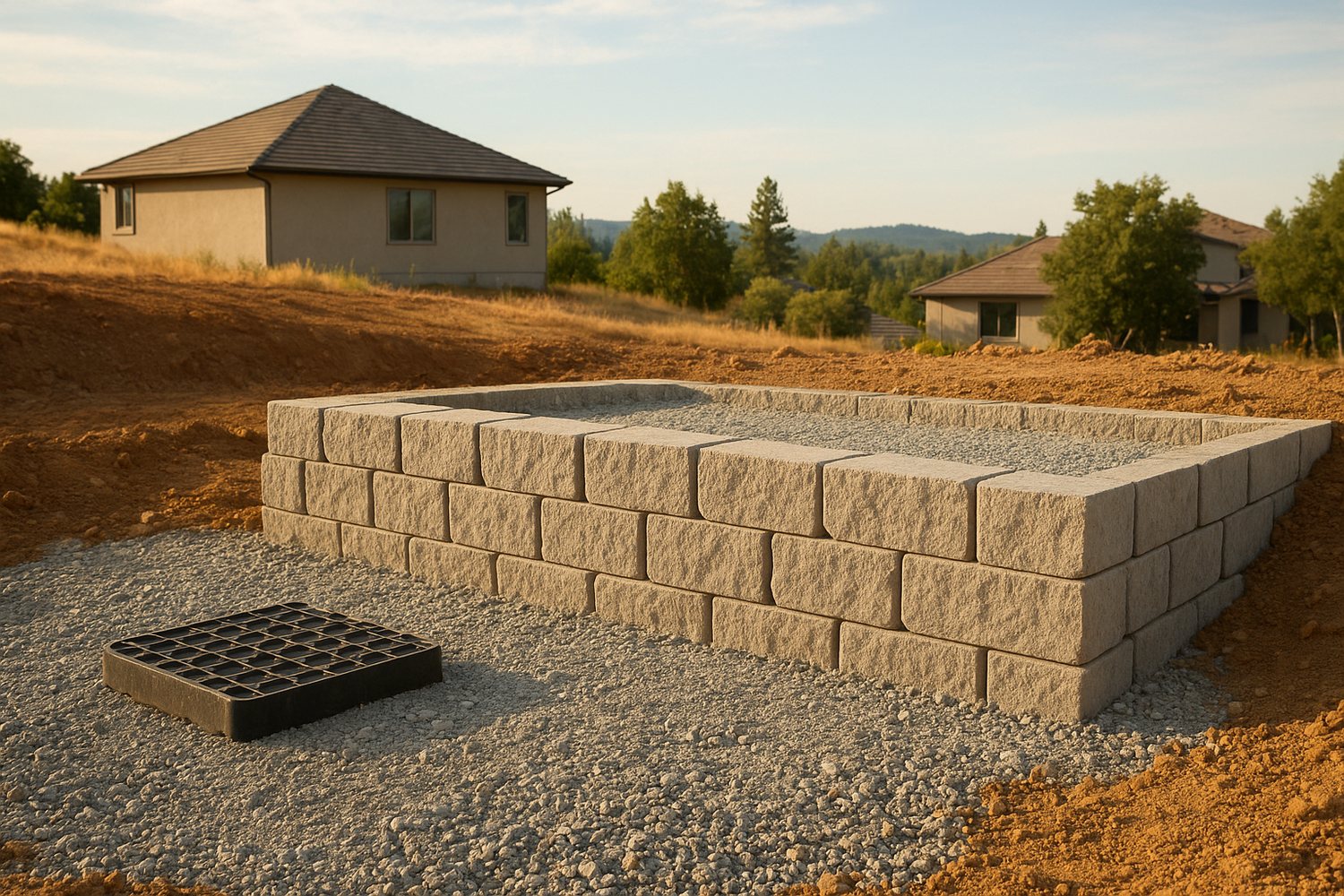
A segmental block retaining wall is a structure built from manufactured concrete blocks that fit together dry and lock in place. Unlike flat concrete or mortared stone, these walls gain strength from their shape, the way they’re stacked, and the careful placement of each block.
These blocks are made with interlocking edges or pins. This design provides the friction, weight, and flexibility needed to resist the outward push from soil. No grout or mortar is used; instead, the blocks themselves and the backfilled gravel keep the wall secure.
Homeowners in the Rocklin and greater Placer County area often see these walls on sloped lots and terraced yards. Their durability, tailored looks, and adaptability make them a top choice for local landscapes.
- Blocks manufactured for consistency and strength
- Stacks dry—no mortar to crack
- Customizable heights, shapes, and finishes
For more project inspiration and local advice, see ourSegmental Block Retaining Wallspage.
How Segmental Block Walls Resist Soil Pressure
Soil tends to move downhill over time, especially on slopes and during storms. Segmental block retaining walls counteract this naturally occurring force using gravity, friction, and their own mass.
The blocks are precisely shaped to interlock. When stacked with setbacks (stepping slightly back with each row), the system creates a stable, unified face. As weight from the soil presses against the wall, the mass and connection of the blocks distribute the force efficiently.
Behind the wall, specially installed gravel and drain pipes manage water, which would otherwise build up pressure and push the wall forward. The well-designed base, proper backfill, and drainage keep everything in place for years to come.
- Interlocking blocks prevent shifting
- Setback design redirects soil force
- Drainage behind the wall is crucial
Design Considerations for Foothill Areas
Local soils—often a combination of clay, gravel, or decomposed granite—affect how walls are designed. Heavier, expansive soils in places like Roseville or Folsom require sturdy construction and particular drainage solutions.
Slope angles and property boundaries shape the wall’s height, length, and curve. Height is especially important; taller walls need more reinforcement and may require engineering review.
Vegetation, irrigation, and seasonal rain patterns also matter. The right design prevents undermining from water or root growth, protecting the investment and ensuring long-term performance.
- Account for local soil conditions
- Match wall height to slope needs
- Factor in plantings and irrigation
Construction Steps — From Footing to Cap
Building a segmental block retaining wall starts with excavation, followed by creating a compacted gravel footing several inches thick. This stable base is critical to prevent settling or shifting over time.
Each block is laid with precision, checked for level and alignment, and staggered for lock-up strength. As rows rise, backfill gravel is added behind the wall, along with pipe for drainage. This keeps soil and runoff from eroding the structure.
Finally, cap blocks are installed on top, glued down with masonry adhesive for a finished edge. The result is a solid, styled barrier that manages slopes and increases usable outdoor space.
- Excavate and compact stable base
- Lay and align blocks carefully
- Install drainage and backfill after each course
| Type | Strength | Aesthetics | Maintenance | Typical Use |
|---|---|---|---|---|
| Segmental Block | Very good | Versatile colors & textures | Low | Slopes, terraces, garden walls |
| Poured Concrete | Excellent | Modern, clean look | Very low | Taller/engineered walls |
| Timber | Moderate | Rustic, natural | High | Short/lower-cost walls |
| Natural Stone | Good | Classic, varies by stone | Medium | Premium or historic landscapes |
Segmental Block vs. Other Retaining Wall Types
Not all retaining walls are created equal. In the Sacramento area, you’ll also see poured-in-place concrete, timber walls, or natural stone. Each has strengths and applications depending on soil, budget, and style.
Segmental block walls stand out for their balance of cost, engineered performance, and ease of repair. Poured concrete offers a smooth look and high strength but is less forgiving if repairs are needed. Timber walls have rustic charm but require ongoing maintenance.
Compare the most common types to see how they match up for California Hardscapes’ local customers.
Learn about other styles on our overview of allRetaining Wallsoptions.
Real-Life Benefits for Local Homeowners
A well-built segmental block wall transforms steep, awkward ground into flat, plantable terraces or usable patios. Homeowners in Granite Bay and Auburn appreciate the usable space gained for gardens, seating, or play.
These walls also add curb appeal. With many block textures and color choices, property owners can match their home’s style or go for a dramatic contrast.
Low maintenance is a prime benefit. Unlike wood, segmental block walls aren’t at risk of rot, pests, or frequent repairs—an advantage for busy families and anyone looking for lasting quality.
- Terrace slopes for more yard
- Options for colors and finishes
- Durable with minimal upkeep
Maintenance and Longevity Tips
Segmental block walls generally need little maintenance, but some simple care helps maximize their lifespan. Start with an annual inspection for shifting or bulging, especially after heavy rain.
Clear plant debris and check that drainage outlets aren’t blocked. Trapped water is the most common cause of pressure issues, so keeping the wall’s backfill and weep holes clear is key.
If settling or movement is noticed, have a professional check for drainage or base problems. Early attention keeps minor issues from growing into larger repairs.
- Annual inspection for alignment
- Keep drains and outlets clear
- Address settling promptly
Getting Started with a Local Retaining Wall Expert
If your property has slopes or soil erosion concerns, considering a segmental block retaining wall is a practical first step. A skilled contractor assesses your site and recommends a wall that fits both your land and your plans.
Factors like wall location, height, and soil conditions come first. In Placer and El Dorado counties, an in-person visit ensures the right design and materials for the job.
Work with professionals who know the details—from excavation to cap—and who bring experience with soil types and building practices unique to our foothills and valley communities.
- Assess your slope and soil needs
- Ask about permits and drainage
- Choose experienced, local craftsmanship
Interested in a custom wall or have site-specific questions?Request a no-obligation consultationtoday.
Planning a retaining walls project?
Call or text 916-741-0633, or email sales@californiahardscapes.com with your address, a short description and a few photos, and we will arrange a consultation.