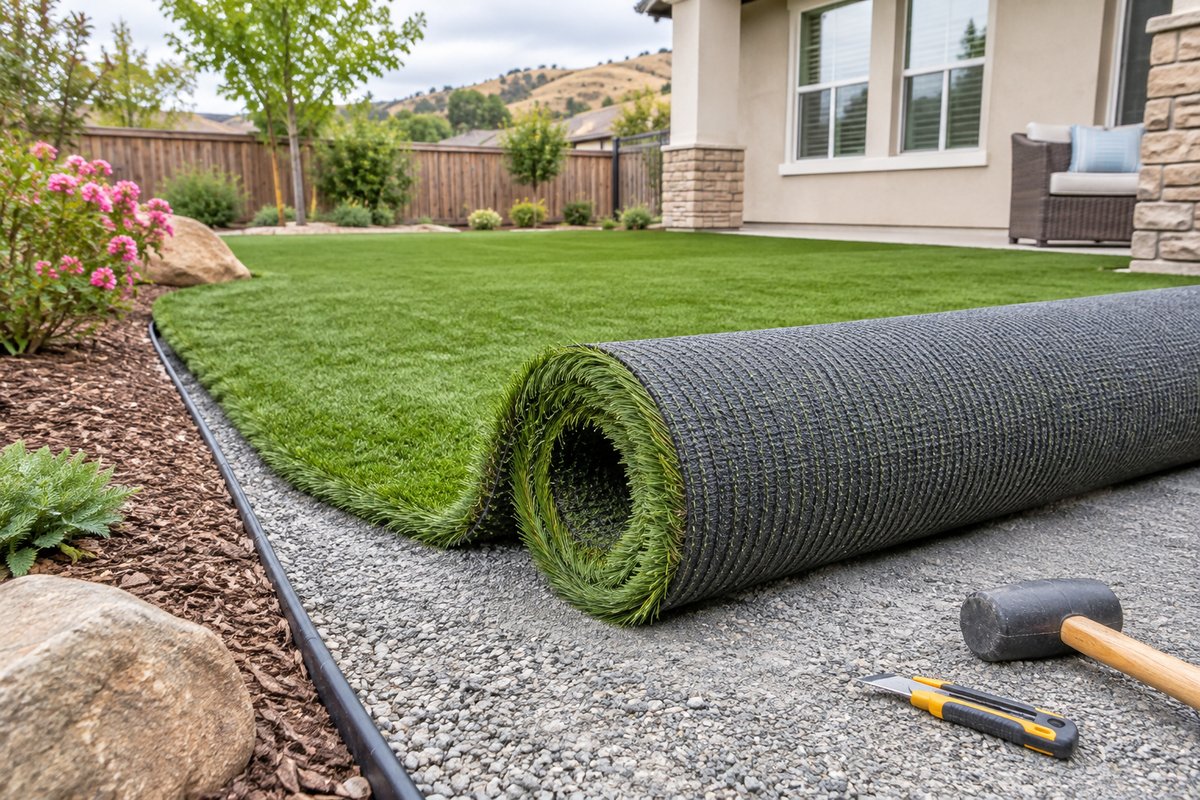
Homeowner’s Guide to Planning Artificial Turf in Lincoln, CA
Thinking about artificial turf for your Lincoln, CA yard? Learn about planning, permits, local soils, drainage, HOA, and weather. Get expert tips for a smooth project.
Understanding the Basics: What Goes Into Artificial Turf Planning?
For homeowners in Lincoln, CA, considering artificial turf, the first step is understanding the essentials that set successful projects apart. Artificial turf—whether for the backyard, front yard, side yard, putting greens, or dedicated pet areas—demands more than just material selection. Local conditions, city requirements, and the unique characteristics of your property all play a role. It helps to start with a wide-lens view: what is allowed, what your goals are, and which product best delivers the outcome you want.
Projects range from lawn to turf conversions for superior water savings, to family-friendly backyards, and durable pet turf. Knowing what’s possible prevents wasted time and keeps your plans focused. Every detail, from the shape of your lot to hardscape integration, stands to affect the ultimate success of your install.
This is the stage for research, clarity, and honest questions about what you want your space to do—whether that’s hosting, relaxing, playing, or simply reducing upkeep. By understanding the foundation, you’ll avoid common pitfalls and maximize satisfaction over the years to come.
Permits, HOAs, and City Rules: Navigating Local Requirements
Before breaking ground, every project needs to address the administrative side—sometimes the most overlooked but critical step. For many Lincoln, CA homeowners, this means consulting your HOA (if applicable), as well as the municipality. Each neighborhood can enforce its own standards on front yard appearance, drainage solutions, and allowable materials, including artificial turf and pavers.
The City of Lincoln requires permits for certain construction projects; for details, check the official Building and Renovating office. Requirements may differ based on the scale of your installation, planned grading, or drainage changes. It’s important to clarify what’s needed before engaging any licensed contractor for your chosen solution. HOA approval, if your property falls within such an association, is project-specific and may call for submitting plans, getting material samples OK’d, or consulting design guidelines.
Skipping these steps can cause costly delays. Be clear on the full picture before the shovel hits the ground, and factor in the time for city or HOA review in your overall project planning.
Before You Dig: Utilities, Power, and Safety Measures
Every artificial turf installation involves ground disturbance—even lawn-to-turf swap-outs need a plan for safety. Lincoln is within the Pacific Gas & Electric service area, so always use 811 (call before you dig) to mark any underground utilities. This protects you, contractors, and the neighborhood from accidental disruption of electrical, gas, or water lines. Utility marking isn’t just recommended—it’s required by law, and skipping this step can have serious consequences.
Often, it isn’t just a shovel or rototiller at work. Compactors, tampers, or even excavation tools may be used, especially if you’re upgrading to front yard artificial turf or creating a larger family play area. Marking utilities also helps prevent unnecessary rerouting and ensures your existing infrastructure remains undisturbed during and after the installation process.
Remember, Lincoln lots may contain original or transferred power lines and irrigation mains. Always work with contractors who prioritize safety protocols and understand the importance of local utility guidelines.
Lincoln’s Soils, Slope, and Drainage: Planning for Local Conditions
Soil type, slope, and water management set California turf projects apart from those in other climates. Lincoln, CA is known for a mix of clay and decomposed granite soils—each brings different drainage and compaction characteristics. Proper preparation is key for anything from small side yard turf installs to larger, integrated synthetic grass landscapes. Underestimating this stage can shorten turf life and invite issues with pooling water or surface movement.
If your yard slopes, drainage is a top priority. Slope affects not only how water moves, but how turf bases are shaped. For families looking to add playground turf or backyard putting greens, discussing the grade and how to manage winter rain is essential. Installed drainage systems, properly routed runoff, and compaction matched to your exact soil all contribute to a safe, long-lasting result.
Compaction and infill choices are usually tailored after evaluating the lot. For projects on heavy clay or steep inclination, engineered drainage might be necessary. Always balance aesthetics with practicality, and consult the City or HOA if your grading changes affect neighboring properties.
Weather in Lincoln: Timing Turf Installation for Success
Lincoln’s weather is marked by hot, dry summers—over 100°F is common—and cool, often rainy winters. According to the National Weather Service’s Lincoln Regional forecast, summer searing heat and occasional winter downpours shape both product selection and scheduling. Turf installation is best planned for moderate conditions, avoiding the peak of summer or storms when possible.
Extreme heat can make installation physically challenging and can, in some cases, influence initial infill choices (selecting products aimed at cooling or with UV-resistance). Conversely, working in wet soil can complicate base preparation and delay compaction. Plan projects such as pet-friendly artificial turf and backyard synthetic grass when the forecast offers a stretch of dry, mild days.
Careful attention to timing isn’t just for installation ease—it ensures your turf surface sets and settles as designed, minimizing future repairs or wrinkles. Use local forecasts along with contractor timelines to find the ideal window.
Design Choices: Matching Turf Types to Your Needs
Lincoln’s lots vary in size, grade, and exposure, so matching the turf product to your use case is paramount. Residential options include water-wise lawn replacements, custom blends for high-travel side yards, play-safe surfaces, and specialty areas for putting or pets. Thoughtful planning addresses not only looks, but function under Lincoln’s climate and soil.
For many, backyard turf delivers both a practical play space and an appealing entertaining area. Homeowners with pets look for artificial turf solutions designed for durability and drainage. Golfers may opt for pro-style putting greens, while forward-thinking families blend pavers and synthetic grass to maximize both runoff and usable space.
Meeting with experienced, licensed contractors is the best way to surface options and review samples—each adjusted for Lincoln’s conditions and your household’s requirements.
Planning for Adjacent Features: Walls, Patios, and Planting
Artificial turf often forms one part of a larger yard transformation, especially in Lincoln where summer heat encourages shade structures, and winter rain requires sound retaining or perimeter walls. Coordinating synthetic grass installs with hardscape features—patios, walkways, bordered planters—creates a finished, resilient look without future rework.
Combining elements means evaluating how patios or walls will influence surface drainage and usability. Masonry and planting design should respect HOA and city guidelines, all while blending function and curb appeal. Many Lincoln homeowners tie turf installs to front yard upgrades or play area builds for cohesive results.
If lighting, irrigation adjustments, or integrated seating are in scope, surface those early in planning. Proper sequencing—after consulting the appropriate authorities—helps ensure a smooth, on-time project, especially if features interact or disturb the same area of your property.
Common Questions About Artificial Turf Jobs in Lincoln, CA
Do I need a permit for artificial turf installation in Lincoln?
This depends on your project’s size, scope, and any major grading or drainage changes. Always verify with the City of Lincoln Building Division before starting work—requirements can shift as codes are updated.
How does the weather affect turf installation timing?
Extreme summer heat or persistent winter rain can delay your project or affect installation quality. Consult the latest Lincoln weather forecast to choose the most favorable period for site preparation and install.
How do I safely prepare for digging if I have underground power or irrigation?
Before any digging or excavation, contact 811 to have lines marked, and see if you are within the Pacific Gas & Electric service area. This reduces risk and keeps your project compliant with safety regulations.
Ready to Take the Next Step?
Getting artificial turf right in Lincoln requires planning, coordination, and local know-how—from permit checks and utility marking, to soil improvement and project timing. Led by Marty, who brings more than 30 years in California concrete and construction, California Hardscapes utilizes only licensed, bonded, and insured contractors for every project, “built with pride, finished with excellence.”
Explore all your surface, play, and water-wise options while making sure your installation is designed for Lincoln’s unique conditions.
Planning a project in Lincoln, CA?
Call or text 916-741-0633, or email sales@californiahardscapes.com with your address, a short description and a few photos, and we will arrange a consultation.