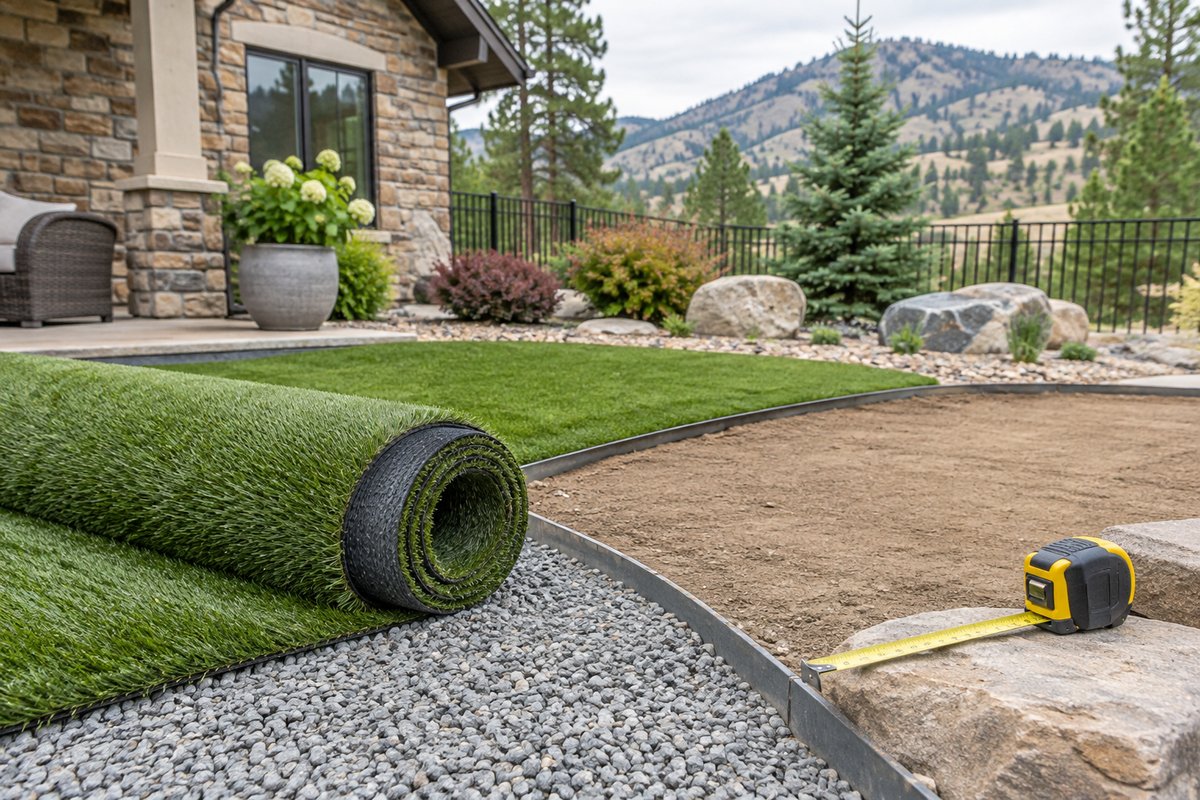
Practical Planning for Artificial Turf in Sheridan, CA
Planning artificial turf in Sheridan, CA? Get practical advice for your synthetic grass, pet turf or putting green: from HOA rules and permits, to soil, drainage, and project timing.
Permits, HOA Approval, and Community Rules in Sheridan
Artificial turf can solve a lot of yard maintenance headaches, but if you live in Sheridan, proper planning should always start with calls to the local agencies and—if applicable—your homeowners association. Different neighborhood associations have specific requirements for turf appearance, color, setbacks, and acceptable hardscapes. For homeowners who are part of an HOA, always review their landscaping guidelines early and allow time for any required approvals. City and county offices also may require permits for significant grading, electrical work, or modifications near easements. Since rules change and are site-specific, it’s wise to check with the office linked above for guidance before planning your project in detail.
For anyone considering outdoor lighting, new electrical outlets, or irrigation adjustments alongside an artificial turf installation, start by checking with Sheridan Electric Cooperative (read how here) for any permits or guidelines on new electrical connections. These steps will save time and avoid costly surprises as your project progresses.
For larger transformations like lawn-to-turf conversion or combining turf with patios or walls, always expect permitting and review to take some time. Lining these up early means work can proceed efficiently once approvals are in hand.
Call Before You Dig: Utility Marking is the First Step
Before any soil is shifted or excavation equipment arrives, calling 811 for a utility mark-out is a must. Sheridan lots often contain a patchwork of buried lines: irrigation pipes, power, phone, fiber optic, and sometimes older utility infrastructure. Blocking work until lines are marked is key for safety, cost, and legal compliance. This goes double for projects that include sub-base preparation for durable backyard artificial turf or front yard artificial turf, which typically require clearing 3–5 inches below grade.
Don’t skip this step. Even compact turf replacements or adding side yard and small-space turf can hit unexpected lines if previous owners rerouted utilities. After receiving the all-clear, it’s time to move confidently toward installation, knowing work can proceed safely and without service interruptions for you—or your neighbors.
This procedure should be repeated each time you expand an existing turf area, install new paver borders, or relocate irrigation controls to accommodate water-wise artificial turf layouts.
Sheridan Soils and Site Preparation
Sheridan sits atop a blend of clays and decomposed granite, which both present unique challenges for synthetic grass installation. Clay soils commonly retain water and swell, leading to drainage issues beneath turf unless properly compacted and layered with aggregate. Granite and sandy areas, on the other hand, can drain quickly but may need additional stabilization to prevent uneven settling over time.
For turf layouts in pet areas, pet-friendly artificial turf infill and sub-base require special attention. Fast drainage and simple cleaning are a must. If your yard backs up to rural land, check for old irrigation laterals or historic grading that may affect how your subbase is prepared.
Consult with your contractor, explain your goals and any known history about your yard, and expect recommendations tailored to Sheridan’s local soil profiles. Sound preparation here pays dividends in how well your turf looks and performs for years ahead.
Slope, Drainage, and Practical Grading
On Sheridan hillsides, slopes are an everyday reality. Unlike traditional sod, artificial turf won’t easily wash away, but it still needs engineered drainage if you want it to last through wet winters. For moderate slopes, installation crews may build terraced sub-bases or utilize retaining walls to hold both aggregate and turf in place. For level yards, think about where excess rainwater will go after a winter storm—tie-ins to French drains or dry creek beds may be advised.
Especially for installations that combine turf with patios, walls, or planting beds, integrated site grading sets the foundation for trouble-free use year-round. For play areas and playground turf, attention to underlying shock pad placement and surface levelness can make a big difference in safety and durability.
The ideal plan will factor in seasonal rainfall, prevailing site slopes, and proximity to neighboring drainage easements. If you’re uncertain, use the detailed Placer County Forecast Briefing Page to anticipate when heavy local rain may hit and ensure your turf project is ready to handle it.
Beating the Sheridan Heat: Turf Choices for 100°F+ Summers
Sheridan summers have no mercy on natural grass, but not all artificial turf is created equal. Lighter, heat-reflective colors, UV-stabilized turf fibers, and cooling infills are now common in premium landscapes—especially for backyards, play zones, or spaces where pets spend daylight hours. If your plan includes backyard artificial turf, adding shade trees or pergolas can further reduce surface temperatures and make afternoons bearable.
These strategies are particularly valuable for putting greens, where consistent playing conditions matter. See how specialized builds like backyard putting greens handle the rigors of temperature swings, heavy use, and glare from midday sun.
During summer installations, crews also avoid gluing or stretching turf at peak temperatures, as material expansion can affect the final finish. Consider planning your installation for early mornings or shoulder seasons when possible, for optimal results.
Planning for Wet Winters: Drainage and Seasonal Timing
While Sheridan heat can be extreme, winter rains challenge every outdoor project. Artificial turf is designed to drain, but only if the sub-base works with—not against—the natural grade. Flooding, pooling, or soggy patches often trace back to insufficient planning. When scheduling a project, use the local weather tools to block out extended dry windows for excavation, basework and glue-down phases.
Retaining features such as walls or strategic pavers are common in Sheridan to direct stormwater safely away from homes and toward drainage swales. Even compact renovations, such as turf replacement, frequently benefit from subtle re-grading and new drains to handle both summer storms and run-off from irrigated areas.
Expect delays if storms are forecast. Working with licensed, bonded and insured contractors ensures the plan suits your site, considering all local climate pressures.
Coordinating Project Timing: When to Start Your Turf Upgrade
Few things delay a new landscape more than starting at the wrong time of year. In Sheridan, the optimal window for installation often comes in late spring or early fall—after the ground has dried from winter rain, but before triple-digit summer highs. That said, with careful planning and the right materials, quality turf installation can be achieved in any season, as long as conditions allow for proper sub-base work and curing.
If you are coordinating with sidewalk, patio, or lighting upgrades, scheduling all hardscapes and utilities together reduces downtime and labor repetition. Double-check with Sheridan Electric Cooperative (find more information here) if your project adds lighting or exterior power features.
Allow a planning window for HOA review, permit processing, and 811 marking. Expect 2–4 weeks lead time, possibly longer in spring. This transparent approach helps ensure the job is completed “built with pride, finished with excellence”—rather than rushed or cut short by weather.
Choosing the Best Artificial Turf System for Your Sheridan Lot
Every Sheridan yard is different. Priority one is always matching product and prep to site conditions—so the right solution may be front yard artificial turf for curb appeal, side yard and small-space turf for tight access, or a dedicated play zone with safe, cushioned play area turf. Multifunction areas, like turf combined with patios and garden beds, benefit from the integrated planning and installation offered by licensed, bonded and insured contractors under the leadership of a seasoned builder in concrete and construction.
Those planning a lawn-to-turf conversion frequently add water-saving pavers, dry riverbed features for drainage, and upgraded modern planting. Pet owners should prioritize pet turf with efficient infill and fast-drain bases that make cleaning a breeze.
If you’re debating which synthetic grass suits your space, explore the full range of artificial turf options that meet local performance standards—and look good while doing it, season after season.
Frequently Asked Questions: Artificial Turf in Sheridan
What should Sheridan homeowners know about drainage for turf?
Proper grading is crucial. For best results, ensure drainage follows the site’s natural slope or use drains/retaining features to prevent pooling. Installation on challenging soils—like the clays and granites around Sheridan—often requires extra attention to the sub-base, especially for pet-friendly areas or under play turf.
Can I install artificial turf year-round in Sheridan?
Yes, but project timing is affected by heavy rain and heat. For most residential projects, dry, mild weather is best. Check forecasts at the Placer County Forecast Briefing Page before scheduling excavation and adhesive work. Quality materials and experienced contractors can accommodate Sheridan’s challenging climate.
Do HOAs and the city have restrictions on artificial turf or pavers?
Yes; Sheridan HOAs often regulate turf type, color, edging, and overall landscaping. Some modifications—like lawn-to-turf conversion with pavers or rock—may need architectural review or city permits, especially on fronts and sides visible from the street. Requirements differ from block to block, so always review rules and consult with their office or your association first.
Planning a project in Sheridan, CA?
Call or text 916-741-0633, or email sales@californiahardscapes.com with your address, a short description and a few photos, and we will arrange a consultation.