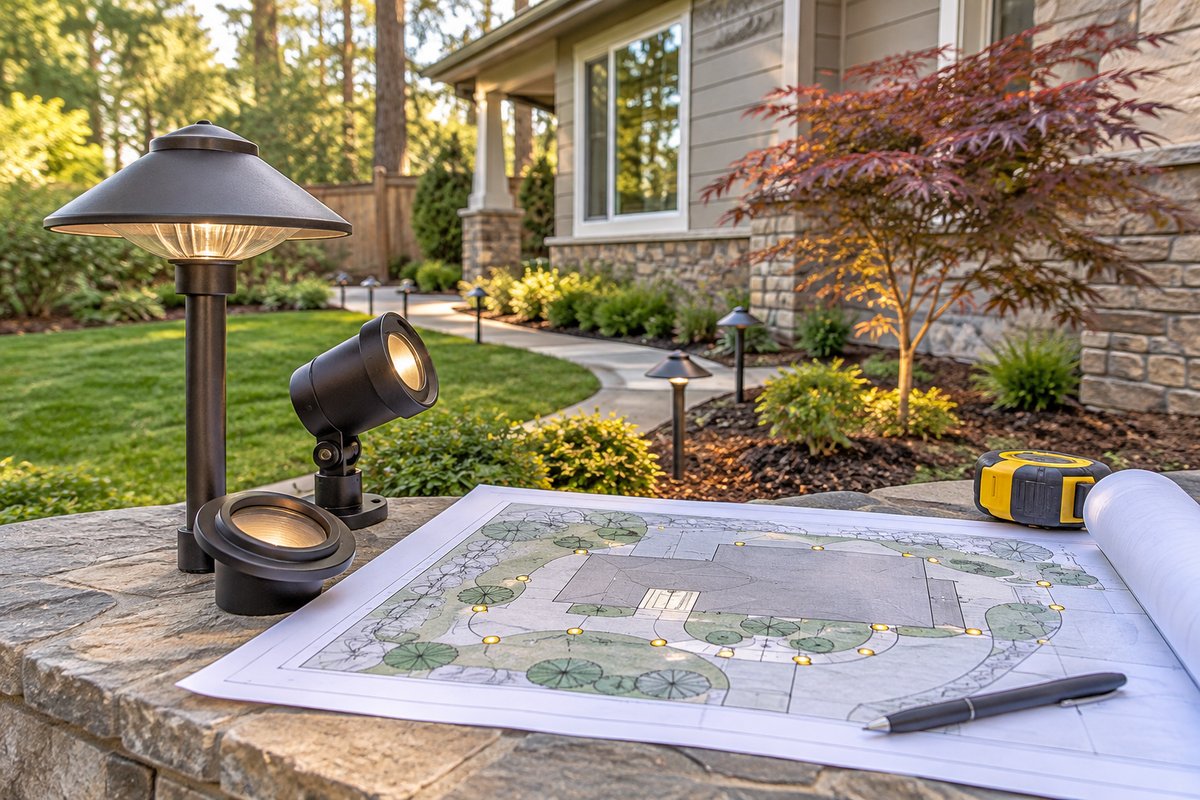
Smart Planning for Outdoor Lighting in Citrus Heights, CA
Thinking of upgrading outdoor lighting in Citrus Heights, CA? Learn how to plan for city rules, soil, drainage, utility markings, HOA requirements, and the right time to build.
Start with Approvals: Permits and HOA Requirements
If you own a home in Citrus Heights and are planning new landscape lighting or upgrading old fixtures, understanding city and HOA requirements is the first step. Many outdoor lighting projects, especially those that include hardscaping or new wiring, may trigger local codes or neighborhood association rules. Before any design or digging begins, check with the city’s office for guidance on permits—some projects require official approval, especially if wiring or hardscape alterations are involved. If your home is managed by a homeowners association, reach out directly for their current submission process and aesthetic standards. Each HOA is unique in their timelines and requirements, so early coordination will prevent delays later in the build process.
It’s important to avoid beginning work before securing all needed permissions, as inspectors or the HOA may require changes to work that doesn’t comply. Requirements could influence everything from fixture types and color temperature to the routing of low-voltage LED landscape lighting. These practical steps ensure your investment adds lasting value, not headaches. For official resources on power interruptions, check the Outage Center, which helps you monitor or report SMUD power outages that might affect outdoor lighting construction or maintenance in Citrus Heights.
When planning, remember: every lot and neighborhood is different. The early legwork with local offices means fewer surprises and smoother installation, whether you’re planning outdoor lighting for driveways, paths, patios or garden walls.
Call Before You Dig: Protecting Utilities and Safety
No planning guide is complete without emphasizing: always call 811 before you dig. In Citrus Heights, utility lines can run close to the surface, especially near older homes or yards that have been previously renovated. Accidental damage to water, power, or communication lines can create costly repairs, outages, and safety hazards. Calling 811 coordinates all relevant utility providers to mark underground lines before trenching for new lighting, wiring, or hardscape work happens.
This simple, free step is essential whether you’re installing driveway and entry lighting or low-voltage LED systems around the backyard. Utility markers and flags help guide the route placement of wiring, posts, and concrete footings so you can avoid critical infrastructure. Scheduling the 811 service a week or two before your project start date helps keep your project on track and avoids unnecessary delays or damage claims.
This attention to detail—marking utilities, understanding where and how your lot is serviced—differentiates a quality installation. It’s about taking pride in getting it right from the underground up.
Soil, Slope, and Drainage: Adapting to Local Terrain
Citrus Heights neighborhoods vary lot by lot, but local soils are typically a mix of dense clay or granite. Each brings its own planning challenges for path lights, wall lights, or patio lighting. Clay soils can shift and expand with moisture, stressing hardscape foundations or lighting bases, while decomposed granite areas may require deeper anchoring for posts and fixtures. Before installing any lighting or landscape features, assess your soil type and slope conditions carefully.
Pay attention to lot slopes, as water movement during heavy winter rain can cause erosion or pooling. Proper grading and drainage need to be included in the design so that low-voltage LED lighting systems and control boxes are kept safe and functional through seasons of weather extremes. French drains, swales, or hidden gutters can help manage runoff around patios and pergolas, where moisture might otherwise threaten wiring or fixture security.
Each project needs to be tailored for these on-the-ground realities. Taking the time to adjust trench depth, foundation design, or fixture placement means your lighting stands up to both Citrus Heights summers and winters.
Timing Projects for Citrus Heights Seasons: Heat to Rain
With summer temperatures in Citrus Heights frequently topping 100°F and winters bringing significant rainfall, timing your outdoor lighting project is more than a convenience—it affects durability and performance. High summer heat can dry out soils, making trenching difficult and stressing plantings disturbed during installation. Conversely, working during the rainy season risks muddy sites and project delays.
Most homeowners find late spring or early fall to be the sweet spots for construction, when weather and ground conditions are more forgiving. Planning the placement of patio and pergola lighting or wall and facade lighting should take into account forecasted temperature swings and potential storm events. For up-to-date weather guidance, the Sacramento, CA Forecast (NWS) is an essential tool for monitoring seasonal shifts specific to Citrus Heights.
Coordinating project start dates with weather patterns, utility marking, and permit approvals means fewer surprises and lasting results. Built with pride, finished with excellence is more than a slogan; it’s about ensuring quality at every step, especially when seasons change fast in Citrus Heights.
Design Choices for Local Lots: Light Fixtures That Work
The right outdoor lighting starts with a clear assessment of how you use your space and what conditions it faces. In Citrus Heights, efficient low-voltage LED lighting systems are a strong choice, offering lower energy use and less heat emission in sun-exposed areas. Along walkways or garden paths, select fixtures designed to manage the expansion and contraction of soils and seasonal shifts; choose materials that resist corrosion and color fading.
Think holistically—lighting design should integrate with patios, walls, walkways and planting beds for a unified look. By considering how winter downpours might flood certain spots, or which areas are most exposed to the summer sun, your choice of path lights, wall wash fixtures, or string lights becomes smarter and longer lasting. Durable finishes and well-sealed connections keep systems dependable, whether you’re lighting a stone patio or a slope-backed retaining wall.
For those seeking advanced features, smart lighting controls let you fine-tune settings by area, time, or season. This helps the system adapt with you, whether it’s a quiet dinner on the patio or secure, well-lit paths on a rainy winter evening.
Plan for Upkeep: Maintenance, Inspection and Upgrades
Even the highest quality outdoor lighting benefits from regular inspection and periodic upgrades. Citrus Heights’ weather—hot summers, moist winters, shifting soils—takes a slow toll on wiring, fixtures, and buried connections. Build maintenance into your planning: check transformers for water intrusion after storms, monitor LED fixtures for fading, clean lenses and replace weather seals as needed.
After installation, take advantage of lighting maintenance, upgrades and repair services for troubleshooting and regular tune-ups. LED systems are energy-efficient but can still benefit from expert adjustment as your landscape or needs change. Proactive care keeps your investment bright and safe for years to come.
Staying on top of repairs also means less downtime after events like power outages. The Outage Center can alert you to area-wide issues affecting low-voltage transformers or controls, helping you coordinate fixes with the bigger picture in mind.
Work with Experienced Local Contractors
Getting it right means more than the right bulbs or fixtures—it’s about proper installation and integration with other hardscape and landscape features. California Hardscapes, led by Marty with decades of concrete and construction experience, works with licensed, bonded, and insured contractors who approach every project with the highest standards. Their philosophy: compete not on price, but on quality, integrity, and exceeding expectations in every detail.
When you plan with professionals, each element—trenching, anchoring, wiring, hardscape—receives careful attention, tailored for Citrus Heights’ soils and slopes. The result is landscape lighting, patio lighting, and wall lights that hold up through heat, rain, and everything in between. Attention from design to final walkthrough ensures seamless results, blending your lighting with patios, walls, and local plantings for a finished look.
For each step—planning, scheduling, digging, and finishing—working with local contractors who understand both the local environment and the latest lighting technology pays off in beauty and reliability.
Outdoor Lighting in Citrus Heights FAQ
What permits or HOA approvals do I need?
Many outdoor lighting projects, especially those with hardscape or electrical upgrades, often require city or county permits and may need HOA approval. Because every project and association is different, always check with the appropriate city office and your HOA for current requirements before finalizing plans or buying materials.
How does soil type affect outdoor lighting installation?
Citrus Heights has a mix of clay and granite soils, which can impact foundation depth, wire routing, and fixture stability. Understanding your specific soil conditions helps customize trenching, secure fixtures, and prevent shifting or heaving that can damage your landscape lighting over time.
When is the best time of year to install outdoor lighting?
Late spring or early fall usually offer the best balance between dry weather and workable ground in Citrus Heights. Monitor the Sacramento, CA Forecast (NWS) for up-to-date weather, and plan around both the hot season and the rains for smoother installation and reliable results.
Ready to Plan Smarter?
Outdoor lighting adds safety, beauty, and enjoyment to any Citrus Heights property—but only when it’s planned for local soils, slopes, and seasons. With careful timing, proper approvals, and the right technology, you can create enduring, energy-smart lighting for driveways, patios, decks, and gardens.
- Check the Outage Center for local power updates during work.
- Monitor local conditions with the Sacramento, CA Forecast (NWS).
- Explore outdoor lighting options designed for local conditions.
Planning a project in Citrus Heights, CA?
Call or text 916-741-0633, or email sales@californiahardscapes.com with your address, a short description and a few photos, and we will arrange a consultation.