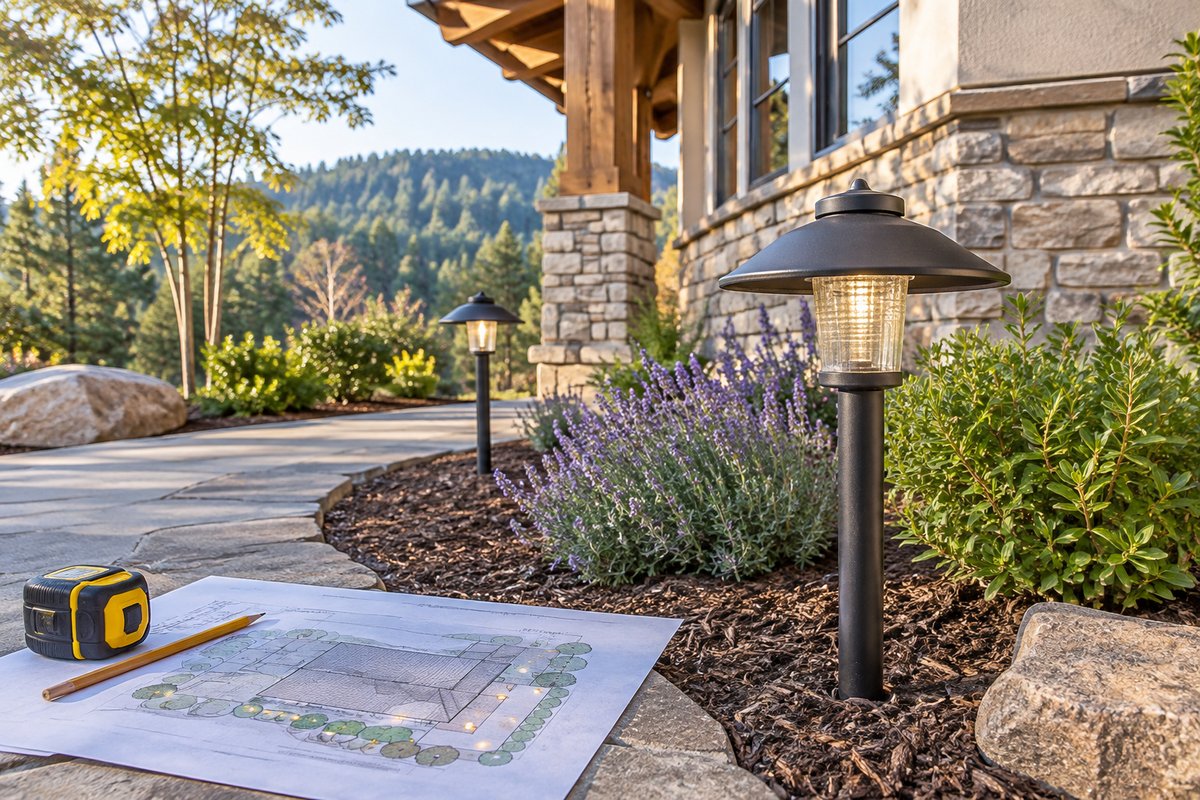
Planning Outdoor Lighting in North Auburn: A Practical Homeowner’s Guide
A clear, actionable guide for North Auburn homeowners on planning landscape lighting projects: HOA, permits, utility checks, soils, drainage, weather, and project timing.
Start with Planning and Regulatory Requirements
Any successful landscape lighting project in North Auburn, CA starts with good planning—and a firm understanding of local regulations. Most neighborhoods in North Auburn fall under a homeowners association, city ordinances, or both. Before you schedule any work, review your HOA bylaws and local government site to confirm what’s required. Many outdoor lighting upgrades, especially those that involve new wiring or changes near property boundaries, require HOA approval, city permits, or both. Each community and subdivision has different rules for fixture types, lighting color, placement, and hours of operation. Be sure to contact your HOA board and the city’s building department for details relevant to your address—these entities can specify exactly what paperwork, diagrams, or engineer’s drawings you’ll need. Stay organized: save your approvals, requirements, and copies of all plans for your records.
Keep in mind that outdoor lighting projects often intersect with other hardscape upgrades like walls and patios, which have their own permit or inspection requirements. Many homeowners plan landscape lighting alongside larger projects for patios, retaining walls, or new planting beds. The right approach is to complete any necessary paperwork before purchasing materials or scheduling your contractor. California Hardscapes uses licensed, bonded and insured contractors on all outdoor lighting projects, ensuring your work meets California’s standards for safety and craftsmanship. If your project involves driveway entry lights or wall lighting upgrades, be sure to ask about any added documentation required for electrical installs or changes to visible hardscape elements.
Regulations in Placer County and North Auburn may change with time, so check with your HOA and the city before finalizing your timeline. These steps prevent schedule disruptions, misunderstandings, and possible fines. Good preparation sets the stage for a smooth project from start to finish.
Always Mark Utilities Before Digging
Safety is non-negotiable when installing new lighting, especially in established North Auburn neighborhoods where utilities may be shallow or near existing landscape features. Before trenching for low-voltage conduits or installing new path lights, it’s critical to call 811 to request utility marking. This free service identifies the location of underground gas, electric, water, and telecom lines that could pose risks if disturbed.
Failure to mark utilities doesn’t just delay your project—it could mean dangerous situations, repairs, or even shutoffs. Even shallow dig sites for small fixtures or landscape lighting transformer boxes should be carefully marked. Be sure the property is accessible and that markings remain visible for the length of the project. For projects that require multiple phases, such as the addition of path and walkway lighting after patio construction, you may need to request re-marking before each stage begins.
If your design involves driveway and entry lighting, run all plans by your contractor once lines are marked, as these areas tend to cluster critical utilities. Proper pre-dig planning protects everyone involved and helps keep your home’s services uninterrupted throughout the project.
Understand North Auburn Soils: Clay, Granite, and Drainage
North Auburn lots feature a mix of dense clay and areas with granite-derived soils. Both play a part in your outdoor lighting installation. Clay soil can retain water after winter rains, making some trenching and conduit placement difficult if the ground is wet. Granite soils drain faster but can challenge installers with rocks and shallow hardpan. Understanding these local conditions shapes both fixture choices and ideal installation timing.
Proper drainage is essential—not just to protect lighting fixtures, but also to preserve patios, walls, and plantings. Low-voltage LED lighting systems like those found at California Hardscapes resist moisture but should still avoid locations where standing water pools after rains. When planning for patio and pergola lighting or wall and facade lighting, ensure conduit routes won’t create new water traps or impact your yard’s graded slope. French drains, gravel backfill, and careful fixture selection all contribute to long-term reliability.
Consult your site plan to identify slopes, high and low spots, and areas where runoff might collect. These observations help you, your designer, and your contractor make smart choices about fixture placement, wiring runs, and any needed drainage improvements. A solid drainage plan is as important as beautiful light itself.
Adapt Designs for Slope and Grading
North Auburn’s rolling hills and varied terrain mean most properties aren’t flat. Lighting a gentle slope or steep driveway requires careful planning—both for visual impact and safe, long-lasting installation. Fixtures for steps and retaining walls must comply with regulations and be installed to direct water safely away from both the fixture and foundation elements.
In sloped yards, lighting design should highlight elevation changes while preventing light pollution. Uplighting for trees, step lighting on graded terrain, and hardscape wall lighting are effective ways to emphasize your landscape’s natural beauty. Licensed, bonded and insured contractors install these systems with due consideration of structural elements—nobody wants to undermine a slope or cause drainage problems by mistake. Whenever adding lighting to existing walls or steps, check for necessary HOA or city documentation, especially with larger concrete or masonry features.
A well-adapted lighting plan for slopes and terraces not only looks great, it also preserves safety and maximizes the longevity of your investment. Share your existing site plans and landscape grades with your contractor at the start for the best results.
Weather: Summer Heat and Winter Rain
North Auburn is known for hot, dry summers with temperatures often above 100 degrees, and a rainy season that brings heavy, soaking winter storms. Both weather extremes require practical planning when upgrading outdoor lighting. High-quality, sealed LED fixtures like those featured in outdoor lighting solutions from California Hardscapes are designed to perform under these conditions, but timing and precautions matter.
Use the National Weather Service forecast for North Auburn to plan your project around the weather. Schedule major digging and hardscape work for months with mild, predictable forecasts—generally spring or early fall—to avoid heat stress and muddy soil. Installing new smart lighting controls or tackling routine lighting repair, upgrades and maintenance can happen year-round, though avoid wet days to minimize installation risks.
Fixtures should be rated for outdoor use with weatherproof housings, and all connections need to be protected from moisture and pests. If your property is exposed to direct sun, shade tolerance and UV resistance for each lighting option should be discussed with your installer.
Efficient Project Timing for Best Results
Outdoor lighting adds lasting value to North Auburn homes—but only with the right project timetable. The prime months for most installations are late March to early June and September into October, when soils are workable and weather is mild. Plan your installations ahead to allow time for HOA or city review, material delivery, and any needed prep work, especially for more comprehensive upgrades involving LED landscape lighting integrated with new patios or walkways.
Scheduling early means you can book licensed, bonded and insured contractors at your preferred time, avoid last-minute surprises, and plan landscaping or hardscape work in the correct order. Always complete utility marking, design review, and required approvals before the installation date—this ensures your lighting contractor can move from start to finish without avoidable delays.
After installation, a final walkthrough to test and adjust every fixture is recommended. This step ensures all your outdoor lighting is operating as designed. Don’t forget ongoing care—seasonal checks and periodic lighting maintenance keep your system working and looking its best year after year.
Choosing the Right Outdoor Lighting Options
North Auburn homeowners have an array of stylish and energy-efficient options for every outdoor space. Low-voltage LED lighting systems provide brilliant illumination with a fraction of the energy cost of older fixtures. For walkways, path lighting offers safety and curb appeal, while driveway and entry lighting makes entrances easier to navigate after dark.
In addition to function, outdoor lighting enhances outdoor living. Patio and pergola lighting extends your enjoyment of North Auburn’s summer evenings, and specialty fixtures can uplight trees, accent gardens, or add charm to dining areas with string or cafe lights. Wall and facade lighting can emphasize architectural features or provide gentle security lighting where needed. Modern lighting controls allow homeowners to automate schedules, control zones separately, or adjust brightness to suit any event.
All options should be chosen for weather resistance, code compliance, and the specific layout of your lot. Partnering with professionals who know North Auburn conditions ensures your investment meets both your aesthetic and practical goals.
FAQ: Common Outdoor Lighting Questions for North Auburn
How do I find out if I need a permit or HOA approval for outdoor lighting?
Regulations for outdoor lighting projects vary in North Auburn. Start by checking your HOA bylaws and contacting your neighborhood’s board. For city permits, guidance and forms, reach out to the local building department. Requirements can depend on the number and placement of fixtures, the visibility of changes, and whether electrical work is involved.
What are the benefits of low-voltage LED outdoor lighting systems?
Low-voltage LED systems are efficient, long-lasting, and safer than older high-voltage options. They deliver high light output with less electricity, minimizing impact on your utility bill and reducing maintenance. LED fixtures are available in a wide variety of sizes and finishes to complement any North Auburn landscape or hardscape.
How should I prepare my property for an outdoor lighting upgrade?
Before starting work, mark all utility lines by calling 811 and check for drainage or standing water areas. Organize your site plans, know your HOA or permit requirements, and plan work for times of favorable weather. Consult the North Auburn weather forecast for timing your project.
Plan With Confidence
Every landscape lighting project in North Auburn brings the opportunity to enhance your property’s function, style, and safety—but getting it right takes planning and attention to local factors. Permits, HOA rules, utility checks, soils and slopes, the timing of work, and product choices all play a part. Work with licensed, bonded and insured contractors for quality you can see and results in line with the area’s standards. To discuss your goals for landscape lighting or start planning your next project, request a consultation with California Hardscapes today.
- Permitting and HOA questions: Check with your neighborhood HOA or the city’s building department.
- Current forecast: National Weather Service forecast for North Auburn, CA
Planning a project in North Auburn, CA?
Call or text 916-741-0633, or email sales@californiahardscapes.com with your address, a short description and a few photos, and we will arrange a consultation.