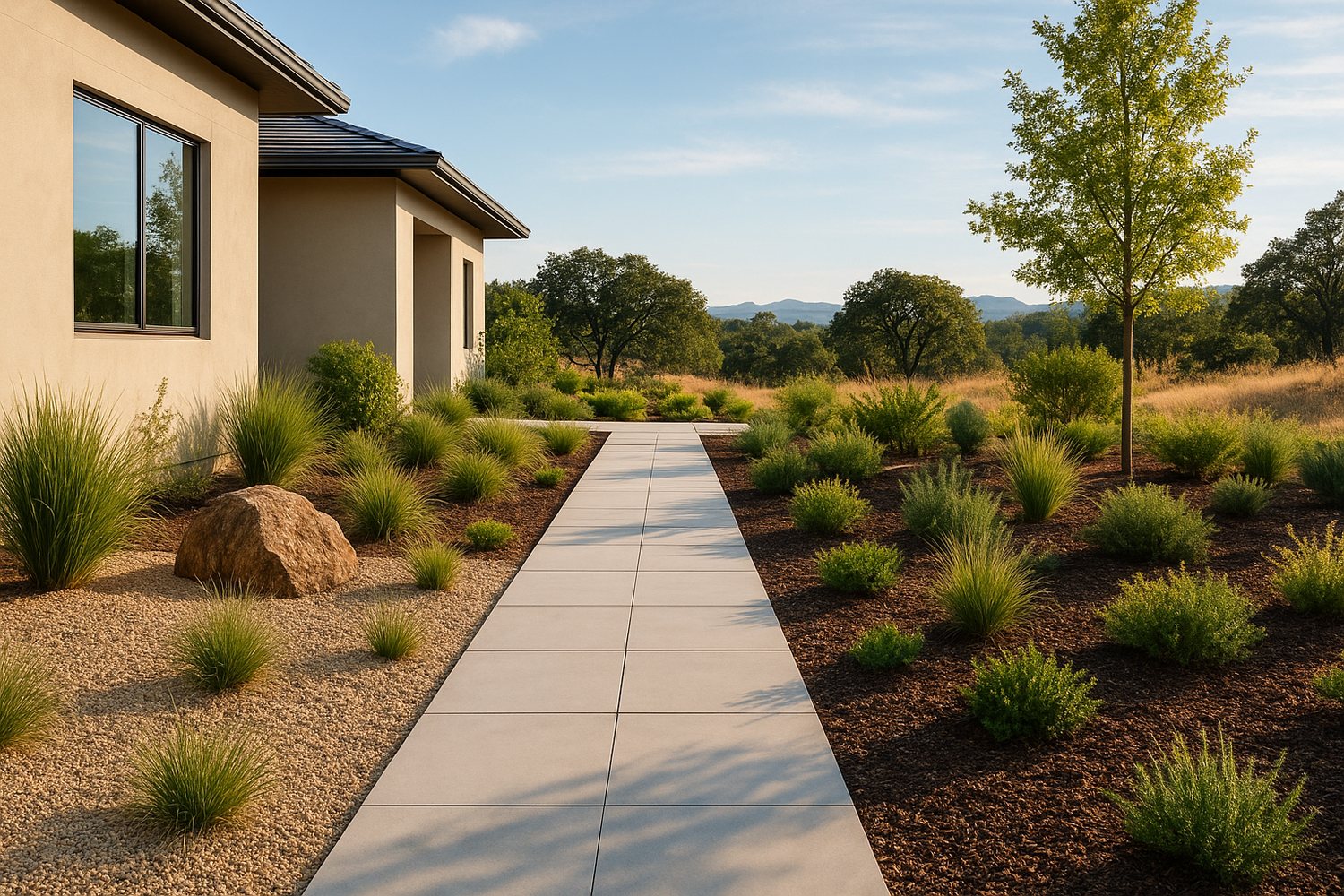
What Makes Outdoor Porcelain Pavers Unique?
Discover the real differences between outdoor porcelain pavers and indoor tile for patios and hardscapes in Placer and Sacramento Counties.
Outdoor porcelain pavers stand apart from indoor tile in surprising ways. Here’s what homeowners around Rocklin and nearby communities should know before choosing a patio or hardscape finish.
Why Porcelain Is a Top Pick for Outdoor Spaces
Porcelain pavers have quickly become a go-to material for California backyards, patios, and pool decks. Unlike traditional concrete or stone, porcelain offers a refined look with considerable toughness. Here in Placer and Sacramento counties, modern outdoor living often demands beauty and resilience—a balance porcelain achieves very well.
Manufactured from dense, high-fired clay, outdoor porcelain pavers stand up to local sun, heat, and heavy use better than most indoor tiles. Their low porosity means they’re more stain and water resistant, a must when dealing with everything from chlorinated pool water to dusty Sierra foothill breezes.
Whether you’re aiming for clean, modern lines or a surface that mimics natural stone, the design flexibility of porcelain appeals to many homeowners. Outdoor-specific options also come in formats and thicknesses built to withstand patio furniture, BBQs, and regular foot traffic.
- True color and texture variety
- Engineered for exterior exposure
- Low maintenance compared to natural stone
Read more about ourPorcelain paversfor patios and walkways.
Outdoor Porcelain vs Indoor Tile: The Real Differences
It’s easy to think all porcelain tile is the same, but outdoor paving demands unique features. Standard indoor tile is usually thinner and not rated for freeze-thaw cycles or the type of weather swings we get from Folsom to Auburn. Expect warped or cracked tiles outdoors if you use indoor material where it doesn’t belong.
Slip resistance matters more outside, especially around pools or patios where morning dew and irrigation can make surfaces slick. Outdoor types are engineered with rougher textures or special coatings for traction—another area where indoor tiles just don’t measure up.
Outdoor porcelain is thicker—usually 3/4” or 20mm—and specifically built to lay directly on sand, gravel, grass, or adjustable pedestals. Indoor tiles are thinner and meant strictly for solid, waterproofed concrete or plywood subfloors.
Weathering Local Conditions: Why Outdoor Grade Matters
Our region sees everything from blazing heat to winter rains. Outdoor porcelain pavers are manufactured to handle thermal expansion and contraction, so you avoid the hairline cracks and spalling that can ruin indoor tiles used outside. Their density and hardness also fend off calcium deposits and leaf stains from nearby landscaping.
In Rocklin, Roseville, and the surrounding foothills, patio and pool decks take a beating from intense summer sun. Outdoor porcelain holds its color without fading, outlasting many natural materials and basic tile. Their surfaces stay cooler than you might expect, thanks to light-reflective finishes designed for warm climates.
Maintenance around here is about keeping things simple. Outdoor porcelain pavers are easy to clean with mild soap and a hose, resisting etching from fertilizer overspray or minor pool chemical splashes.
- Fade-resistant color
- Dense, low-porosity construction
- Stands up to heavy use year-round
| Feature | Outdoor Porcelain Pavers | Indoor Porcelain Tile | Natural Stone Pavers |
|---|---|---|---|
| Thickness | 20mm (3/4 inch) | 6-10mm (1/4–3/8 inch) | Varies, often 1-2 inches |
| Slip Resistance | Engineered for wet outdoor areas | Smooth, not for exterior use | Natural texture, can be slippery |
| Color Fade Resistance | UV-stable, designed for sun | Interiors only—may fade outdoors | Moderate; some stones fade |
| Installation Options | Sand, gravel, pedestal, concrete slab | On slab or backer board only | Sand or mortar set, heavy base work |
| Maintenance Needs | Minimal; hose or mop | Sweep, mop, grout care | Regular sealing, stain removal |
Installation Techniques: What’s Different Outdoors?
Laying porcelain pavers outside isn’t the same as setting indoor tile. The foundation is especially important: outdoors, the surface might be sand-set, installed over gravel, or placed on an existing concrete slab for extra stability. For patios and pool decks in local clay soils, proper drainage prep is critical.
Grouting is also different. Outdoor grout products are chosen for weatherproofing, UV-safety, and flexibility. Expansion joints are carefully planned, so pavers move with temperature swings rather than cracking or buckling.
Leveling systems and edge restraints prevent shifting and maintain safety around pool edges or steps. With extra thickness, outdoor porcelain pavers handle the weight of patio furniture and even small vehicles—a level of protection not found in standard indoor tile.
- Versatile installation: slab, sand, pedestal options
- Special outdoor grouts & joint fillers
- Safe transitions at edges and steps
Choosing Looks that Suit Placer County Living
Outdoor porcelain comes in an impressive range of styles—wood, stone, concrete, slate, and contemporary textured finishes. In communities like Granite Bay, homeowners often aim for a patio that blends harmoniously with Northern California landscape and home design.
Wide-format tiles, realistic stone visuals, and slip-resistant wood planks are trending in patios and pool areas. For shaded spaces, lighter colors keep surfaces cooler, while bolder designs can highlight seating or outdoor kitchens. Porcelain’s uniformity makes it possible to create seamless transitions from inside your home out onto the patio.
Since outdoor porcelain tiles are often available in larger sizes, you can create fewer grout lines and achieve a more spacious, high-end look. Pair them with retaining walls and professional lighting for a complete outdoor living feel.
- Mimics natural wood or stone
- Multiple sizes and shapes
- Great for seamless indoor-outdoor flow
Explore all your choices on ourHardscapes & Patiosoptions overview.
Practical Advantages for Busy Homeowners
Outdoor porcelain pavers are engineered for minimal upkeep. Unlike some natural stone or basic concrete, they’re not prone to pitting, mold, or heavy staining from barbecue spills and patio plants. In our region’s pollen-heavy season, a quick rinse is often all that’s needed to restore their original look.
Longevity is key. Porcelain resists scratches from patio chairs and grit, so busy households don’t have to baby their outdoor spaces. For families, this means fewer worries about damage during gatherings or while caring for pets. Insects, moss, and mold are far less of a problem than with porous alternatives.
While the upfront investment can be higher than some concrete or paver systems, the reduced maintenance and regional durability typically pay off in fewer replacements and repairs over time.
- No regular sealing needed
- Resists fading, chipping, and scratching
- Simple cleaning—just hose or mop
Common Myths about Outdoor Porcelain, Busted
A common misconception is that all tile is slippery and fragile. Outdoor porcelain pavers are designed with traction in mind. Their rougher surface and added thickness ensure they don’t crack under patio furniture or pool traffic.
Another myth: “Porcelain will fade in the California sun.” In reality, most reputable outdoor porcelain pavers are UV-resistant, made to retain their color for years even in the harshest sunlight we see in Placer and El Dorado counties.
Finally, some think installation is always complex or disruptive. With today’s options—sand-set, pedestal, or over-slab—many patios can be installed with less site impact than people expect, especially when handled by experienced outdoor construction teams.
Key Considerations Before You Choose
Think first about the surface use: high-traffic dining patio, pool surround, or pathways. Outdoor porcelain works for all—pick the slip rating and color best-suited to each zone. Homes near oaks or pines in areas like Auburn may prefer smoother tiles for easier leaf cleanup.
Budget includes installation as well as material. While you might find savings up front with basic concrete, porcelain rewards homeowners willing to invest in lasting, low-maintenance value, especially in this region’s weather.
Consult with a local expert familiar with our soils and climate. It’s the best way to make sure your patio or hardscape isn’t just good looking, but practical and built for years of outdoor use in the Sierra foothills and valley communities.
- Match slip-resistance to location
- Account for afternoon sun and shading
- Prioritize drainage and sub-base prep
Ready to get expert advice?Request a consultationtoday with California Hardscapes.
Planning a hardscapes & patios project?
Call or text 916-741-0633, or email sales@californiahardscapes.com with your address, a short description and a few photos, and we will arrange a consultation.