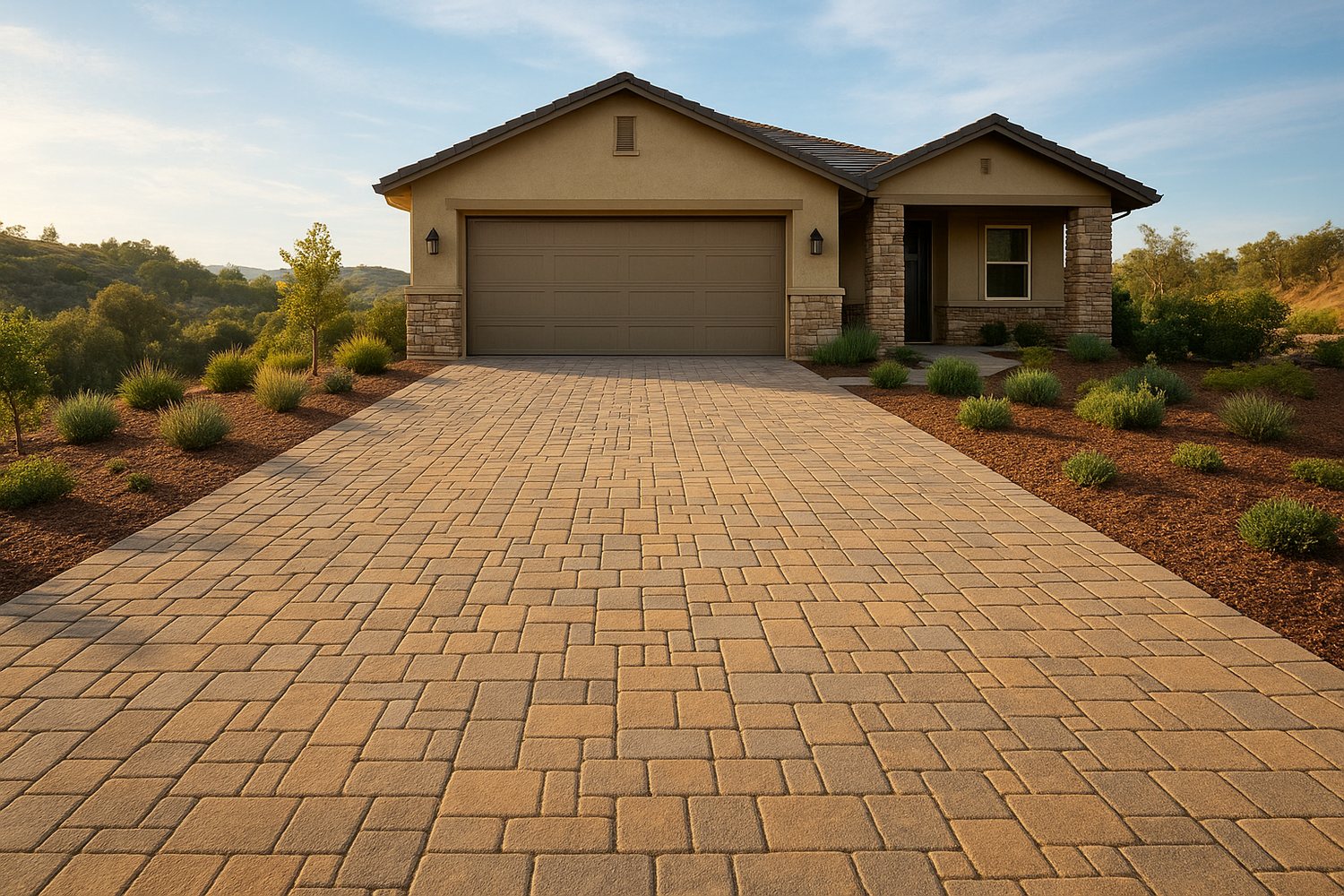
How to Spot Quality Pavers and Wall Block: An Essential Guide
Local homeowners can learn the difference between quality pavers and block versus lesser materials. Use this guide before your next hardscape project.
Choosing the best pavers and block is about more than just looks. Here’s how to ensure your outdoor investment lasts and performs for years.
Why Material Quality Matters in Our Region
In Rocklin, Roseville, Granite Bay, Folsom, Auburn, and the foothills, weather can swing from summer heat to winter rain and even frost. Quality pavers and wall block play a key role in withstanding these cycles. Inferior materials may not handle repeated temperature changes or the occasional freeze-thaw, leading to premature cracking or shifting.
Quality materials also impact longevity and your project’s appearance. Over time, subpar block or pavers can fade, wear, or crumble, ultimately adding cost for repairs or replacements. Higher-grade options are engineered to keep their color, integrity, and shape, even when used for driveways or heavy-duty walls.
When choosing materials, it’s important to match regional needs. Placer, Sacramento, and El Dorado Counties have diverse soils and drainage. Local experience helps select block and pavers that resist efflorescence (unsightly white stains), withstand groundwater, and remain stable in clay or sandy soils.
In summary, ask about climate compatibility and durability.
For an even deeper dive into choosing the right materials, read our fullPavers and wall block guide.
How to Identify Quality Pavers and Block
Quality pavers are dense, uniform, and free from cracks or chips at delivery. Premium wall block feels weighty for its size and has sharp, even edges. Knock-off brands or bargain materials can be less consistent, with surface blemishes or air pockets visible, especially on the sides or undersides.
Check color throughout—not just on the surface. High-quality products are colored all the way through, not just on top. This means if a chip occurs, the underlying material still matches, which helps your project continue looking good even with heavy use or accidental impacts.
When visiting a supplier or reviewing samples, compare the visible texture, color depth, and strength. Try scratching a small, inconspicuous area with a coin; dense, quality pavers and block will resist. Flex small block or paver samples in your hand—flimsy materials can even feel lighter or less stable.
Choose materials with consistent shape and color.
The Role of Manufacturing Standards
National and statewide manufacturing standards play a big part in ensuring materials hold up in your outdoor space. Reputable brands follow standards set by ASTM International for compressive strength, water absorption, and dimensional tolerances. Products made to these specifications hold up better under vehicles, foot traffic, and weather.
Look for pavers and wall block that have third-party certifications or meet ASTM C936 (for pavers) and ASTM C1372 (for segmental retaining wall units). Material that passes these standards is less likely to suffer from issues like cracking, chipping, or excessive color fading over time.
Insist on written specs from your supplier or contractor. Quality-conscious contractors are happy to share technical data sheets and back up their choices with documentation. When in doubt, request to see the applicable certifications to ensure your investment is truly built to last.
Ask about ASTM certifications for pavers and block.
| Material Type | Strength/Durability | Appearance/Finish | Best Use | Maintenance |
|---|---|---|---|---|
| Concrete Paver | High/Engineered | Uniform, colorfast | Driveways, patios, walkways | Low–moderate |
| Natural Stone | Very High | Unique, natural | Accent walls, premium patios | Moderate |
| Composite Paver | Moderate | Good color, smoother | Patios, walkways | Low |
| Economy Block | Variable | May fade/pit | Low walls, edging | Higher |
Color, Texture, and Surface Considerations
Quality isn’t just about structural strength—it’s also about long-lasting beauty. In Northern California, UV rays and mineral-rich groundwater can challenge paver or wall block color. Opt for block and pavers with colorfast pigments and baked-in (integral) color, which resist fading and surface stains.
Surface texture also matters for function and style. High-quality pavers offer slip resistance and lifelike stone aesthetics, without loose grit or flaking. Premium wall blocks have crisp face details, adding shadow and dimension to retaining walls without looking overly manufactured.
It’s wise to avoid products with a powdery surface, mismatched batches, or inconsistent finish. Before committing, view full-size samples outside, in natural daylight—subtle color differences can be hidden in indoor displays but become obvious on a patio or walkway.
Select integral color for long-term fade resistance.
Comparing Concrete, Natural Stone, and Composite Options
Homeowners often choose between concrete, natural stone, and composite pavers or block. Each has strengths for our region. Concrete products are engineered for strength, offer color choices, and are designed for regional climates. Natural stone is visually stunning and durable but needs professional installation for stability in California soils.
Composite (recycled or blended) pavers are newer to the market and can be a sustainable option, but their performance will vary. Reliable suppliers provide info on recycled content, strength, and local suitability—some composites are best for pedestrian use only, not driveways or retaining walls.
When deciding, balance appearance, performance, and what fits your project. Some homeowners mix material types for visual interest, like pairing concrete pavers with stone accents. Always check that all components meet local standards and climate requirements.
Aim for a balance of strength, appearance, and maintenance.
Learn about all your hardscape material choices in our completeMaterials overview.
Recognizing Red Flags and Common Pitfalls
One of the clearest warning signs is inconsistent thickness, causing uneven surfaces or wall structure issues later. Poorly made pavers and block can arrive already chipped or damaged—always refuse damaged goods before installation starts.
Watch out for block or pavers with high water absorption rates: these are more likely to crack or show stains. Ask your supplier what method they use to measure water absorption and if they can provide the data. Avoid any material with a powdery residue or that feels brittle in hand.
Another concern is efflorescence, a white powder or crust on block and pavers caused by mineral movement. While not always avoidable, properly made, dense products help resist it. Quality contractors know how to select and install to minimize these risks.
Don’t accept visibly damaged or chipped product.
Questions to Ask Your Contractor or Supplier
Getting clear, upfront answers helps ensure you’re receiving top-quality materials. Start by asking which manufacturers they use and for manufacturer data sheets—these outline compressive strength, water absorption, color process, and installation recommendations.
Request mockups or large-size samples to see how color and texture look in real sunlight. Inquire about installation methods—paver and block quality is only as good as the base and skilled labor beneath it. Experience matters, especially given the variety of soil and drainage scenarios in our region.
Lastly, learn about care and maintenance. Quality materials are designed for easier cleaning and less upkeep, but each type may have unique recommendations. Understanding this upfront avoids surprises after installation.
Ask for product data sheets or ASTM compliance information.
Partnering with an Experienced Local Team
Having a contractor who knows the ins and outs of local soils, climate, and best practices makes a huge difference. Partnering with a team like California Hardscapes, managed by Marty with over 30 years in concrete and materials, means your project benefits from expertise and tried-and-true techniques.
Every project is built with licensed, bonded, and insured contractors who understand the difference quality materials make. From custom pools to patios, retaining walls to outdoor lighting, careful material selection is the first step in long-lasting outdoor spaces.
Homeowners are encouraged to be active in the selection process—ask questions, review options, and insist on proven materials. Your outdoor space deserves the best foundation possible.
Get hands-on advice from experienced local professionals.
Ready for a tailored recommendation?Request a consultationtoday and get expert answers to your questions.
Planning a materials project?
Call or text 916-741-0633, or email sales@californiahardscapes.com with your address, a short description and a few photos, and we will arrange a consultation.