Planning Segmental Block Retaining Walls: When You Need Geogrid
Planning a block retaining wall? Learn when geogrid reinforcement is needed so your wall stands the test of time and California soil conditions.
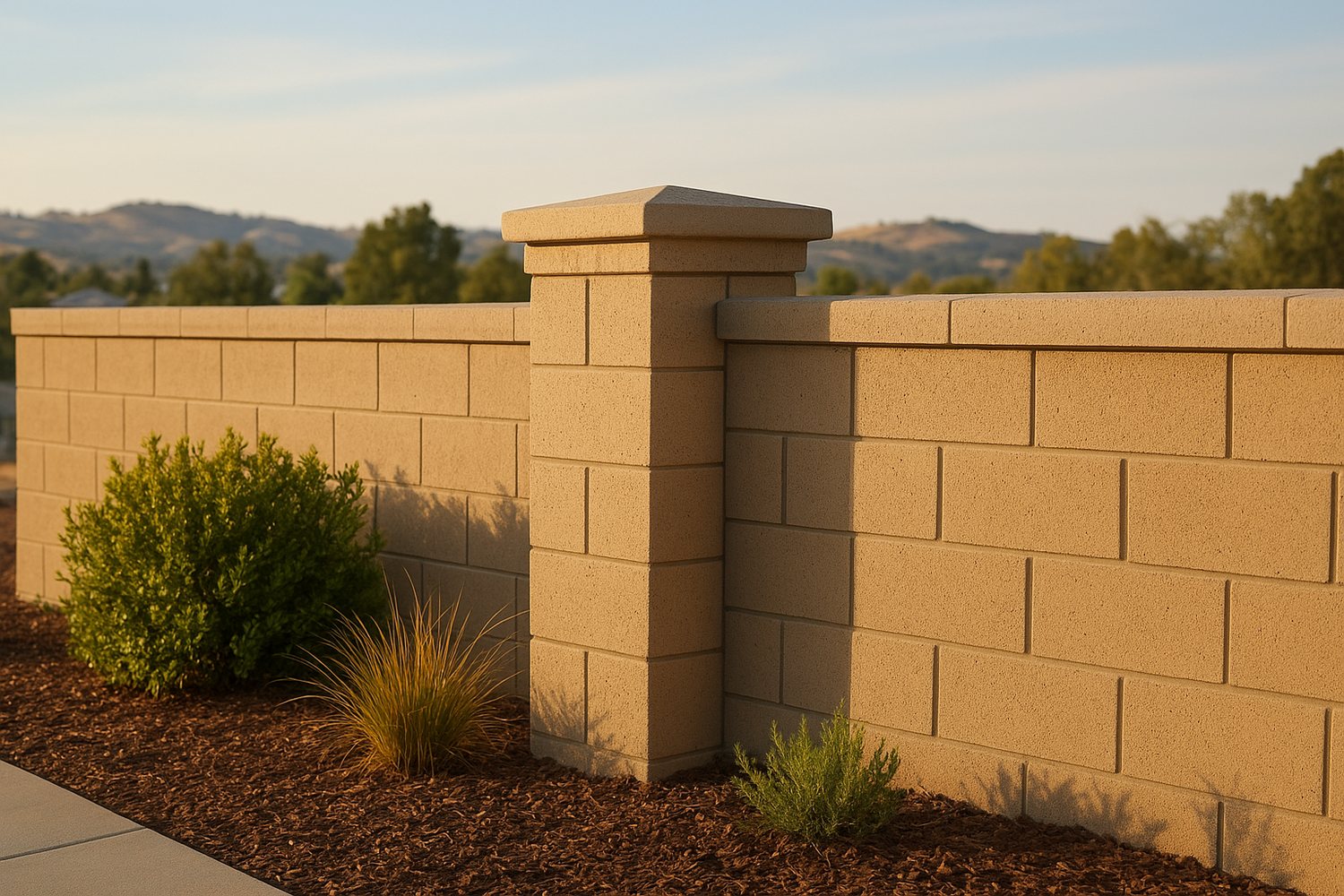
Segmental block retaining walls are a smart, durable way to manage slopes and create flat, usable space. Understanding when your project needs geogrid reinforcement is crucial for a long-lasting result.
Why Reinforcement Matters for Retaining Walls
Gravity alone isn’t always enough to keep a retaining wall in place, especially when you’re dealing with our region’s varied soils and potential for heavy winter rains. For block retaining walls built above a certain height, or holding back significant soil, reinforcement is key for structural integrity.
When the wall experiences extra load—either from soil pressure, nearby driveways, or even patios—it needs help to resist the push. That’s where geogrid, a strong synthetic mesh embedded in the soil behind the wall, comes in. It binds the soil and anchors the wall structure.
In Placer, Sacramento, and El Dorado counties, with our mix of clay, decomposed granite, and sandy soils, ignoring reinforcement can result in bowing, leaning, or total failure of the wall. Proper planning up front is essential for peace of mind and longevity.
For more on how segmental walls work and their benefits, visit ourSegmental block retaining wallspage.
What Is Geogrid and How Does It Work?
Geogrid is a high-strength, synthetic mesh placed in layers behind a retaining wall. Its main job is to lock soil together with the wall, dispersing pressure over a much wider area. That means less strain on the wall blocks themselves.
Layers of geogrid are installed at designated intervals between the wall courses. The material runs from the back of the block wall deep into the soil, creating a stable zone—a bit like roots holding everything in place.
Geogrid technology is critical for taller retaining walls, but it can also make lower walls safer and stronger if they’re supporting driveways, pools, or steep slopes so common across our California neighborhoods.
- Geogrid extends backward into retained soil
- Increases wall stability dramatically
- Required by building codes above certain heights
When Do You Need Geogrid for a Block Retaining Wall?
As a rule of thumb, any segmental block retaining wall over three to four feet in height is likely to require geogrid reinforcement. But height isn’t the only factor. If the wall is supporting a surcharge—extra load from a driveway, patio, or even closely planted trees—you may need geogrid even at lower heights.
Local cities and counties set requirements based on engineering best practices. Rocklin, Roseville, and Folsom each have their own building code thresholds, which your contractor should check before work begins. Always err on the side of safety and long-term value.
It’s not just about height or load. The type of soil, amount of drainage, and proximity to slopes can mean geogrid is needed for a wall as low as two feet in our clay-heavy or steep hillside neighborhoods.
- Check with local code or a professional for your site
- Consider geogrid for any retaining wall over 3 feet
- Plan reinforcement where driveways or pools are nearby
| Factor | No Geogrid | With Geogrid | Impact in Local Soils |
|---|---|---|---|
| Wall Height | Up to 3 ft, rarely safe higher | Up to 10 ft (engineered) | Geogrid needed for 3–4 ft+ |
| Soil Type Challenge | Clay and granite prone to issues | Resists shifting soils | Crucial for clay/decomposed granite |
| Can Withstand Surcharge? | Limited (light landscape only) | Driveways, patios, heavy loads | Required near driveways/pools |
| Lifespan Risk | Prone to movement | Decades with proper design | Longer performance in local soils |
| Repair Cost Risk | High if failure occurs | Lower, preventive solution | Avoids major future repairs |
Soil Types in the Sierra Foothills: What’s Under Your Wall?
Our region spans everything from dense clays and decomposed granite to well-draining sandy loam. Each soil type affects wall design. Clay expands and contracts with moisture; decomposed granite can erode rapidly without good drainage.
Heavy, expansive clay soils (common in Roseville and Granite Bay) exert greater pressure on retaining walls, especially during wet and dry cycles. These sites almost always need geogrid and special drainage.
On sites with sandy soils (sometimes in Auburn, Folsom, or river-adjacent properties), there’s risk of soil movement or undermining unless walls are reinforced and backfilled properly. Understanding your yard’s soil is as important as choosing the wall block itself.
- Clay soils = higher wall pressure
- Decomposed granite needs careful drainage
- Soil test can inform your reinforcement plan
How Geogrid is Installed: Steps and Good Practices
Once excavation and wall base prep are complete, the first block courses are built. At the appropriate height (often after every second or third course), a layer of geogrid is rolled out behind the wall and cut to the required length.
Geogrid must be laid perfectly flat and tensioned, extending straight back into the slope, not just tucked behind the blocks. The next wall courses are stacked, sandwiching the grid in place before backfilling with compacted, free-draining gravel and soil.
Proper installation is key. Uneven, bunched, or sloped geogrid won’t do its job. Each soil type and wall height may require a specific grade and length of geogrid, so following manufacturer and engineering recommendations matters here.
- Install geogrid at intervals specified for wall height
- Use well-compacted gravel as backfill
- Always keep geogrid layers flat and straight
You can always review the full spectrum of materials and techniques at ourRetaining Wallsoverview.
Geogrid vs. No Geogrid: What’s the Real Risk?
Skipping geogrid might save money up front, but the risks are high. A non-reinforced wall can develop cracks, lean forward, or even collapse under heavy moisture or an unexpected load. Fixing a failed wall costs much more than getting it right from the outset.
Adding geogrid gives your block wall staying power, especially in yards with mature landscaping, near hardscapes, or where soil movement is expected. Most problems with segmental block retaining walls in our region come from skipping reinforcement or poor drainage design.
A premium-quality retaining wall should last for decades. Geogrid is often the difference between short-term fixes and long-term solutions—especially where our California soils can shift and settle over the years.
Questions to Ask When Planning Your Retaining Wall
Before committing to a design, talk through reinforcement with your contractor. Make sure you understand the proposed wall height, expected loads, soil conditions, and how geogrid will be used. Clear answers up front make for fewer surprises later.
Ask to see a reinforcement plan or wall detail that shows geogrid placement. If your project needs a permit, expect to provide documentation for city or county review. A premium approach means matching wall design to the realities of your property.
Smart planning protects your investment. Involving an experienced, regionally knowledgeable contractor can help you make the right choices for value and durability.
- Is my wall design based on actual soil tests?
- How many geogrid layers does my wall need?
- How will drainage be handled behind the wall?
Regionally Smart Wall Design: Next Steps
In Rocklin, Roseville, Granite Bay, Folsom, Auburn, and nearby, every yard is a bit different. The right plan considers height, soil, usage, and the extra peace of mind that comes with reinforcement done right.
Working with qualified professionals helps ensure your wall is designed and installed to last. If you have challenging slopes or need to maximize your outdoor space, taking the time to get geogrid and construction details correct is always worthwhile.
Start your planning early and ask plenty of questions. With careful design and mindful reinforcement, your segmental block retaining wall can enhance your landscape and protect your investment for years to come.
If you’re planning a wall or want a professional assessment,request a consultationtoday.
Planning a retaining walls project?
Call or text 916-741-0633, or email sales@californiahardscapes.com with your address, a short description and a few photos, and we will arrange a consultation.