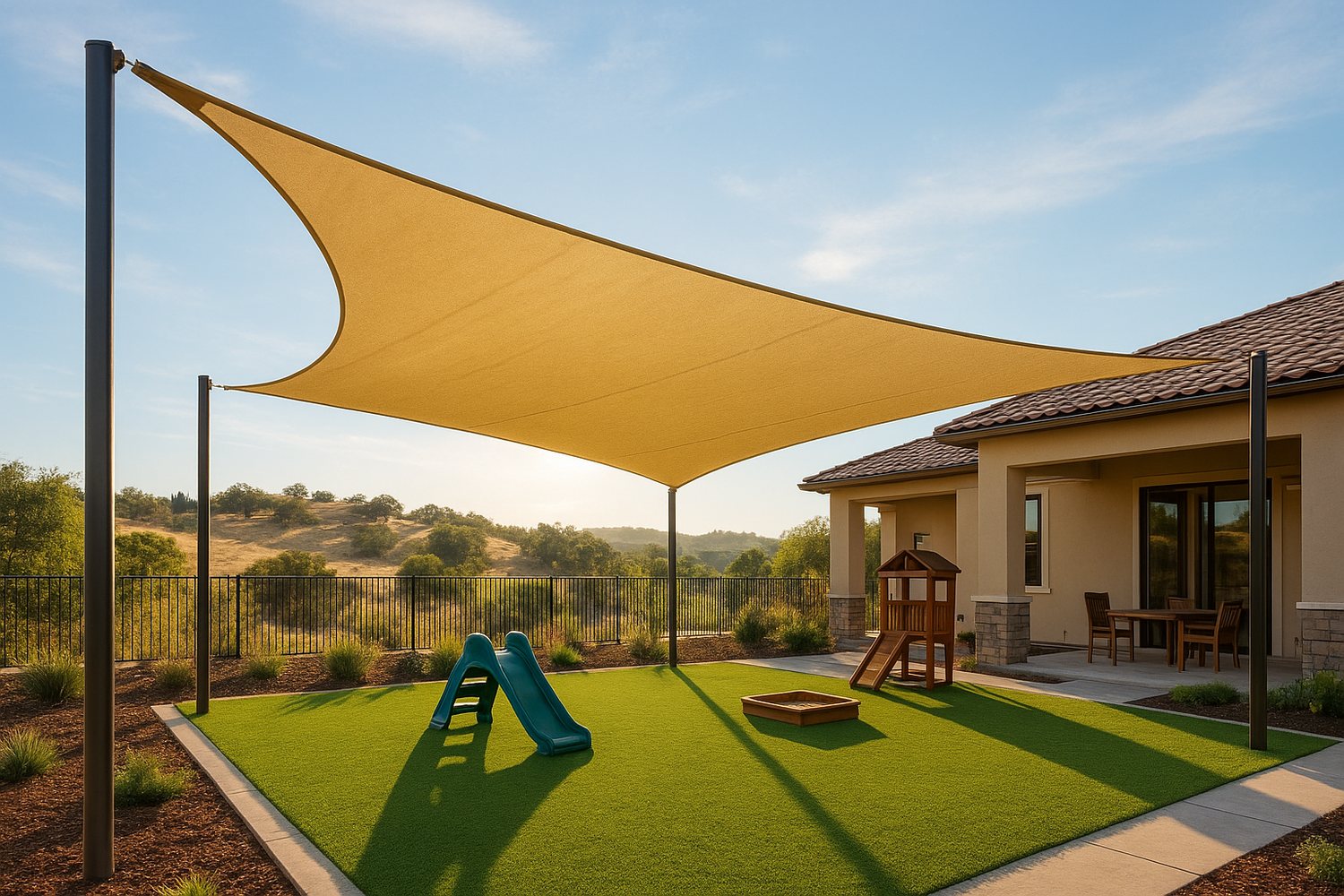
How Shade and Placement Keep Artificial Turf Cooler
Homeowners can enjoy artificial turf more with smart shade, placement, and infill choices. Get practical tips for keeping turf comfortable in the Sacramento region.
Managing heat is a key part of making artificial turf work for your yard. The right combination of shade and smart placement decisions can make a real difference.
Understanding Heat in Artificial Turf
Artificial turf surfaces can get hot—especially in our sunny California climate. This surface heat is mostly from the way infill, turf fibers, and ground underneath absorb and radiate sunlight. For families and pets, hot turf can be uncomfortable or even unsafe on warm days.
Different turf materials and infills react differently to the sun’s rays. Black or dark-colored infills, for example, tend to absorb more heat. Meanwhile, some infill materials are made to reflect sunlight or cool themselves off, reducing surface temperature.
Knowing these factors before you install helps set realistic expectations. Whether you’re planning a play area, a pet run, or a quiet corner to relax, consider heat control early to avoid surprises down the road.
For more about the best infill materials and cooling techniques, visit ourTurf infill and heat controlpage.
Why Shade Matters Most
Shade is the single most effective way to reduce heat on artificial turf. Even a few hours of shade each day can lower turf temperatures by several degrees. That’s important here in Rocklin, Roseville, and surrounding communities where triple-digit summer days are common.
Natural shade comes from established trees or tall shrubs. If planting more trees is not an option, you can add shade structures like pergolas, shade sails, or awnings. The key is to provide coverage during the hottest afternoon hours, generally between 1 p.m. and 5 p.m.
Think about how sunlight tracks across your specific yard. Observe sun patterns at different times of day, and use temporary stakes or strings to visualize shade from both existing and future plants or structures.
- Natural or constructed shade lowers surface temperature
- Target shade during peak heat hours
- Plan shade before finalizing turf placement
Picking the Right Location for Turf
The placement of your turf is just as important as the material itself. South- and west-facing parts of a yard in Placer or Sacramento County tend to get the strongest sun, while eastern or northern exposures feel cooler. Look at the site as a whole, not just the area you want to cover.
Sloped yards or raised beds may receive more direct sun exposure than flatter areas. If possible, install turf in naturally shaded spots or where afternoon shadows fall from fences, walls, or trees. Turf in shadier locations will stay noticeably more comfortable.
Placement also affects maintenance needs. Turf installed under trees will need more cleanup, but if shade makes the area usable in summer heat, the payoff may be worth it.
- West-facing yards heat up fastest
- Flat or low-lying areas tend to stay cooler
- Balance sunlight needs with everyday use
| Cooling Technique | Temperature Impact | Initial Investment | Maintenance | Pros/Cons |
|---|---|---|---|---|
| Natural Shade (Trees) | Highest | Medium-High | Seasonal pruning | Long-lasting, but can take years to mature |
| Shade Structures | High | Medium | Wash/inspect | Instant relief, style flexibility |
| Premium Infill | Moderate | Medium | Minimal | Cools turf, adds comfort, costs more than basic infill |
| Turf Placement (Shady Area) | Moderate to High | Low | Minimal | Limited by yard layout |
| Basic Infill (Sand/Zeolite) | Low-Moderate | Low | Minimal | Affordable but less cooling in direct sun |
Turf Infill Options for Heat Control
Not all turf infills are created equal when it comes to heat. Traditional infills like black crumb rubber get very hot, while alternatives like sand or coated infill materials are made to help cool the surface.
In cooler, coastal areas, heat-control may not be a big concern, but here in Folsom or Auburn, it’s a top consideration. Several specialty infill products use technology or coatings that reflect sunlight, minimizing how much heat the turf absorbs.
Along with infill, turf color can help. Lighter turf shades and natural-looking green blends often stay cooler than deep greens, but the main factor is always what’s underfoot. Choosing the right infill, and pairing it with thoughtful placement, produces the best results.
- Silica sand and coated infills stay cooler
- Avoid dark or black rubber infills in sunny spots
- Ask about infills designed for pet and play areas
Comparing Shade, Placement, and Infill Choices
Every yard and family has different priorities when it comes to artificial turf. Deciding among shade strategies, placement tweaks, and infill types depends on how you plan to use your space in our local climate.
While no single solution fits every yard, weighing these options side-by-side can help clarify your best path. Below is an at-a-glance table comparing cooling techniques for Sacramento area homeowners.
Think about your outdoor goals. For most, blending two or more of these heat-control techniques makes for the most comfortable and enjoyable artificial turf.
Find out more about all availableArtificial Turfoptions on our main solutions hub.
Putting It All Together: An Integrated Approach
Turf comfort isn’t just about the turf itself. Shade, placement, and infill all work better together than in isolation. Layering these techniques—plan for natural shade, pick a cooler spot, and select a specialty infill—often produces the most usable space.
Homeowners in Granite Bay and El Dorado County should consider long-term shade planning during landscape design. Installing a pergola or planting fast-growing trees can extend usable hours on the turf through the hottest months.
Thoughtful planning up front avoids expensive changes later. Each step—shade mapping, site selection, and infill choice—should be considered as a package, not a checklist.
Common Pitfalls and How to Avoid Them
Skipping shade planning is one of the biggest reasons turf gets too hot. Many turf installations happen in the off-season, so it’s tempting to overlook summer conditions—always visualize how the sun will affect your space in July and August.
Choosing the wrong infill can also create heat issues. Look beyond initial price or availability and focus on how well the infill performs in hot, dry summers like ours. Ask for specific information about each infill’s heat retention.
Finally, avoid installing turf in the hottest, most exposed southwest corners if you want all-day comfort. If that’s your only option, it’s worth investing more in shade structures and advanced infill products.
- Don’t ignore sun angles or tree growth over time
- Beware of cost-focused choices on infill
- Address heat issues before the turf goes in
Next Steps for a Cool, Comfortable Turf Yard
With smart choices, artificial turf can be a lasting and comfortable addition to your landscape. Work with professionals who understand our unique regional climate and help you plan for comfort as well as appearance.
Bring your site plan, shade ideas, and turf use goals to your builder or landscape designer. The right questions up front lead to fewer headaches—and more enjoyable summer days—in the years ahead.
California Hardscapes offers practical guidance for integrated outdoor living projects. Talk through your ideas and concerns to find the best combination of placement, shade, and turf infill for your property.
Ready to talk turf for your yard?Request a consultationwith our team for tailored advice.
Planning an artificial turf project?
Call or text 916-741-0633, or email sales@californiahardscapes.com with your address, a short description and a few photos, and we will arrange a consultation.