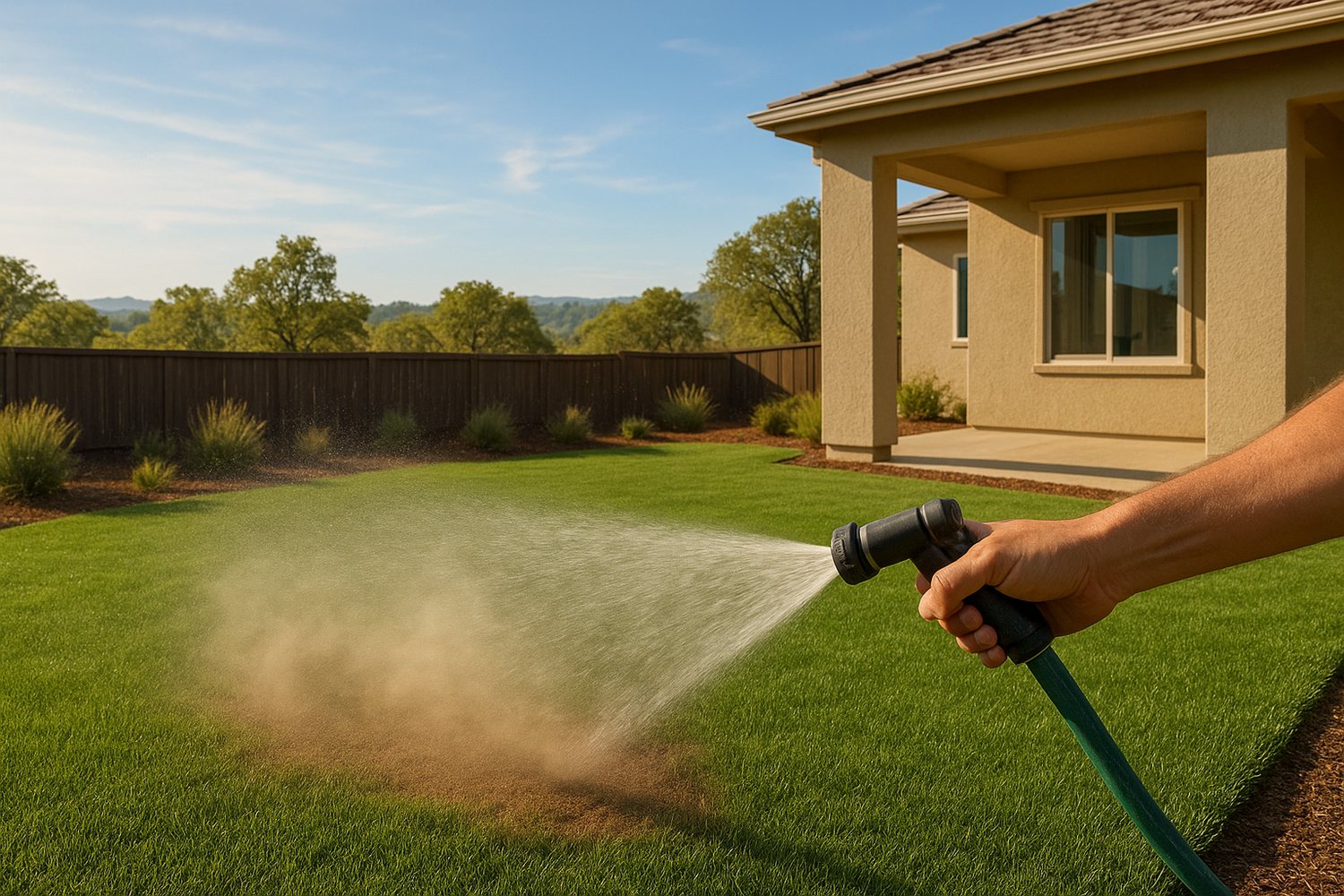
Artificial Turf Lifespan: When to Replace for Top Performance
Understand the real-life lifespan of artificial turf in the Placer and Sacramento area climate and how to know when a replacement is truly needed.
Artificial turf offers homeowners years of low-maintenance beauty, but even the highest-grade lawns have a lifespan. Knowing when to repair or replace is key.
How Long Does Artificial Turf Really Last?
Artificial turf is marketed as durable and convenient, and for good reason—most installations provide 12 to 18 years of service life with basic care. The climate in Placer, Sacramento, and El Dorado counties is generally favorable: mild winters mean less freeze/thaw, and most modern turf is manufactured to handle summer heat without breaking down quickly.
Several factors play into exactly how long your lawn will last. These include the quality of materials, installation method, the amount of daily sun exposure, and how heavy its use is from children, pets, or gatherings. Proper drainage also plays a role in preventing issues like backing breakdown or weed intrusion that can cut turf life short.
Homeowners here in Rocklin, Roseville, Granite Bay, Folsom, Auburn and nearby areas can generally expect their artificial turf to last closer to the upper end of lifespan estimates, provided regular simple maintenance is performed. Knowing what to expect from each phase of your turf’s lifetime helps you plan ahead for timely repair or replacement.
For a full breakdown of routine upkeep and problem-solving, see ourTurf maintenance and repairpage.
What Maintenance Prolongs Turf Life?
Routine upkeep goes a long way in extending the performance and looks of artificial grass. Start with regular brushing using a stiff broom or specialty rake to de-compact infill and keep blades upright, especially in high-traffic areas. Monthly cleaning to remove leaves, dust, or pet debris prevents organic buildup and odors.
Twice a year, inspect seams and infill levels. Reapply infill or top up where needed to maintain resiliency. In shaded areas, check for moss or mildew and rinse with a mild soap solution if necessary. Avoid allowing spills or pet waste to soak in: prompt cleanup keeps bacteria and discoloration at bay.
A few proactive habits can stave off bigger repairs or early replacement. Encourage family and visitors to avoid sharp objects, heavy furniture, or open flames on the lawn. These steps will help you realize the maximum lifespan possible from your investment.
- Brush turf regularly to keep upright.
- Clean debris monthly to avoid buildup.
- Check for seam separation and moss each season.
- Top up infill in frequently used spots.
Spotting Signs of Turf Wear and Damage
Artificial turf that’s due for repair often gives visual and physical cues. Keep an eye out for matting or flattening, especially if fibers no longer recover after brushing. Frayed edges, torn seams, or exposed backing mean it’s time to intervene before spots get worse.
Discoloration or fading is another sign, particularly if patchy or concentrated in sun-exposed zones. Modern fibers resist UV bleaching, but after 10 to 15 years, even the best will start to look tired. For pet owners, persistent odors—even after cleaning—often indicate the infill base might need refreshing or replacement.
Drainage problems—standing water or surface ponding after rain—should never be ignored and might reflect base or infill deterioration. Catching these signals early can let you schedule minor repairs, avoiding the need for an entire replacement sooner than necessary.
- Flattened or matted blades that don’t spring back
- Visible seams, frayed edges, or worn spots
- Persistent odors or patchy color fade
- Pooling water after storms
| Sign | Minor Repair | Full Replacement | DIY Friendly | Requires Pro |
|---|---|---|---|---|
| Flattened blades | Brush or re-infill | Yes | ||
| Seam separation | Reseal or tape | Possibly | Yes | |
| Color fading | Replace turf | Yes | ||
| Pet odor persists | Deep clean or change infill | Replace infill/turf | Yes | Yes |
| Multiple worn spots | Replace turf | Yes |
When Is It Time to Replace the Whole Lawn?
Even well-maintained turf eventually reaches the end of its useful life. A replacement makes sense when repairs are needed in multiple areas, the surface feels rough or loose underfoot, or infill can no longer be renewed. Turf that’s lost most of its original color won’t recover its appearance with cleaning or patching.
For many homeowners in our part of Northern California, replacement is usually driven more by visible wear and comfort than a set age threshold. Beyond 15–18 years, materials are more likely to break down, seams fail, or backing become brittle, compromising both function and safety.
A key consideration: major surface damage after wild weather, pet activity, or changes to irrigation or landscaping may also warrant a full replacement rather than repeated spot repairs. At this point, installing new, upgraded turf may offer better value and lower maintenance going forward.
Planning Ahead: Budgeting for Future Turf Replacement
Just like any major outdoor feature, artificial turf will need scheduled replacement. Factoring in a realistic turf lifespan when budgeting helps you avoid surprises. If your lawn is 10–12 years old and starting to show its age, it’s smart to plan out a timeline for full replacement rather than wait until problems become urgent.
Keep detailed records of installation dates, products used, and any significant repairs or upgrades. This history helps you (and your contractor) assess current condition and forecast when a full lawn refresh will be appropriate. Planning this work for early spring or fall can streamline installation and minimize disruption.
For those considering turf in multiple outdoor spaces—front, back, and side yards—staggering replacement over a few years can make both cost and logistics more manageable. Open discussion with a knowledgeable contractor can provide clarity on timing and priorities.
- Track your turf’s installation and repair records.
- Schedule major projects for mild-weather months.
- Plan phased replacements for multi-area lawns.
If you’re weighing turf options or materials, visit ourArtificial Turf overviewfor details.
Local Factors Affecting Turf Longevity
Our region’s summer heat, water restrictions, and occasional wildfire smoke can affect artificial turf lifespans differently than other climates. Prolonged high temperatures can dry out infill and fade colors faster, while ash deposits or debris from wildfires may require extra seasonal cleaning.
Turf near oak, pine, or eucalyptus trees will need more frequent leaf and sap removal. Shaded lawns tend to harbor more mildew or moss, calling for more active rinsing. Areas with heavy dog activity should have infill topped up and deodorized more regularly to avoid persistent issues.
Discuss your yard’s sun exposure, tree cover, and family needs with your turf professional. The right blend of material choice and maintenance habits will optimize appearance and usability for years longer than “generic” guidelines might suggest.
Repair or Replace? Making the Call
Not every issue calls for total turf replacement. Small tears, minor seams, or melt spots can often be repaired cost-effectively. However, widespread problems—multiple tripping hazards, severe odor retention, or overall matting—may signal that a full refresh is the wise investment.
If your turf is approaching or past the 12-year mark and maintenance isn’t restoring its appearance, a professional inspection can help clarify your options. You may benefit from a straightforward surface patch in some cases or strategic infill replacement in others.
Working with an experienced team ensures honest guidance: a careful eye on both aesthetics and underlying structure. This approach yields a solution that preserves curb appeal and minimizes headaches for homeowners in our local area.
- Isolated seams or burns: repairable
- Multiple worn patches: consider replacement
- Chronic pet odor or drainage issues: usually require deeper intervention
Getting Expert Help for Peace of Mind
Navigating the decision to repair or replace artificial turf can feel daunting, especially if you’re not sure what issues to prioritize. Consulting a local professional who understands the unique needs of the Placer, Sacramento, and El Dorado County climate will save you time and future expense.
Reputable teams assess not only the turf surface but also the underlying infill and drainage system. With a site visit, they can help create a proactive game plan—whether it’s for a quick-fix repair or a full premium replacement.
Above all, working with a company rooted in the area means you get tailored advice, not just general tips. That means results that last and a lawn you can enjoy every season—without the guesswork.
Interested in a quick on-site assessment?Request a consultationand our team will follow up promptly.
Planning an artificial turf project?
Call or text 916-741-0633, or email sales@californiahardscapes.com with your address, a short description and a few photos, and we will arrange a consultation.