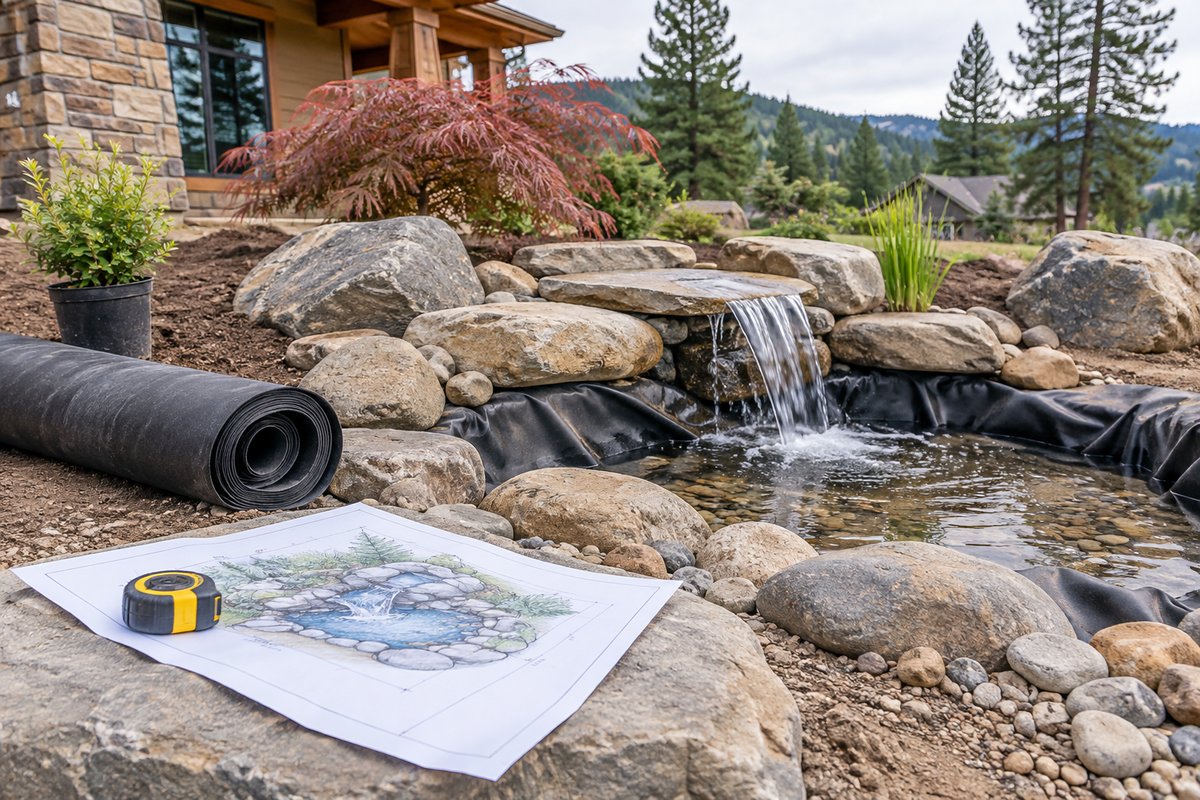
Water Feature Planning in Sheridan: A Practical Homeowner’s Guide
Considering a water feature at your Sheridan property? This guide covers permits, HOA approvals, soils, drainage, weather, and practical planning steps.
First Steps: Permits, HOA and Local Approvals
Before starting any water feature project in Sheridan, understanding the local permitting landscape is essential. Many outdoor improvements—especially those involving plumbing, electrical connections, or significant grading—require city review or approval. If you live in a planned development or HOA-regulated neighborhood, architectural guidelines are especially important. Project scope, local codes, and neighborhood rules all play a part in determining what’s allowed and what the process will require. For city rules and to confirm which improvements demand a permit or special inspection, check with the appropriate local office directly. HOA submittal processes often require details about design, materials, and utility runs. Clarifying these early helps avoid surprises later.
When it comes to outdoor power needs—like pumps and lighting for a garden fountain or fire and water feature—it’s worth reviewing what’s possible on your lot. Planning electrical updates may involve your utility company as well. Pacific Gas & Electric Company serves Sheridan, and their guidance for new connections or upgrades can be found here. Their site provides valuable resources for homeowners planning outdoor work involving electricity.
Taking time to clarify regulations and HOA requirements before you design not only smooths the process, but also ensures your investment fits seamlessly with neighborhood standards and local expectations. It’s a foundational step for any successful water feature project in Sheridan.
Utility Safety: Calling 811 Before You Dig
Every water feature—be it a bubbler fountain, pondless waterfall, or reflecting pool—starts with a hole in the ground. Sheridan’s underground utilities can include power, water, natural gas, and telecommunication lines. Striking one not only endangers safety, it can halt your project entirely. That’s why every homeowner should call 811 before any digging or grading. The 811 service dispatches utility companies to mark lines, helping you avoid accidents and costly repairs.
This step is equally important for both new projects and upgrades to existing landscaping. Not all utility lines are buried at the same depth, and newer installations may cross older ones. Mapping out these lines protects everyone on the project, and ensures that critical services remain uninterrupted. Respecting utility locations helps maintain peace with neighbors—and with your local utility providers.
From a planning standpoint, it’s wise to coordinate the utility marking process as soon as your design footprint is finalized. That way, there’s no risk of having to make last-minute changes or reroute work midway through construction. This simple precaution is a foundation for responsible, professional water feature installation in Sheridan.
Soil, Slope, and Drainage: Ground Truth in Sheridan
Sheridan sits atop soils that are often clay-heavy with areas of decomposed granite. These factors directly impact water feature performance, especially for installations such as koi ponds or garden streams. Clay retains water and swells, while granite drains rapidly—each requires a tailored approach. Assessing your property’s precise soil type, as well as how water moves across and through the yard after rain, is critical in the planning phase.
Proper grading is essential to prevent pooling near patios, walkways, or the home foundation. In sloping backyards, terraces and retaining walls may be advisable to anchor larger water features securely in place. Understanding and planning for these conditions ensures that water features not only look great, but also remain structurally sound and easy to maintain through both wet and dry seasons.
As part of initial site review, experienced contractors may suggest soil amendments, liner upgrades, or subdrain systems to balance Sheridan’s mixed soil profile. Clear drainage planning protects your investment and surrounding landscape for years to come.
Design Planning: Choosing Water Features Suited for Sheridan
With the technical groundwork covered, you’re free to explore which water features best fit your site and Sheridan’s climate. Multiple options allow homeowners to customize both look and function—whether the preference is for the sound of a garden fountain, the movement of a pondless waterfall, or the tranquility of a reflecting pool. For sloped sites, garden streams or tiered waterfall systems work especially well, using gravity for visual interest while controlling flows.
Water-wise design is always encouraged in warm, dry summers. Look for fountains or bubblers with recirculating systems and incorporate native or low-water plantings. Bubbling urns and fire and water features require minimal water but offer maximum impact. For expansive sunny patios or courtyards, consider reflective basins that double as contemporary art and cooling agents.
Experienced professionals can help guide not just feature placement, but full integration with patios, walls, and plantings. Every site in Sheridan brings unique opportunities—and choosing the right elements for yours is the key to lasting satisfaction.
Climate Matters: Summer Heat and Winter Rain
Sheridan’s Mediterranean climate means hot, dry summers and cool, sometimes wet winters. Selecting water features built to withstand these swings is vital. Ponds, streams, and fountains should feature sealed liners or durable concrete components for longevity. In summer, water features may need regular topping off to compensate for evaporation during stretches of triple-digit heat. Incorporating shade structures, native plants, or automatic fill valves can make a difference.
Winter rains can challenge drainage systems and overflow weirs. Sizing these properly in design—and allowing clean overflow routes away from structures and patios—means less maintenance and fewer worries. Products like pondless waterfalls are ideal for those seeking the sound of running water without a standing pond, reducing mosquito risk during rainier months.
Regional climate data can refine your choices. For forecasts, rainfall totals, and heat advisories, the National Weather Service’s Hanford office provides up-to-date info for the area; see Sheridan forecasts directly here. Using these resources helps anticipate seasonal maintenance needs and ensure your feature is ready for all conditions.
Power, Lighting, and Pumps: Planning for Reliable Operation
Nearly every water feature—whether it’s a koi pond, fire and water feature, or Reflecting pool—depends on reliable power. Pumps, lights, and automation hardware all require careful planning alongside utility safety. Review your home’s current supply and consult PG&E’s guidance for homeowners before committing to any electrical additions or modifications.
Many homeowners choose LED landscape lighting, programmable timers, and energy-efficient pumps to keep operations low-maintenance and efficient. Place weatherproof GFCI outlets in accessible locations, and ensure that any outdoor wiring is rated for exposure. Plan for maintenance over the life of your water feature: accessible valves, easy-to-reach skimmers, and remote shut-offs are all helpful upgrades.
For more complex water features—such as those with integrated fountains, stream beds, or multiple lighting circuits—it’s advisable to have all plans reviewed by qualified electrical contractors. Careful planning now ensures year-round enjoyment for years to come.
Project Timing: When to Schedule Your Water Feature Work
Sheridan’s climate offers a broad window for landscape construction, but weather and site conditions still shape the ideal schedule. Spring through early summer is generally the prime time for starting new water feature work. The soil is workable, rain is less frequent, and you’ll have your project ready to enjoy through the warm season. Late summer and early fall can also be excellent, depending on the level of site grading and hardscape integration required.
Plan well in advance if your project includes elements like large retaining walls, significant regrading, or new power connections, as these steps sometimes require permits and more complex coordination. Scheduling utility markings, permit checks, and HOA requests early helps prevent slowdowns. For projects that need to avoid winter rain or a high water table, allow enough time for the landscape to settle before rainy season arrives.
Ultimately, flexible, well-communicated schedules are best. Many factors—from material lead times to weather delays—can influence target completion dates. Upfront, open communication with your chosen contractor can help manage expectations and ensure a smooth process.
Ongoing Maintenance: Longevity from Day One
Even the most thoughtfully designed water feature needs routine upkeep. Sheridan’s climate, combined with local plants, wind, and soil, means occasional cleaning, pump maintenance, and seasonal adjustments are needed. Choosing durable materials and proper filtration systems at the planning stage minimizes future workload.
For those interested in lower-maintenance options, pondless waterfalls and bubbling urns are ideal. They eliminate standing water and require less attention than traditional ponds. Adding skimmer baskets and automated fill systems can keep water flows smooth and protect expensive pumps from debris.
During prime pollen and leaf-drop seasons, extra attention is often needed. Plan for easy access around filters, pumps, and liners from the outset to keep maintenance simple and stress-free. Regular maintenance—scheduled and preventive—extends the life and beauty of your investment through every season in Sheridan.
FAQ: Sheridan Water Feature Planning
Do I need a permit for a water feature on my property?
Some projects may require city permits, especially if plumbing, electrical, or significant grading is involved. Requirements will vary, so check with the local office responsible for permits before starting any work.
How do I check for underground utilities before digging in Sheridan?
Call 811 before any digging or excavation. Utility companies will mark underground lines on your property, helping you avoid hazards and project delays.
What water feature options work well in Sheridan’s climate?
Pondless waterfalls, bubbling urns, and recirculating fountains are popular because they handle the summer heat well and require less water. Reflecting pools and koi ponds are also options when built with careful attention to drainage and maintenance needs.
Ready to move from ideas to planning? Request a consultation with California Hardscapes for expert advice on quality water features, built with pride and finished with excellence.
- Local electricity service: Pacific Gas & Electric Company
- Regional weather and climate: National Weather Service Hanford
Planning a project in Sheridan, CA?
Call or text 916-741-0633, or email sales@californiahardscapes.com with your address, a short description and a few photos, and we will arrange a consultation.