Choosing Flagstone Colors for Foothill Patios
Learn how to pick flagstone and natural stone patio colors that harmonize with the unique colors and character of foothill homes and landscapes.
Selecting natural stone colors for patios is more than a style choice—it’s about creating harmony with your home and landscape. Here’s a practical take, tailored for foothill communities.
Why Stone Color Matters for Your Foothill Patio
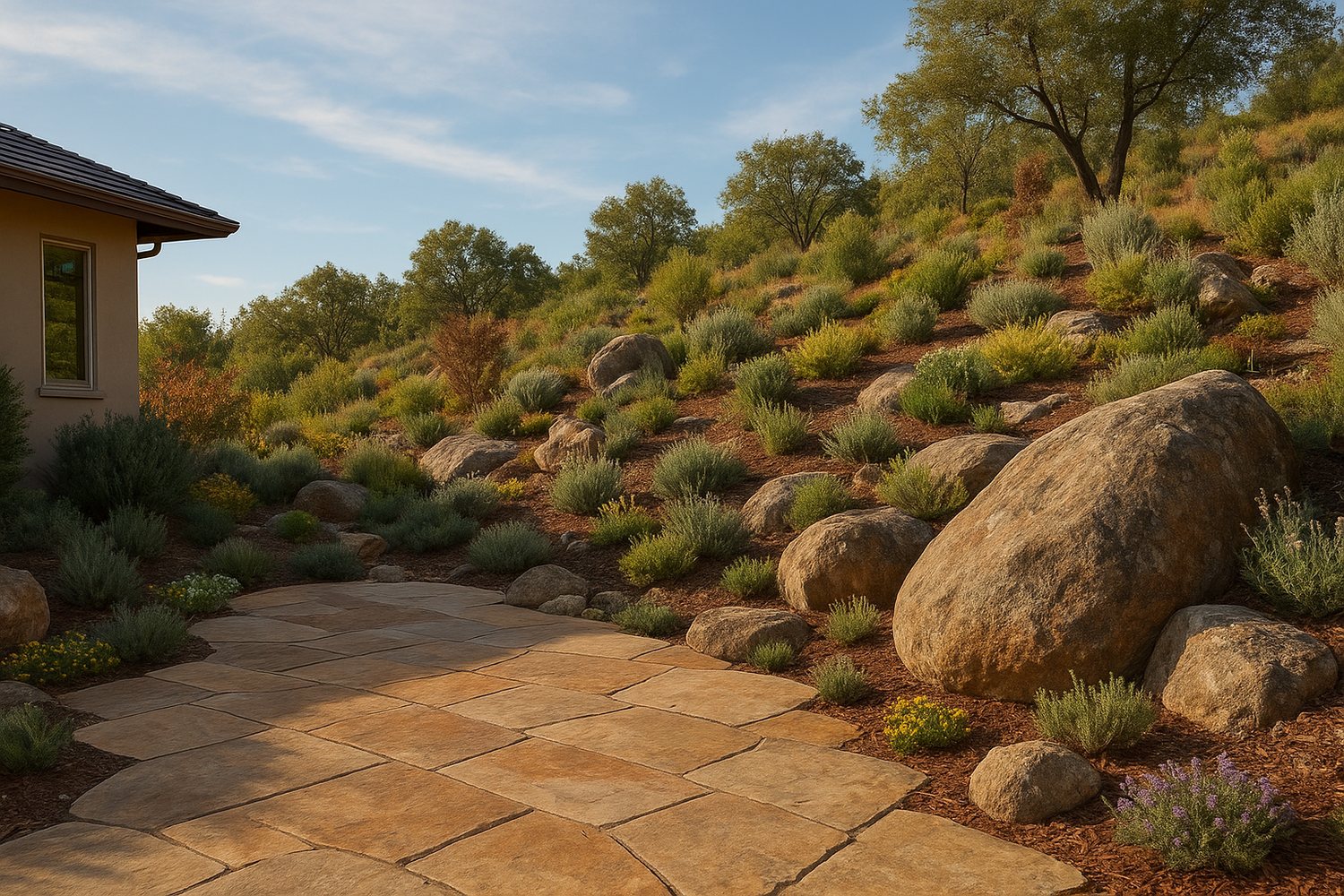
Flagstone and natural stone patios offer durability and timeless beauty, but color is the detail that truly sets the tone for your space. In our region—Rocklin, Roseville, Granite Bay, Folsom, Auburn, and beyond—the foothill landscape features a palette of gold-tinted earth, oak greens, and rustic gray stones that influence how stone patios fit in.
A well-chosen stone color will look right at home among local boulders, native oaks, or chaparral. By echoing the hues found around you, your patio can appear as a natural extension of your landscape, rather than a stark contrast. This is true for homes nestled in oak woodlands or those perched on golden hillsides.
On the flip side, the wrong color choice may feel out of place. Too dark and it can absorb the summer heat; too light and it might glare in the afternoon sun. Thoughtful selection is about more than appearance—it’s also about comfort, longevity, and connection to place.
For more color ideas, browse ourFlagstone and natural stone patiospage.
Matching Stone to Your Home’s Architecture
The palette and design of your home matter when choosing a patio stone. Classic ranch homes may call for sun-washed sandstone or warmer browns, while new builds with stucco or modern lines can look stunning with cool slate or charcoal flagstone. Mediterranean and farmhouse styles often blend beautifully with mixed earth tones or variegated stones.
If your facade is painted or sided in shades of white, tan, or gray, complementary stones may soften the transition. On the other hand, if your house is bold in color, consider a more neutral patio stone to keep things balanced. And don’t forget roof color—those earthy tile or shingle tones should factor into your choices.
Think about transitions, too: walkways, steps, and retaining walls can all echo the main patio surface, creating a cohesive outdoor space. This attention to detail elevates your curb appeal and the everyday experience for your family and guests.
- Assess your home’s existing colors and textures
- Consider both roof and siding hues
- Seek harmony, not strict matching
Regional Stone Choices: What Works in Placer & El Dorado
Not all flagstone or natural stone is created equal—especially when it comes to color. Local materials like Sierra granite, gold quartzite, and slate flagstone often blend best with the terrain and character of the foothills. Imported stones can work but may need extra thought to harmonize with local scenery.
Warm golds and light grays are commonly chosen for their resemblance to the granitic rocks and decomposed granite soils nearby. For cool modern looks, darker bluestones or charcoal-gray flagstones are available, but using them sparingly avoids creating overly stark contrasts.
It’s smart to view stone samples in natural daylight at your home, not just in a showroom. Natural lighting brings out different undertones than indoor light, and you’ll want to see how the color interacts with your soil, plants, and home finish during different times of day.
- Sierra granite and gold quartzite for harmony
- Charcoal or bluestone for modern accents
- Always check samples outdoors at your site
| Stone Type | Color Range | Best For | Regional Compatibility |
|---|---|---|---|
| Sierra Granite | Gray, Light Tan | Naturalistic Patios | Excellent |
| Gold Quartzite | Gold to Beige | Warm, Sunny Looks | Excellent |
| Slate Flagstone | Blue, Charcoal, Rust | Modern Accents | Good with Careful Use |
| Sandstone | Buff, Pink, Red | Traditional Homes | Fair—Check Against Local Tones |
| Imported Bluestone | Dark Gray, Blue-Gray | Contemporary | Use Sparingly |
Balancing Color with Texture and Pattern
Color is just one aspect; stone texture and pattern play a big role in how the final patio reads. Rougher flagstone surfaces diffuse light and can appear less bright, making lighter shades more forgiving in full sun. Smoother, more uniform surfaces may show water spots or reflect more glare.
Irregular flagstone layouts—where each stone is unique—bring a rustic, organic feel and work especially well in native or woodland settings. More geometric or cut stone patterns can make a space feel crisp and formal: a fit for contemporary homes or structured landscape plans.
Mixing textures and colors carefully can elevate the overall effect. For example, using a border of contrasting stone can define a space, while subtle color variations within the main field keep things visually interesting but natural.
- Rough stone minimizes glare and blends into natural settings
- Geometric layouts suit formal or modern aesthetics
- Border accents add interest and definition
Understanding the Practical Side of Stone Colors
Beyond design, your stone color choice has day-to-day implications for comfort and maintenance. Lighter colors reflect more sunlight, helping patios stay cooler during hot foothill summers—an advantage for barefoot comfort and for pets. However, very light stones may reveal dirt, pollen, or leaf stains more readily.
Darker stones can hide some soil and organic matter, but they tend to absorb heat, which might not be ideal for sunny, south-facing patios. Medium tones (such as tan, gold, or mid-gray) often strike a practical balance—they weather gracefully and are easier to keep looking fresh.
Surface finish can also affect slip-resistance, especially in areas with irrigation overspray or morning dew. Textured finishes are safer, while smooth stones can become slick when wet. Discuss finish options with your installer for the right fit.
- Light stones: cooler, may show stains
- Dark stones: warmer, can hide dirt
- Medium tones: practical compromise
Explore all our design solutions on theHardscapes & Patiosoverview.
Mix-and-Match: Combining Stone Colors Thoughtfully
A single stone color isn’t your only option. Many successful patios combine two or more tones for a natural, layered effect—think of oak leaves on granite, or golden hills dotted with boulders. Mixing stones with similar undertones can create a look that feels both dynamic and cohesive.
Borders, inlays, or stepping stone paths provide natural places to introduce a secondary or accent color. These touches can echo other features in your landscape—such as a retaining wall, fire pit, or the trim of your house—without overwhelming the main area.
Before committing to a mix, lay out sample stones side by side in your yard and view them over several days as light and shadows change. This real-world test will help ensure your chosen colors stay pleasing through all seasons.
- Mix close-toned stones for subtle contrast
- Use borders for functional color pops
- Test combinations in natural conditions
Real-World Design Techniques for Foothill Yards
Start by collecting inspiration from local scenery: look at hiking trails, parks, and even neighborhood patios for ideas. Notice which stones blend seamlessly and which stand out. This can help you refine your own color preferences.
Consulting with an experienced local professional is invaluable. Designers and installers familiar with foothill conditions can point out nuances you might miss, from drainage considerations to how certain stones handle seasonal temperature swings or wildland pollen.
Don’t forget to design for growth. Plan for surrounding plants and trees to mature, which will change the light, mood, and color dynamics of your patio over time. Choosing adaptable tones will keep things harmonious as your yard evolves.
- Draw color inspiration from local trails and landscapes
- Seek input from professionals who know the area
- Plan for future shade and plant growth
Turning Design Ideas into Lasting Outdoor Spaces
With the right natural stone colors and textures, your patio will become a true partner to your home and landscape. Invest the time to test samples outdoors and picture how the space will feel throughout the year, not just at installation.
Work with a reputable team that understands the region—from choosing the right hardscape materials to the finishing touches that pull everything together. Real expertise means guiding you through options and practical considerations without pressure or sales tactics.
California Hardscapes, managed by Marty with over 30 years in the regional industry, brings hands-on experience in site-specific design and installation. Whether your project is large or small, thoughtful color selection is where it all starts—and pays off for years to come.
Ready to discuss your project?Request a consultationwith California Hardscapes today.
Planning a hardscapes & patios project?
Call or text 916-741-0633, or email sales@californiahardscapes.com with your address, a short description and a few photos, and we will arrange a consultation.