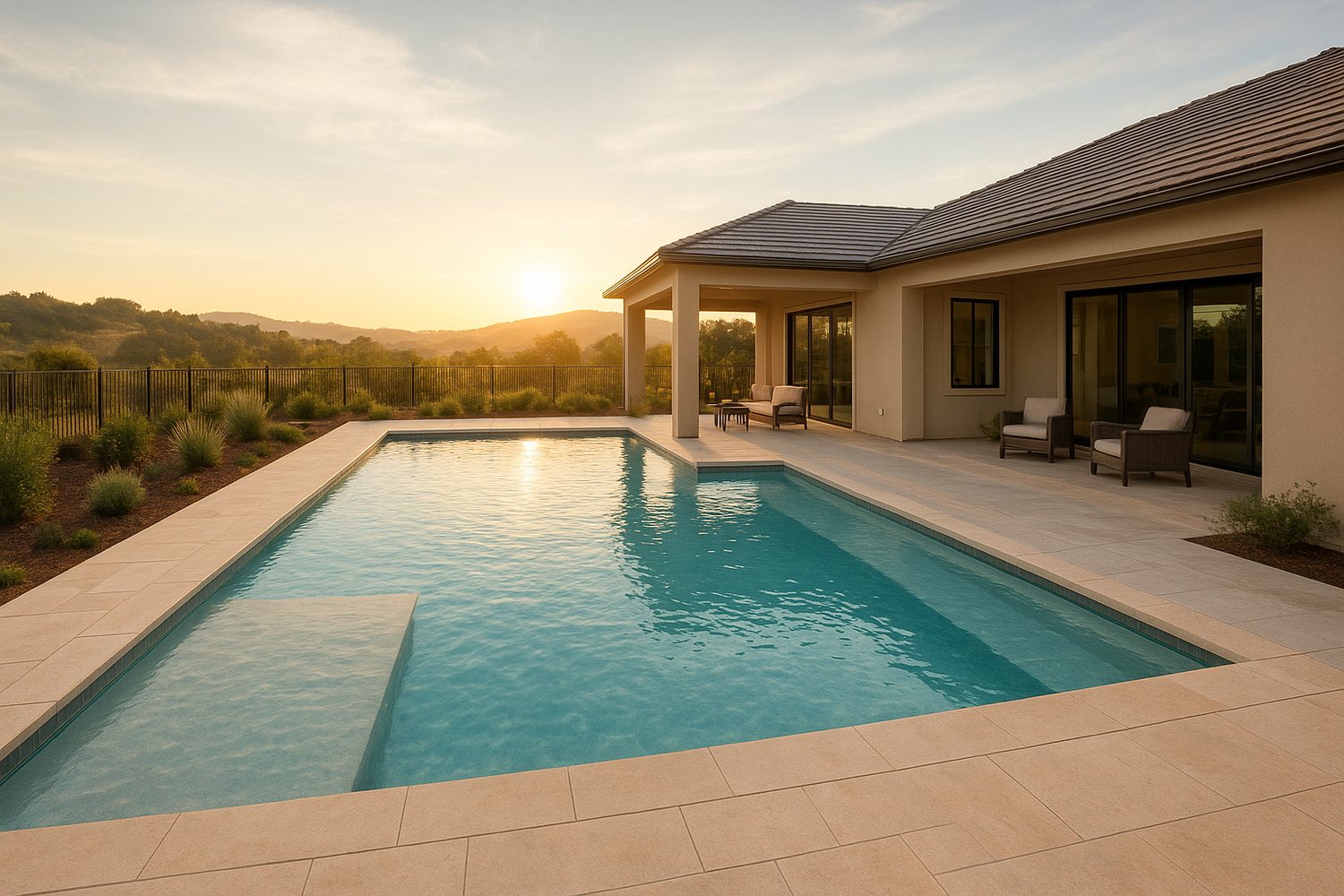
Saltwater Pool Care: Protecting Stone, Tile and Metal Finishes
Saltwater pools offer luxury and ease, but their chemistry can impact stonework, tile, and metals. Understand regional challenges and practical care tips.
Saltwater pools are prized for lower chlorine and comfort, but their salt content changes how you care for stone, tile, and metal features. Learn how to keep your poolside surfaces lasting and beautiful.
Saltwater Pools: Benefits and Care Challenges
Saltwater pools are popular with homeowners in Placer and Sacramento counties for their gentler feel and cleaner look. Instead of adding large amounts of chlorine, a saltwater system generates it as needed. This means fewer harsh chemicals and less odor, making swimming more pleasant for families.
However, saltwater can be tough on the materials surrounding your pool. The dissolved salt is mild compared to ocean water, but over time it can accumulate on surfaces and react with certain types of stone, tile and metal. This requires a different maintenance approach than traditional pools—especially with premium finishes common in Granite Bay and Folsom homes.
It’s important to understand where potential problems happen, so you can act before damage sets in. With the right care practices focused on the realities of Northern California’s climate and water, your stone, tile and metal can remain pristine for years.
- Salt acts slowly but steadily on porous surfaces
- Certain finishes are more vulnerable than others
- Regular rinsing and cleaning is essential
Explore more about saltwater pool features and finishes on ourSaltwater poolspage.
Stone Decks and Coping: Guarding Against Salt Damage
Natural stone—travertine, limestone, flagstone—adds timeless beauty, but these materials are porous and absorb moisture (and salt). Over time, salt can get trapped, causing discoloration, pitting, or flaking, especially during hot, dry Rocklin summers and rainy winters. The mineral buildup may become visible as white residue (efflorescence) or lead to surface deterioration.
To protect stone, sealing is a must. Choose high-quality, breathable sealers designed for pool areas. These need reapplication every one to two years, especially with saltwater pools. Look for products that don’t trap moisture, which can worsen freeze-thaw damage in the foothills near Auburn.
Simple measures help, too: rinse decks and coping weekly with freshwater, especially after splash-heavy pool days. Invest a few extra minutes to direct irrigation away from pool edges, helping prevent pooling or salt-laden runoff.
- Seal stone every 1-2 years
- Rinse stonework regularly
- Sweep debris to reduce surface abrasion
Tile Selection and Routine Cleaning Techniques
Ceramic and glass tile are common choices at the waterline and around spas. While considered durable, grout lines and porous tile faces can still accumulate salt, calcium, and dirt. The warm, sunny conditions across Roseville, Folsom, and surrounding areas can speed up these deposits, resulting in hazy bands or hard-to-remove stains along the waterline.
Gentle, regular cleaning is the key. Use a soft brush or a pool tile cleaning block to scrub tiles weekly, and rinse with clean water. Avoid harsh acids—they may etch the finish or damage grout. Commercial pool tile cleaners made for saltwater systems can help dissolve residue safely.
Consider epoxy grout for new pool builds; it’s more resistant to salt and stains than traditional cement grout. For existing pools, inspect grout yearly for cracks or decay and re-grout if needed, prioritizing areas exposed to direct sun or heavy splashing.
- Clean tile weekly with soft tools
- Use epoxy grout for longer-lasting results
- Inspect grout for cracks and repair promptly
Caring for Metals: Preventing Corrosion and Stains
Metal features—such as handrails, pool light rings, and decorative elements—can show corrosion from salt exposure, even with marine-grade stainless steel or powder coatings. Saltwater acts as an electrolyte, making metals more prone to rusting and pitting.
To keep metalwork looking sharp, rinse rails and features with fresh water regularly, especially after pool use. Clean any buildup with a non-abrasive sponge and a mild detergent. For persistent spots, use a cleaner formulated for stainless steel, avoiding anything chlorine-based or highly acidic.
If you’re adding new metal features, consult your pool builder about the best grades or finishes for saltwater pools. In some cases, brass or bronze details may age better than regular steel. Don’t hesitate to add sacrificial anodes for extra protection; these harmlessly absorb corrosion before it affects visible hardware.
- Rinse metal after each pool use
- Avoid harsh chemicals and abrasives
- Install sacrificial anodes for added protection
Water Chemistry: The Foundation of Long-Lasting Materials
Consistent water chemistry isn’t just about swimmer comfort. Unbalanced pH, alkalinity, calcium, or salt levels can magnify damage to stone, tile, and metal. High calcium can lead to scaling; low calcium or pH can etch plaster or corrode metals, especially in variable seasonal weather.
Test water weekly, and after heavy rainfall or top-offs. Many Rocklin area pool owners find it worth the investment to use digital testers or drop-off professional water analysis. Adjust pH, alkalinity, and calcium hardness as recommended for saltwater pools—levels that are perfect for chlorine systems might need tweaking for salt-chlorine generators.
Salt levels themselves should be monitored: too little reduces sanitation, too much increases risk for all your pool’s finishes. Follow your equipment manufacturer’s guidance for proper ranges, ideally reviewed at each pool opening and mid-season.
- Test water weekly, and after storms
- Balance pH, alkalinity, calcium, and salt
- Use a professional test when in doubt
| Material Type | Salt Resistance | Maintenance Needs | Best Use Case |
|---|---|---|---|
| Porcelain Tile | Excellent | Low—routine cleaning | Waterlines, spas |
| Glass Tile | Excellent | Low—easy to clean | Decorative bands, accents |
| Natural Stone (sealed) | Good | Moderate—reseal yearly | Decks, coping |
| Concrete Pavers | Fair | Moderate—reapply sealer | Decks, patios |
| Regular Grout | Poor | High—frequent repairs | Older pools, grout lines |
| Epoxy Grout | Excellent | Low—resistant to salt | New builds, large tile |
Looking for other design options? Visit our overview of allCustom Poolsto compare styles and materials.
Comparing Surface Types: Which Hold Up Best?
Choosing the right surfacing for your saltwater pool and surrounds can save on long-term maintenance. Each material reacts differently to salt exposure, water chemistry, and Sun Belt weather. Some—like glass tile or porcelain—excel in resistance, while softer stones or standard grout need more care and frequent sealing.
Budget, appearance, and durability all play a role in material choice. If hands-off care is important, opt for less-porous surfaces or those with specialty sealers. Consult with your pool builder, weighing the tradeoffs of initial cost versus future upkeep, especially considering summer heat and winter rains common in the region.
Below is a comparison of popular poolside surface choices, focusing on saltwater compatibility and maintenance needs:
Maintenance Plan: Keeping Your Saltwater Pool Pristine
Set up a seasonal maintenance plan to stretch the lifespan of your pool finishes. Break tasks into manageable pieces: a quick weekly check on rinsing stone and metal, monthly reviews of grout and sealers, and a full system tune-up every spring and fall. Document any issues like early staining or water chemistry swings.
In the hot Sacramento Valley, evaporation can raise salt and mineral concentration in late summer—be mindful during drought or heat spells. Conversely, winter rains can wash salt out or push up groundwater, sometimes lifting coping or tile. Adjust your maintenance frequency as the weather changes.
If you spot any surface wear or want advice about materials, consider reaching out to a knowledgeable outdoor builder. Bringing in a specialist for annual checkups or help with resealing can save on costlier repairs down the line.
- Set reminders for sealant application
- Increase rinsing in hot or dry periods
- Consult pros for major repairs or upgrades
Practical Advice for Placer County Pool Owners
Saltwater pools fit perfectly with the outdoor lifestyle in Rocklin, Roseville, Granite Bay, Folsom, and Auburn. But local climate, water supplies, and landscaping trends require specific care strategies to keep stone, tile, and metal in top shape.
Rely on experienced professionals when selecting new materials or planning repairs. They’ll understand which sealants and cleaning routines actually work for local stone and the unique mix of heat, sun, and rain this region sees. Always ask about maintenance implications for your choices.
Remember: keeping a saltwater pool looking its best isn’t hard if you work with the right information and invest a little routine attention. For tailored advice—and expertly managed pool projects—there’s help close to home.
- Check with local experts for best-fit products
- Factor in regional weather for care schedules
- Ask about upgrades to simplify maintenance
Ready to plan your perfect pool area?Request a consultationwith California Hardscapes today.
Planning a custom pools project?
Call or text 916-741-0633, or email sales@californiahardscapes.com with your address, a short description and a few photos, and we will arrange a consultation.