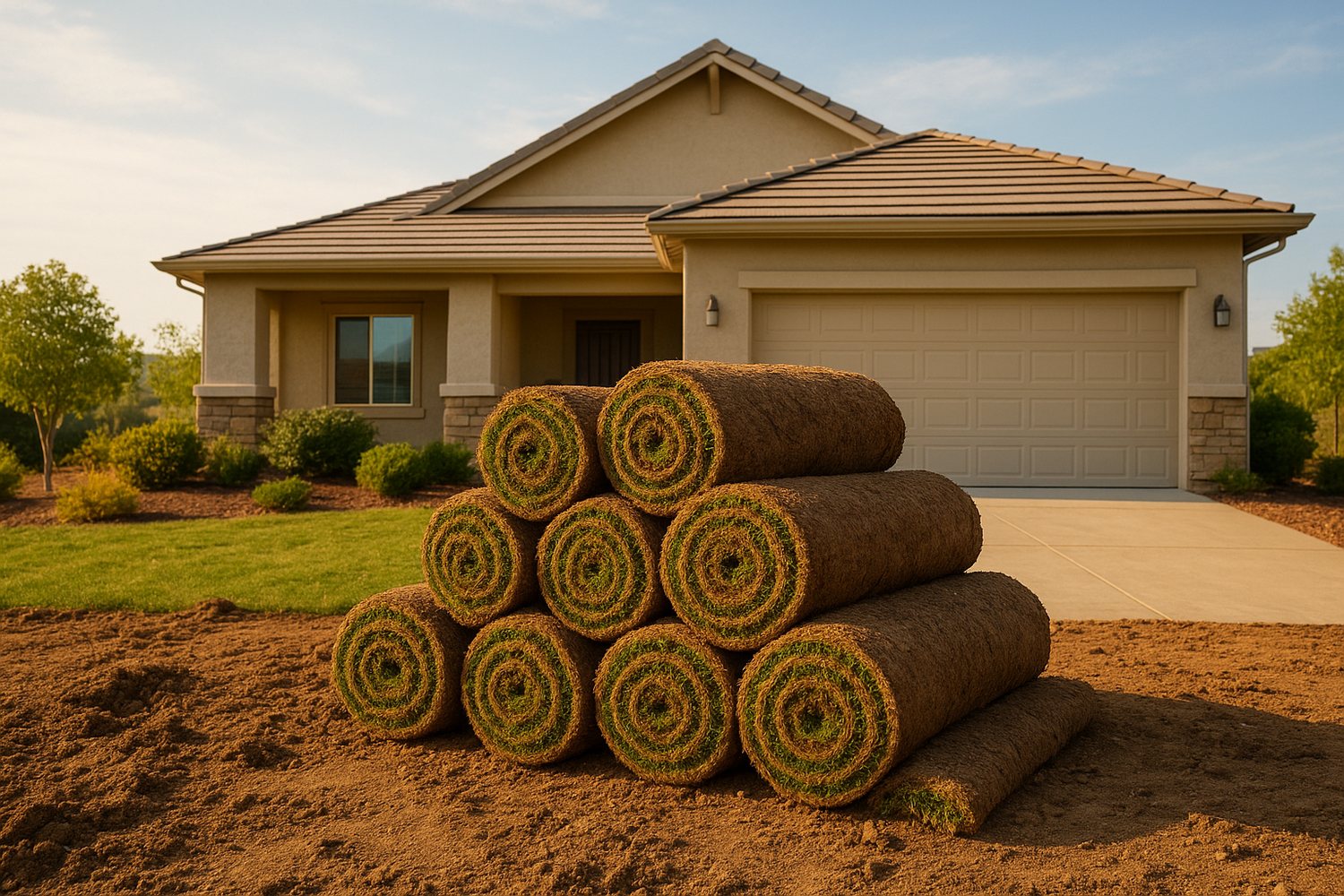
How to Know When It’s Time to Replace Your Artificial Turf
Wondering if your artificial turf has seen better days? Here’s how Rocklin area homeowners can tell when it’s time to consider turf replacement.
Artificial turf has become a smart choice for homeowners who want a beautiful, low-maintenance yard. But like any outdoor upgrade, turf materials eventually age and wear out. Knowing the signs of turf problems specific to our Sacramento foothill communities can help you plan ahead—and keep your outdoor spaces looking their best.
Local Conditions Wear Down Turf
The climate in Rocklin, Roseville, Granite Bay, and nearby towns brings dry summers, mild winters, and plenty of sun exposure. These conditions are tough on any landscaping, including artificial turf. Over the years, UV rays can fade turf color, while temperature swings lead to turf fibers becoming brittle or matted.
Rainy winter stretches can occasionally lead to drainage problems, especially on sloped lots or poorly prepped sites often found in foothill communities. Pool or irrigation run-off can compound these issues. Regular inspection of turf surfaces helps catch small problems before they require complete replacement.
Pet and foot traffic also contribute to accelerated wear—especially in family backyards and active homes. If you notice bare patches, flattening, or inconsistent coloring, it may be time to closely examine your lawn. These visible changes are often early indicators your turf needs attention.
For details on the turf replacement process, visit ourTurf replacement and upgradespage.
Fading and Discoloration
Sun is relentless in this region, particularly during peak summer days. Even high-quality artificial turf will begin to change color after years of direct exposure. Fading from lush green to dull olive or unnatural blue-green can signal that the turf’s UV protection is breaking down.
Discoloration often occurs first in the sunniest or most heavily used areas, like walkways or pet runs. Check whether the color is still consistent across your entire yard. Patchy or streaky areas may mean the fibers are degrading unevenly.
Replacing faded turf isn’t just about looks. Old, compromised fibers can hold more heat, feel less comfortable underfoot, and break apart more easily, all of which lower your yard’s comfort and safety—especially during our hot Placer and Sacramento County afternoons.
Matted or Flattened Fibers
Artificial turf should have a springy, upright look that mimics healthy grass. If you notice your lawn looks permanently matted or fibers don’t rebound after raking, the infill may be worn out or the turf backing may have started to fail.
Repeated compression from patio furniture, high foot traffic, or pets tends to flatten the turf over time. Even regular brushing sometimes fails to revive worn fibers, especially if the pile height was short to begin with.
If your turf surface offers less cushion or draining water pools on the low spots, these are good reasons to consider replacement. Matted and compacted turf not only looks tired, but can also increase the risk of slip hazards after watering or rain.
- Loss of bounce even after brushing
- Permanent footprints or flat walkways
- No improvement after adding infill
| Problem | Likely Cause | Repairable? | When to Replace |
|---|---|---|---|
| Faded color | UV exposure | Rarely | Widespread fading |
| Matted fibers | Traffic/age | Sometimes | No improvement after brushing/infill |
| Drainage issues | Compacted base | Rarely | Recurring puddles, odors |
| Loose seams | Edge failure | Maybe | Multiple lifted seams |
| Bad odors | Drainage/pet use | Maybe | Persistent after cleaning |
Poor Drainage and Odors
Good artificial turf design is built on proper grading and drainage for our seasonal downpours. But over time, compaction, infill loss, or underlying material failure can cause puddles, slow draining, or chronically damp spots.
With our warm weather, these drainage issues can quickly lead to odors—especially in yards with pets. Ammonia from pet urine, mildew, or general mustiness that sticks around after cleaning may indicate the base or turf has broken down.
Persistent drainage and odor issues rarely improve with surface cleaning alone. Replacement may be the only long-term fix, especially in backyards that see regular use by pets or children.
- Standing water after rain
- Musty or ammonia smells present
- Frequent pet use with persistent odors
Loose Seams and Edges
Professional installation includes secure seams and well-tacked edges designed to withstand weather and traffic. If seams start to lift, curl, or separate, that’s a clear sign the integrity of your turf installation has been compromised.
Loose edges often become tripping hazards or can allow weeds to creep in. In yards bordering planter beds or patios, these issues are common over years of exposure to temperature swings and routine cleaning.
Attempting repeated spot repairs may only offer a temporary fix. When seams and edges repeatedly loosen, replacement is usually the smart, long-lasting solution to restore your turf’s safety and appearance.
- Seams peeling up or coming apart
- Fraying edges near patios or beds
- Visible gaps showing underlayment
Explore our full lineup by checking out theArtificial Turf options overview.
What About Infill? Signs of Trouble
Infill (sand or rubber granules) keeps turf fibers upright and cushions impact—but it doesn’t last forever. Heavy use, wind, or flooding events common to area creeks can wash away infill, causing uneven surfaces or increased matting.
If your lawn feels rock-hard, or if granules pool unevenly in low spots, the infill likely needs to be replenished or replaced. Skipping this maintenance leads to faster fiber wear and greater chance your turf will fail prematurely.
You may not need a full replacement if only the infill is worn, but ignoring these early signs ends up costing more if the turf base or backing degrades. It’s critical to distinguish between infill top-offs and full turf replacement needs.
- Hard, compact feel underfoot
- Infill visible on surface, not between fibers
- Granules easily tracked indoors
Comparing Replacement vs. Repairs
Sometimes, targeted turf repairs can buy a few extra years, especially if only a small section is affected. But for long-term curb appeal, comfort, and safety, full turf replacement is the better investment when widespread signs of damage are present.
Look at how often you’re facing repairs, the overall age of your turf, and whether issues are spreading beyond one area. In our region’s climate, most turf lasts between 8–15 years before replacement is recommended.
Property values in Rocklin, Roseville and surrounding towns benefit from tidy, modern upgrades. When in doubt, a professional assessment can offer clarity on the smartest option for your outdoor living investment.
Get Practical Help to Decide
Artificial turf is a premium choice for reducing maintenance and enjoying a year-round green lawn. Still, watching for the warning signs helps you plan timely upgrades—so your landscape always feels ready for family and friends.
If you’re uncertain whether your turf needs minor fixes or a full replacement, consider scheduling a professional site walkthrough. California Hardscapes can offer guidance based on local experience and practical solutions tailored to your yard.
No matter the age or original installer, regular evaluation ensures your outdoor space stays safe, usable, and attractive well into the next decade.
If you’d like expert advice,request a consultationwith California Hardscapes today.
Planning an artificial turf project?
Call or text 916-741-0633, or email sales@californiahardscapes.com with your address, a short description and a few photos, and we will arrange a consultation.