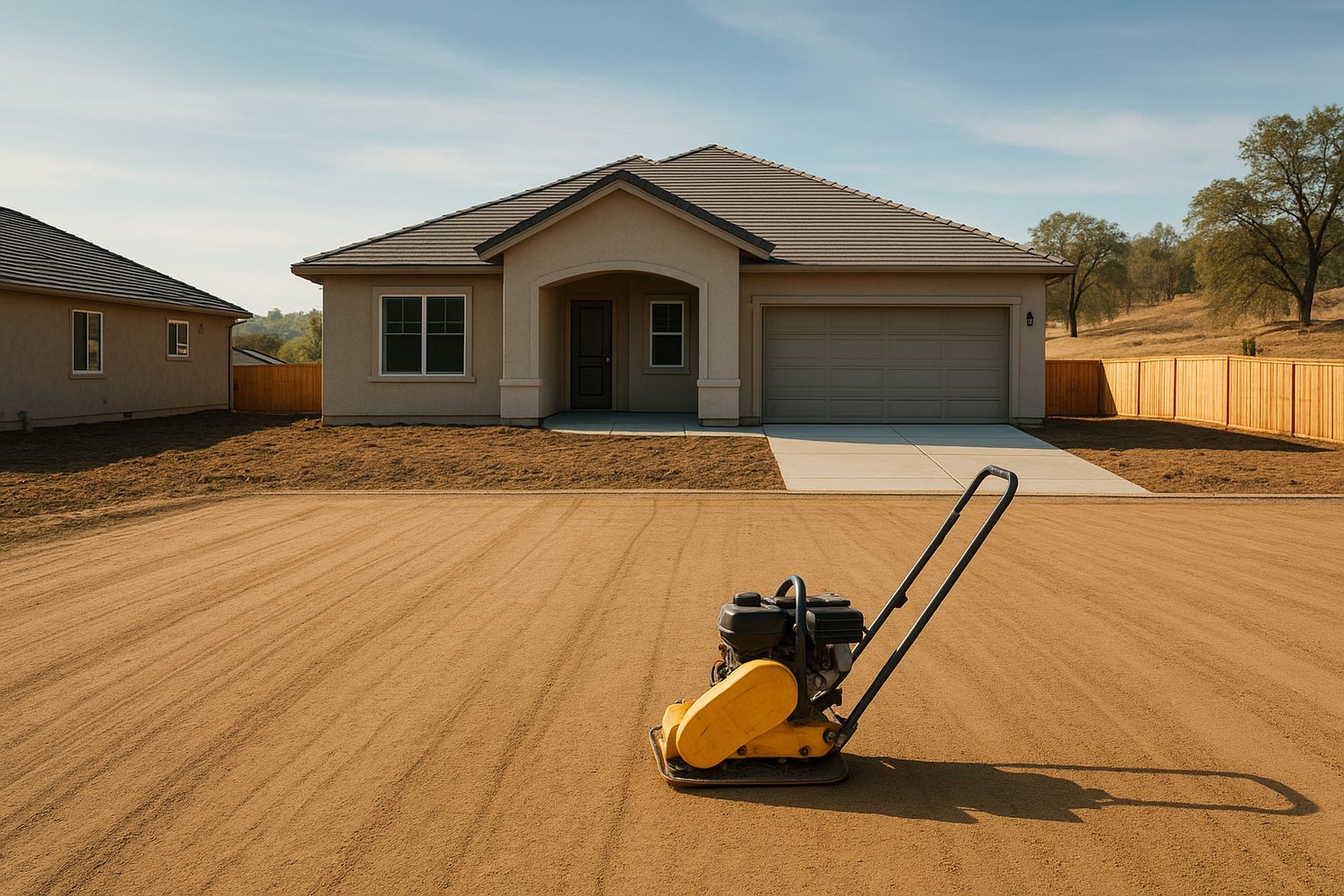
Planning for Artificial Turf Replacement: Fixing the Base and Drainage
Replacing artificial turf is more than just swapping out the surface. A solid plan for base repair and drainage ensures lasting, trouble-free results.
Thinking about upgrading your artificial turf? Successful turf replacement in the Sierra Foothills hinges on giving proper attention to the base and drainage. Here’s how to plan for a yard that’s both beautiful and built to last.
Why Planning for Turf Replacement Matters
If your artificial turf is showing signs of wear, planning the replacement isn’t just about picking new turf. The performance of your yard depends on what’s underneath. Homeowners in places like Rocklin, Roseville, and Granite Bay face unique soils and weather conditions that make a solid plan crucial.
Turf laid on a poorly prepared base, or with inadequate drainage, leads to headaches down the road. These problems might not show for a season or two, but eventually you’ll notice soggy patches, settling, or pest issues. Think of replacement as an opportunity to start fresh—and get things right.
Focusing on all layers of your project during planning means your new turf will both look good and function as a premium, low-maintenance lawn for years. Failing to plan for the base and drainage could mean re-doing work and added costs later.
For project advice and regional specifics, explore ourTurf replacement and upgradespage.
Assessing the Existing Base: What to Look For
Before installing new artificial turf, it’s critical to evaluate the existing base. Over time, the base material can settle, erode, or become compacted, especially with our local clay-rich and decomposed granite soils. Take time to check the base’s depth, compaction, and condition.
Look for visible dips, unevenness, or areas where water collects. These are signs that the subbase may need to be corrected or rebuilt. Sometimes, simply adding material isn’t enough—removal and replacement are necessary for long-term stability.
Consult a contractor experienced with the region’s soils. They’ll know how to recognize when the old base can be salvaged, and when it’s best to start from scratch. Base issues that go unaddressed during turf replacement typically get worse over time.
- Check for levelness across the entire area
- Probe the base for soft spots or settling
- Identify drainage trouble areas after rain
Drainage: The Make-or-Break Factor
Drainage under artificial turf is critical throughout Placer, Sacramento, and El Dorado counties, where heavy seasonal rains and poorly draining soils are common. Ignoring drainage can cause puddling, odor, and eventual turf damage.
Modern artificial turf systems require permeable bases and may need added solutions like French drains or channel drains in problem spots. Evaluating run-off patterns and how water moves on your property is a core part of proper turf replacement planning.
Poor drainage doesn’t just affect the turf—it can put your home’s foundation, nearby patios, or plantings at risk. Addressing this up front saves hassle and major costs down the line. Ask your installer to walk every potential drainage line and propose regional, proven fixes.
- Permeable crushed rock bases aid drainage
- Consider extra drains for low spots
- Drainage problems show up after heavy storms
Base Materials: Making the Right Choice for Local Conditions
A reliable base under your new turf is built to resist compaction, shed water, and maintain shape through heat and rain. In the foothill region, CMB (crushed miscellaneous base), class II road base, or decomposed granite are all common, but local soil reactivity and intended use should guide your choice.
If lawns see lots of activity from kids, pets, or entertaining, a thicker base can prevent rutting and shifting. Keep in mind: local clays expand and contract with water, so base depth and quality are more important here than in other regions.
Quality materials and precise installation deliver a smooth, long-lasting surface. Discuss options for base thickness, layering, and whether geotextile fabric is recommended for added separation from local soils. Not every yard needs the same approach.
- Choose base to match soil type and use
- Clay soils may benefit from thicker bases
- Geotextile fabric helps prevent mixing with native soil
| Approach | When to Use | Benefits | Risks |
|---|---|---|---|
| Reuse Existing Base | Base is undisturbed and drains well | Lower cost, faster install | May hide base failures, shortens turf life |
| Partial Removal & Add Base | Some settling or puddling, but not severe | Cost-effective, addresses moderate issues | Doesn’t fix all drainage or compaction problems |
| Full Base Replacement | Widespread drainage or compaction issues | Best for long-term performance, fresh start | Higher initial cost, more removal work |
Comparing Turf Replacement Approaches
When it comes to replacing artificial turf, homeowners often wonder whether they can save by reusing existing base layers or if a complete rebuild is best. The right choice depends on site conditions, turf use, and drainage history. Below is a straightforward comparison.
Reusing the old base is sometimes possible if it’s in excellent condition—no settling, drains well, and remains compacted. However, most older installations in this region benefit from at least partial removal and replacement due to clay content and movement over time.
Balancing initial cost, long-term results, and regional conditions leads to the best outcome. If in doubt, ask for options that address all three, and expect an honest assessment from an experienced contractor.
See ourArtificial Turf optionsfor different styles suited to Placer and Sacramento homeowners.
Prepping for a Clean Turf Removal
Removing old artificial turf allows for inspection and repair of the subbase. Modern removal often involves carefully cutting and rolling existing turf, then using equipment to access lower layers. Keeping the job site clean and minimizing disturbance to surrounding features is part of a quality project.
Watch for underlying weed barriers, staples, or unexpected old materials that could interfere with new base installation. Complete removal is especially important if pet odors, excessive moss, or surface rippling has occurred.
Plan for hauling away both turf and base material if replacement is needed—a responsible crew will ensure local disposal requirements are met. Make sure to ask how each step of removal and base prep will be managed.
- Remove old turf and contaminated base thoroughly
- Protect surrounding hardscapes and landscape features
- Handle and dispose of material according to local rules
Installation: Steps for a Trouble-Free Upgrade
With the subgrade prepared, the new base material is brought in, spread, and compacted. For our region, a final compaction test (usually by simple ‘heel test’ or plate compactor) makes sure nothing shifts. Special care is given to edge transitions and areas against concrete or decking.
Next, the turf is cut and seamed precisely, then secured with either nails, adhesives, or infill—exact methods depend on the turf style and usage. Infill options vary, but all should suit the level of sun, foot traffic, and pets in your yard.
Be sure to discuss irrigation changes or any special finishing details you need—sometimes drip lines or additional drainage tweaks finish out the job. A well-managed installation wraps up clean, protects nearby landscaping, and leaves you with a smooth, flawless surface.
- Compact base in thin layers for strongest support
- Install seams and edges to regional industry standards
- Adjust irrigation away from turf area
Making Your Artificial Turf Investment Last
The right preparation and execution ensure your new artificial turf performs beautifully across all seasons. Regular cleaning, prompt attention to drainage, and keeping debris off the surface keeps your investment looking pristine.
In the Sierra Foothills, deep-rooted plants or local rodent activity can sometimes disturb even the best-laid turf. Watch for early signs and address them quickly—most issues are easier corrected early on.
Remember, a premium turf replacement isn’t just about looks. A stable, well-drained base protects your landscape investment and enhances the value and enjoyment of your outdoor space for years to come.
- Brush infill regularly to prevent matting
- Keep edges tight to avoid lifting
- Check drainage after heavy rain, especially in winter
Ready for tailored recommendations?Request a consultationand talk through your yard’s unique needs.
Planning an artificial turf project?
Call or text 916-741-0633, or email sales@californiahardscapes.com with your address, a short description and a few photos, and we will arrange a consultation.