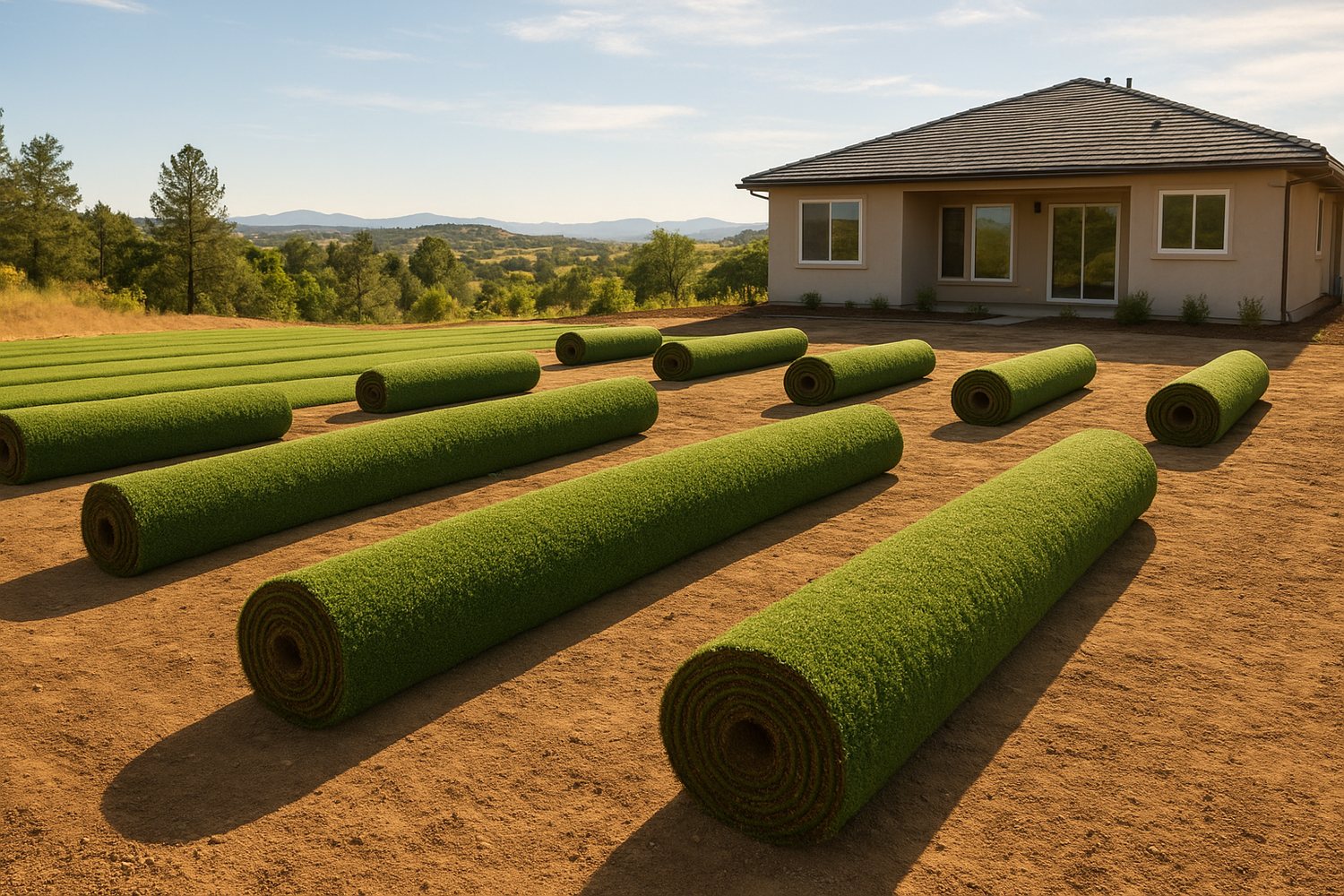
The Steps to a Quality Artificial Turf Installation
Discover the practical steps homeowners should expect in a proper artificial turf installation. Get real guidance tailored to Rocklin, Roseville, Granite Bay, Folsom, Auburn, and nearby communities.
A quality artificial turf installation is more than rolling out green carpet. Here’s what really happens under the surface in local yards—and what to watch for.
Evaluating Your Landscape Needs and Goals
A successful artificial turf installation begins with a clear understanding of your yard’s unique requirements. In Rocklin, Roseville, Granite Bay, and similar communities, soil type, drainage, sun exposure, and how the area will be used all factor into the design process. Take time to define what matters most—do you need a pet-friendly lawn, a sports-ready surface, or simply lower maintenance?
Consult with a professional who can walk your property alongside you and identify potential issues. For instance, yards in Folsom or Auburn may have slopes or clay-heavy soil, calling for targeted prep work. Noting how water flows and where tree roots lie now helps prevent headaches later.
Careful planning also helps you select the right turf type and border solutions. From high-traffic durability to curb-appeal texture, your choices at this stage will set the stage for a resilient, good-looking result.
- Assess sun, shade, traffic, kids, pets
- Pinpoint potential drainage challenges
- Understand differences in soil around the region
For step-by-step details about installation in your community, see ourArtificial turf installationpage.
Site Preparation: Clearing and Excavating
Proper prep work is arguably the most vital step for great results. Begin by removing all sod, rocks, and organic material from the installation area. This helps prevent future weed growth and maintains the turf’s structure over time, especially in yards across Placer and Sacramento counties.
Excavation depth matters—it usually ranges from 3 to 5 inches, ensuring enough space for a stable base while smoothing out any unevenness. Equipment such as sod cutters and power tillers can speed up the process, but attention to detail makes the difference.
Finally, it’s important to double-check and mark out irrigation, electrical lines, or cable runs before heavy digging. This level of caution protects both installers and existing yard features.
- Remove all grass, weeds, and roots
- Use a sod cutter for clean removal
- Always flag and avoid utilities
Installing a Proper Sub-Base
A solid, compacted base is what keeps artificial turf looking and performing its best. Around Rocklin and Granite Bay, sub-base materials often include class II road base or decomposed granite, which drain well and resist shifting.
Once spread, the sub-base needs to be leveled and compacted using a plate compactor until it’s firm and even. This eliminates hollows and soft spots that could impact the finished look or feel.
Special attention is needed in our region’s varied soils—clay-rich areas might require extra depth or amendments to promote good drainage. Getting this step right is what ensures your turf stays smooth and trouble-free year-round.
- Choose quality base materials for drainage
- Compact in thin layers for smoothness
- Check base depth—at least 3" in most yards
| Step | Why It Matters | Region-Specific Tip | Common Mistake |
|---|---|---|---|
| Site Prep | Prevents weed growth and uneven turf | Remove extra roots in clay soils (Auburn, Granite Bay) | Skipping full sod removal |
| Sub-Base Install | Provides firmness and drainage | Deeper base in wet areas | Uneven or poorly compacted base |
| Weed Barrier | Blocks weeds for years | Choose UV-rated fabric for our summer sun | Using thin or low-grade fabric |
| Edging | Keeps turf anchored and tidy | Consider bender board on curved edges | Under-securing high-traffic areas |
| Infill/Brushing | Keeps blades upright and cool | Go for cooling infill in sunny yards | Too little or uneven infill |
Weed Barrier and Drainage Considerations
Weed prevention is a big deal under artificial turf. To block future growth, installers lay down a tough landscape fabric on top of the compacted sub-base. This barrier is crucial for long-term satisfaction, especially in areas prone to invasive weeds.
Proper drainage can’t be overlooked. The climate here means periods of heavy rain, so allowing water to move through the turf and sub-base is vital. Some turf manufacturers include drainage holes, but verifying the entire system’s design is a must.
Simple slope planning during site prep and strategic placement of any french drains or drainage lines can make a big difference. This is where local experience pays off—solutions should match your soil and rainfall patterns.
- Install heavy-duty weed barrier fabric
- Check for permeable, fast-draining turf
- Consider additional drainage in problem areas
Laying, Trimming, and Seaming Turf
With the groundwork set, the turf rolls go down. Each piece is positioned to minimize visible seams and take advantage of the turf’s grain direction for a uniform look. In wider spaces like those common in Folsom and Roseville, professional installers know how to stagger seams for strength and low visibility.
Cutting the turf to fit the space neatly—around trees, edges, and other features—requires skill and good sharp tools. The goal is a snug, custom fit without stretching or gaps. Attention to detail here ensures a polished finish and long lifespan.
Where seams are necessary, premium outdoor turf tape and adhesive create strong, flexible bonds below the surface. These are pressed and weighted to set, then tested to confirm strength and smooth appearance.
- Align turf grain for even color and texture
- Trim carefully around borders and curves
- Use specialized join materials for invisible seams
Explore the full spectrum of product types on ourArtificial Turf optionsoverview.
Securing the Turf and Setting Perimeters
A firm perimeter keeps turf where it belongs—no curling or shifting over time. Galvanized spikes or landscape staples are driven into the base at regular intervals, especially around edges and high-use zones. This approach holds up well in Placer and El Dorado County landscapes.
Top-tier installations reinforce the outer edges with concrete or bender board edging. These materials provide clean, defined lines that help prevent encroachment by mulch, soil, or gravel, keeping your turf tidy and contained.
Proper anchoring also makes routine maintenance easier in the long run. Secure perimeters are important for yard sections that see more activity, like play areas or pet zones.
- Stake turf every 12"–18" along edges
- Consider permanent edging for best results
- Double-check security in high-traffic spots
Infilling and Power Brushing the Surface
Infilling is the process of spreading specialty sand or rubber granules over the turf surface, which adds weight, protects backing, and supports the blades for a natural upright look. The right infill material depends on lifestyle: pet, kid, or general use.
After infill is applied, installers use a power broom to work materials down into the turf and stand each blade upright. This not only improves appearance but prepares the turf for everyday foot traffic.
Proper infill boosts durability and keeps your turf cooler under Rocklin and Roseville’s summer sun. For extra comfort, cooling infills are available—ask about options designed for hot seasons.
- Spread infill evenly across the turf
- Use power broom for best results
- Choose infill for pets, kids, or general use
Final Inspection and Ongoing Care
Once turf is installed, a detailed inspection catches any loose seams, uneven infill, or edge issues. A professional walk-through covers the entire area and answers any final care questions specific to your yard.
Homeowners should receive basic guidelines for cleaning, debris removal, and periodic brushing. Although artificial turf is low-maintenance, regular light care will extend its fresh appearance and performance.
In our region, it’s helpful to check drainage performance during the first heavy rain. Staying proactive with care will protect your investment and keep things looking sharp.
- Inspect seams, edges, and infill levels
- Clarify cleaning and seasonal upkeep
- Address unique concerns (kids, pets, trees)
Ready to discuss a plan for your lawn?Request a consultationwith our team.
Planning an artificial turf project?
Call or text 916-741-0633, or email sales@californiahardscapes.com with your address, a short description and a few photos, and we will arrange a consultation.