What Makes a Quality Artificial Turf Installation Last?
A beautiful artificial turf lawn should stay that way for years. We break down the exact differences between long-lasting and questionable installations.
Not all artificial turf installations are equal. Homeowners in Placer, Sacramento, and El Dorado Counties deserve to know what truly separates a high-quality turf job from one that falls apart after a few seasons.
Understanding the Local Turf Landscape
Artificial turf has become a practical alternative to natural grass for Rocklin, Roseville, and neighboring communities. The benefits are undeniable: lower water use, less maintenance, and year-round curb appeal. But the dry summers and clay-heavy soils in this region mean installing turf isn’t a one-size-fits-all process.
Choosing artificial turf is just the first step. What happens underneath your lawn can matter as much as the turf roll itself. Common shortcuts on prep work are often sources of uneven spots, weed intrusion, and turf movement later on.
Premium installation takes into account local variables—lots of sun, heavy winter rains, and that stubborn California clay. Knowing how the ground shifts and drains here is key to making your artificial turf lawn outlast the rest.
Find out more about quality standards and our proven process on ourArtificial turf installationpage.
Site Preparation: Cutting Corners vs. Doing It Right
It all starts below your feet. Cheap turf installs often simply remove the existing grass and add a thin layer of base. That may look fine for a year or two but can lead to drainage issues, lumps, or settling sooner than you want.
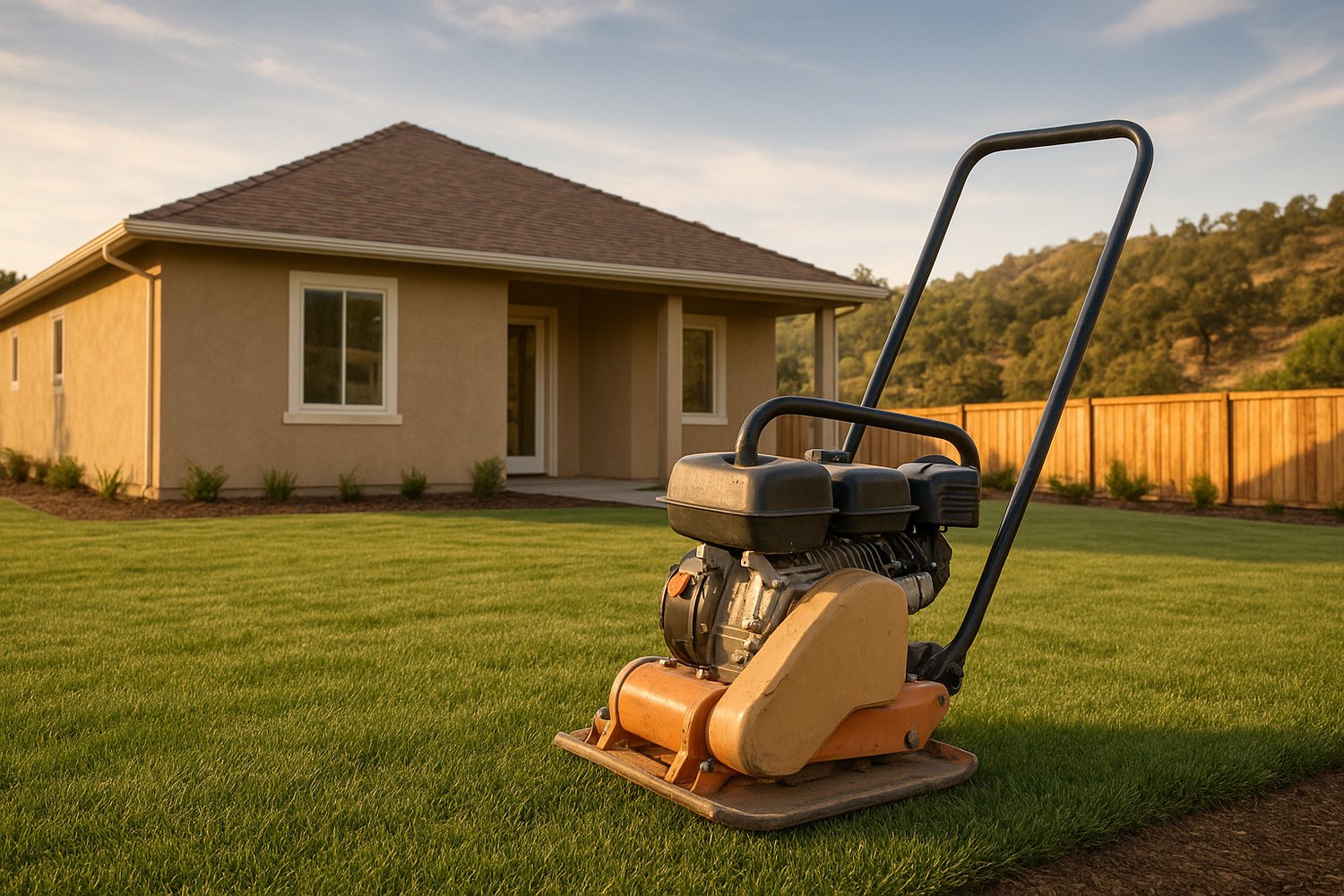
A lasting installation involves proper excavation—removing soil, compacting the subgrade, and layering crushed stone or class II road base. This provides a stable, clean foundation that resists shifting and allows water to flow away.
In our area, skipping these steps invites trouble. Heavy winter storms compound with hardpan soils, so careful site preparation is critical. It’s a difference you can’t see once the turf’s down—but you’ll feel it in the years ahead.
- Excavate to the right depth
- Compact soil and base materials
- Use high-quality aggregate designed for drainage
Base Material: The Silent Difference Maker
Your artificial turf’s performance hinges on the quality of its base. Cheap installations may use whatever fill is at hand, often skipping essential layers or failing to compact materials properly. Over time, this leads to ruts, unevenness, and pooling water.
A high-quality base means using the right angular aggregate, laid in multiple layers and compacted between each. This guards against both drought and those rare, heavy downpours, minimizing standing water or squishy spots in your yard.
The Sacramento Valley is known for its clay soils. Unless the base material and installation techniques account for this, even premium turf materials will underperform. Ask your turf installer how they address the unique soils found in neighborhoods like Folsom and Granite Bay.
- Angular stone compacts tighter
- Multiple layers boost long-term durability
- Well-built bases last through extreme weather
| Feature | Lasting Installation | Cheap Installation | Why It Matters |
|---|---|---|---|
| Base Preparation | Deep excavation and layered base, compacted at intervals | Minimal base, poorly compacted | Longevity and prevents drainage/failure issues |
| Edge Restraints | Concrete/bender board, closely spaced nails | No or weak edging, sparse fasteners | Keeps turf from curling and weeds from invading |
| Material Quality | UV-stabilized, dense turf fibers and strong backing | Thin, low-cost turf with basic or weak backing | Longevity, appearance, resistance to sun and wear |
| Installation Crew | Experienced, supervised professionals | Subcontractors or inexperienced labor | Attention to detail, adherence to best practices |
| Drainage & Infill | Custom drainage layers, quality infill matched to use | Cheap infill, ignored slope/drainage | Comfort, quickly drying surfaces, no puddling |
Edge Restraints and Seam Work: Small Details, Big Difference
Edges and seams are where many turf installs show their true quality. Cheap jobs might skip installing quality edging or use minimal nails and glue, which invites separation, curling, or weed growth around the borders.
Lasting systems use perimeter bender board or concrete curbing, securely anchoring turf edges against shifting and abuse. Seams, which happen when multiple turf rolls meet, need careful alignment, durable adhesive, and proper infill to stay invisible and secure.
In neighborhoods like Auburn or Roseville where patios, retaining walls, and planters border lawns, well-done edge restraints blend turf perfectly into your landscape. It’s one of those details you notice every time you walk your yard.
- Secure edges with bender board or low-profile concrete
- Overlap and tape seams correctly
- Heavy-duty nails or staples every few inches
Choosing Turf: What Looks Good Today vs. Years from Now
Turf product quality ranges widely. Some installers cut costs by choosing thin, shiny turf with low face weight—made for looks, not longevity. These materials may fade, crush, or develop bare spots quickly when exposed to sun and foot traffic.
A lasting turf install uses dense, UV-resistant fibers and a strong backing. That means your yard stays green and lush-looking—plus stands up to kids, pets, and hot Placer County summers.
It can be tempting to pick the lowest price. But especially with artificial turf, you get what you pay for. Ask to see material samples, compare blade shapes, and find out which products are proven to last locally.
- UV-stable fibers combat California sun
- Dense blades resist matting from foot traffic
- Quality backing prevents separation or wrinkling
Explore all available choices in ourArtificial Turf optionsoverview.
Drainage and Infill: Managing Water and Comfort
Drainage is more than a buzzword here—it makes or breaks your install each winter. Cheap turf often doesn’t drain well, causing puddling just where you want to walk or play. Meanwhile, a professional install matches the infill and drainage system to your yard’s natural lay.
Infill, the material brushed into turf blades, affects softness, stability, and drainage. Cheaper options may use low-grade sand or skip infill altogether, risking compacted patches and heat retention.
Getting these details right ensures your new lawn dries quickly after a storm and stays comfortable year-round. Ask for specifics about recommended infill materials and how installed systems handle drainage during local heavy rains.
- High-flow backing moves water fast
- Proper infill keeps blades upright and cool
- Custom drainage layers for sloped areas
Installers: Skilled Pros vs. Subcontracted Crews
The result you get comes down to the team on your job. Some companies cut costs by hiring inexperienced subcontractors or seasonal workers for turf installs, leading to hasty work and overlooked details.
Experienced tradesmen understand the nuances of California clay, sun, and outdoor living. They plan for traffic patterns, pets, trees, and future landscape changes, ensuring your turf integrates seamlessly into your property.
A reputable company manages the project start to finish, with direct oversight by seasoned professionals. That hands-on attention is what keeps installs looking great long after the truck leaves.
- Look for crews with years of outdoor construction experience
- Ask who manages your install on-site
- Review installer credentials and training
Making the Right Choice for Your Home
As a homeowner, you want your outdoor upgrades to last. The difference between a quality artificial turf installation and a shaky one is in the planning, products, and craftsmanship—not just what you see on day one.
Don’t be afraid to ask questions. Find out exactly how each phase—prep, base, turf choice, edges, drainage, and labor—is handled. Compare providers not just by price, but by how thoroughly they address local conditions and long-term use.
Your lawn is part of your home’s first impression. Choose a team that treats it accordingly, with premium materials, proven methods, and experience rooted in California’s own soil.
Ready to get answers specific to your yard?Request a consultationwith the California Hardscapes team.
Planning an artificial turf project?
Call or text 916-741-0633, or email sales@californiahardscapes.com with your address, a short description and a few photos, and we will arrange a consultation.