Comparing Artificial Turf Types for Lawns, Pets, Play Spaces & Putting Greens
Compare popular artificial turf types for home lawns, pets, kids’ play areas, and backyard putting greens. Practical local insights included.
The right artificial turf can transform your outdoor spaces, but not all turf is the same. Let’s break down which types fit best for lawns, pets, play zones and putting greens in our region.
Understanding the Main Turf Types
When selecting artificial turf, start by understanding the main turf types available for residential use. Generally, turf types differ in pile height, fiber material, backing, blade shape, and infill needs. These factors all influence how a turf feels, looks, and holds up in our hot summers and cooler winters.
The most common types are landscape turf, pet-specific turf, play turf, and putting green turf. Each type is engineered for specific uses, so it pays to match your choice to your plans for the space. Visual appeal, comfort underfoot, safety, and drainage performance can all vary quite a bit.
Before you make a decision, consider how your family uses each outdoor area and how much maintenance you want to handle. Your goals for the look and practical demands—such as pets or frequent play—should drive the choice.
Explore more details and frequently asked questions on ourArtificial Turfpage.
Best Turf Types for Lawns
Lawns benefit most from landscape turf with a realistic fiber shape and medium pile height. Premium options use a blend of green shades to create natural appearance and soft, upright blades underfoot. In Rocklin and nearby towns, lawn turf should handle summer heat, occasional frost, and family activities.
Look for landscape turf with polyethylene blades for durability against foot traffic without feeling plastic or rough. A strong, no-shine backing helps keep the turf cool. Consider how the pile height affects both comfort and ease of cleaning—shorter cuts need less grooming but can feel stiffer.
Drainage is important here, especially in low spots or areas with clay soil that may get soggy in our rainy season. Good turf comes with perforated backing and quality infill that doesn’t compact too hard over time.
- Choose medium pile height for balanced comfort and realism
- Blended fiber colors look most natural under bright sun
- Polyethylene fibers offer durability and softness
- Check drainage features for soil and shade conditions
Artificial Turf for Pet Areas
Pet turf has specific design tweaks: antimicrobial backing, tight fiber tufting, and excellent drainage make regular cleanups easier. Dogs, especially, need turf that resists smells and won’t trap waste in fibers. Choose a product with non-absorbent backing and spaces for water to flush through quickly.
Short, dense pile helps prevent digging and makes it easy to scoop or wash away pet messes. Avoid tall or ultra-lush blades that can mat down or trap odors in our warm climate—shorter piles return to upright faster after play or clean-up.
Regular rinsing is key, so verify that the turf will handle frequent hosing without degrading. Some pet turfs include infill treated to combat bacteria and smells. Your installer’s prep—like a well-leveled, permeable base—makes a big difference over time.
- Dense, low pile for easy cleaning and reduced digging
- Antimicrobial systems minimize odor
- Focus on high-flow drainage design
- Frequent rinsing protects appearance and hygiene
| Turf Type | Best For | Key Features | Considerations |
|---|---|---|---|
| Landscape/Lawn | Lawns, general use | Medium pile, blended tones, soft feel | Comfort vs. maintenance balance, drainage |
| Pet Turf | Dog runs, pet play | Low, dense pile, antimicrobial, high drainage | Odor control, easy cleaning |
| Play Turf | Kids’ play areas | Extra thick, cushioned underpad, resilient | ASTM safety rating, drainage |
| Putting Green | Backyard putting greens | Ultra short, dense blades, sand infill | Requires level base, not for pets or play |
Play Areas: Cushioning and Safety Factors
For play areas, safety and comfort are top priorities. Play turf uses extra cushioning, thick pile, and a resilient underlayment to soften falls. The best options carry impact-absorbing ratings, crucial for playsets, swing sets, or any space where kids run or tumble.
Seek turf with durable fibers that spring back upright—this resists matting from active use. The underpad system does more than cushion: it also helps with drainage if combined with permeable backing. In our region, quick drainage matters since standing water can promote mold or mosquitoes after winter or spring rain.
Some play turfs are specifically ASTM safety rated. Even if you don’t choose these, insist on a thick, resilient base layer under the turf. Ask your contractor about the best options for safety that fit your family’s needs and budget.
- Extra cushioning protects against falls
- Choose thick, springy pile for comfort
- Look for ASTM impact-absorbing turf if safety is a concern
- Check underpad options for drainage and longevity
Choosing Putting Green Turf
Putting green turf differs from all-purpose lawn turf in almost every respect: the pile is ultra short (usually ½ inch or less), the blades are tightly woven, and sand infill creates just the right ball roll. An authentic putting experience depends on top-notch installation skill and choosing a turf engineered for greens.
For your backyard putting green, prioritize speed and evenness, not softness. Finer-bladed nylon or polypropylene turf offers ball consistency and stands tall under constant play. The base must be precision-graded—uneven installation will ruin play, especially over time.
Unlike lawn turfs, putting green products won’t feel cushy under bare feet and aren’t designed for pets or roughhousing. They can withstand heat and rain, but proper edging and infill make a big difference in their performance on our local soils.
- Ultra-short, tight pile ensures golf ball roll
- Nylon or polypropylene blades resist compression
- Sand infill fine-tunes play speed
- Level base and professional installation are musts
See a full overview ofArtificial Turf optionsfor all outdoor uses.
Local Climate: Considerations for Placer, Sacramento & El Dorado Areas
The Sierra Foothills climate brings hot, dry summers and cool, wet winters. Artificial turf in our region faces UV exposure, heat, and heavy late-season rains. Always choose UV-stabilized turf to prevent fading and brittleness.
Rapid drainage is non-negotiable. Our clay-heavy soils don’t always drain well, so make sure the turf you choose (and its infill) supports quick water escape. Ask your contractor about soil prep—sometimes a thicker, more permeable base is worth investing in for long-term performance.
For shaded areas with less sun recovery, pick a turf with antimicrobial properties and good airflow below. Mold and mildew show up faster with dense, damp shade—turf that’s built to deter this extends its usable life locally.
- UV resistance is essential to prevent fading
- Permeability matters for clay and hardpan soils
- Check drainage after first big storm season
- Antimicrobial turf can help in shady spots
Installation Tips from a Local Pro
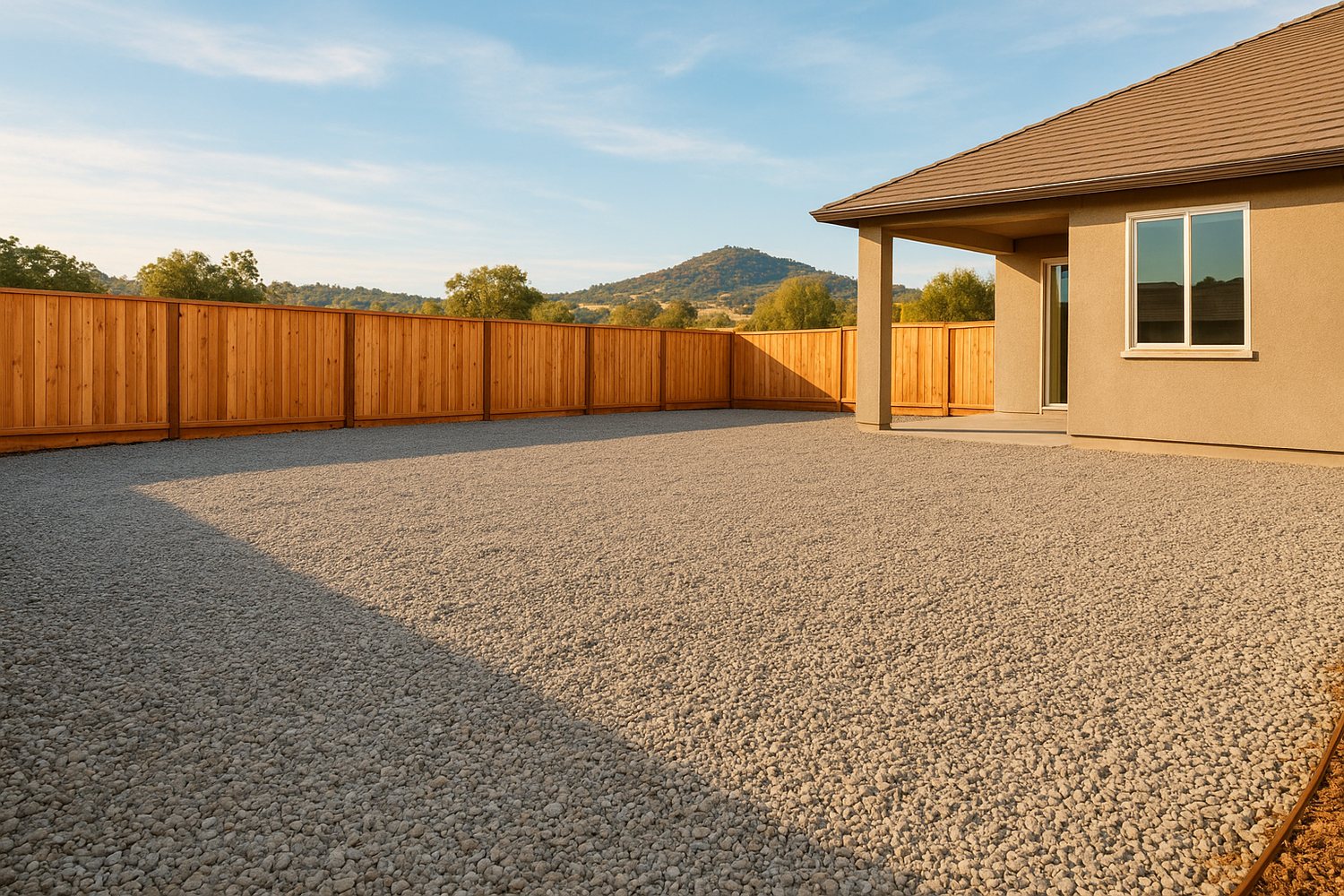
With over 30 years in concrete and construction, Marty from California Hardscapes knows that proper base prep and finishing work matter as much as the turf itself. Start with a clean, compacted sub-base—usually a few inches of crushed stone or drain rock, adjusted for soil type.
Infill selection isn’t one-size-fits-all. Silica sand or specialized cushioning infill makes a difference for play and pets, while putting greens benefit from a specific sand blend. Edges should be tightly secured to prevent lifting or tripping, especially next to concrete or pavers.
Ask your installer to show samples and explain the differences. It’s worth a walk-through after the first big rain to spot-check any puddling or settling—small adjustments early on can prevent bigger problems down the road.
- Compacted base layer critical for all turf types
- Tailor infill choice to activity: lawn, pet, play, or green
- Inspect edges and drainage after installation
- Trust experience: local expertise pays off
Making the Best Choice for Your Outdoor Space
Choosing among artificial turf types means weighing your priorities. Pet owners, golfers, families with children, and anyone craving a lush-looking lawn will each land on a different solution. A pro will walk you through the options for a tailored fit.
Balance is key: don’t overbuild a play area if it joins a lawn, or skimp on pet-specific turf in a dog run. Ask to see samples installed locally if possible. Every yard is unique—factors like shade, slope, and soil type affect final choices as much as how you plan to use the space.
Armed with real information, you’re set up to make a practical decision. Professional input ensures your investment pays off, both in performance and long-term satisfaction.
Ready to take the next step?Request a consultationwith our team today.
Planning an artificial turf project?
Call or text 916-741-0633, or email sales@californiahardscapes.com with your address, a short description and a few photos, and we will arrange a consultation.