Category: Uncategorized

  • Reflecting Pools and Still Water: Keeping Water Features Clear

    Reflecting Pools and Still Water: Keeping Water Features Clear

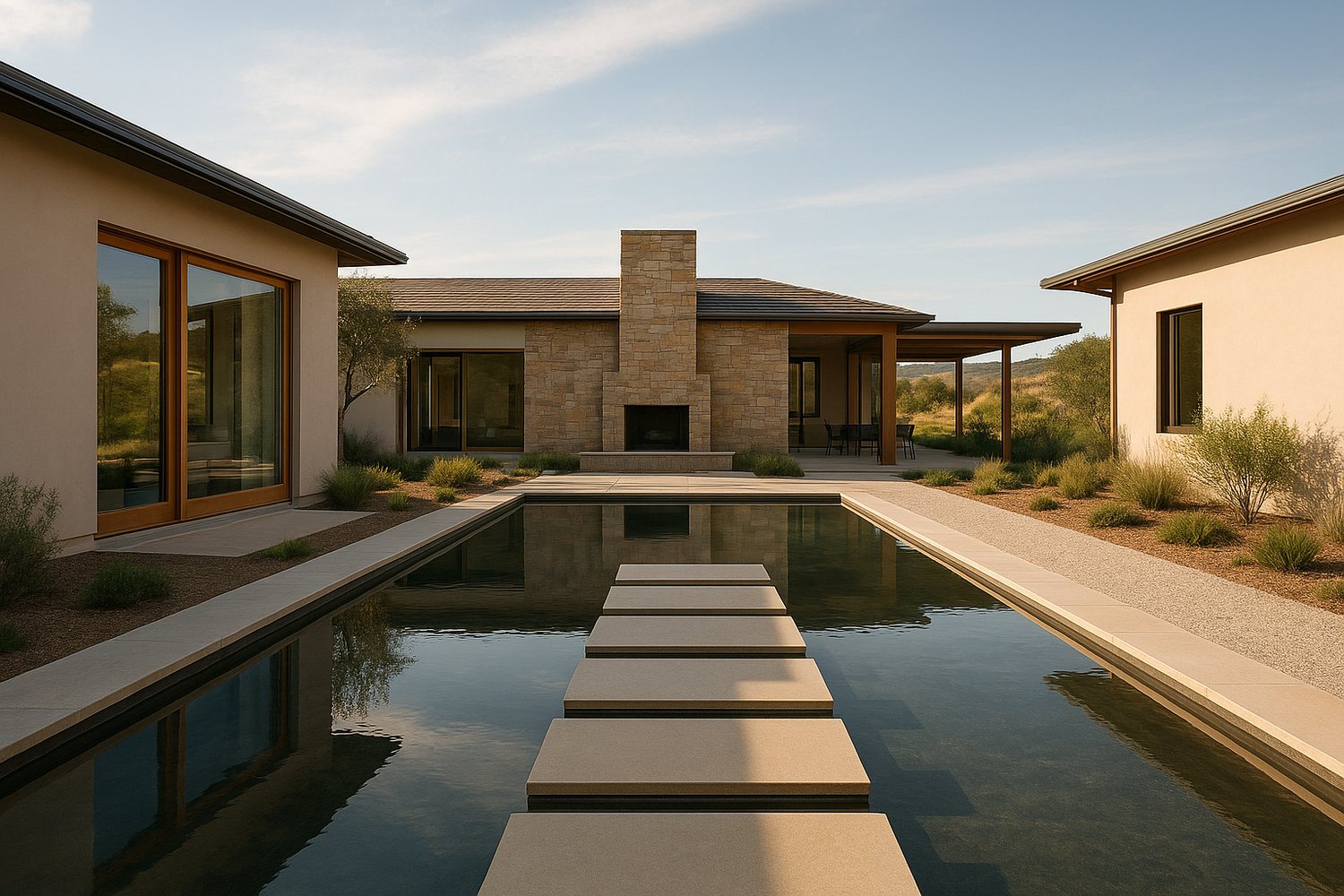
    Reflecting pools bring unmatched tranquility and visual interest to any backyard. Keeping that water crystal clear in our local climate calls for practical know-how.

    What Makes Reflecting Pools Unique

    Reflecting pools are shallow, still bodies of water designed for visual effect and peaceful ambiance. Because the water is almost motionless, clarity is crucial. Any cloudiness or algae becomes immediately noticeable, lowering the overall impact and feel.

    Unlike fountains or swimming pools, reflecting pools emphasize mirror-like surfaces. Their beauty depends on sharp reflections of the surrounding landscape or sky. The slower movement also means contaminants can settle or spread more easily if left unmanaged.

    Choosing a reflecting pool is about design, but maintenance should guide your planning. Understanding local conditions in Rocklin and the surrounding counties—sun, wind, and tree debris—will help you plan an easier-to-maintain water feature.

    • Still water highlights debris quickly
    • Reflections magnify imperfections
    • Requires unique upkeep vs. active water

    Get more details about still water design and care on ourReflecting pools and still waterpage.

    The Local Environment: Key Factors to Consider

    Our region’s hot, dry summers, cool winters, and abundant tree pollen shape the challenges of reflecting pool upkeep. Unlike rainy climates, evaporation happens fast here—so water loss and increased concentration of nutrients can lead to algae blooms.

    Winds common in Placer and Sacramento counties can blow in dust and organic matter. Even nearby lawns or flowerbeds can contribute leaves, grass, and fertilizer drift, all of which accelerate cloudiness if not managed.

    The presence of oaks, pines, and other native trees adds another layer. Planning around your local microclimate and landscape features is essential—think placement, sun/shade balance, and preventative design.

    • Evaporation rates affect water chemistry
    • Tree pollen and debris are local headaches
    • Location impacts long-term clarity

    Basic Maintenance Routine for Still Water Features

    Keeping still water features clear starts with a sound weekly routine. Manual skimming removes floating leaves and debris before they can sink and decompose—think of it as brushing your teeth for your water feature.

    Next up: checking water level and topping up as needed. Low water promotes stagnation and increases concentrations. Use a hose or automatic fill—but avoid rapid temperature swings that can stress your pool’s balance.

    Finally, monitor your water’s clarity and address cloudiness early. Familiarize yourself with early algae growth signs, and plan on a monthly inspection to catch potential problems before they become time-consuming.

    • Skim surface with a net at least weekly
    • Top up water to maintain level
    • Do a visual clarity check regularly
    TechniqueWhat It DoesPro/ConBest For
    Manual SkimmingRemoves surface debrisLow cost, needs attentionAll pools, small features
    Mechanical FiltrationFilters particlesLess manual work, higher installLarger or debris-prone pools
    UV ClarifiersControls algaeLow chemical use, needs powerPools with high sunlight
    Aquatic PlantsAbsorbs nutrientsNatural look, needs careEco-friendly designs
    Algaecide/SanitizersPrevents algaeEffective, can overdoIntermittent algae

    Understanding Water Chemistry for Reflecting Pools

    Reflecting pools need balanced water chemistry to prevent algae, cloudiness, and odor. Even though nobody swims in them, water quality matters just as much. You’ll want to test and adjust for pH, hardness, and occasionally chlorine or other sanitizers.

    High sunlight common in Granite Bay, Folsom, and Auburn speeds up algae growth. Sometimes, a small dose of algaecide or low-level chlorine can help—but always use products meant for ornamental pools, and follow label instructions carefully.

    Mineral content is another concern. Hard water from our local sources can cause scaling on surfaces and equipment. Investing in a simple water test kit helps you catch issues early and adjust before problems get out of hand.

    • Test water monthly for pH and hardness
    • Use sanitizers designed for decorative pools
    • Adapt dose to sun exposure and volume

    Mechanical Options: Filtration and Circulation

    Some homeowners choose to add discreet circulation or filtration to their reflecting pools. These systems keep water moving enough to discourage stagnation, while maintaining the essential stillness required for sharp reflections.

    The right size and type of filter depend on pool size and debris amount. Ultraviolet (UV) clarifiers can also help curb algae with minimal chemical use. Ask your builder about low-profile or hidden skimmers to preserve the look.

    Bear in mind, every added system means ongoing maintenance. Clean filters per manufacturer instructions, and check pump operations seasonally. Consider backup options if power outages are common in your area.

    • Filtration reduces manual cleaning
    • UV clarifiers minimize chemicals
    • Hidden skimmers maintain aesthetics

    Explore more inspiration with our completeWater Features overview.

    Natural Approaches: Plants and Fish

    Integrating aquatic plants can help maintain water clarity naturally. Submerged plants absorb nutrients that algae feed on, while floating species offer shade to slow growth. Ideal plants for our region include water lilies and hardy oxygenators.

    Some reflecting pools are designed to be wildlife-friendly, supporting goldfish or mosquito fish to control pests. Balance is key—a few fish help, but overstocking leads to cloudy water from excess waste.

    If you go this route, select non-invasive plant and animal species recommended for Northern California. Monitor their health and trim or replant as needed to keep everything in balance.

    • Plants take up nutrients, reducing algae
    • Fish can help control mosquitoes
    • Avoid excess nutrients from overfeeding

    Common Regional Issues and Solutions

    Algae blooms are the main challenge in local reflecting pools, especially during spring and summer. Start treatment at the first sign of green water—it’s much easier to manage early.

    Pollen and fine dust from our windy, tree-filled neighborhoods can quickly cloud water. Use pool covers during peak shedding and right before storms to cut down on clean-up afterward.

    Hard water scaling on tile or stone is also common. If you see white buildup, use a gentle scrub and check water hardness. Addressing chemistry and routine cleaning protects your surfaces year-round.

    • Treat algae early for best results
    • Cover pools before high winds or pollen events
    • Watch for white scaling on stone and tile

    Planning for Lasting Clarity and Enjoyment

    The most beautiful reflecting pools are those designed with clarity in mind from the start. That means factoring in local conditions, nearby trees, sun exposure, and the time you want to spend on upkeep.

    Combining smart location, mechanical supports, and periodic maintenance provides a premium, low-stress experience. Many successful homeowners build maintenance into their regular routine—small tasks, done often, make a big difference.

    Whether you want a classic mirror pool to reflect the sky or a naturalistic water feature with habitat value, approaching maintenance as part of your initial planning yields long-term clarity and enjoyment.

    • Tailor design to your specific yard
    • Mix mechanical and natural strategies
    • Routine care pays off year after year

    Ready to talk about your project?Request a consultationwith California Hardscapes.

    Reflecting pools and still water: see the full guide to reflecting pools and still water, or browse every water features option.
    Your project

    Planning a water features project?

    Call or text 916-741-0633, or email sales@californiahardscapes.com with your address, a short description and a few photos, and we will arrange a consultation.
  • Planning Power and Auto-Fill for Water Features

    Planning Power and Auto-Fill for Water Features

    Thinking about a water feature? Before breaking ground, get familiar with the real-world considerations for power, plumbing, and auto-fill in our region. A bit of planning now goes a long way toward lasting enjoyment.

    Understanding Your Site’s Needs

    Every property has its own unique pressures—soil, elevation, trees, and sun exposure all influence water feature placement and function. The right spot means easier power and plumbing runs, which can save both time and effort. In areas like Rocklin or Granite Bay, gentle slopes and good light may dictate where your feature will thrive.

    Proactive planning means reviewing the layout of your yard, utility locations, and access points. For homes in Roseville and Auburn, existing landscaping or pool setups might shape your choices. Knowing where electrical panels and water spigots are saves on costly rerouting or trenching.

    Always consider your end goal: are you imagining a quiet pond, a gurgling fountain, or a dramatic cascade? Size and flow rates matter and affect everything downstream—from the power your pumps need, to plumbing pipe size and water use habits.

    • Map utilities before choosing your spot
    • Factor in trenching or boring for lines
    • Match feature size to yard usage patterns

    For deeper information on pumps, plumbing and electricity for water features, see ourPumps, plumbing and power for water featurespage.

    Powering Water Features: What to Plan For

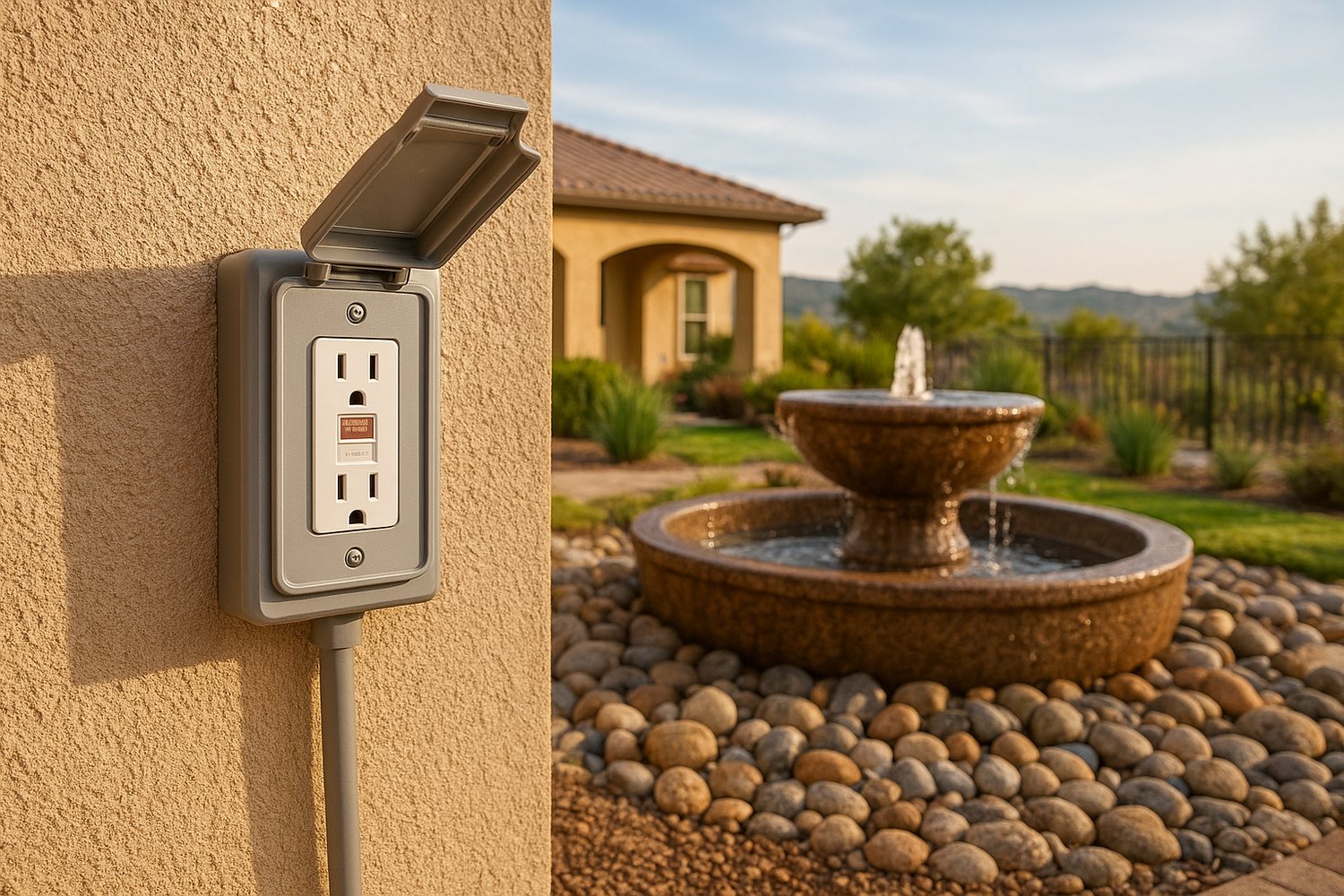
    Power isn’t just about plugging in a pump. Every water feature needs safe, GFCI-protected power run by a licensed electrician. If you’re planning a new install in Folsom or El Dorado Hills, check that your panel has capacity for a dedicated circuit. If you’re running more than one pump, lighting, or auto-fill, plan for enough amperage and future add-ons.

    Exterior power should always be hardwired and well-marked, never run through extension cords. For most residential fountains and pondless waterfalls, 120V service is typical, but larger features might require 240V. Consider how close the feature will be to your outdoor living zone, and whether you need extra outlets for cleaning or seasonal decorations.

    Think long-term: placing controls somewhere accessible but discreet is key. Timer switches, Wi-Fi controllers, and weatherproof switch boxes are all practical choices for reliable daily use, and the right setup means less tinkering over the years.

    • GFCI outlets required for safety
    • Plan on weatherproof boxes
    • Leave space for future upgrades

    Route Plumbing with Efficiency in Mind

    Plumbing is the heart of any water feature. Efficient design limits heat loss and evaporation, which is important in the hot Placer and Sacramento valley summers. Use shortest, most direct runs for both pump intake and return lines—fewer turns means less energy use and reduced chances of leaks.

    Choose materials that perform well in our region’s climate. Schedule 40 PVC is popular for most features. In areas with mature roots or shifting soils like Auburn, flexible yet strong piping may be called for. Always mark your lines clearly for future servicing and avoid tree roots where possible.

    Consider easy access to valves for winterizing. Frost depth is rarely a big worry here, but you’ll appreciate having shutoffs accessible for maintenance. Mixing in unions at key spots lets you change out pumps or check for debris without cutting pipe.

    • Direct routes save energy and water
    • PVC or flexible pipe options
    • Label all underground lines
    Plumbing MaterialBest Used ForProsCons
    Schedule 40 PVCMost buried linesDurable, inexpensive, easy to repairRigid, can crack if ground shifts
    Flexible PVCCurved runs, root areasHandles bends, less prone to leaks at jointsSlightly higher cost, UV sensitive if exposed
    Poly TubingDrip or small feature linesBudget-friendly, fast to installProne to kinking, not for high pressure

    Auto-Fill Systems: Smart Water Management

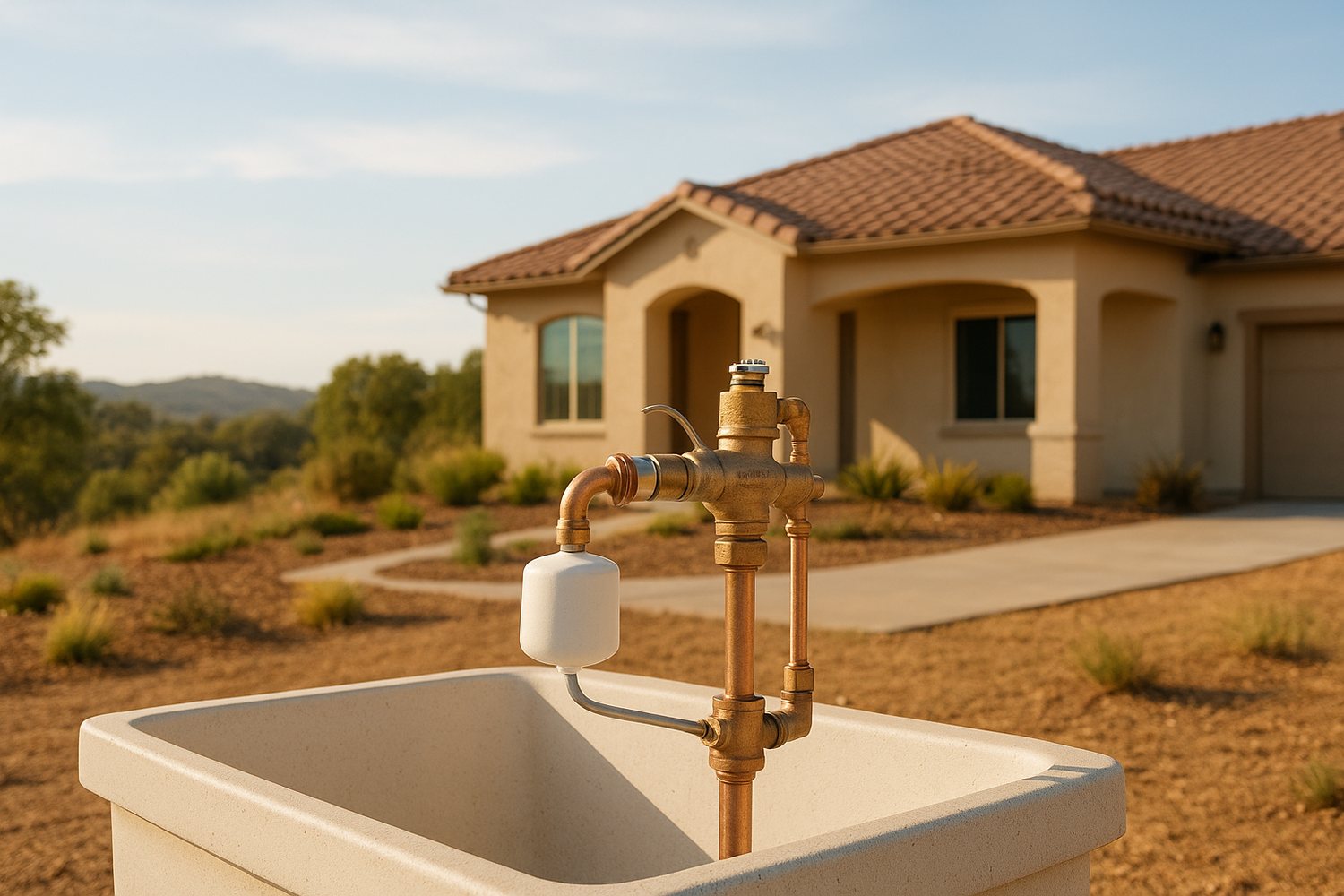
    Water features lose water to evaporation, wind, and the occasional playful pet or wildlife visitor. Auto-fill systems keep the water level just right, topping off the feature as needed. For our dry, windy summers, this means less hassle and a healthier system over time.

    Install a dedicated supply line with an easy-to-reach shutoff, and be sure to use a quality backflow preventer. This is especially recommended for jurisdictions in Placer and El Dorado Counties that have stricter plumbing codes or seasonal watering restrictions. Auto-fill floats and electronic sensors are reliable for most sizes of water features.

    Choose auto-fill controls that match your use. Small fountains may only need a simple float valve, while larger ponds or features with high splash benefit from active sensors and alerts. Efficiency and low maintenance help keep water features pleasurable instead of a chore.

    • Reduces hands-on maintenance
    • Protects pumps from running dry
    • Helps comply with watering rules

    Pump Selection and Sizing Tips

    Choosing the right pump involves more than just flow rate. Match your pump size to the volume and desired effect—gentle bubbling, lively waterfall, or a still, reflective pond all require different specs. Look at maximum lift (head), not just gallons per hour, especially if your feature includes a rise or stairs.

    Energy efficiency is a major factor in our climate and with extended summer use. Variable speed pumps make sense for larger projects. They can be dialed back for quiet times or ramped up for an entertaining display. Higher-quality, name-brand pumps can mean quieter operation and longer lifespan.

    Installation access also matters. Place pumps somewhere you can reach for service, be it in-line or submersible. Counties like Sacramento periodically update equipment regulations, so double-check compliance and consider future accessory add-ons to avoid costly rework.

    • Match pump to head/lift and flow needs
    • Opt for energy efficient models
    • Plan clear access for servicing

    To explore all your water feature design and installation possibilities, visit ourWater Features overview.

    Consider Weather and Seasonal Challenges

    Northern California’s climate varies, but summers are always hot and dry, while winter can bring chill and heavy rain. These fluctuations impact water loss and electrical use. Installing shade structures or windbreaks around your water feature can limit evaporation and surface debris.

    During winter, plan for overflow and possible clogging from leaf drop or storm debris. Features without proper drainage can get overwhelmed. Setting up overflow lines or catch basins protects both your feature and nearby patios or retaining walls from water damage.

    Seasonal shutoff valves and easy-to-purge plumbing make winterization much simpler. For features with fish or plants, temperature swings and runoff management are extra considerations. Local experience pays off—work with contractors who know our regional quirks.

    • Shade reduces water loss
    • Plan drainage for winter rains
    • Easy shutoff valves boost durability

    Professional Installation: Why Experience Matters

    While many homeowners enjoy DIY projects, water feature power and plumbing carry real risks. Small mistakes can mean leaks, unsafe wiring, or future headaches. Licensed, bonded, and insured contractors take care to meet local codes—something especially important in our blended residential neighborhoods.

    Coordinating multiple trades—electricians, plumbers, landscapers—can be complex. Experience means fewer surprises and a smoother process. A single point of contact, like a reputable outdoor contractor, streamlines communication and keeps everyone on the same page.

    Taking the time to get it right in the planning phase means minimal disruptions down the road and protects your investment. Look for teams with a strong background in pools, hardscapes, and outdoor living to ensure nothing gets overlooked from the first design sketch to the final walkthrough.

    • Proper licensing ensures code compliance
    • Managed projects run more smoothly
    • Experience avoids costly rework

    Next Steps for a Seamless Water Feature Project

    If you’re mapping out a new water feature, gather info about your utilities, property layout, and maintenance expectations. The planning phase is when you can make cost-saving and hassle-saving choices with real local knowledge.

    Talk through options with a professional who understands the Rocklin, Roseville, and Folsom region. Local climate, soil, and code specifics all factor into choosing the best approach. Prepare any questions about pumps, power, or plumbing specifics so you can get the clear answers you need.

    A well-powered and properly plumbed water feature isn’t just beautiful—it’s easier to maintain, safer, and lasts for decades. The right advice leads to the right results, so don’t hesitate to ask for experienced input as you plan your project.

    • Start with a site map and list of existing utilities
    • Identify your must-haves and nice-to-have extras
    • Consult a professional early for best results

    If you’re ready to get expert guidance, reach out for a complimentaryconsultation with our team.

    Pumps, plumbing and power for water features: see the full guide to pumps, plumbing and power for water features, or browse every water features option.
    Your project

    Planning a water features project?

    Call or text 916-741-0633, or email sales@californiahardscapes.com with your address, a short description and a few photos, and we will arrange a consultation.
  • Copper vs Concrete Spillway Bowls: Make the Right Choice

    Copper vs Concrete Spillway Bowls: Make the Right Choice

    Water features offer a visual and auditory focal point for any outdoor space. Spillway bowls and scuppers have become highly requested upgrades in the Rocklin, Roseville, and Granite Bay area. If you’re considering one, choosing between copper and concrete bowls can make a major difference.

    Why Homeowners Choose Spillway Bowls and Scuppers

    Spillway bowls and scuppers bring a unique, sophisticated element to pools, patios, and garden spaces. These water features work by allowing water to flow smoothly from a bowl or spout, creating gentle cascades and a soothing ambiance. Their visual appeal and calming sound are welcome additions to outdoor living areas.

    Beyond aesthetics, spillway bowls and scuppers are practical upgrades. They help circulate water, which can contribute to healthier pond or pool environments. Plus, many homeowners appreciate how they can be installed as stand-alone accents or integrated into existing hardscape projects for a tailored look.

    Homeowners in the Placer, Sacramento, and El Dorado County communities often seek water features that hold up well in the area’s climate. Durability, maintenance needs, and how the feature looks with established landscaping all factor into the decision. Let’s look closer at the two most popular material options.

    • Modern aesthetic profile
    • Improves water movement
    • Works as a stand-alone or part of a larger design

    For more details on available options, visit our mainSpillway bowls and scupperspage.

    Distinctive Look: Copper Spillway Bowls

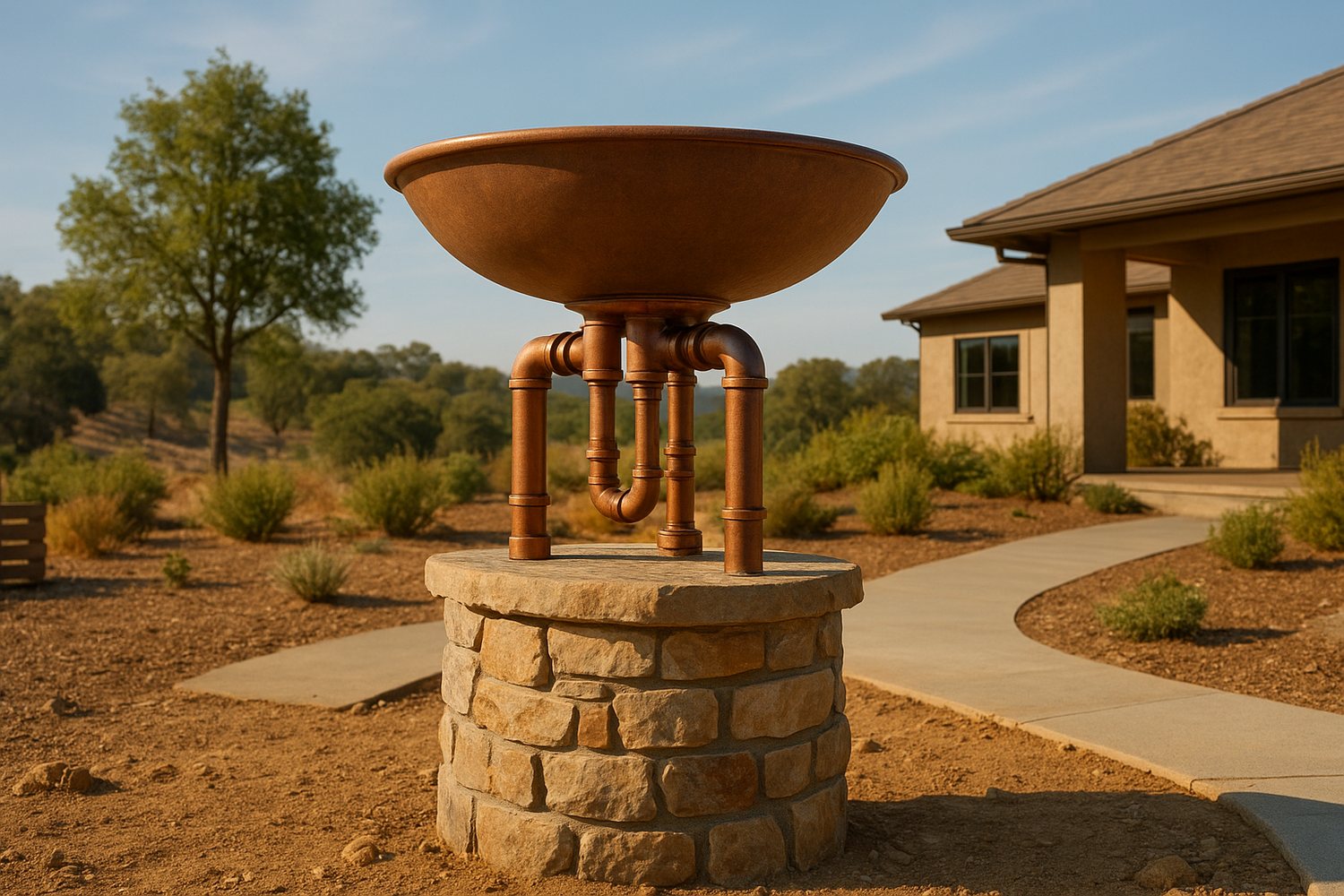
    Copper bowls are striking, making them a focal point even before the water starts flowing. Over time, copper develops a natural patina, shifting from bright metallic to deeper browns and classic green hues. This aging process creates a unique look for each piece.

    Because copper is a premium metal, it imparts a sense of luxury and craftsmanship. Homeowners use copper bowls to elevate the feel of modern, Mediterranean, or transitional landscapes. Their character only increases with age, matching local preferences for outdoor spaces that feel like extensions of the home.

    It’s important to keep in mind that copper can react with water chemistry. You may notice slight color changes over the years, which most see as a bonus. Regular gentle cleaning and checking for buildup help maintain their beauty—but copper isn’t for everyone.

    • Natural patina forms over time
    • Distinct metallic shine early, elegant green/bronze later
    • Best for standout focal points

    Classic Appeal: Concrete Spillway Bowls

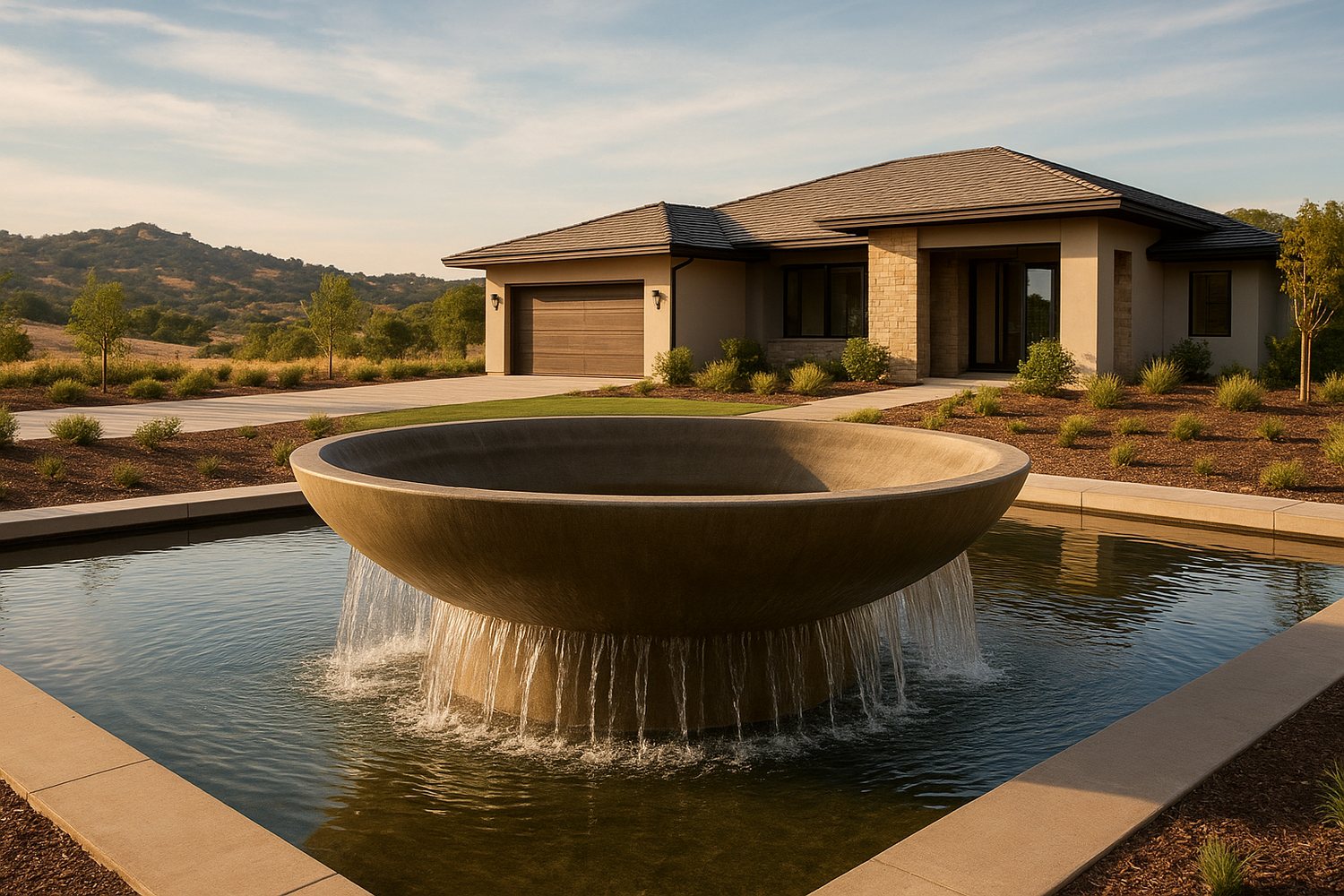
    Concrete spillway bowls are versatile and durable, making them a mainstay in outdoor water features. They can be cast in a range of shapes, sizes, and finishes—from smooth and modern to textured and traditional—offering exceptional flexibility in design.

    Their neutral tones blend seamlessly into California landscapes. With proper sealing and occasional maintenance, concrete stands up well to the area’s hot summers and occasional winter frost. The finish on concrete can also be colored or stained to match patio materials, pool decking, or nearby retaining walls.

    Unlike copper, concrete bowls do not develop a patina. If you want a consistent appearance year after year, concrete is an excellent choice. It’s also tough enough for high-activity spaces where durability and stability matter most.

    • Shaped and finished to fit any style
    • Color can be matched to surroundings
    • Easily holds up to daily use

    Copper vs Concrete: What Really Matters in Our Region

    Placer, Sacramento, and El Dorado Counties have their share of hot, dry spells and occasional winter chills. Both copper and concrete bowls can handle these conditions, but their appearance and care requirements differ. Copper ages gracefully but needs occasional checks for lime or mineral buildup—especially with hard water.

    Concrete bowls perform well outdoors and are often more forgiving if you’d rather minimize ongoing maintenance. However, if not sealed, harsh weather or irrigation overspray can lead to staining or minor surface cracks. Routine inspection and simple cleaning protect their surface and function.

    Consider your outdoor space’s overall style, willingness to do light upkeep, and the type of water (pool, pond, or recirculating fountain). The best choice fits both your practical needs and design vision—and blends comfortably with the existing materials around your home.

    • Copper needs rare but regular care
    • Concrete offers low maintenance when sealed
    • Both work well in our regional climate
    FeatureCopper BowlsConcrete Bowls
    DurabilityExcellent, may develop patinaExcellent, highly resistant to weather
    MaintenanceOccasional gentle cleaning neededMinimal if sealed, easy to clean
    CustomizationLimited shapes, unique agingHighly customizable shapes and finishes
    AestheticsBright to patinaed, attention-grabbingNeutral to bold, blends with hardscapes
    Best ForElegant accents, statement piecesMatching patio or pool, versatility

    Comparing Key Features of Copper and Concrete Bowls

    Making an informed choice is easier with a side-by-side comparison of copper and concrete spillway bowls. Let’s break down durability, maintenance, customization, and how each material weathers in local conditions.

    Remember, the right bowl is about what serves your household best—whether that’s a bold patina over decades or a neutral, lasting statement that supports other landscape elements. This simple glance can help solidify your decision.

    Here’s how copper and concrete spillway bowls stack up in important categories for Northern California homeowners.

    Explore more choices by viewing our overview of allWater Featuresoptions.

    Installation Realities: What to Know Before You Order

    Spillway bowls must be properly installed for long-lasting enjoyment. Copper bowls are lighter, which can simplify handling, but require non-corrosive plumbing and a solid, level base. Their fittings should match the water flow and chemistry expected in this region.

    Concrete bowls, due to their weight and customizable size, need careful placement and robust support—especially if installed on raised walls or columns. Choose an installer who understands how weather changes, irrigated landscapes, and shifting soils affect the underlying concrete.

    Regardless of material, professional installation ensures the bowl’s water flow, angle, and integration work as intended. Experienced contractors also select appropriate sealants and anchor points, reducing future issues tied to local climate and soils.

    • Copper is lighter, easier to move
    • Concrete requires strong support on walls
    • Both need correct plumbing for water quality

    Maintenance Tips for Spillway Bowls in Northern California

    Routine maintenance keeps your water feature attractive and functional. For copper bowls, rinse with fresh water occasionally to avoid buildup from Placer County’s mineral-rich supply. Avoid harsh cleaners that could strip the finish or interfere with the natural patina.

    Concrete bowls benefit from light cleaning too. If the surface is sealed, washing or brushing off organic debris is usually all that’s needed. Reapply sealant every few years for the best protection, especially where irrigation spray or pool chemicals are present.

    Watch for clogs in scuppers or spillways, especially during oak leaf drop or after high winds. Remove leaves and debris to maintain a steady flow and avoid unsightly streaking. Most routine care can be done during regular yard upkeep.

    • Use gentle cleaners and fresh water
    • Reseal concrete bowls periodically
    • Clear leaves from spillways often

    How to Choose: A Practical Guide

    If bold color and one-of-a-kind aging are priorities, copper bowls stand out—and show off their character over time. If you prefer uniform color and a versatile fit, concrete offers more options and reliable performance in active outdoor settings.

    Factor in the look of your home, pool, hardscaping, and landscaping. Many local homeowners appreciate bowls that coordinate with these elements instead of standing apart. Your maintenance preferences, and how hands-on you want to be, will also help tip the scales.

    If you’re still weighing your options, reach out to a qualified local contractor who specializes in water features, patios, and materials that work well in our climate. With the right advice, your outdoor space will benefit from a feature that’s as practical as it is beautiful.

    • Copper: high impact, unique patina
    • Concrete: subtle, blends in, highly customizable
    • Look, upkeep, and setting all matter

    If you’d like guidance tailored to your home,request a consultationwith California Hardscapes today.

    Spillway bowls and scuppers: see the full guide to spillway bowls and scuppers, or browse every water features option.
    Your project

    Planning a water features project?

    Call or text 916-741-0633, or email sales@californiahardscapes.com with your address, a short description and a few photos, and we will arrange a consultation.
  • Designing with Spillway Bowls and Scuppers: Placement Ideas for Local Yards

    Designing with Spillway Bowls and Scuppers: Placement Ideas for Local Yards

    Well-placed spillway bowls and scuppers can add ambiance and value to your outdoor space. Local design decisions make a difference.

    Why Consider Spillway Bowls and Scuppers?

    Spillway bowls and scuppers are popular water features for good reason: they instantly introduce movement, soothing sound, and visual interest to a yard. The controlled water flow can soften hardscape lines and bring a relaxing vibe to patios or pool sides. Homeowners in Rocklin, Roseville, and surrounding communities often select these features when aiming for simple elegance without overpowering an outdoor setting.

    These structures blend modern and classic design elements, making them flexible enough for a range of landscape themes. From Mediterranean-inspired pools to minimalist seating areas, spillway bowls and metal scuppers adapt well if installed thoughtfully. The variety in materials and shapes—like cast concrete, corten steel, or copper—offers regionally relevant choices that weather gracefully over time.

    Placement is everything when it comes to water features. Where you set a spillway bowl or scupper affects water sound, safety, and sightlines from your main living spaces. Thoughtful placement can also reduce water waste and maintenance. For Placer and Sacramento County homes, these considerations pay off in lasting curb appeal and daily enjoyment.

    For more inspiration and placement ideas, visit ourSpillway bowls and scuppersfeature page.

    Matching Water Features to Your Property

    Our region’s diverse home styles, from newer developments in Roseville to more established lots in Auburn, call for water feature placement strategies that respect the property’s unique proportions. For smaller yards, a paired-down single spillway bowl can become a contemplative focal point without overwhelming the space. Larger properties may support multi-bowl or scupper displays, such as tiered flows into a pool or pond.

    Site conditions matter. Homes in Granite Bay might have gently sloping yards, making it practical to use elevation shifts for naturalistic cascades. In Folsom, where backyards may be flatter, spillway bowls near patios or nestled among retaining walls can break up open sightlines. No matter the lot, ensuring a clear view from inside your main living areas strengthens the connection between indoor and outdoor spaces.

    Function is as important as aesthetics. Consider how children, pets, and guests move through your landscape. Keep water features within sight from seating or kitchen windows—letting you enjoy their sound and view, while keeping safety in mind. Analyze sun and wind exposure too: placing bowls on the leeward side of a wall or structure can minimize splash loss.

    • Use small bowls for intimate patios
    • Tiered setups suit longer yards
    • Locate in sight of main windows for everyday enjoyment

    Selecting Materials That Last in Local Conditions

    Choosing the right materials is essential for durability and style. In our hot, dry summers and cool, damp winters, spillway bowls made of high-quality cast concrete, heavy ceramics, or weather-tough metals like corten steel and copper perform well. Avoid lightweight composites, which may not withstand temperature swings or regular use over the years.

    Water chemistry also matters. If pairing a bowl or scupper with a pool, make sure the metals or finishes are pool-safe to avoid corrosion and staining. For freshwater garden bowls or pond features, ceramics or sealed concrete are reliable options. The right finish can minimize unwanted algae and make cleanup easier during peak pollen seasons.

    Material selection influences the overall look—warmer rust tones for naturalized gardens, sleek concrete or blackened steel for contemporary designs, and timeless polished copper for a bit of luxury. For all materials, proper installation is the foundation of long-term success, supporting both appearance and performance.

    • Corten steel resists rust and blends into landscape
    • Cast concrete is versatile and long-lasting
    • Copper adds elegant patina but needs careful selection for pool use
    FeatureBest UseMaterial OptionsMaintenanceSound Level
    Single Spillway BowlSmall patios, focal pointsConcrete, ceramicLow to moderateGentle trickle
    Tiered Spillway BowlsLarge yards, sloped sitesConcrete, steelModerateLayered/cascading
    Wall ScupperPools, retaining wallsCopper, stainless steelLowMedium to strong
    Bowl + Basin ComboFamily gardens, low maintenanceConcrete, ceramicLowGentle

    Placing Spillway Bowls for Maximum Impact

    Strategic placement amplifies the benefits of spillway bowls and scuppers. The ideal location draws the eye, minimizes splash, and makes use of natural elevation or existing features. For most properties in Rocklin and the surrounding towns, placing bowls at the perimeter of patios or above retaining walls helps integrate the feature into the landscape design, rather than as a standalone element.

    Think about proximity to seating. Hearing the gentle sound of water while relaxing outdoors is a daily luxury, but too much noise near dining zones can be distracting. Set spillway bowls just out of reach and let the sound filter into the space, rather than compete with conversation. Position scuppers so their water enters pools or basins at a visible, accessible angle.

    Don’t overlook lighting. Spillway bowls and scuppers take on a completely different appearance at night. Plan for low-voltage LED fixtures that highlight the falling water, transforming the feature into a nighttime centerpiece and providing added safety around wet areas. Wiring, access, and fixture type should all be addressed in the design phase.

    • Locate near gathering spaces, not too close for comfort
    • Use lighting to extend evening enjoyment
    • Integrate with retaining walls or planters for a seamless look

    Integrating with Pools, Patios, and Walls

    Many California homes pair spillway bowls and scuppers with new or existing pools. When doing so, coordinate the design with your pool’s coping, tile, and color palette for a harmonious effect. Metal scuppers can introduce a modern edge, while concrete bowls supply an organic, custom-built feel. Always set bowls above water level to allow for appealing cascades.

    For patios or gathering spots, look for natural transition points—such as where a retaining wall meets a path, or near stair landings. Incorporate plantings around the base to soften the look and reduce the tendency for splashed water to stain adjacent surfaces. If your property has multiple grade changes, spillway bowls can visibly link different levels of the yard.

    Walls are excellent backdrops for scuppers. Installed as part of a new hardscape wall or added to an existing masonry structure, they create a soothing background for seating or dining areas. Ensure the wall finish pairs well with the feature and that proper drainage is provided at the base to prevent erosion or pooling where you don’t want it.

    See the full range of choices on ourWater Featuresoverview for a complete look at your options.

    Water Management and Practical Considerations

    Water features need a thoughtful approach to plumbing and drainage, especially in our area’s mix of clay and rocky soils. Spillway bowls should be designed with intentional overflow solutions and set on well-compacted bases to avoid shifting or movement after installation. Use liners or basins that can withstand the amount of water flow you plan to enjoy.

    Evaporation rates are high during the Sacramento summer, so consider automatic refill systems or easy garden hose access for replenishing water. Splash reduction matters too—use gravel or stone at the base of bowls and scuppers to dissipate energy and reduce muddy spots. Control and conceal plumbing runs wherever possible for a clean, professional look.

    Consider how much maintenance you’re willing to do. For more hands-off landscapes, a larger basin or pond below a spillway bowl can capture water and minimize topping off. Select features with removable debris screens to keep leaves from clogging pumps, especially during autumn’s leaf drop common to Auburn and Granite Bay.

    • Plan for easy water access for refilling
    • Include overflow and drainage in the design
    • Design landscaping to manage splash and runoff

    Working with an Outdoor Construction Team

    Collaborating with experienced outdoor construction professionals makes all the difference in blending water features seamlessly into existing hardscapes, patios, and plantings. An integrated approach ensures that spillway bowls and scuppers feel like part of a cohesive design, not just afterthoughts. Licensed and bonded contractors can manage complex site work, plumbing, and ensure safe electrical installation for lighting.

    Discuss your priorities early in the planning stage—from sound levels and views to cleaning preferences and child safety. A professional builder can suggest placement and materials that meet your needs without surprises down the road. Local teams have valuable insight into our region’s climate, soil, and landscaping trends, streamlining the permitting and installation process.

    Clear communication is essential for a successful outcome. Share inspiration images and collect samples of materials that appeal to you, but stay open to your contractor’s regional knowledge. Involve your outdoor construction team in every step, from conceptual sketches to the final walk-through, for results that stand the test of time.

    • Work with licensed, bonded, and insured professionals
    • Review site plans and inspirations before construction
    • Prioritize features that suit your lifestyle and property

    Getting Started with Your Spillway Bowl Project

    The first step is a conversation. Take stock of how you want to use your space—entertaining, relaxing, or making visual statements—and start gathering ideas. Walk your site at different times of day to observe sun, shade, and sightlines, then note where a spillway bowl or scupper might provide the most enjoyment. Bring these thoughts when you meet your local contractor.

    Professional guidance goes a long way in sorting through the details: water source, safe electrical supply for pumps and lighting, and opportunities to coordinate with other planned improvements like patios or landscape lighting. An experienced builder will flag any site constraints early and suggest creative solutions for challenging slopes, soils, or access points.

    From initial concept to completed installation, stay focused on the features and placements that will bring the most comfort, style, and ease to your life outdoors. With careful planning and collaboration, spillway bowls and scuppers can transform your yard into a tranquil retreat, tailored for our Northern California climate.

    • Assess your property at different times of day
    • List your must-have features
    • Consult an expert for tailored recommendations

    Ready to start planning your project?Request a consultationto talk placement, design, and materials.

    Spillway bowls and scuppers: see the full guide to spillway bowls and scuppers, or browse every water features option.
    Your project

    Planning a water features project?

    Call or text 916-741-0633, or email sales@californiahardscapes.com with your address, a short description and a few photos, and we will arrange a consultation.
  • Choosing the Right Pump and Plumbing for Your Water Feature

    Choosing the Right Pump and Plumbing for Your Water Feature

    A water feature adds soothing sights and sounds to any yard. To keep it running reliably, choosing the right pump and plumbing is essential.

    Why Proper Pump Sizing Matters

    A water feature is only as good as its pump. The right pump keeps your feature flowing smoothly, whether you’re running a simple bubbling urn or a multi-tiered waterfall. Undersized pumps may leave you with stagnant water, while oversized models can waste energy and money.

    Pump sizing isn’t one-size-fits-all. Every yard and design calls for calculating water flow and feature height. In our region, reliable pumps are crucial for coping with summer heat and occasional leaf debris. A well-sized pump requires less maintenance and keeps water features crystal clear.

    Selecting the correct pump at the start prevents headaches down the road. Homeowners in Rocklin, Roseville, Granite Bay, Folsom, and Auburn benefit from a well-planned and balanced system that stays efficient through every season.

    • Undersized pumps may cause poor water flow.
    • Oversized pumps use extra energy and cost more.
    • Proper sizing reduces maintenance demands.

    For more technical details on choosing pumps and plumbing, explore ourPumps, plumbing and power for water featurespage.

    Understanding Flow Rate and Head Height

    To size a pump, you need to know your desired water flow (measured in gallons per hour, or GPH) and the vertical height, or ‘head height’, the water must travel. These two numbers guide your selection and ensure performance matches your vision—for example, a gentle sheet of water versus a lively stream.

    Flow rate depends on your feature’s design. A smaller fountain may need 100 to 200 GPH, while a stream or waterfall could require 1,000 GPH or more. Head height is the distance the water must climb before it spills back down. Even a few feet of elevation changes the requirements significantly.

    Calculate these numbers early in your planning, and remember that every bend in plumbing adds resistance, impacting pump choice. Many homes in this region have grade changes and elevation differences that require careful calculation.

    • Measure the highest point water reaches (vertical head height).
    • Estimate flow rate for your feature size.
    • Add a safety margin for plumbing friction and debris.

    Sizing the Pump for Your Feature

    Once you have your flow rate and total head height, review the pump’s manufacturer chart to match your requirements. Every pump performs differently—what pushes 1,000 GPH at ground level may push much less at 6 feet of head.

    Start by making a simple chart with your numbers—feature type, target flow, and measured head—then check available pumps to see which ones meet or exceed both values. Look for efficiency ratings and serviceability, especially given the changing temperatures and debris of Northern California’s seasons.

    Remember, a pump that’s just slightly oversized is better than one that’s too small, especially if plumbing runs are longer or you anticipate future upgrades. Choosing wisely now saves effort and costs later on.

    • Check GPH at your measured head height.
    • Consult pump charts, not just packaging.
    • Choose durability for local weather and leaf load.
    Feature TypeRecommended Flow (GPH)Typical Head Height (ft)Suggested Pipe Size (in)Pump Feature
    Small Fountain100–2001–31Debris Tolerance
    Stream or Brook500–1,0002–61.5Energy Efficient
    Multi-tier Waterfall1,200–2,4005–102–2.5High Lift Capability
    Koi Pond w/ Waterfall1,800+4–82Dual Purpose
    Urn/Spillway150–4002–41Quiet Operation

    Plumbing: Sizing Pipes for Reliable Flow

    Plumbing pipe size is just as important as pump size. Pipes that are too narrow choke flow, forcing the pump to work harder and possibly shortening its life. The right pipe diameter allows water to move freely, reducing pressure and energy use.

    Most residential water features use flexible PVC or poly pipes sized between 1 to 2.5 inches, depending on the flow rate. If your pump requires a high flow, always use a larger pipe to maintain steady performance—this is even more crucial on hot, dusty days when debris is more likely.

    Plan for minimal bends and avoid sharp 90-degree turns in your plumbing, which add friction and extra pressure. When in doubt, size up—larger pipes can make maintenance and upgrades easier without adding much cost.

    • Match pipe size to pump output.
    • Use fewer sharp angles in plumbing runs.
    • Bury or cover pipes to protect from sun and debris.

    Electrical Needs: Powering Your Water Feature Safely

    Your pump will need a dedicated, weather-protected power source. Most pumps in water features require standard household voltage, but some larger features or lighting add-ons may call for a special circuit or GFCI outlet.

    Plan electrical installation alongside plumbing and location. Consider hiring a licensed contractor familiar with local codes and outdoor conditions. An outdoor-rated plug with a cover keeps your system safe, especially during winter and heavy watering cycles familiar to our area.

    Keep cables tidy, avoid trip hazards, and be certain connections stay out of standing water. Ensuring the right power now prevents service issues and helps your pump and features last longer.

    • Use GFCI-protected outlets outdoors.
    • Conceal cords for both aesthetics and safety.
    • Hire only qualified contractors for electrical work.

    To get inspired by the possibilities, browse ourWater Featuresoverview for design ideas and options.

    Regional Considerations: Adapting for Northern California

    Local climate, debris, and water supply matter when sizing pumps and plumbing. Our area’s hot summers can quickly evaporate water, meaning features may need frequent top-offs and pumps should run efficiently to save power.

    Falling leaves and windblown debris can clog small pipes and filters. Choose pumps with debris-handling features and plan for easy access during cleaning. Slightly oversizing pipes can help cope with this seasonal load, reducing the chance of clogs.

    Drought awareness in Placer, Sacramento, and El Dorado counties means considering recirculating systems and automatic fill valves. Efficient pumps and tightly sealed plumbing support water-wise landscapes while keeping your feature beautiful year-round.

    • Select energy-efficient pumps.
    • Plan for leaf and debris management.
    • Check with local experts on watering ordinances.

    Common Water Feature Types and Their Pump Needs

    Features range from small fountains to bold multi-level falls. Each style places unique demands on pumps and plumbing. Bubbling urns and pondless waterfalls often need modest flow but reliable operation. Larger cascades or pool spillways call for more power, larger pipes, and additional filtration.

    Here in the foothills and valley communities, tiered features are popular for both visual and sound effects. They may have several drop points, which increases head height and total flow required. Always add together the individual flows if your design has multiple outlets.

    Koi ponds and aquatic gardens typically need both circulation and filtration, so a split system or dual pumps are common. Discuss your priorities upfront with your builder—are you seeking sound, water clarity, or dramatic movement?

    • Small fountains: low GPH, low head.
    • Waterfalls with multiple drops: high GPH, high head.
    • Ponds: balance between flow and filtration.

    Next Steps: Professional Help and Local Resources

    Sizing pumps and plumbing can get technical, but the basics are within reach for any homeowner looking to plan a water feature. However, if you want peace of mind, consider consulting with local, licensed professionals who understand the nuances of the Rocklin, Roseville, Auburn and neighboring climates.

    Quality installation adds value and reliability to your property. A local team can help with code compliance, safety, and best practices for the region’s unique weather and water conditions. Remember that a well-designed water feature is an investment in both beauty and enjoyment.

    Whether you’re just starting or refining a plan, reach out to experienced outdoor construction specialists who blend practicality with creativity. Your yard’s next upgrade can be easier—and last longer—with smart advice from people who know the region.

    • Gather your feature’s measurements and goals.
    • Ask about seasonal water use and maintenance.
    • Verify contractors are licensed and insured.

    If you’re planning a new feature and want expert advice,request a consultationwith California Hardscapes today.

    Pumps, plumbing and power for water features: see the full guide to pumps, plumbing and power for water features, or browse every water features option.
    Your project

    Planning a water features project?

    Call or text 916-741-0633, or email sales@californiahardscapes.com with your address, a short description and a few photos, and we will arrange a consultation.
  • Planning Plumbing and Pumps for Spillway Bowls and Scuppers

    Planning Plumbing and Pumps for Spillway Bowls and Scuppers

    Planning water features like spillway bowls and scuppers means giving careful thought to plumbing and pumps. Get clarity on decisions that really matter.

    Why Water Movement Matters for Spillway Bowls and Scuppers

    The tranquil effect of a spillway bowl or scupper depends on water flowing smoothly and consistently. Proper water movement prevents stagnant zones that look messy and create maintenance headaches. If water circulation is overlooked, algae and mineral buildup happen fast—common issues in this region’s warm months.

    The right plumbing setup ensures the visual appeal matches your expectations. Low flow can look underwhelming, while high flow may cause splashing, noise, or even erosion around hardscapes. Each bowl or scupper might need adjustments based on its style, height, and how much sound you want.

    Homeowners in Rocklin, Roseville, Folsom, and nearby areas especially benefit from planning out these details due to local water quality and seasonal changes. Thoughtful plumbing design balances aesthetics, comfort, and long-term maintenance in your outdoor space.

    • Consistent flow prevents algae and scaling
    • Improper water movement creates unsightly deposits
    • Customized flows suit each feature’s style and location

    Learn about design options and practicalities for these features on ourSpillway bowls and scupperspage.

    Getting Plumbing Right from the Start

    Investing time into your plumbing plan before breaking ground pays off for years. Start by mapping out each water feature, including the spillway bowls or scuppers you want, their size, and their locations in your design.

    Plan your supply and return lines. Outdoor plumbing isn’t exposed to freezing snows here, but it does face heat, roots, and shifting soil. Durable materials and proper routing will protect your system from leaks as landscaping matures. Factor in direct sun exposure, which can age some materials early.

    Every connection needs to be stout and accessible. Think about future maintenance: clean-outs, isolation valves, and unions make routine care easier. It’s better to have them and not need them than the other way around.

    • Map out each feature and its plumbing run
    • Use durable pipes suitable for local conditions
    • Add valves and clean-outs for easier maintenance

    Choosing the Right Pump for Your Water Feature

    Pump selection makes or breaks spillway bowl and scupper performance. Begin by measuring the total distance—both horizontal and vertical—the pump will push the water (total dynamic head), as well as the desired flow rate in gallons per minute for each feature.

    For features like these, magnetic drive submersible pumps often work well thanks to their energy efficiency and quiet operation. Some situations call for external pumps, especially if you have multiple spillways or a bigger reservoir. Match the pump size to the water volume and elevation so you get enough flow without excess noise.

    Take Rocklin, Granite Bay, and Folsom’s sometimes hard water into account. Go for pumps with easy-access screens or strainers, so cleaning out calcium buildup is simple. Ask your contractor to recommend pumps known for durability specific to local conditions.

    • Calculate total dynamic head for accuracy
    • Match GPM (gallons per minute) to feature size
    • Prioritize pumps easy to clean and service
    MaterialFlexibilityUV ResistanceBest For
    Rigid PVCLowHighStraight runs, long-term durability
    Flexible PVCHighModerate (must be buried)Curves, tight spaces
    Reinforced hoseModerateLow–ModerateTemporary or above-ground installs

    Piping Materials: PVC, Flexpipe, and Alternatives

    Most modern outdoor water features use either rigid PVC or flexible PVC (flexpipe). Rigid PVC is tough, reliable, and ideal for long straight runs with few turns, but it’s less forgiving under shifting soils or for intricate layouts.

    Flexible PVC is popular for spillway bowls and scuppers because it can bend around obstacles and makes installation faster. However, it’s more sensitive to UV and needs to be buried well and protected from sunlight.

    Consult with your contractor about alternatives, such as reinforced hose or specialty piping. Always check that fittings and valves you use match the pipe type and local codes.

    • Use flexible PVC for complicated routes
    • Rigid PVC is best for durability in straight lines
    • UV exposure can prematurely age some piping choices

    Balancing Water Flow: Splitters, Valves, and Controls

    A balanced system keeps all bowls or scuppers performing their best. Manifolds and splitters allow you to send water to each feature from a single pump, but the right manual or automated valves help dial in exact flow where needed.

    Manual ball valves are common and affordable, letting you set reliable flow rates with a simple twist. Consider electronic valve options for more precise control, especially if you want to adjust your water features remotely or on a timer.

    Placing flow meters and sight glasses at key points lets you monitor performance and catch issues before they become serious problems. These elements help ensure consistent appearance and sound over the life of your system.

    • Install a splitter for multiple features
    • Use manual or electronic valves for flow adjustment
    • Add flow meters to simplify troubleshooting

    Explore other types of backyard water elements in our completeWater Features overview.

    Filtration and Maintenance in the Sacramento Region

    Sacramento and Placer county water can be hard, with plenty of dissolved minerals. Without filtration, buildup clogs pumps and leaves unsightly white or green deposits. Include a cartridge or sand filter in your plumbing plan for ease of cleaning.

    Routine maintenance is part of enjoying any water feature. Plan for easy access to your pumps, filters, and strainers. A system designed with service in mind means less downtime and lower total ownership costs.

    For those considering automatic dosing systems, these can help prevent algae and scale, though they are not a substitute for manual checks. Find out what fits your budget and maintenance style before committing.

    • Choose filtration based on local water quality
    • Position filters and pumps for easy access
    • Consider automation for longer intervals between cleanings

    Electrical Safety and Local Code Considerations

    All pump and water feature wiring must follow California electrical codes for outdoor use, including using GFCI outlets and waterproof junction boxes. Engaging licensed electricians is key for safety and insurance.

    Plan the pump location to minimize electrical cable length, but also for easy routine access. Avoid running lines where future digging or gardening might hit them.

    Make sure local requirements for setback, trenching, and conduit are checked before installation. Inspections are aimed at keeping you—and your property—safe.

    • Always use GFCI protection near water
    • Secure waterproof boxes for outdoor connections
    • Verify all local code requirements before digging

    Planning Ahead: Design for Future Upgrades and Repairs

    Water features often evolve over time. Even if your initial plan is simple, run extra conduit or install capped tees where new bowls, scuppers, or lighting might go later. It’s easier and less expensive to prepare now than to dig up established landscaping later.

    Labeling and mapping all plumbing runs saves headaches if you need work done in the future. Good documentation makes troubleshooting leaks or swapping out pumps far simpler—especially after a few years have passed.

    Use unions, isolation valves, and easily accessible junctions wherever practical. This way, repairs can be done with minimal disruption to your hardscape, which is especially valuable in mature gardens or custom concrete work.

    • Install extra conduit for the future
    • Map every plumbing and electrical run
    • Use unions and valves for easier future changes

    If you’re ready to talk specifics,request a consultationwith our experienced team.

    Spillway bowls and scuppers: see the full guide to spillway bowls and scuppers, or browse every water features option.
    Your project

    Planning a water features project?

    Call or text 916-741-0633, or email sales@californiahardscapes.com with your address, a short description and a few photos, and we will arrange a consultation.
  • Stone vs Stainless: Choosing Your Modern Water Wall

    Stone vs Stainless: Choosing Your Modern Water Wall

    Exploring modern water walls for your property? The decision between stone and stainless steel is more than just visual—it’s about function and fit for local California homes.

    The Appeal of Modern Water Walls

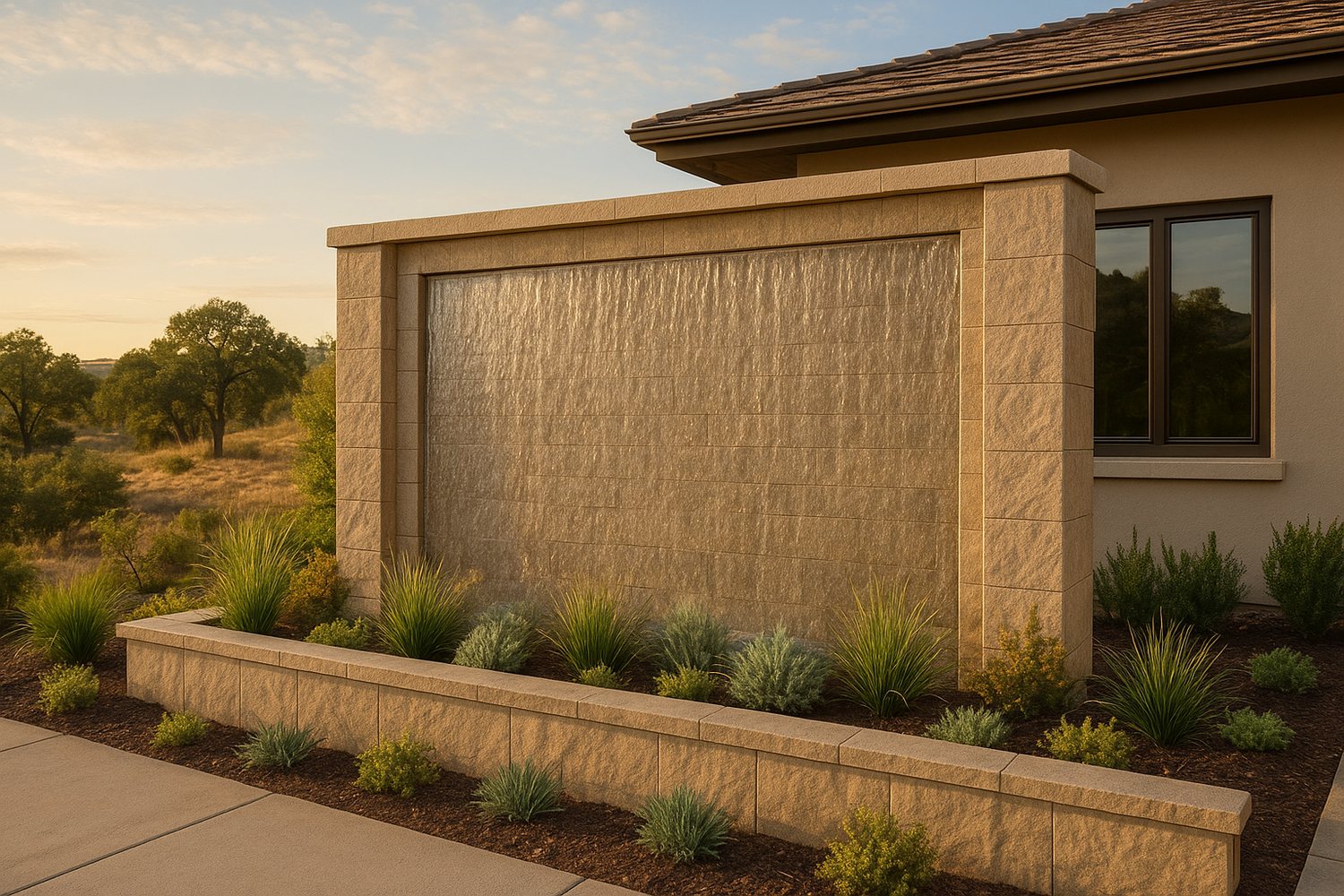
    Modern water walls offer a dramatic transformation for outdoor living areas, blending movement, sound, and architectural interest. Homeowners in Rocklin, Roseville, and the greater Placer region are increasingly drawn to these features for their ability to create a focal point in patios, gardens, or entryways. The right water wall can turn an ordinary yard into a private escape.

    But choosing the right material matters. The local climate, maintenance expectations, and your outdoor design style all play a role in your decision. Stone and stainless steel are both popular for their clean lines and durability, yet each offers a different presence and set of practical considerations.

    Before breaking ground, think about how your new water feature will interact with existing hardscapes, landscaping, and your home’s style. No one material is perfect for every use—understanding the trade-offs helps ensure years of enjoyment.

    Key points to consider:

    For more inspiration and expert advice, see ourModern water wallspage.

    Stone Water Walls: Timeless and Textured

    Natural stone water walls create a grounded, organic look that blends seamlessly with California’s landscape. Especially in areas like Auburn and Granite Bay, where expansive lots and heritage oaks are common, stone offers an earthy complement and subtle color variation. The tactile quality appeals to homeowners aiming for a classic, inviting atmosphere.

    Durability is another plus: local granite, slate, and sandstone options handle our hot, dry summers and cooler winters with minimal fading or cracking. A well-installed stone water wall often becomes a permanent fixture, aging gracefully over decades.

    However, weight and installation complexity are higher with stone. It calls for a strong foundation and skilled masonry—details that matter for safety and longevity. Even hardy stone requires periodic cleaning to prevent mineral buildup from our regional water.

    Benefits of stone water walls:

    Stainless Steel Water Walls: Sleek, Modern Impact

    For a bold, contemporary vibe, stainless steel water walls make a statement. Their mirror-like surfaces bounce light, amplifying smaller spaces and giving an immediate sense of luxury. Many homeowners in new builds or modern re-designs around Folsom and Roseville opt for stainless to reinforce clean lines and high-end style.

    Stainless excels in California’s climate—resistant to sun damage, rust, and stains when properly maintained. Maintenance is straightforward: occasional wiping keeps the surface bright and free of water spots. Stainless can also blend with a greater range of lighting designs, creating dramatic evening effects.

    On the practical side, stainless steel installations typically involve less structural weight than stone, offering more flexibility in tight spaces or where underlying soils are less stable. Sound tends to be sharper and crisper, which some find energizing, while others may prefer stone’s softer ambience.

    Why choose stainless steel:

    FeatureStone Water WallStainless Steel Water Wall
    Visual StyleNatural, textured, traditionalSleek, modern, reflective
    Weight & FoundationHeavy, needs strong baseLightweight, less structural need
    MaintenanceBrushing, sealing, descalingWiping, occasional descaling
    SoundSoft, calmingCrisp, pronounced
    IntegrationBlends with natural settingsWorks well with lighting and modern decor

    Weather, Water, and Maintenance in Our Region

    Our region sees dramatic swings in temperature and occasional hard rains, plus hot, dry stretches that can put outdoor finishes to the test. Stone and stainless steel each respond differently to these conditions, so local context can tip the scales.

    Stone absorbs and releases heat gradually, helping it stay comfortable to touch—even in the summer sun. Over time, moss or mineral scaling may develop, especially if your home draws from hard well water. Simple sealed finishes or routine brushing help preserve its look.

    Stainless steel heats up faster in high sun but cools quickly after sunset. It resists algae and is easy to wipe clean, but visible streaks from dried water droplets are more common. Homeowners who hate visible maintenance may want to consider these seasonal realities.

    Regional considerations for both materials:

    Installation Complexity and Considerations

    Installing a water wall is more than placing a feature and turning on the pump. The structure, access to power and water, and integration with your patio, pool, or retaining walls all drive project complexity—and cost.

    Stone walls typically require a deeper foundation due to their weight, and the use of heavy machinery for delivery and placement. This is especially true for multi-level yards or properties with challenging access, like those in Auburn or along foothill terrain.

    Stainless steel walls, while lighter, can involve more custom fabrication offsite and precise leveling onsite to ensure even flow and reduce splatter. Both materials demand attention to water management—including proper drainage away from structures and skilled electrical work for lighting.

    Key installation factors:

    Compare other options on our comprehensiveWater Featuresoverview.

    Sound, Lighting, and Atmosphere

    Water wall sound can completely change your outdoor environment. Stone tends to diffuse sound, creating a gentle trickle—even in a larger installation. Stainless steel, with its smooth surface, produces a sharper, more noticeable sound that can mask nearby noise effectively.

    The ability to integrate lighting is another major aesthetic factor. Stainless steel reflects colored LED lights vividly, adding dramatic effect after dark. Stone walls absorb and diffuse light, creating a natural glow that feels warm and subtle.

    Consider how close seating or dining areas are to your feature, as the water’s acoustics and light will set the mood. Preferences vary—there’s no wrong answer, just what matches your vision for the space.

    Atmosphere tips:

    Care, Longevity, and Local Know-How

    No water wall is truly maintenance-free; local water quality and outdoor exposure eventually demand upkeep. Stone features need occasional resealing and brushing to prevent mineral stains if exposed to hard tap water. Stainless steel benefits from regular wipe-downs to prevent spotting, but doesn’t require sealing.

    Longevity is strong for both choices when installed by pros who know our soils and drainage challenges. The distinction comes in aesthetics: stone develops patina over decades, while stainless keeps a crisp, modern look with minimal fading. Both can perform for years when their needs are met.

    When choosing a contractor, prioritize experience with local installations—understanding local water, soils, and sun exposure is just as important as build quality. Licensed, bonded, and insured crews bring peace of mind, especially for complex features.

    Maintenance at a glance:

    Which Water Wall Is Right for You?

    Your personal style, maintenance preference, and how you plan to use your outdoor space should drive your choice between stone and stainless. Want a bold, eye-catching centerpiece? Stainless will deliver. Looking for timeless appeal and natural texture? Stone might be your best fit.

    There’s no single “right” answer—local materials, existing hardscapes, and your willingness to maintain the feature all weigh in. Reflect honestly on how you’ll use the space, and talk openly with your contractor about the real-world trade-offs.

    For modern water wall design and installation in Rocklin, Roseville, Folsom, Auburn, and surrounding communities, work with professionals who understand local soils and finishes. It’s the difference between a short-lived showpiece and an enduring landscape investment.

    Ready to discuss your own water wall?Request a consultation.

    Modern water walls: see the full guide to modern water walls, or browse every water features option.
    Your project

    Planning a water features project?

    Call or text 916-741-0633, or email sales@californiahardscapes.com with your address, a short description and a few photos, and we will arrange a consultation.
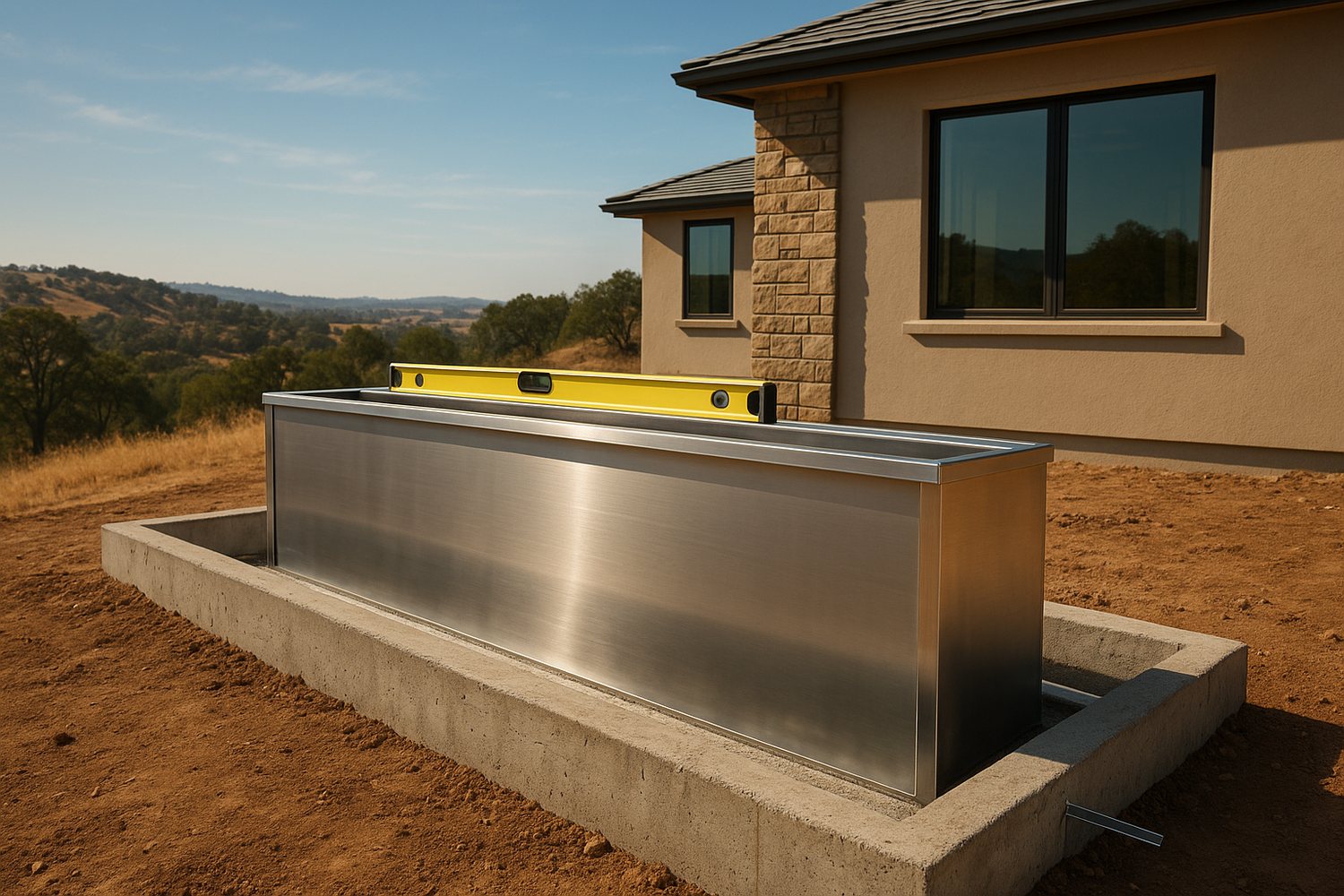
  • Choosing Energy-Efficient Pumps for Water Features in Sacramento Area

    Choosing Energy-Efficient Pumps for Water Features in Sacramento Area

    Homeowners in Placer, Sacramento, and El Dorado Counties want water features that look amazing—without surprise energy bills. Choosing the right pump makes all the difference.

    The Right Pump Sets the Stage

    Pumps are the heartbeat of any fountain, pond, or waterfall. In our region’s hot summers, a pump can run for hours each day, so selecting the right model pays off over time. Above all, reliability and efficiency matter most for lasting enjoyment.

    Pumps come in direct-drive and magnetic-drive types. Both push water through plumbing lines, but their design affects power draw and running cost. Homeowners often overlook this choice, focusing on size or brand, but energy use quickly adds up.

    If you’re planning a pond or bubbling feature anywhere from Rocklin to Auburn, start your plumbing and pump discussion early. The right placement plus a matched pump ensures even flow, easy maintenance, and lower operating expenses.

    • Choose pumps rated for continuous use
    • Size pump output to your feature’s volume
    • Plan pump access for easy cleaning

    For a closer look at plumbing, power, and reliable pumps, visit ourPumps, plumbing and power for water featurespage.

    Comparing Energy-Efficient Pump Options

    Energy-efficient pumps use smarter motors and impellers to reduce power needs without sacrificing water movement. Magnetic-drive (mag-drive) pumps are especially popular in Northern California for their quiet, long-lasting performance.

    Direct-drive pumps, while powerful, are best for features needing higher lift or spray. However, they typically draw more watts per gallon moved, which means higher monthly bills compared to energy-saving models.

    Whenever possible, look for ENERGY STAR rated equipment or ask about variable-speed models. Variable-speed pumps automatically adjust flow and speed, cutting usage during low-demand hours without compromising the effect you want.

    • Mag-drive: best for small-medium features
    • Direct-drive: higher pressure, higher cost
    • Variable-speed: top efficiency for large custom features

    Power Consumption: What to Expect

    How much energy will a pump use daily? Even small differences in wattage can bump up your utility bills, especially in hot summers when continuous operation is common.

    Energy-efficient choices can save significant money over a typical season. For example, a high-efficiency mag-drive pump may use half the electricity of a similar output direct-drive unit. Over months of use, that adds up.

    Always check the pump’s specs for wattage and recommended application. Consider whether your home’s electrical system can support added demand and if outdoor GFCI outlets are placed safely for pump hook-ups.

    • Check wattage, not just horsepower
    • Plan dedicated circuits for larger features
    • Use GFCI outlets for safety
    Pump TypeEfficiencyNoise LevelBest ForAvg. Monthly Cost
    Magnetic-DriveHighVery LowSmall-Medium Ponds, FountainsLow
    Direct-DriveModerateModerateWaterfalls, High HeadsMedium-High
    Variable-SpeedHighestLowCustom, Large FeaturesLowest
    Solar-AssistedVariesLowRemote/Off-Grid FeaturesLowest (Day Only)

    Longevity, Maintenance, and Local Water Quality

    Pumps in the Sacramento area face unique challenges: mineral-rich hard water, debris from our dry summers, and rapid temperature swings. These factors can shorten pump life—unless you invest in models designed to handle them.

    Energy-efficient pumps typically have fewer moving parts and sealed motors, which reduce maintenance and resist mineral buildup. Less cleaning and repair work mean more uninterrupted enjoyment.

    Ask your installer about maintenance intervals. Regular cleaning and occasional descaling keep pumps operating at their rated efficiency. This is particularly important in our region, where hard water can lead to limescale.

    • Mag-drive: low-maintenance, good with hard water
    • Direct-drive: periodic seal replacement, more sensitive to debris
    • Checklist: flush system seasonally, inspect intake screens

    Consider Plumbing Layout for Peak Performance

    A water feature’s plumbing is as crucial as the pump itself. The way pipe routes are planned—distance, diameter, and elevation change—all impact how hard a pump must work.

    Shorter, straighter pipe runs and larger diameters lower resistance, letting an energy-efficient pump move more water with less strain. Smart plumbing design cuts energy use and may even allow for a smaller, less expensive pump.

    Professional contractors consider these factors from day one, ensuring your feature delivers the intended effect without overworking the pump. Efficient layout also makes future maintenance simpler.

    • Keep plumbing runs short and direct
    • Increase pipe diameter for larger features
    • Minimize sharp bends and elevation changes

    Want to explore every available option for your yard’s water feature? See ourWater Features overview.

    Electricity: Supplying Safe and Reliable Power

    Any pump installation needs robust electrical planning. Outdoor conditions—moisture, sun, and pests—can wear on wiring and connections if not selected and protected properly.

    Always use weather-resistant, properly grounded outlets and run wiring in conduit rated for outdoor use. In this region, high heat adds stress to transformers and circuit boxes, so overspecifying components is a smart move.

    GFCI outlets are essential for every pump, reducing shock risk. Professional installation ensures peace of mind and helps you meet local codes for pools and water features.

    • Use GFCI and weatherproof covers
    • Route wires in UV-protected conduit
    • Consult a licensed electrician for upgrades

    Balancing Initial Costs with Long-Term Savings

    Energy-efficient pumps often cost a little more up front than standard models. However, the lower monthly operating costs pay off, especially when your water feature runs daily for many months each year.

    Over a few years, the energy savings can outweigh the price difference, all while providing quieter and more reliable operation. This is especially true in larger features or those run on programmable timers.

    Factor in utility incentives that may be available for ENERGY STAR rated pumps in California. Your contractor or installer can help you identify qualifying equipment and apply for rebates.

    • Higher initial spend, lower monthly bills
    • Reduced maintenance and repairs
    • Look for available energy rebates

    Making Your Decision: Practical Advice

    List your priorities: low maintenance, quiet operation, or maximum flow. For most local homeowners, energy efficiency and easy care are top concerns, making mag-drive or variable-speed pumps ideal for most small to mid-sized features.

    Don’t forget to match your pump to the feature’s scale and look at the complete system: plumbing layout, power supply, and even the type of water you’ll be using—hard well water or municipal supply.

    A qualified contractor can help size and select the right pump, plan safe power, and install plumbing to maximize your investment. That helps your water feature run smoothly—and saves surprises down the line.

    • Match pump to feature size and use
    • Consider all components as a system
    • Consult experts for setup and selection

    Connect with us to discuss the best pumps and plumbing for your landscape—reach out torequest a consultation.

    Pumps, plumbing and power for water features: see the full guide to pumps, plumbing and power for water features, or browse every water features option.
    Your project

    Planning a water features project?

    Call or text 916-741-0633, or email sales@californiahardscapes.com with your address, a short description and a few photos, and we will arrange a consultation.
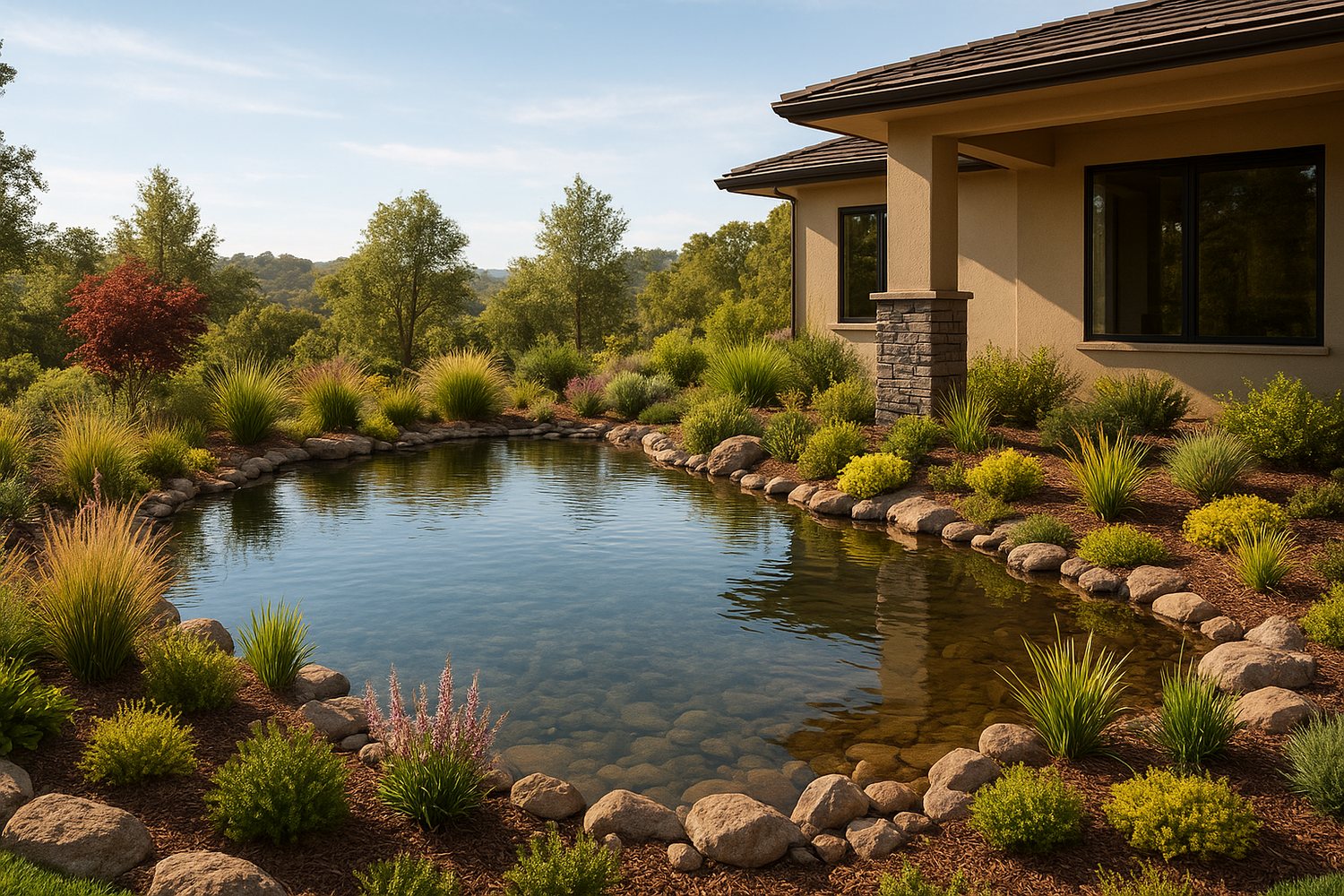
  • Modern Water Walls for Small Outdoor Spaces

    Modern Water Walls for Small Outdoor Spaces

    Modern water walls offer a standout design feature even in small spaces. Homeowners around Rocklin and nearby communities have more options than ever before to create a tranquil, stylish focal point.

    Why Modern Water Walls Work in Small Yards

    A water wall can instantly create a sense of calm and luxury, no matter the size of your backyard. Unlike sprawling ponds or large fountains, modern water walls use vertical space, making them ideal for compact outdoor living areas in Rocklin, Roseville, Granite Bay, and Folsom.

    Many newer homes in our region maximize indoor footprint, but outdoor areas are limited. Water walls provide an impactful yet space-efficient way to add visual interest without overwhelming the yard or patio.

    These features can be integrated along property lines, fences, or as a backyard divider, helping to define outdoor rooms without sacrificing usable space. Their clean lines also complement popular modern California landscape styles.

    • Ideal for side yards, narrow patios, or small entry courtyards
    • Vertical profile preserves valuable ground space
    • Softens hardscapes with movement and sound

    Learn more about options and inspiration on ourModern water wallspage.

    Design Choices for Today’s Water Walls

    The most popular material choices for water walls in our region include concrete, natural stone, and sleek tile. Each offers durability against the Central Valley’s hot summers and cool winters. The finish you choose will define the mood—smooth concrete for a minimalist look, stacked stone for warmth, or dark tile for drama.

    Consider a custom-built water wall that’s proportioned exactly to your space. Modular options are available, but a well-designed custom build can make even a compact area feel intentionally curated. Lighting details are another strong consideration: built-in LED accents extend the feature’s enjoyment into the evening.

    For maximum effect in small spaces, look to designs that are contemporary but not stark. Subtle patterns, a single color palette, or simple geometric lines pair well with California Hardscapes’ modern patio and landscaping installations.

    • Concrete: modern, customizable, durable
    • Stacked stone: natural, textured appearance
    • Tile: easy to clean, bold color options

    Practical Water Wall Installation Factors

    Drainage planning is non-negotiable with any water feature. Compact yards might have limited slope or sensitive planting beds, so the placement and structure of a water wall should include real drainage solutions matched to the property’s needs.

    In Rocklin, Granite Bay, and Folsom, heat and sun exposure impact water loss. Shaded spots or built-in UV barriers limit evaporation. Integrated pumps and a recirculating reservoir system fitted by experienced contractors ensure reliability without waste.

    Sound is also a major point to consider. The soothing cascade of water can mask neighborhood noise, but should not overpower conversation. Minor adjustments in drop height or flow rate create the right balance for your lifestyle.

    • Ensure adequate drainage behind the feature
    • Opt for a recirculating pump to conserve water
    • Plan for electricity needs in advance
    Feature TypeSpace NeededMaintenanceVisual ImpactBest for
    Water WallMinimal (vertical)LowModern, clean linesSmall yards, patios
    FountainModerate (footprint)VariedClassic, traditionalEntryways, larger patios
    PondModerate to LargeHighNatural, wildlife interestLandscaped gardens

    What Maintenance Should You Expect?

    Water walls are less demanding than many traditional water features, but they do require periodic care. In our local climate, windblown debris or seasonal pollen buildup are the most common maintenance issues. Skimming and occasional surface cleaning keep the wall looking sharp.

    Choosing the right reservoir filtration and pump system makes a big difference. These systems are designed for low upkeep but should be checked regularly, especially ahead of peak outdoor season in spring and summer.

    Winterizing isn’t typically an issue in Placer, Sacramento, or El Dorado counties, but shutting the system down during extended vacations or stormy weeks is a smart practice to prolong pump life and avoid debris accumulation.

    • Clean water surfaces every 2–4 weeks
    • Schedule pump/filter checks each season
    • Empty/cover during long absences

    Choosing the Right Location

    The best spot for a water wall isn’t always obvious. Think function before form: a water wall can screen street-view patios, define an outdoor dining area, or even serve as a privacy feature along a fence. Pay attention to wind direction so water flow stays controlled and comfortable.

    Lighting makes a big difference. Natural morning or evening light enhances the movement and shimmer of water. Built-in or nearby low-voltage LEDs can make your feature a nighttime focal point, especially when paired with adjacent landscaping.

    Leave access space for maintenance tasks, and make sure the location allows for future adjustments. Consult with landscape and hardscape professionals who are familiar with common yard layouts in our communities for the most practical options.

    • Locate near patios or sitting areas for impact
    • Avoid areas directly exposed to harsh afternoon sun
    • Consider visibility from indoors for all-season enjoyment

    See all your possibilities with our complete range ofWater Featuresfor California yards.

    Modern Water Walls vs. Other Compact Water Features

    With so many choices available, it helps to compare water walls with fountains or small ponds. Water walls are ideal for tight, linear spaces, creating a contemporary accent without dominating the whole yard. They’re also easier to tailor to unique layouts in Rocklin, Folsom, and other local areas.

    Freestanding fountains take up more footprint and may lack the integrated look many homeowners want. Ponds add wildlife interest but require more ongoing care and water balancing, which isn’t always practical for everyone.

    A water wall offers a versatile blend of aesthetics and low maintenance that pairs well with modern hardscapes, fire features, and patio design seen across our region’s neighborhoods.

    • Water walls suit narrow side yards and courtyards
    • Standalone fountains need more space
    • Ponds attract wildlife but can be high maintenance

    Regional Considerations for Sacramento and Surroundings

    Heat, sun, and hard water are three realities across the Sacramento Valley and Sierra foothill communities—each has an impact on water wall choices. Hard water mineral buildup is common, so sealed surfaces and routine maintenance are especially wise.

    UV exposure can fade certain materials over time. Opt for finishes and sealers tested for our climate. Concrete and stone typically perform well, but check for any specific manufacturer’s recommendations in the planning phase.

    Local building codes may affect electrical and water supply decisions. Work with licensed professionals who understand regional requirements to avoid any future issues, from permitting to performance.

    • Choose UV-resistant finishes and sealers
    • Account for mineral buildup with routine cleaning
    • Consult about local code compliance from the start

    Next Steps: Bringing Your Water Wall to Life

    Ready to start planning a water wall for your outdoor living area? Begin by measuring the space and thinking through your goals—sound, privacy, or a dramatic modern accent. Bring these details to your first conversation with a local contractor.

    Selecting materials and an installation method that fits your home’s architecture and your lifestyle is a collaborative process. Review plans, get input, and don’t hesitate to ask about long-term care so you’re prepared for the seasons ahead.

    Above all, choose a team that takes the time to understand how you’ll use the space, and who brings experience working in Rocklin, Roseville, Granite Bay, Folsom, Auburn, and beyond. Good planning leads to a water wall that delivers ongoing enjoyment.

    • Measure and photograph your planned location
    • List your top two or three goals for the space
    • Discuss maintenance upfront during design

    If you’re considering a modern water wall,request a consultationwith our team today.

    Modern water walls: see the full guide to modern water walls, or browse every water features option.
    Your project

    Planning a water features project?

    Call or text 916-741-0633, or email sales@californiahardscapes.com with your address, a short description and a few photos, and we will arrange a consultation.

  • Water Feature Repair vs Rebuild: What Makes Sense for Your Backyard?

    Water Feature Repair vs Rebuild: What Makes Sense for Your Backyard?

    A broken or outdated water feature isn’t just an eyesore—it’s a decision point. Should you repair or rebuild? Let’s review what works for our soil, weather, and outdoor lifestyles.

    Why Older Water Features Fail in Placer and Surrounding Counties

    Many beloved backyard waterfalls and fountains around Rocklin, Roseville, and Folsom have been running for decades. Over time, constant sun, hard water, shifting soils, and ground movement common to Northern California can cause leaks, cracked basins, and failing pumps. Homeowners often notice slow water loss, cloudy water, or noise changes as early warning signs.

    The unique combination of summer heat, winter rains, and local soil types puts a lot of stress on concrete, mortar, and older plumbing systems in water features. Features built with less flexible materials or outdated waterproofing struggle most. Roots from mature landscaping can also disrupt underground lines or shift stones.

    Understanding why your water feature is leaking or malfunctioning is the first step. Most issues start small, so a prompt inspection can often mean the difference between a targeted repair and a complete rebuild. Knowing the underlying cause helps inform which option will deliver better long-term value.

    To learn about our full range of water feature solutions, visit ourWater feature maintenance and repairpage.

    Common Repairs: What’s Possible and Worthwhile

    Some repairs can breathe new life into older features. Patching minor cracks, replacing pumps, tightening loose plumbing, and sealing leaks are common fixes. If damage isn’t structural, and the overall design still works for your yard, repair is usually faster and less disruptive.

    Owners often choose repair when the feature is still functional and problems are isolated. For example, if a pump fails or a single liner seam splits, professional water feature technicians can replace components quickly using improved modern materials. The goal: Restore performance with minimal visible change.

    However, repairs have limits. If the underlying concrete is crumbling, major leaks are recurring, or waterproofing is outdated everywhere, further patching may just postpone a bigger problem. Evaluate repairs as a practical solution only when there’s no widespread failure.

    • Crack filling and waterproofing
    • Pump or filter replacement
    • Pipe or hose leak repair
    • Timer and electrical troubleshooting

    Rebuilding: When a Fresh Start Makes Sense

    In cases where a water feature suffers from extensive leaking, structural instability, or major design flaws, full reconstruction is the smarter route. Rebuilds allow homeowners to address long-standing issues caused by shifting soils, failing seals, or worn-out materials.

    Modern rebuilds use flexible liners, reinforced concrete, updated plumbing, and top-tier pumps. Starting fresh lets you resolve recurring leaks for good, update how the water feature looks, and integrate new technology for easier maintenance and lower water use.

    Consider a rebuild if repairs have become frequent or a previous fix didn’t last. Renovating can also accommodate other outdoor upgrades—like changing the pond shape, adding lighting, or improving drought resilience—with design options better suited for our regional climate.

    • Structural failure from shifting soil
    • Advanced waterproofing materials
    • Plumbing and equipment modernization
    FactorRepairRebuildBest ForTimeline
    Upfront CostLowerHigherMinor problemsShort
    Long-term ValueVariesHigherMajor issues/design changeLonger
    DisruptionMinimalHigher (construction)Quick fixes1–4 weeks
    LifetimeDepends on conditionExtendedFeatures with widespread failuresAfter rebuild: many years
    Design FlexibilityNoneTotal freedomUpdates & style changesIncludes planning phase

    Repair vs Rebuild: The Key Pros, Cons, and Timing

    Deciding between repair and rebuild requires a clear look at both the condition of your water feature and your long-term goals. A quick patch may fix a localized leak, but if issues are widespread or the design is showing its age, a rebuild brings peace of mind.

    Repairs are usually more affordable and deliver faster results, minimizing downtime. But they work best when problems are limited. Rebuilding opens up new design possibilities, futureproofs the system, and can increase property value—but involves a greater initial investment and longer project time.

    Timing matters in our region. Summer repairs help avoid stormwater issues, while fall rebuilds set up new features for winter rains. Consult a local contractor who understands our climate and soils to get the timing right and prevent future complications.

    Understanding Placer County Conditions: How Local Factors Influence the Choice

    Northern California’s variable weather and clay-heavy soils make certain repairs more challenging or less effective. For example, repeated freeze-thaw cycles in Auburn and Granite Bay can worsen small cracks, turning a minor fix into a bigger repair if left unattended.

    Outdoor water use is also subject to conservation measures. Features that leak or use outdated pumps may not meet current efficiency standards in Rocklin or Folsom. Upgrading during a rebuild can dramatically reduce water waste and operating costs over time.

    Local regulations and permitting also play a part. Any work that changes the structure or reroutes plumbing may require professional oversight. Using licensed, insured contractors protects homeowners and ensures compliance with both city codes and homeowner association guidelines.

    • Monitor seasonal leaks after heavy rain
    • Look for changes in water clarity or flow
    • Stay up-to-date on water conservation rules

    Explore more options and inspiration on ourWater Featuresoverview.

    How to Assess the True Condition of Your Water Feature

    Start with a careful visual inspection. Look for cracks, eroded mortar, uneven settling, or obvious leaks. Check pump function by listening for new noises or inconsistent water flow. Even subtle changes in water level can point to hidden plumbing leaks underground.

    It often pays to have a pro examine your feature. An experienced eye can spot early warning signs other homeowners might miss, such as algae forming in unusual places or stone work shifting out of alignment. Detailed condition reports help homeowners plan the right fix.

    Keep track of past repairs and how long each fix has lasted. If repairs are needed more often, or if different parts of the structure are failing at once, that’s a strong hint a rebuild could be more sensible in the long run.

    Budget and Longevity: Comparing True Costs

    It’s tempting to go straight for the lowest upfront cost, but ongoing repairs can add up. For water features with multiple problems, repeated patching and equipment replacements can outpace the price of a one-time rebuild over several years.

    Rebuilding is a bigger investment, but often means many years of trouble-free operation thanks to updated waterproofing, improved pumps, and modern construction practices. Low-maintenance options also pay off down the road with lower energy and water bills.

    Factor in both dollars and headaches. Consider not just out-of-pocket costs, but the time, effort, and disruption involved in each approach. Balance immediate needs with future plans for your outdoor space—especially if you’ll be making other upgrades soon.

    • Repairs: Short-term savings, faster turnaround
    • Rebuilds: Lower maintenance, longer lifespan
    • Track costs and frequency of previous repairs

    Making the Decision: Next Steps for Sacramento Area Homeowners

    Take stock of your feature’s current state, repair history, and your future plans for the backyard. If your water feature still has good bones and the problem is isolated, repair makes sense. If you’re repeatedly battling leaks, or want a style upgrade, consider rebuilding.

    Work with a trusted local contractor—someone who knows the climate, soils, and construction materials common to Rocklin, Granite Bay, and the broader region. They can walk you through the options, help you avoid common pitfalls, and deliver a result that fits your needs.

    Whatever path you choose, maintaining your water feature is a smart way to keep your outdoor space inviting and enjoyable. Make a decision based on what will bring long-term value, beauty, and peace of mind—then enjoy the sound of water in your personal retreat.

    Ready to discuss your project?Request a consultationwith California Hardscapes.

    Water feature maintenance and repair: see the full guide to water feature maintenance and repair, or browse every water features option.
    Your project

    Planning a water features project?

    Call or text 916-741-0633, or email sales@californiahardscapes.com with your address, a short description and a few photos, and we will arrange a consultation.