Category: Uncategorized

  • Reflecting Pools for Modern Gardens in California

    Reflecting Pools for Modern Gardens in California

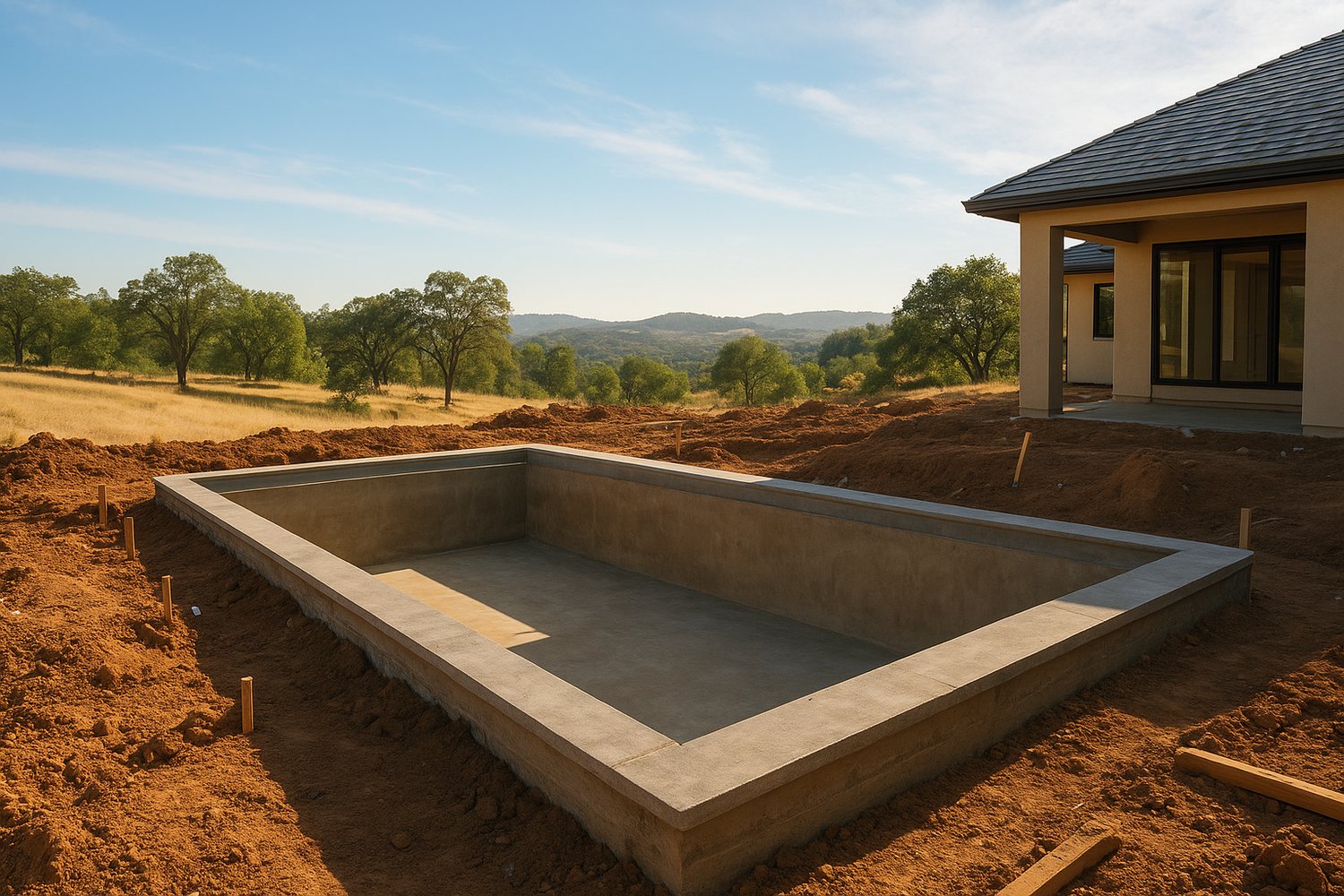
    Reflecting pools are a timeless water feature that suit today’s streamlined gardens. With the right design and execution, still water can bring serene beauty to outdoor spaces in our region.

    Why Choose a Reflecting Pool?

    A reflecting pool is all about simplicity and impact – a sheet of still water that mirrors the sky, trees, and garden architecture. For homeowners in Rocklin, Granite Bay, or Auburn, a reflecting pool adds a sense of calm that stands out without overwhelming your landscape. The element of reflection invites you to experience the outdoors from a fresh perspective.

    Modern gardens often feature clean lines, geometric shapes, and restrained plantings. Reflecting pools fit perfectly with this aesthetic. Their smooth surfaces and simple forms work well alongside contemporary hardscapes and patios, making them a natural choice for updated outdoor designs.

    In our California climate, still-water features like reflecting pools require less maintenance and water than bubbling fountains or large ponds. They offer visual drama with practical advantages, helping you create high-impact spaces that are efficient for our warm, dry summers.

    For a deeper look at reflecting pool possibilities, visit ourReflecting pools and still waterpage.

    Key Design Considerations for Modern Gardens

    Choosing the right size and shape is the first step. For a modern look, rectangles and squares are popular, but you can vary dimensions to suit your garden’s footprint. Placement is essential: situate the pool where it can capture interesting reflections without obstructing foot traffic or outdoor living zones.

    Think about the materials framing your pool. Poured concrete is an excellent choice for clean, crisp edges. Dark-tinted finishes or smooth stone can enhance the mirror effect, especially in the bold California sunlight. Seamless transitions from pool edge to patio make your garden feel larger and more unified.

    Lighting is another modern must-have. Integrated outdoor lights along the pool perimeter or subtle underwater fixtures can extend the visual impact into the evening. For safety and drama, look for low-voltage LED options that blend into hardscape materials.

    • Rectangular shapes enhance modern lines
    • Dark finishes maximize reflection
    • Integrated lighting for evening appeal

    Local Conditions: What Works in Our Region

    Gardens in Placer, Sacramento, and El Dorado counties deal with hot, dry summers and cool, sometimes frosty, winter nights. Reflecting pools should be engineered for durability, using materials that resist cracking and discoloration under temperature swings.

    Evaporation rates matter when choosing the depth of your pool. Shallower installations (8–18 inches deep) tend to be easier to maintain and refill in this climate. If you’re planning for year-round use, ensure plumbing systems can handle winterization to protect against occasional freezing.

    Consider local planting around your pool. Native grasses, architectural succulents, or low-water perennials thrive in our climate and complement a modern aesthetic. Keeping plantings sparse helps preserve the reflective magic of still water.

    • Durable concrete for seasonal changes
    • Shallow depths save water
    • Drought-tolerant planting for the border
    FeatureReflecting PoolFountainPond
    Water DepthShallow (8–18 in.)Varies (Shallow)Deep (1–3 ft.)
    Water MovementStillActiveStill/Moving
    MaintenanceLowMediumHigh
    AestheticModern, MinimalClassic, OrnateNaturalistic

    Construction Methods and Materials

    The foundation of a great reflecting pool is structural soundness. Concrete is a top pick—versatile, strong, and capable of forming crisp geometric edges. Surface treatments like micro-topping or polishing can further refine the contemporary look.

    Waterproofing is crucial. Proper liners, coatings, and joint detailing prevent leaks and reduce staining. Work with experienced professionals who understand the importance of sub-base preparation, expansion joints, and drainage systems to keep the installation looking pristine for years.

    Consider how the pool will interact with the rest of your hardscape. Coping stones, minimalist edges, or even flush transitions contribute to a seamless feel. The choices you make here can elevate the sense of quality, especially in an open modern garden.

    After section 3

    Maintenance and Water Management

    Still water features are low maintenance compared to bubbling fountains, but they’re not maintenance-free. Regular skimming removes leaves and debris that can settle on the surface—especially under oaks or pines common in our neighborhoods.

    Water quality matters. Small pumps help keep water circulating faintly, reducing algae without disturbing the mirror effect. Filtration systems and non-toxic water treatments make ongoing upkeep practical for busy homeowners.

    Evaporation during summer months means you’ll need to occasionally top up your pool. Automatic refill systems can be integrated for convenience. Seasonal cleaning and checks on waterproofing should be part of your annual yard routine to preserve your investment.

    Explore all your options on ourWater Featuresoverview for gardens in our region.

    Integrating Reflecting Pools with Other Outdoor Features

    Reflecting pools pair beautifully with patios, walkways, and retaining walls common in local landscape designs. A reflecting pool can become the visual anchor of your outdoor space, drawing the eye and establishing a sense of order.

    Consider aligning your pool with sightlines from main indoor areas for maximum day-to-night enjoyment. Minimalist seating or floating hardscape elements can invite relaxation at the water’s edge without disturbing its serene surface.

    Outdoor lighting, architectural screen walls, and strategic plantings build layers of interest around a reflecting pool. Stick with materials that echo your home’s palette for a cohesive effect. The best modern gardens let the reflecting pool quietly command the scene.

    • Align pools with patios and paths
    • Use consistent materials and colors
    • Layer lighting, planting, and shade structures

    Comparing Reflecting Pools, Fountains, and Ponds

    When adding water to your landscape, consider the strengths and style of each feature. Reflecting pools provide peaceful minimalism and maximize the visual impact of the sky and surroundings, perfect for today’s modern designs.

    In contrast, fountains can add movement and sound, masking nearby street noise and attracting birds. Ponds, with their natural shapes and depth, can host aquatic plants and wildlife but demand more maintenance.

    Deciding which is right for your garden depends on the mood you want and your willingness to maintain the feature. Still water reflecting pools deliver drama and restraint—a sophisticated match for modern California yards.

    Getting Started: Working With Professionals

    Bringing a reflecting pool to life in your outdoor space is a detail-driven process. Every successful installation starts with experienced contractors who handle everything from design to material selection to final assembly.

    A clear plan based on your yard’s microclimate, usage, and aesthetic preferences ensures the pool complements both your home and daily life. Look for teams who can coordinate concrete, hardscapes, and outdoor lighting for flawless integration.

    At California Hardscapes, licensed, bonded, and insured professionals lead every project—offering practical guidance and clear communication from start to finish. If you’re considering a reflecting pool or still water feature, reaching out for a personalized site assessment is a wise first step.

    • Choose contractors experienced with concrete and water features
    • Look for collaborative design support
    • Request a detailed, transparent proposal

    Ready for a custom water feature?Request a consultationwith California Hardscapes today.

    Reflecting pools and still water: see the full guide to reflecting pools and still water, or browse every water features option.
    Your project

    Planning a water features project?

    Call or text 916-741-0633, or email sales@californiahardscapes.com with your address, a short description and a few photos, and we will arrange a consultation.
  • Water Feature Repair vs Rebuild: What Makes Sense for Your Backyard?

    Water Feature Repair vs Rebuild: What Makes Sense for Your Backyard?

    A broken or outdated water feature isn’t just an eyesore—it’s a decision point. Should you repair or rebuild? Let’s review what works for our soil, weather, and outdoor lifestyles.

    Why Older Water Features Fail in Placer and Surrounding Counties

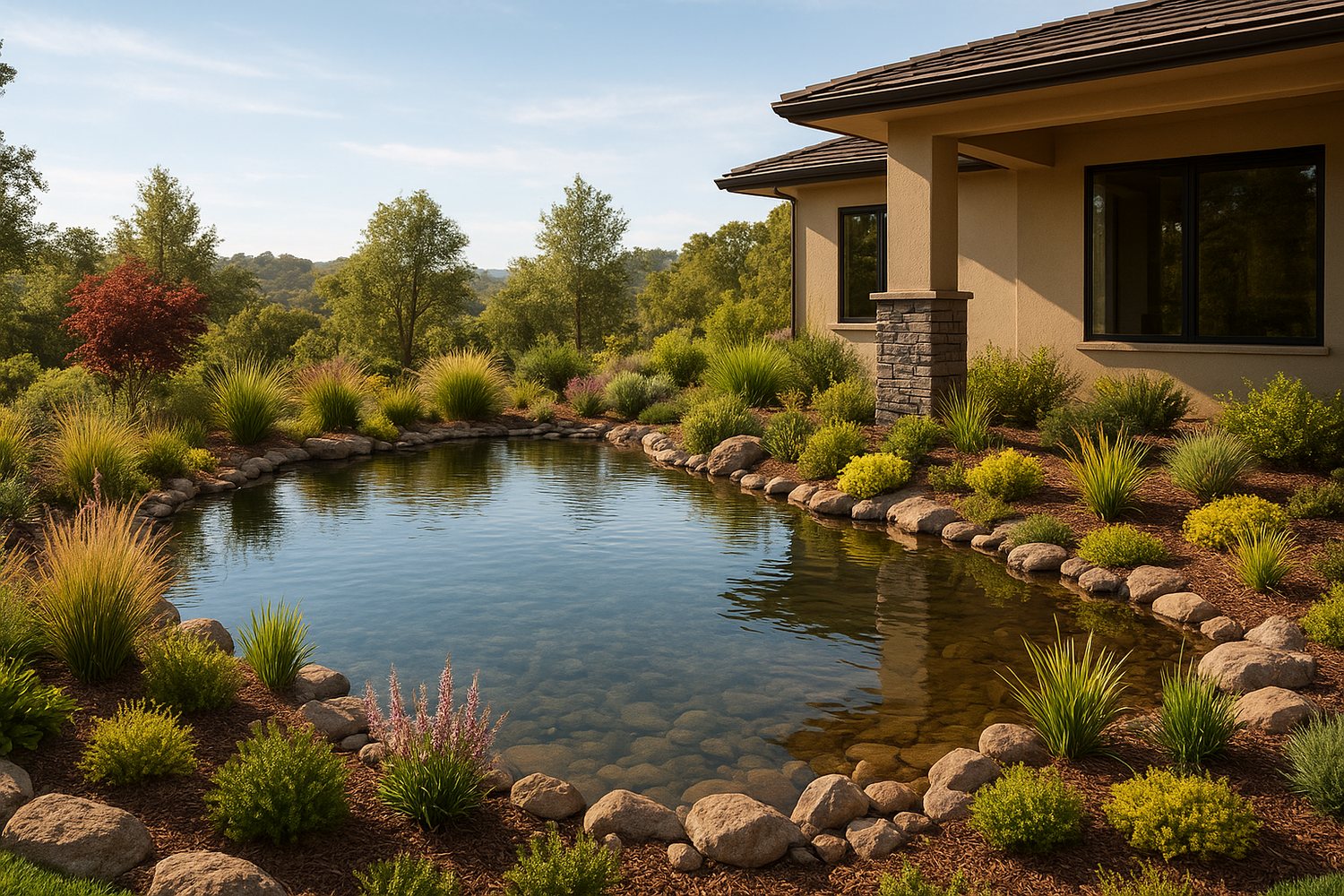
    Many beloved backyard waterfalls and fountains around Rocklin, Roseville, and Folsom have been running for decades. Over time, constant sun, hard water, shifting soils, and ground movement common to Northern California can cause leaks, cracked basins, and failing pumps. Homeowners often notice slow water loss, cloudy water, or noise changes as early warning signs.

    The unique combination of summer heat, winter rains, and local soil types puts a lot of stress on concrete, mortar, and older plumbing systems in water features. Features built with less flexible materials or outdated waterproofing struggle most. Roots from mature landscaping can also disrupt underground lines or shift stones.

    Understanding why your water feature is leaking or malfunctioning is the first step. Most issues start small, so a prompt inspection can often mean the difference between a targeted repair and a complete rebuild. Knowing the underlying cause helps inform which option will deliver better long-term value.

    To learn about our full range of water feature solutions, visit ourWater feature maintenance and repairpage.

    Common Repairs: What’s Possible and Worthwhile

    Some repairs can breathe new life into older features. Patching minor cracks, replacing pumps, tightening loose plumbing, and sealing leaks are common fixes. If damage isn’t structural, and the overall design still works for your yard, repair is usually faster and less disruptive.

    Owners often choose repair when the feature is still functional and problems are isolated. For example, if a pump fails or a single liner seam splits, professional water feature technicians can replace components quickly using improved modern materials. The goal: Restore performance with minimal visible change.

    However, repairs have limits. If the underlying concrete is crumbling, major leaks are recurring, or waterproofing is outdated everywhere, further patching may just postpone a bigger problem. Evaluate repairs as a practical solution only when there’s no widespread failure.

    • Crack filling and waterproofing
    • Pump or filter replacement
    • Pipe or hose leak repair
    • Timer and electrical troubleshooting

    Rebuilding: When a Fresh Start Makes Sense

    In cases where a water feature suffers from extensive leaking, structural instability, or major design flaws, full reconstruction is the smarter route. Rebuilds allow homeowners to address long-standing issues caused by shifting soils, failing seals, or worn-out materials.

    Modern rebuilds use flexible liners, reinforced concrete, updated plumbing, and top-tier pumps. Starting fresh lets you resolve recurring leaks for good, update how the water feature looks, and integrate new technology for easier maintenance and lower water use.

    Consider a rebuild if repairs have become frequent or a previous fix didn’t last. Renovating can also accommodate other outdoor upgrades—like changing the pond shape, adding lighting, or improving drought resilience—with design options better suited for our regional climate.

    • Structural failure from shifting soil
    • Advanced waterproofing materials
    • Plumbing and equipment modernization
    FactorRepairRebuildBest ForTimeline
    Upfront CostLowerHigherMinor problemsShort
    Long-term ValueVariesHigherMajor issues/design changeLonger
    DisruptionMinimalHigher (construction)Quick fixes1–4 weeks
    LifetimeDepends on conditionExtendedFeatures with widespread failuresAfter rebuild: many years
    Design FlexibilityNoneTotal freedomUpdates & style changesIncludes planning phase

    Repair vs Rebuild: The Key Pros, Cons, and Timing

    Deciding between repair and rebuild requires a clear look at both the condition of your water feature and your long-term goals. A quick patch may fix a localized leak, but if issues are widespread or the design is showing its age, a rebuild brings peace of mind.

    Repairs are usually more affordable and deliver faster results, minimizing downtime. But they work best when problems are limited. Rebuilding opens up new design possibilities, futureproofs the system, and can increase property value—but involves a greater initial investment and longer project time.

    Timing matters in our region. Summer repairs help avoid stormwater issues, while fall rebuilds set up new features for winter rains. Consult a local contractor who understands our climate and soils to get the timing right and prevent future complications.

    Understanding Placer County Conditions: How Local Factors Influence the Choice

    Northern California’s variable weather and clay-heavy soils make certain repairs more challenging or less effective. For example, repeated freeze-thaw cycles in Auburn and Granite Bay can worsen small cracks, turning a minor fix into a bigger repair if left unattended.

    Outdoor water use is also subject to conservation measures. Features that leak or use outdated pumps may not meet current efficiency standards in Rocklin or Folsom. Upgrading during a rebuild can dramatically reduce water waste and operating costs over time.

    Local regulations and permitting also play a part. Any work that changes the structure or reroutes plumbing may require professional oversight. Using licensed, insured contractors protects homeowners and ensures compliance with both city codes and homeowner association guidelines.

    • Monitor seasonal leaks after heavy rain
    • Look for changes in water clarity or flow
    • Stay up-to-date on water conservation rules

    Explore more options and inspiration on ourWater Featuresoverview.

    How to Assess the True Condition of Your Water Feature

    Start with a careful visual inspection. Look for cracks, eroded mortar, uneven settling, or obvious leaks. Check pump function by listening for new noises or inconsistent water flow. Even subtle changes in water level can point to hidden plumbing leaks underground.

    It often pays to have a pro examine your feature. An experienced eye can spot early warning signs other homeowners might miss, such as algae forming in unusual places or stone work shifting out of alignment. Detailed condition reports help homeowners plan the right fix.

    Keep track of past repairs and how long each fix has lasted. If repairs are needed more often, or if different parts of the structure are failing at once, that’s a strong hint a rebuild could be more sensible in the long run.

    Budget and Longevity: Comparing True Costs

    It’s tempting to go straight for the lowest upfront cost, but ongoing repairs can add up. For water features with multiple problems, repeated patching and equipment replacements can outpace the price of a one-time rebuild over several years.

    Rebuilding is a bigger investment, but often means many years of trouble-free operation thanks to updated waterproofing, improved pumps, and modern construction practices. Low-maintenance options also pay off down the road with lower energy and water bills.

    Factor in both dollars and headaches. Consider not just out-of-pocket costs, but the time, effort, and disruption involved in each approach. Balance immediate needs with future plans for your outdoor space—especially if you’ll be making other upgrades soon.

    • Repairs: Short-term savings, faster turnaround
    • Rebuilds: Lower maintenance, longer lifespan
    • Track costs and frequency of previous repairs

    Making the Decision: Next Steps for Sacramento Area Homeowners

    Take stock of your feature’s current state, repair history, and your future plans for the backyard. If your water feature still has good bones and the problem is isolated, repair makes sense. If you’re repeatedly battling leaks, or want a style upgrade, consider rebuilding.

    Work with a trusted local contractor—someone who knows the climate, soils, and construction materials common to Rocklin, Granite Bay, and the broader region. They can walk you through the options, help you avoid common pitfalls, and deliver a result that fits your needs.

    Whatever path you choose, maintaining your water feature is a smart way to keep your outdoor space inviting and enjoyable. Make a decision based on what will bring long-term value, beauty, and peace of mind—then enjoy the sound of water in your personal retreat.

    Ready to discuss your project?Request a consultationwith California Hardscapes.

    Water feature maintenance and repair: see the full guide to water feature maintenance and repair, or browse every water features option.
    Your project

    Planning a water features project?

    Call or text 916-741-0633, or email sales@californiahardscapes.com with your address, a short description and a few photos, and we will arrange a consultation.
  • Designing with Bubbling Urns and Bubblers for Small Yards

    Designing with Bubbling Urns and Bubblers for Small Yards

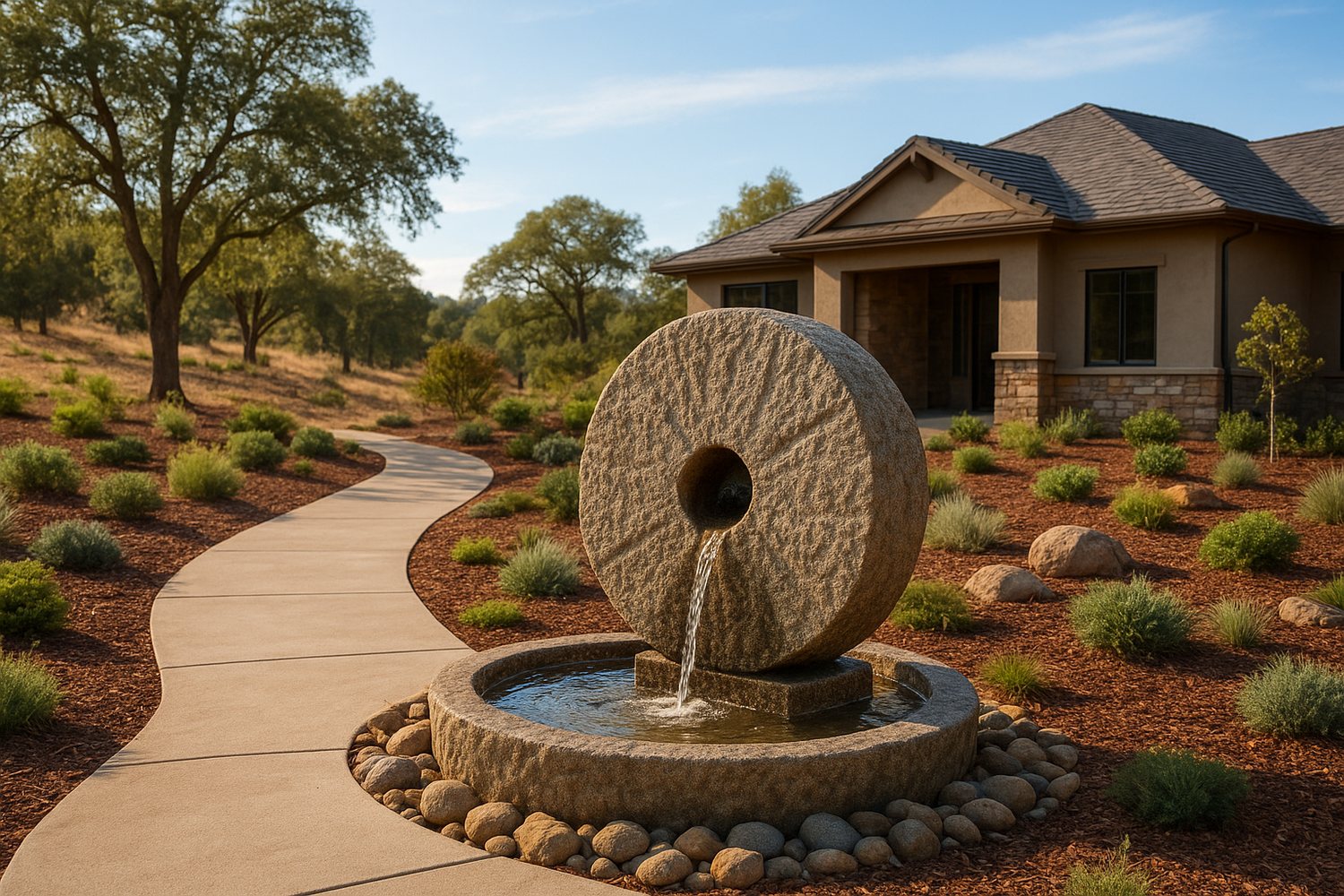
    Water features don’t need to be grand to make an impact. In smaller backyards found throughout Placer, Sacramento, and El Dorado counties, bubbling urns and bubblers offer a compact, elegant way to add sound, movement, and a feeling of luxury.

    Why Bubblers Work for Small Yards

    Small yards demand water features that deliver big atmosphere without dominating limited space. Bubbling urns and bubblers are popular because they fit neatly into planting beds, patios, or even side yards. Their upright, self-contained design keeps the footprint minimal.

    Unlike ponds or large fountains, these bubblers provide tranquil white noise and the visual appeal of moving water, minus the mess and scale. The calming effect of water helps soften urban or suburban settings—perfect for homes in Rocklin, Folsom, and similar neighborhoods.

    Maintenance is practical. Well-designed bubbler features have recirculating pumps and hidden reservoirs. With proper placement, the water stays clean and the system runs efficiently, even in our region’s hot, dry summers.

    • Space-saving vertical design • No standing, open water required • Easy to shut off and winterize

    To learn more about styles and install options, see ourbubbling urns and bubblers page.

    Choosing the Right Bubbler Shape and Material

    Your bubbler’s look should match both the architecture of your home and the vibe of your yard. Classic urn-shaped features mesh with Mediterranean and traditional homes, while low, angular bubblers suit modern California ranches. The shape you choose sets the tone: rounded for softness, squared for structure.

    Material matters for durability and maintenance. Cast stone, concrete, and high-fired ceramics all withstand our freeze-thaw cycles and strong sun. Porous terra cotta is less suitable unless protected from winter rains. Consider a finish that complements your hardscape or contrasts for visual interest.

    Think about color as well. Lighter urns reflect heat (important around pools and patios), while darker ones create shadow and drama. If you’re unsure, bring a few landscape material samples to compare at a local supplier before committing.

    Placement Tips for Maximum Impact

    The strongest impact usually comes from positioning your bubbler as a focal point—visible from a primary window, outdoor seating area, or patio. For very small yards, corner placement can soften hard lines and make the space feel more natural.

    Keep in mind access to power for pumps, and leave enough clearance for cleaning and maintenance. If your yard is sloped, tucking the bubbling urn into a retaining wall or terrace can make use of vertical height and add dimension.

    Avoid squeezing a bubbler right against a fence or boundary; give it room to breathe visually. Surrounding the urn with river rocks, gravel, or low plantings helps frame the feature and keeps splash under control.

    • Corner or terrace placement uses space well • Avoid tight confinement; give visual breathing space • Consider sightlines from inside and outside

    Feature TypeSpace NeededMaintenanceNoise LevelWildlife Attraction
    Bubbling Urn2–5 ft²LowSoftLow
    Pondless Bubbler4–8 ft²LowGentleMedium
    Tiered Fountain6–12 ft²MediumNoticeableLow
    Pond24+ ft²HighVariedHigh

    How Bubblers Compare to Other Water Features

    Choosing between bubbling urns and other water features comes down to size, budget, and maintenance. For small yards in California’s foothill communities, less is often more. Compact bubblers provide many of the sensory benefits of larger options, with less complexity.

    Ponds offer wildlife appeal but may not fit compact yards or next to high-use patios. Tiered fountains are showy but require larger footprints and maintenance. Bubblers are usually quieter and easier to fit alongside walkways or between planting beds.

    Each option has its place, but for versatility and ease, it’s hard to beat a well-placed bubbling urn in a modest outdoor space.

    Regional Considerations: Placer, Sacramento, and El Dorado Counties

    Our climate swings from hot, dry summers to occasional winter chills. UV exposure is intense, so durable materials matter—ceramic and stone hold up best in this sun. Automatic refilling systems or easy manual top-offs are smart during stretches of triple-digit heat.

    Hard water is common throughout these counties, so plan on occasional cleaning of pumps and bubblers to prevent mineral buildup. Using distilled water is an option for minimizing future maintenance, especially for smaller bubblers.

    Evaporation rates rise in windy conditions, so if your spot is exposed, partial shade or a windbreak from shrubs may help maintain water levels and limit splash.

    Explore all regional choices on ourwater features overview.

    Integrating Bubblers With Landscaping and Hardscape

    Think of your bubbler as part of the overall design. Pairing urns with a mix of drought-tolerant plantings keeps the look cohesive and avoids the appearance of a random ‘stuck-in’ water feature.

    Incorporating your bubbler into a patio or among decorative concrete pavers makes maintenance easy and keeps the ground dry. River rock basins around the base add visual interest, improve drainage, and prevent mud splashes.

    Accent lighting—subtle but effective—brings urns to life after dark. Choose warm LED fixtures for a welcoming evening glow that highlights the movement of water. Consider using existing outdoor circuits if available.

    Practical Installation Considerations

    A successful bubbler project starts with a solid base, usually a small concrete pad set below final grade, to ensure stability and prevent tipping or settlement. In fine soils, an underlayment of compacted gravel is a smart foundation.

    Running electrical to your chosen location must be up to code—using licensed contractors for this step is essential for safety and function. All plumbing and pumps should be easily accessible for seasonal servicing.

    It’s important to plan for easy access to the water reservoir for regular refills and cleaning. Most modern bubbling urn kits are designed to make this as simple as possible, but confirm before committing to a specific setup.

    • Stable, level pad beneath urn • Proper, code-compliant electrical access • Removable lid or panel for easy reservoir care

    Getting the Most Out of Your Investment

    A bubbling urn or bubbler isn’t just about looks—it’s a way to increase daily enjoyment of your yard, even in a compact lot. The sound and movement create a sense of privacy, mask street noise, and invite you outside more often.

    Long-term satisfaction comes from regular care: clean the reservoir as needed, check the pump, and monitor for leaks or mineral buildup. Following a seasonal maintenance routine helps keep everything running smoothly.

    Most importantly, choose a design and placement you’ll enjoy from inside and out. Use your feature as a cue to spend more time outdoors with family, friends, or just a quiet morning coffee.

    If you’re ready to discuss your ideas,request a consultationwith our team.

    Bubbling urns and bubblers: see the full guide to bubbling urns and bubblers, or browse every water features option.
    Your project

    Planning a water features project?

    Call or text 916-741-0633, or email sales@californiahardscapes.com with your address, a short description and a few photos, and we will arrange a consultation.
  • How Disappearing Bubblers and Urns Work in California Backyards

    How Disappearing Bubblers and Urns Work in California Backyards

    Bubbling urns and bubblers offer a low-maintenance way to enjoy water features at home. Here’s how disappearing fountains function and what to consider in Rocklin, Roseville, Granite Bay, and beyond.

    What Is a Disappearing Fountain?

    A disappearing fountain, often called a bubbling urn or bubbler, is a water feature where water emerges from a decorative vessel, flows down its surface, and vanishes into a bed of gravel or stones. Unlike classic fountains, there’s no exposed pond or pool. This makes them ideal for families seeking movement and tranquility without the risk or maintenance of open water.

    Bubbling urns and bubblers work well in the California foothills, where tight lots and drought concerns make compact, splash-saving designs more appealing. Their closed system recirculates water, reducing frequency of refills and making installation possible almost anywhere in your yard—front entry, patio nook, or garden corner.

    Homeowners in Rocklin, Roseville, Granite Bay, Folsom, Auburn and surrounding communities choose disappearing fountains for their soothing sound and visual appeal. From classic urns to modern stone columns, you’ll find bubbling features that work marvelously with local landscaping styles and climate.

    For more on types, styles, and considerations, see ourBubbling urns and bubblerspage.

    The Mechanics Underneath: How the System Works

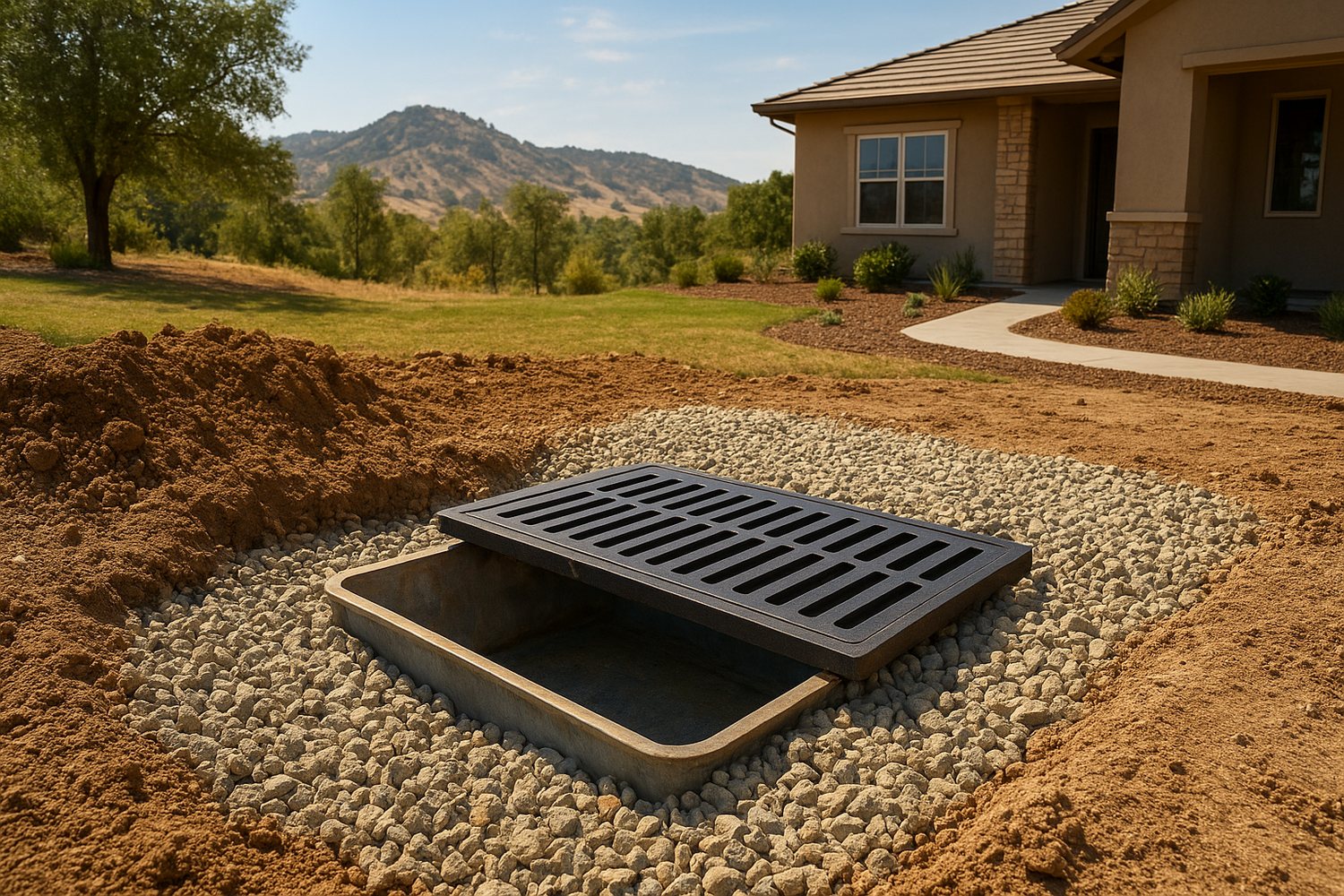
    The beauty is on the surface—but the real action is below. Beneath your bubbling urn or feature lies a hidden basin. This reservoir holds water below grade, concealed by decorative gravel or stone. A robust water pump, housed within the basin, continuously pushes water up through the vessel above.

    The water emerges, bubbles over the urn or boulder, and seeps back through the rocks into the basin. This closed-loop cycle is efficient and limits evaporation compared to traditional ponds. A submersible pump is powered through a nearby GFCI-protected outdoor outlet, often on a timer for energy efficiency.

    California Hardscapes ensures all basins are equipped with solid grates, heavy-duty liners, and screened reservoirs to keep debris from the pump. Marty’s decades in the concrete and construction industries underscore the importance of drainage and safe electrical setup for lasting worry-free operation.

    • Hidden basin stores and recirculates water
    • Pump pushes water through urn or boulder
    • Decorative rock conceals system—and splashing

    Why Bubbling Urns and Bubblers Suit Our Climate

    Our region’s Mediterranean climate with hot, dry summers and cool, wet winters means water features must withstand the elements while remaining efficient. Disappearing fountains are up to the task. They use less water than open ponds thanks to minimal surface area exposed to sun and wind, making them practical through summer and fall.

    Freeze-thaw is rarely a major concern at our elevations, but secure basin installation is still essential to prevent shifting during rain or irrigation events. Marty’s local experience means foundations are built right for the soils typical in Rocklin and surrounding foothill communities.

    Local hardscapes often combine stone, concrete, and dense planting—bubblers and urns blend beautifully into these settings. The self-cooling effect of evaporating water also helps moderate temperatures in small patio spaces during the hottest months.

    • Reduced water use compared to ponds
    • No open standing water means fewer mosquitoes
    • Survives seasonal weather swings with minimal care

    Installation: Steps and Considerations

    Every successful disappearing fountain installation starts with selecting the right spot. Consider sun exposure (to minimize algae), nearby planters, seating areas, and electrical access. Drainage is crucial—excess water must move away from hardscaped surfaces and foundations.

    Next comes excavation and basin installation. The basin must sit level and flush with surrounding grade for stability and to prevent tripping. Above it, a sturdy grate supports decorative stone and the urn or bubbler itself. California Hardscapes uses professional-grade components and time-tested process steps from Marty’s three decades in outdoor construction.

    The visible vessel is then set and plumbed to the pump. Flexible piping allows service access, and a screened cover keeps leaves out. Final placement of decorative rocks hides the basin, and everything is tested for flow. A quick demonstration lets homeowners operate the timer and keep up with periodic refill and cleaning.

    • Site selection: check sun, slope, and access
    • Level, well-draining base prevents future issues
    • Professional-grade pumps and basins ensure reliability

    Care and Maintenance for Longevity

    Bubbling urns and bubblers are known for their low maintenance, but a few periodic checks keep them looking—and sounding—their best. In dry stretches, top off the basin monthly to account for evaporation. Using softened water or a fountain additive can help prevent scale build-up, especially in areas with hard water.

    Inspect and clear debris from the basin every season, as falling leaves or gravel can sometimes block the pump. Marty recommends checking your timer functions and occasionally unplugging the pump for a routine clean. In colder snaps, running the fountain occasionally can keep moving parts healthy, though draining isn’t usually required here.

    If you notice reduced flow or strange noises, it’s likely time to clear the pump intake and check for obstructions. California Hardscapes uses screened basins to reduce these occurrences, giving you long stretches of trouble-free enjoyment.

    • Monthly top-offs during heat waves
    • Seasonal debris removal from basin
    • Routine pump check for peak operation
    Feature TypeOpen Water?Water UseMaintenanceSpace Needed
    Bubbling UrnNoLowLowSmall
    Rock BubblerNoLowLowSmall/Medium
    Classic PondYesMedium-HighHighMedium/Large
    Sheetfall/Wall FountainNoLow-MediumMediumSmall/Medium
    Pondless WaterfallNoLow-MediumMediumMedium

    If you’re exploring the full range of outdoor water accents, browse our guide toall Water Features.

    Comparing Water Feature Options

    Choosing the right feature for your landscape depends on many factors: space, safety, sound, and upkeep. Here’s a quick comparison of bubbling urns, disappearing rock bubblers, classic ponds, and more. Each brings its own pros and maintenance needs to consider.

    Bubbling urns and rock bubblers are best for low-maintenance, compact installations with safe, recirculated water. Traditional ponds create larger focal points but introduce open water, requiring more regular care and chemical balancing.

    Many California homes benefit from a mix of hardscape and simple, practical water elements. Disappearing fountains often provide the soothing sound you want—without the commitment larger systems demand.

    Troubleshooting & Local Questions

    Common issues with disappearing fountains in our region include low water levels from high heat, temporary clouding if gravel shifts, or debris blocking the pump. Most fixes are straightforward—usually a quick debris removal, filter rinse, or water top-off restores normal function.

    In the Central Valley and Sierra foothills, mineral-heavy water can sometimes cause white deposits (scale) on features. This is mostly cosmetic, but regular cleaning or a safe fountain additive will help. California Hardscapes sources materials suited to these local water conditions.

    If you’re unsure how to electrically connect your pump or want to automate the on/off timing, Marty and the team recommend consulting a licensed professional for safe, code-compliant setup. This attention to detail helps protect your investment and keeps the fountain running for years.

    • Fast fixes: clear debris, top off water, clean pump screen
    • Use scale inhibitors in areas with hard water
    • Call for help with electrical or tricky repairs

    Ready to Add Soothing Water to Your Landscape?

    Disappearing bubblers and urns combine tranquil sounds and flexible design with minimal maintenance. Their smart construction and subtle footprint make them especially fitting for foothill homes. If you love the idea of a fountain but want to skip the upkeep of open water, this clever water feature might be just what your yard needs.

    Thinking through placement, reliable basin construction, and appropriate materials will help your new feature thrive in the California sun. A thoughtful build prevents headaches and keeps your fountain’s appeal long after installation.

    California Hardscapes stands ready to answer questions and discuss what fits your landscape. Marty’s knowledge ensures every consideration is addressed so you can sit back, relax, and listen to the gentle flow in your outdoor retreat.

    Curious which water feature fits your yard?Request a consultationtoday and get expert advice from California Hardscapes.

    Bubbling urns and bubblers: see the full guide to bubbling urns and bubblers, or browse every water features option.
    Your project

    Planning a water features project?

    Call or text 916-741-0633, or email sales@californiahardscapes.com with your address, a short description and a few photos, and we will arrange a consultation.
  • Water Feature Leak Detection & Repair for Placer and Sacramento Counties

    Water Feature Leak Detection & Repair for Placer and Sacramento Counties

    If your fountain, pond or waterfall is losing water, you’re not alone. Learn how to locate and repair leaks for lasting water feature performance.

    Common Water Feature Leak Causes in Our Area

    In the Rocklin, Roseville, and nearby foothill communities, water features face a unique mix of challenges. Weather swings, settling soils, and local plant roots can all create or worsen leaks. It’s common for leaks to start at liner seams, plumbing joints, or cracks in concrete basins after years of sun and temperature changes.

    Homes here often have clay or decomposed granite soils, which expand and contract with moisture. That movement puts strain on liners and hardscape materials, sometimes causing small gaps over time. Pushed by tree roots or shifting ground, even the best-installed features eventually need attention.

    Keeping an eye out for wet spots, unusually fast water loss, or green growth in odd places is key. Understanding these regional stressors helps you spot problems early—and lets you fix them before expensive damage sets in.

    • Sun and frost cycles stress liners and concrete
    • Clay soils can shift substantially when wet or dry
    • Tree and shrub roots seek out water sources

    For details on services for leaks and other upkeep, visit ourWater feature maintenance and repairpage.

    How to Identify a Leak: Signs and Simple Tests

    Noticed your water feature running low more often than usual? The first step is to distinguish between normal evaporation and a leak. In our warm, breezy climate, some loss is normal, but rapid drops—especially overnight—are a red flag.

    Check around the water feature for wet soil, moss, or unexplained puddles. Sometimes leaks seem invisible if water is draining underground. To confirm, do a simple bucket test: fill the feature to its normal level, mark the waterline, then turn off pumps and check the level after 24 hours. Compare that to a bucket filled nearby; if the feature loses more, you likely have a leak.

    Small clues add up. Listen for trickling sounds in odd spots, check underground plumbing access points, and inspect coping and seams for gaps or cracks. These quick inspections often pinpoint the leak’s source or at least help rule areas out.

    • Evaporation rarely exceeds 0.25–0.5 inch per day
    • Visible green growth can signal hidden moisture
    • Overnight water loss usually means a leak

    Finding the Source: Zones Where Leaks Hide

    Leaks typically show up in a few reliable trouble spots. In the foothills, the most common are around skimmer boxes, flexible liner seams, and in the smallest cracks of basin concrete. Plumbing joints and hose connections—buried or exposed—also deserve a close look.

    Edges where rocks, decorative elements, or soil meet the liner or pool shell are prone to separation. As landscape beds settle or mulch washes into the water, it’s easy for a small gap to develop out of view. Irrigation runoff from neighboring areas can also mask leak evidence in the landscape.

    A methodical inspection, working from the top of the feature down to lower pools and plumbing, isolates the issue. Document any suspect areas as you go. Sometimes it helps to let the water level drop naturally—where it stops, you’ll often find the problem.

    • Top leak zones: edges, seams, plumbing unions
    • Inspect spillways and step stones for gaps
    • Plumbing leaks can saturate wide soil areas
    Leak LocationDIY Friendly?Tools NeededRecommended Action
    Surface liner holeYesPatch kit, flashlightPatch and monitor
    Loose plumbing unionSometimesWrench, sealantTighten, check for leaks
    Hairline concrete crackMaybeConcrete patch, brushPatch if minor; monitor
    Underground pipe/hidden jointNoProfessional toolsCall for expert help
    Edge separation/settlingDependsRock, liner sealantReset rocks, reseal

    Basic Repairs: What Homeowners Can Try First

    Once you pinpoint the area of the leak, some minor repairs are often doable for the handy homeowner. For small liner holes, patch kits work if the surface is clean and dry. Use a flashlight to find the smallest tears or punctures; patches must completely overlap the damaged area.

    Hairline cracks in concrete or mortar can be filled with waterproof sealant or pool patch compounds, available at home improvement stores. Be sure to clean the area well before applying any new material. Avoid caulks or products not labeled for submerged use, as they may not hold up over time in water.

    If tightening hose clamps or gently reseating plumbing unions solves the leak—great. However, if you find persistent dampness, hazy water, or issues in hard-to-reach locations, don’t hesitate to seek professional help. Addressing leaks early saves money and prevents bigger problems.

    • Liner patch kits work for small, accessible holes
    • Use only waterproof sealants rated for pond or pool use
    • Always test repairs by refilling and monitoring water level

    When to Call a Professional for Water Feature Repairs

    Some leak issues need more than a quick patch job, especially installations using concrete, complex plumbing, or hard-to-access underlayment. If you aren’t seeing results after a basic repair, the problem could involve deeper structural or plumbing faults.

    Professionals bring diagnostic experience, pressure testing, and access to specialty repair materials you won’t find in most home centers. For features with built-in pumps, lighting, or remote filtration, pro help ensures all components work together safely and efficiently.

    If you notice recurring leaks, water loss after heavy rain, or mysterious high utility bills, don’t wait. Experienced contractors like those at California Hardscapes recognize local soil and construction variables, ensuring the fix lasts. Seeking help early limits future headaches.

    • Complex leaks may involve electrical and plumbing systems
    • Persistent problems often signal hidden issues
    • Expert repairs protect your investment long-term

    Explore inspiration and options on ourWater Features overviewto see possibilities for your outdoor living space.

    Maintaining Water Features in the Foothill Climate

    The hot, dry summers and chilly winters in our region put water features through tough cycles. Spring and fall are perfect for a checkup: inspect liners, clean skimmers, and flush any debris from pump boxes. Clearing leaves and pine needles prevents buildup that can clog lines or hide small leaks.

    Maintain consistent water levels; letting a pond or fountain run low can expose liners or pump intakes, increasing leak risks. Regularly check for signs of erosion or shifting rocks after rainstorms. Setting aside a few minutes each month can save hours—and dollars—later.

    Adding a layer of rocks or pea gravel along the edges can help protect liners from sun and temperature extremes. Watch out for irrigation overspray, which wastes water and can cause unnecessary erosion around the feature’s perimeter.

    • Clear fallen leaves before they block drains
    • Check edge rocks for movement after storms
    • Keep water levels stable to protect liners and pumps

    Deciding Between DIY and Pro Repairs: A Quick Guide

    Not all leak repairs are the same, so how do you decide what to tackle yourself and when to bring in backup? Factor in the leak’s location, your experience, and the tools you have. Small surface punctures or loose hose clamps are often within reach, but deep cracks or buried plumbing aren’t.

    Remember, DIY repairs may temporarily slow a leak, but underlying structural issues, repeated water loss, or complicated substrates could mean you’re only treating symptoms. Weigh your time and risk of escalating the problem before starting a major fix solo.

    A clear-eyed assessment saves you future hassle. If you’re unsure, reputable local contractors are ready to provide a second opinion and ensure your water feature brings joy—not ongoing headaches.

    • DIY: Small liner holes, visible seals, accessible hardware
    • Pro: Structural cracks, plumbing failures, deep troubleshooting
    • When in doubt, consultation is a safe bet

    Water Feature Leak Repair: Protecting Your Investment

    A water feature is a focal point of any outdoor living space, especially in Rocklin, Granite Bay, Auburn and Folsom. Addressing leaks quickly safeguards your investment and keeps everything running smoothly. Regular inspection, maintenance, and timely repairs pay off year after year.

    Ignoring leaks often leads to larger problems: undermined patios, rotten wood, or overworked pumps. The moment you spot a concern—no matter how small—take action. Prevention and fast response are key in our climate.

    Trusted contractors like California Hardscapes offer reliable help, using local experience and quality materials. You deserve a beautiful, low-stress water feature all season long.

    • Fix leaks early to avoid landscape or hardscape damage
    • Regular upkeep extends water feature life
    • Local expertise matters in complex repairs

    Ready to discuss your water feature?Request a consultationwith California Hardscapes today.

    Water feature maintenance and repair: see the full guide to water feature maintenance and repair, or browse every water features option.
    Your project

    Planning a water features project?

    Call or text 916-741-0633, or email sales@californiahardscapes.com with your address, a short description and a few photos, and we will arrange a consultation.
  • Planning and Plumbing a Wall Fountain in Northern California

    Planning and Plumbing a Wall Fountain in Northern California

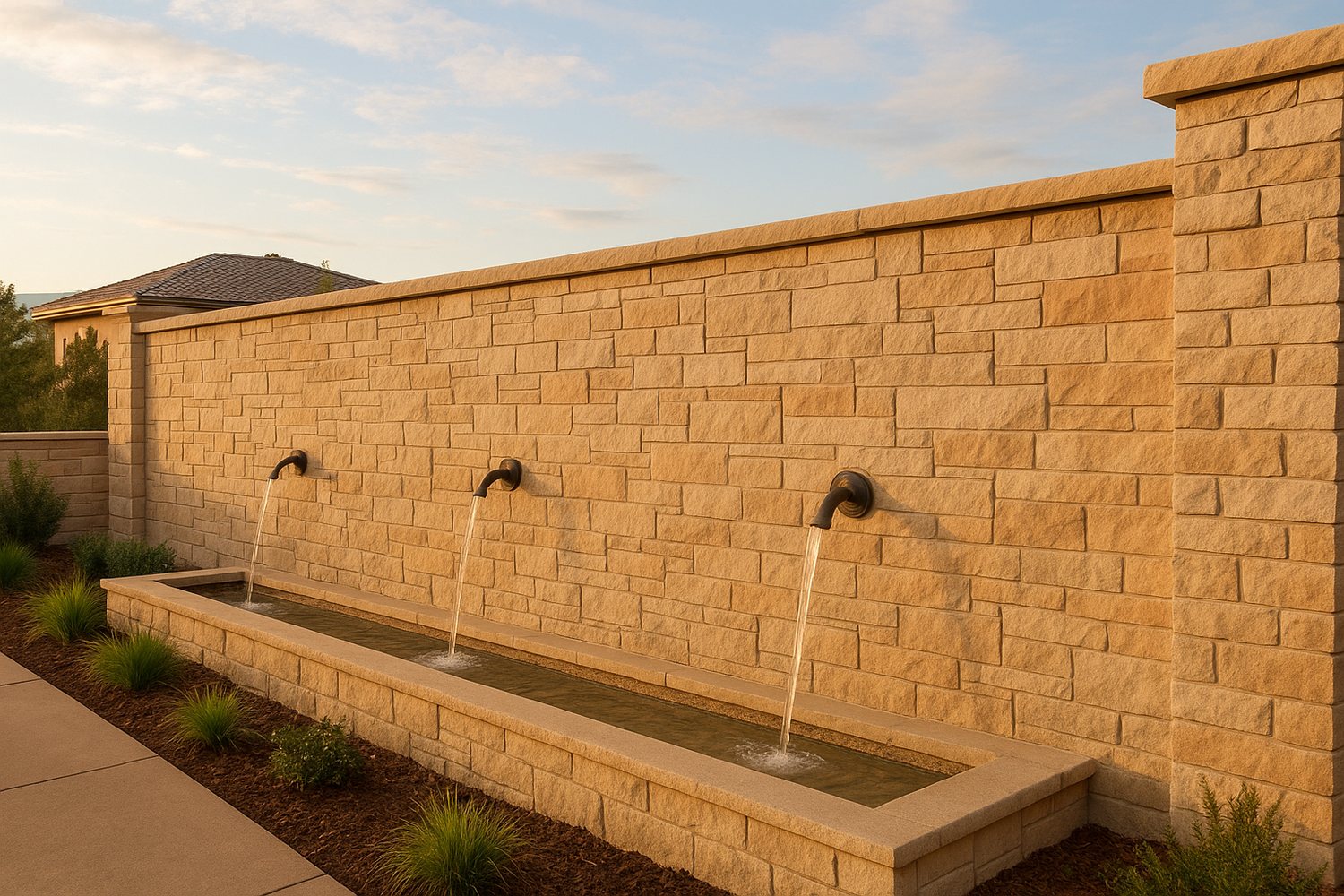
    A wall fountain can transform your outdoor space, but plumbing is key to making it work smoothly from the start. Here’s what to know before you build.

    Why Plumbing Matters for Wall Fountains

    A wall fountain isn’t just about beauty—its success depends on how well the plumbing is designed and installed. Correct planning prevents leaks, avoids water waste, and keeps the fountain running smoothly. In our region, local water pressure, temperature swings, and hard water can complicate matters if not addressed early.

    Even the best fountain materials can be undermined by a poorly conceived plumbing setup. Water features interact with concrete, stone, and landscaping in specific ways, requiring tailored solutions for long-term durability. Thoughtful planning means fewer headaches down the road.

    In Rocklin, Roseville, Granite Bay, Folsom, Auburn, and the surrounding communities, factors like clay soils and sun exposure can influence your plan. Start with the right approach to save time and get lasting results.

    For more project ideas and wall fountain guidance, see ourWall fountainspage.

    Assessing Your Site for Fountain Placement

    Start by evaluating your available space. Consider access to existing water lines, distance to electrical outlets, sunlight patterns, and how the fountain will be integrated into patios, retaining walls, or landscaping. Sufficient clearance behind and beneath the wall will be necessary for plumbing.

    In our foothills communities, soil type and drainage affect both installation and long-term upkeep. Sloped yards may require extra planning to prevent erosion or pooling around the fountain. Survey your yard carefully before choosing a final spot.

    It’s best to involve an experienced contractor early to assess grade, set elevations, and check for underground utilities. Taking these preliminary steps helps avoid surprises during construction.

    • Check proximity to water and power
    • Confirm wall strength and structure
    • Evaluate drainage and runoff options

    Understanding Water Supply Options

    Wall fountains need a steady water source. Typically, supply is either direct (from your home’s water line) or via a dedicated reservoir you fill manually. Each has pros and cons—direct lines allow for automatic refilling; reservoirs give you flexibility if outdoor plumbing is limited.

    In the hot, dry Sacramento area climate, evaporation can be significant. Automatic refills help maintain water levels, but must be balanced with backflow prevention to avoid issues with your home’s drinking water.

    Work with a contractor who will factor in seasonal usage patterns, hose bib access, and anti-freeze precautions. Water shut-off valves should be easy to reach for maintenance or winterizing.

    • Direct lines: convenient, low maintenance
    • Reservoirs: flexible, no permanent plumbing required
    • Consider local weather for water loss
    FeatureDirect Water LineManual ReservoirRainwater Collection
    Automatic RefillYesNoNo
    Upfront PlumbingRequiredMinimalNone
    MaintenanceLowMediumMedium
    Water UsageHigherUser ControlledLowest
    Best ForPermanent InstallationFlexible/Temporary FountainsEco-Focused Use

    Drainage and Overflow Planning

    Proper drainage is essential for both safety and durability. A wall fountain without the right overflow plan can flood adjacent patios or cause soil erosion. Your drainage needs depend on surface area, fountain output, and surrounding grade.

    Some setups use hidden drains or connect to existing yard drainage systems. Others incorporate gravel beds, French drains, or custom catch basins. In Placer and El Dorado counties, the heavy winter rains make it especially important.

    Work with a pro to determine whether your fountain requires a dedicated drain line or can safely use surface grading. Attention to detail now helps avoid messes and expensive repairs later.

    • Plan for overflow and splashing
    • Protect concrete and stone from standing water
    • Prevent runoff into flowerbeds or structures

    Choosing Plumbing Materials That Withstand Local Conditions

    California’s foothills are known for hot summers, chilly winters, and hard water. Select piping and fixtures designed for outdoor use—avoid thin, indoor-grade hoses. PVC, copper, or PEX are common, but each has pros and cons for longevity in our region.

    Hard water can cause mineral build-up and shorten the lifespan of pumps and fittings. Consider adding a filter or water-softening attachment if you see white deposits on your fixtures. Stainless steel components can be wise investments.

    If your system will be exposed to direct sun or frost, make sure any above-ground runs are insulated or shielded to prevent cracking or bursting. Durable, UV-resistant materials help your wall fountain weather the seasons.

    • Choose UV-resistant pipes for exposed runs
    • Consider filtration for hard water
    • Ask your contractor about suitable outdoor-rated fittings

    Curious about other water features? Visit ourWater Featuresoverview for inspiration.

    Working with Electrical Requirements

    Most wall fountains use pumps that require a dedicated GFCI-protected outlet. Placement should allow for safe connections, away from pooling water or foot traffic. If outlets aren’t accessible, your contractor can advise on safe and compliant options.

    Outdoor electrical needs to meet California code—never cut corners or use home extension cords. Lighting features, if desired, add a second layer of planning, sometimes needing additional circuits. Always have licensed professionals handle electrical installations.

    Discuss power needs early, especially if your yard’s layout, existing wiring, or outdoor kitchen plans affect access. Every electrical choice should account for local weather, irrigation, and neighborhood safety standards.

    • Install GFCI outlets for all pumps
    • Never run cords across walkways
    • Plan for future lighting or automation needs

    Coordinating Plumbing with Other Hardscape Elements

    If a wall fountain is just one part of your landscaping vision, coordinate plumbing with other outdoor elements. This might include patios, pools, outdoor kitchens, or lighting. Efficient planning means less disruption and a cleaner look.

    Share your full plan with your contractor from the start. It’s easier to run pipes or conduit before concrete is poured or walls are built. Proactive coordination helps avoid costly demolition later.

    California Hardscapes sees better project outcomes when concrete, retaining wall, plumbing, and water features are designed together. Streamline your project by bundling decisions up front.

    • Plumbing can be concealed within walls
    • Coordinate with electrical and drainage layouts
    • Involve all trades early for best results

    Getting Professional Planning Help

    Homeowners across Placer, Sacramento, and El Dorado counties benefit from guidance in planning and plumbing wall fountains. Codes and local soil conditions matter, and quality installation starts with good advice.

    Licensed, bonded, and insured professionals know how to blend style with practical buildability. They’ll handle subgrade preparation, coordinate with electricians and landscapers, and make sure your wall fountain functions—season after season.

    If you’re considering a wall fountain project, reach out early. Good planning up front leads to a more seamless outdoor living experience once all’s said and done.

    • Talk to a reputable contractor before construction
    • Check that all work meets local code
    • Make maintenance part of your design discussion

    Contact us today to request a consultation with our team—start planning your outdoor living upgradehere.

    Wall fountains: see the full guide to wall fountains, or browse every water features option.
    Your project

    Planning a water features project?

    Call or text 916-741-0633, or email sales@californiahardscapes.com with your address, a short description and a few photos, and we will arrange a consultation.
  • Wall Fountains vs Freestanding Fountains: Which Fits Your Yard?

    Wall Fountains vs Freestanding Fountains: Which Fits Your Yard?

    Not sure if a wall fountain or a freestanding fountain is right for your yard? Let’s sort out the pros, cons, and practicalities for Northern California homes.

    The Appeal of Water Features in Our Region

    In Placer, Sacramento, and El Dorado County neighborhoods, water features are more than decor— they become part of how you enjoy your backyard. The right one can soften nearby street noise and invite more time outdoors on hot summer days. Whether you want a tranquil background or a bold focal point, a water feature delivers both.

    Local landscapes vary, but one thing most homes share is plenty of hardscape and sun. Water brings a cooling effect that’s more than just visual. When installed with proper drainage and thoughtful placement, a fountain can create an inviting spot even in the heat of July.

    Wall fountains and freestanding models are the most popular categories for our region’s home styles. Each has practical and visual advantages in a typical California Hardscapes project. Knowing a bit more about each can clarify what’s right for your space.

    • Reduces harsh noise
    • Adds cooling ambiance
    • Boosts outdoor enjoyment

    Ready to see more ideas? Explore ourwall fountainsgallery for inspiration.

    What Is a Wall Fountain?

    A wall fountain is any water feature that mounts directly onto an exterior wall or vertical structure. These are designed to save space and deliver gentle, cascading water sounds. Homeowners often choose wall fountains to add charm to patios, courtyards, and entryways—areas where space is limited or a vertical accent is needed.

    Wall-mounted fountains are best suited for homes where a stucco, stone, or concrete wall defines the outdoor room. They require a sturdy, solid backdrop and look natural in both classic Mediterranean or modern designs. In our area, they’re commonly installed on patio walls or attached to a custom masonry structure.

    Keep in mind, installation may involve electrical connections and water supply setup. The result is usually a compact, elegant effect that won’t dominate your yard but stands out as a unique background for gatherings or relaxation.

    • Space-saving design
    • Mounts to walls or structures
    • Subtle sound and presence

    What Is a Freestanding Fountain?

    Freestanding fountains are self-contained features not attached to any walls. These are versatile and can serve as dramatic centerpieces or be tucked into existing plantings. Their visual impact is typically larger, and they come in a wide variety of shapes, sizes, and finishes.

    In neighborhoods like Roseville and Granite Bay, homeowners often use freestanding fountains to anchor a circular driveway, define a backyard patio’s center, or highlight a garden bed. They can fit nearly any landscape plan if you have the open space and a stable base for installation.

    A freestanding fountain may need a bit more room and planning for its base and water supply. The reward is a more prominent look and enhanced sound—great if you want to mask traffic or neighboring activities with the bubbling sound of moving water.

    • Requires open space
    • Serves as a landscape focal point
    • Bold sound and presence
    FeatureWall FountainFreestanding Fountain
    Ideal LocationAgainst wall or structureOpen yard or central area
    Water UseLow (recirculates small volume)Moderate to high (more splash)
    MaintenanceLower (less debris)Higher (exposed basin)
    Design ImpactSubtle, vertical accentBold, eye-catching centerpiece
    Installation NeedsWall support, electricalBase prep, broader access

    Space and Placement Considerations

    A wall fountain is an excellent solution for properties with limited patio or yard space. It integrates water movement into a small footprint, lining up with stucco, block, or brick structures common in our region. If your yard layout runs narrow or you want to preserve walking areas, wall fountains stay out of main traffic zones.

    Freestanding fountains call for some clear space— usually in the center of a lawn, at the end of a walkway, or wherever you have room to make a statement. They’re ideal for larger gardens but may overwhelm smaller areas in Rocklin or Auburn bungalows.

    Before picking a style, map out your usable space and look at sun exposure, existing lines of sight, and wind patterns. In high-wind areas, wall fountains often create less splash and water loss, while freestanding ones might need splash guards or repositioning.

    • Wall fountains suit small patios
    • Freestanding units need room
    • Wind and splash factors matter

    Maintenance and Durability in Local Conditions

    Northern California’s hot summers, cool winters, and hard water can challenge any outdoor feature. Wall fountains are generally easier to clean and shield from debris because they sit higher and are less exposed to fallen leaves and soil splatter.

    Freestanding fountains tend to accumulate more dust, leaves, and bugs, especially if placed beneath trees. Their basins may also need more frequent scrubbing. If hard water buildup is an issue in your community, both types benefit from regular scale removal or – in some cases – filtration.

    Whichever type you choose, proper sealing, sturdy materials, and a secure electrical setup are non-negotiable. California Hardscapes oversees these details to ensure a safe, long-lasting water feature for your landscape.

    • Wall fountains: easier upkeep
    • Freestanding: needs more debris cleaning
    • Both require water treatment

    Discover all your options on our mainWater Featuresservices overview page.

    Water Usage and Efficiency

    Minimizing water waste matters for California homeowners. Wall fountains tend to recirculate a small amount of water, thanks to their compact design and lower splash rates. This can make them a practical option if you’re keeping an eye on monthly utility use.

    Freestanding fountains, especially large or multi-tiered types, can lose more water to wind and splash. They may need topping off more often during hot, dry stretches or in breezy backyard locations. Some models allow for easy water level checks and adjustments.

    In both styles, using a timer or automatic shutoff can help control costs and conserve resources. Ask about efficient pump options or integration with smart outdoor controls for best results.

    • Wall units recirculate efficiently
    • Freestanding can lose water to splash
    • Timers help both styles conserve

    Design Impact: Style and Customization

    Both wall and freestanding fountains come in many styles— from rustic stacked stone to polished concrete or modern steel. Wall-mounted options highlight vertical lines and can serve as artwork framed by your home’s exterior or patio boundary.

    Freestanding fountains offer more variety in shape and scale. They draw the eye from every direction, so their materials and color finish play a bigger role in defining the garden’s mood. Local materials or finishes that complement the home’s hardscape tie the look together.

    If you want subtlety, the wall style blends in. If you crave drama, go freestanding with bigger shapes or multi-level structure. With a knowledgeable contractor, nearly any concept can be adapted to suit your space and personal taste.

    • Wall fountains: understated elegance
    • Freestanding: bold design choices
    • Local stone and finish options

    Wall or Freestanding? Making the Decision

    Start with your space, style preference, and how much maintenance you want to sign up for. Wall fountains suit homeowners looking for simplicity, efficient water use, and quiet ambiance—great for compact patios in the Folsom or Roseville area.

    Freestanding fountains demand more room and attention but deliver that classic garden-showpiece look. They’re favorite picks when making a new statement in an established backyard or accenting a large entry drive.

    Still uncertain? Consider how you want guests to move and gather, what sounds you’d like, and how your landscape will age. Consult an experienced local contractor who knows the area’s climate and construction best practices for hardscape features like these.

    • Assess space and goals
    • Factor maintenance needs
    • Choose with expert input

    Questions or want personal advice?Request a consultationwith California Hardscapes today.

    Wall fountains: see the full guide to wall fountains, or browse every water features option.
    Your project

    Planning a water features project?

    Call or text 916-741-0633, or email sales@californiahardscapes.com with your address, a short description and a few photos, and we will arrange a consultation.
  • Wall Fountain Styles for California Patios

    Wall Fountain Styles for California Patios

    A wall fountain adds a luxurious touch and soothing ambiance to outdoor living areas. With the right design, it can be a low-maintenance centerpiece or a quiet backdrop.

    Why Choose a Wall Fountain for Your Patio?

    Wall fountains are a practical solution for patios where floor space is limited but you still want the benefits of moving water. Their vertical design means you can enjoy a dramatic focal point without crowding the area used for seating or gatherings.

    Patios in Rocklin, Roseville, Granite Bay, Folsom, and nearby communities often face hot, dry conditions. Adding a water feature helps cool the air and masks neighborhood noise—both valuable in these climates. The sound of running water is also proven to relax the mind and body.

    Compared with standalone fountains or ponds, wall fountains are often easier to maintain and use less water. They’re also less enticing to wildlife and pets, reducing the risk of disruption or mess. That practicality, combined with design flexibility, makes wall fountains a smart investment.

    • Ideal for compact patios or narrow spaces
    • Great for adding calming ambient sound
    • Helpful for masking street and neighbor noise

    For more wall fountain inspiration and guidance, visit our mainWall Fountainspage.

    Classic Wall Fountain Designs

    Traditional wall fountain styles often feature timeless shapes and materials. These include tiered basins, lion head spouts, and intricate stone or concrete work. Classic designs can anchor a patio with elegance while staying true to the region’s Spanish and Mediterranean architectural influences.

    For homes in communities like Granite Bay or Auburn, old-world motifs can feel right at home. These designs use materials that weather beautifully in sun and shade, like cast stone, precast concrete, or even durable ceramics.

    Classic wall fountains are typically mounted to stucco, brick, or stone walls, blending seamlessly with many California exteriors. Their heritage-inspired look makes them especially fitting for patios surrounded by mature planting or terra-cotta accents.

    • Tiered or cascading stone basins
    • Lion head and shell motif spouts
    • Subtle earth-tone or antique finishes

    Modern and Contemporary Looks

    If your home and patio lean modern, wall fountains can strike a clean, architectural note. Minimalist rectangles, smooth concrete planes, and dark metals like bronze or powder-coated steel define this category. Modern styles work well with streamlined patios and geometric plantings seen in newer neighborhoods.

    One benefit of modern wall fountains is their versatility. They can function as dramatic statement pieces—think bold vertical water sheets—or understated accents with gentle, even flows. Some models even use LED lighting for a nighttime glow.

    Material choice matters just as much as shape. Concrete and metal resist the Central Valley’s heat and temperature swings, making maintenance easier and ensuring a sharp look over time.

    • Sleek linear or geometric shapes
    • Bronze, stainless steel, or concrete bodies
    • Optional integrated lighting effects
    StyleCommon MaterialsSuited forMaintenance Level
    ClassicCast stone, precast concreteTraditional homes, Mediterranean patiosLow–Medium
    ModernSmooth concrete, metalsContemporary patios, new buildsLow
    Rustic/NaturalisticStacked stone, faux boulderNative gardens, relaxed spacesMedium
    Lightweight CompositeFiberglass, resinShade patios, flexible installsLow

    Naturalistic and Rustic Options

    Rustic wall fountains create a relaxed, inviting backdrop by mimicking organic water sources. These designs use tumbled stone, stacked flagstone, or even faux boulders to blend with the landscape. They’re perfect if your patio is connected to drought-tolerant gardens or shade trees.

    Naturalistic fountains pair well with local landscaping traditions, such as decomposed granite paths or California native plants. They tend to soften angular patio hardscapes and provide habitat for butterflies and birds—without inviting mosquitos, as the moving water discourages pests.

    Rustic and naturalistic styles often require a bit more planning to look authentic. Consider local materials that match or echo existing retaining walls or garden beds, and aim for a look that feels established from day one.

    • Stacked stone or “boulder” look
    • Integrates with native landscaping
    • Low-profile and easy to customize

    Comparing Wall Fountain Materials and Maintenance

    Material choice influences both the appearance and practicality of your wall fountain. In hot, sunny regions like Folsom and El Dorado County, UV resistance, water efficiency, and resilience to temperature swings should guide your decision.

    Concrete and stone are durable and can be custom-shaped or colored. Metals offer sleek looks but need to be powder-coated or rust-resistant. Lightweight composites may be suitable for shaded patios and offer more installation flexibility.

    Every wall fountain requires some maintenance: removing debris, checking pumps, and occasionally treating water. Materials and access can impact how simple or frequent these needs are. If you want minimal effort, lean toward smooth finishes and simple cascades.

    • Consider sun exposure and weather when picking materials
    • Ask about cleaning access and pump maintenance
    • Pick finishes that conceal hard water buildup

    Discover additional water feature ideas on our fullWater Featuresoverview.

    Wall Fountain Placement and Patio Integration

    Good placement allows your wall fountain to shine—and last. Install away from overhanging trees to reduce leaf drop and stains. Aligning the fountain so it’s in your main sightline from a seating area ensures it enhances your time outdoors.

    Positioning near an outdoor dining or living zone maximizes both the soothing sounds and visual appeal. If you have outdoor lighting, consider adding a spotlight or integrated LED to extend enjoyment into the evening.

    When integrating with patios, match or complement nearby hardscape colors and materials. Good design treats the fountain as an architectural part of the patio, not just a decorative add-on.

    • Avoid tree debris and excessive sun
    • Frame with main gathering or sightline
    • Match with patio surfaces and finishes

    Key Considerations for Placer and Sacramento County Yards

    Local climate is a big factor when adding water features in Rocklin, Roseville, and the greater Sacramento region. Summer heat and dry air increase evaporation, so consider features with recirculating systems and easy refill access.

    Silt, clay, and mineral-rich water are common in this area—especially if using well water. Opt for materials and pumps rated for such conditions to reduce long-term wear and buildup.

    Some neighborhoods have water use restrictions or guidelines about visible water features. If you’re in an HOA or planned development, check with your association before installation. Subdued, wall-mounted designs often meet requirements while still offering a strong design impact.

    • Recirculation systems for water efficiency
    • Select mineral-resistant materials
    • Review HOA and local water use rules

    Working with a Local Expert

    Partnering with a contractor familiar with local materials, codes, and climate streamlines your wall fountain installation. An experienced builder will anticipate potential pitfalls, from proper wall support to discreet pump access and drainage planning.

    Having a single point of contact—from design to finish—means fewer surprises and a result that fits your lifestyle. Clear communication ensures placement, style, and details match your goals and budget.

    California Hardscapes brings decades of hands-on construction and material know-how to every outdoor living project, including wall fountains. Marty and team can recommend, source, and install a wall fountain that’s designed for how you actually use your outdoor space.

    • Advice tailored for local conditions
    • Licensed, bonded and insured contractors
    • Streamlined process from plan to completion

    Ready to talk about a wall fountain for your patio?Request a consultationtoday.

    Wall fountains: see the full guide to wall fountains, or browse every water features option.
    Your project

    Planning a water features project?

    Call or text 916-741-0633, or email sales@californiahardscapes.com with your address, a short description and a few photos, and we will arrange a consultation.
  • Planning Where Fire and Water Features Fit in Your Landscape

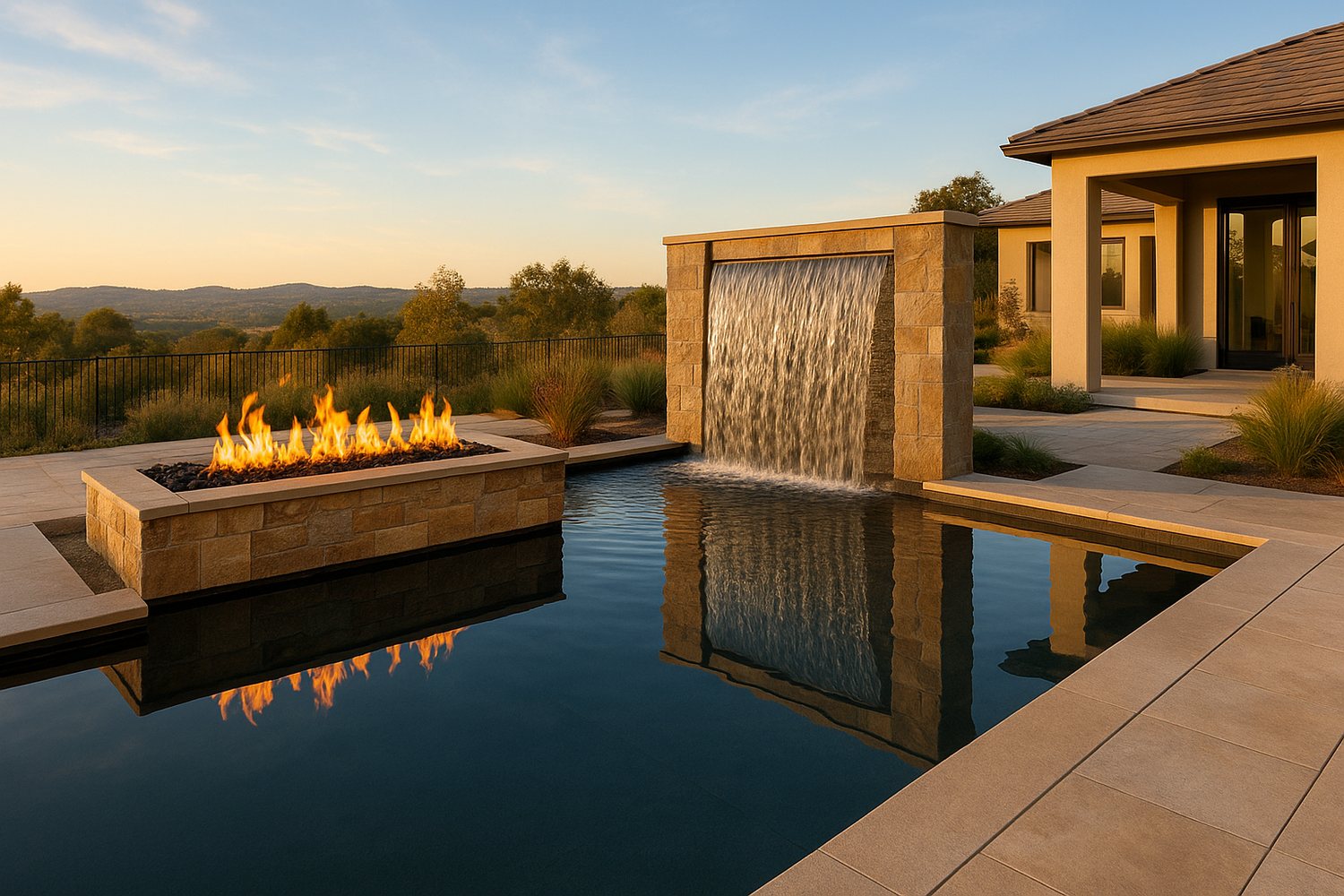
    Planning Where Fire and Water Features Fit in Your Landscape

    Fire and water features can transform outdoor living spaces, but their impact depends on thoughtful placement. Here’s how to plan where they make sense for your Northern California landscape.

    The Role of Fire and Water in Outdoor Spaces

    Fire and water features each bring their own character and sensory qualities to an outdoor setting. Fire elements, such as fireplaces or fire pits, encourage gathering, warmth and visual drama, especially in cooler foothill evenings. Water features, from bubbling fountains to tranquil ponds, offer movement and soothing sound, perfect for masking neighborhood or road noise.

    Both fire and water offer flexibility—they can act as statement pieces or support specific zones of your yard. In the lower Sierra foothills, fire features help extend outdoor enjoyment into fall and winter. Water elements promote relaxation and can help moderate the temperature of stone patios during summer.

    Consider what experience you hope to create: Do you want a lively, social setting, or a peaceful, reflective retreat? That goal helps clarify if fire, water, or a combination suits your yard’s plan best.

    • Fire features: warmth, ambiance, evening use
    • Water features: sound, tranquility, visual movement
    • Mix based on your landscape’s function

    Explore more inspiration and guidance on our mainFire and water featurespage.

    How To Choose the Right Location

    Picking the best spot for a fire or water feature isn’t simply about looks. In our region, think about wind direction, sun exposure, and how your family actually uses the yard. Downwind fire pits on breezy Rocklin evenings can mean smoke issues, while placing a water feature where you’ll enjoy its sound from indoors brings more value.

    Also factor in safety, distance from structures, and how accessible the feature is from patios or paths. Gatherings tend to cluster around fire pits near sitting areas, so proximity matters. Water features shouldn’t be tucked away unless you’re creating a private nook.

    Finally, think through sightlines. Place features where they become focal points, visible from windows or primary outdoor gathering spaces. This makes the investment go further and connects interior and exterior spaces seamlessly.

    • Consider wind and sun patterns
    • Plan sightlines from indoors and major patios
    • Ensure easy access and safe placement

    Blending Features With Your Landscape Style

    The look and feel of your existing landscape help guide where and how to add fire and water features. In traditional Granite Bay homes, formal fountains or classic stone fire walls fit well. Modern Roseville patios might call for sleek fire bowls or geometric spillways.

    Coordinate textures and materials with what’s already present—matching stone or concrete colors is key in creating a cohesive design. In our region, drought-tolerant planting around water features helps save water and reflects local tastes.

    Successful blending means these features feel like a natural extension of your outdoor living spaces, not afterthoughts. A harmonious look often means simpler maintenance, too, since everything is working together instead of competing styles.

    • Match materials (stone, tile, concrete)
    • Reflect your home’s architectural style
    • Tie features into plantings and hardscape
    FeatureBest LocationsSeasonal UseSpecial Considerations
    Fire PitClose to patios, wind-shelteredFall, Winter, Cool eveningsKeep clear of trees/structures
    Water FountainMarsurface, shade nearbyYear-roundEvaporation in summer
    PondLevel or gentle slope, partial sunYear-roundDrainage needs
    FireplacePatio edge, facing main seatingFall to SpringNeeds wall clearance
    Reflecting PoolVisible from indoors or patioSpring to FallSecurity for kids/pets

    Fire, Water, or Both? Combining Features Wisely

    Deciding between fire, water, or both? Residents in Auburn or Folsom often weigh these options for maximum impact. Combining fire and water features can set your property apart, but placement and balance are critical so neither one overwhelms your yard.

    It’s important they work together visually and functionally. For example, a fire pit near a reflective water bowl creates a striking interplay, but they should serve separate gathering or relaxing zones. Overcrowding these features can make the space feel cluttered.

    Use a layered approach: fire for social areas, water for retreat spots. Both can be seen from your main patio or inside your home, creating strong focal points from different vantage points without competing for attention.

    • Consider scale: don’t oversize features for yard size
    • Separate fire and water zones if possible
    • Blend with landscape for cohesive design

    Climate Considerations Specific to Our Region

    Northern California’s hot, dry summers and cool, sometimes breezy evenings impact where fire and water features work best. For fire elements, look for semi-sheltered spots protected from strong winds to avoid smoke issues and reduce fire risk.

    Water features need careful placement; in full sun, they may lose water to evaporation or encourage algae growth. Install fountains or ponds in partial shade if possible, and group with native or Mediterranean plants that handle splash or humidity.

    Our local clay soils and elevation changes also affect feature placement. Ensure good drainage for water elements, especially near hardscapes and patios, to avoid unintended runoff or erosion.

    • Shelter fire elements from wind
    • Place water features to minimize sun/evaporation
    • Plan for proper drainage on sloped sites

    Check out the full overview of ourWater Features optionsfor details tailored to your home.

    Integration With Outdoor Living Areas

    After you’ve chosen the type and location, think through how fire and water features interact with patios, seating walls, and outdoor kitchens. A fire pit built into a low sitting wall is inviting for gatherings in Folsom or Rocklin evenings.

    Water features can border patios or serve as transitions between activity zones, such as between a dining space and lawn. Lighting should highlight these elements for evening enjoyment while ensuring safety around pools, steps, or fountains.

    Plan for traffic flow. Arrange walkways that don’t cross directly by open fire or deep water, especially if you’ll have kids or pets using the yard. Each feature should feel comfortably connected but not in the way.

    • Connect features to patios or paths
    • Highlight elements with subtle lighting
    • Keep circulation and safety in mind

    Construction Materials and Maintenance Realities

    Material choices aren’t just aesthetic—they impact the long-term care of your fire or water feature. In our region’s temperature swings, opt for durable stone, high-quality concrete, or tile that can handle both summer heat and winter chills.

    Many water features use recirculating pumps and require occasional cleaning to avoid mineral buildup common in our hard water areas. Fire pits and walls may need periodic inspection if built with masonry or gas components.

    Thinking ahead about upkeep ensures your investment is practical, not just beautiful. California Hardscapes relies on proven materials and construction techniques that stand up to local conditions, making future maintenance less of a hassle.

    • Use freeze/thaw-resistant stone or concrete
    • Plan for hard water maintenance
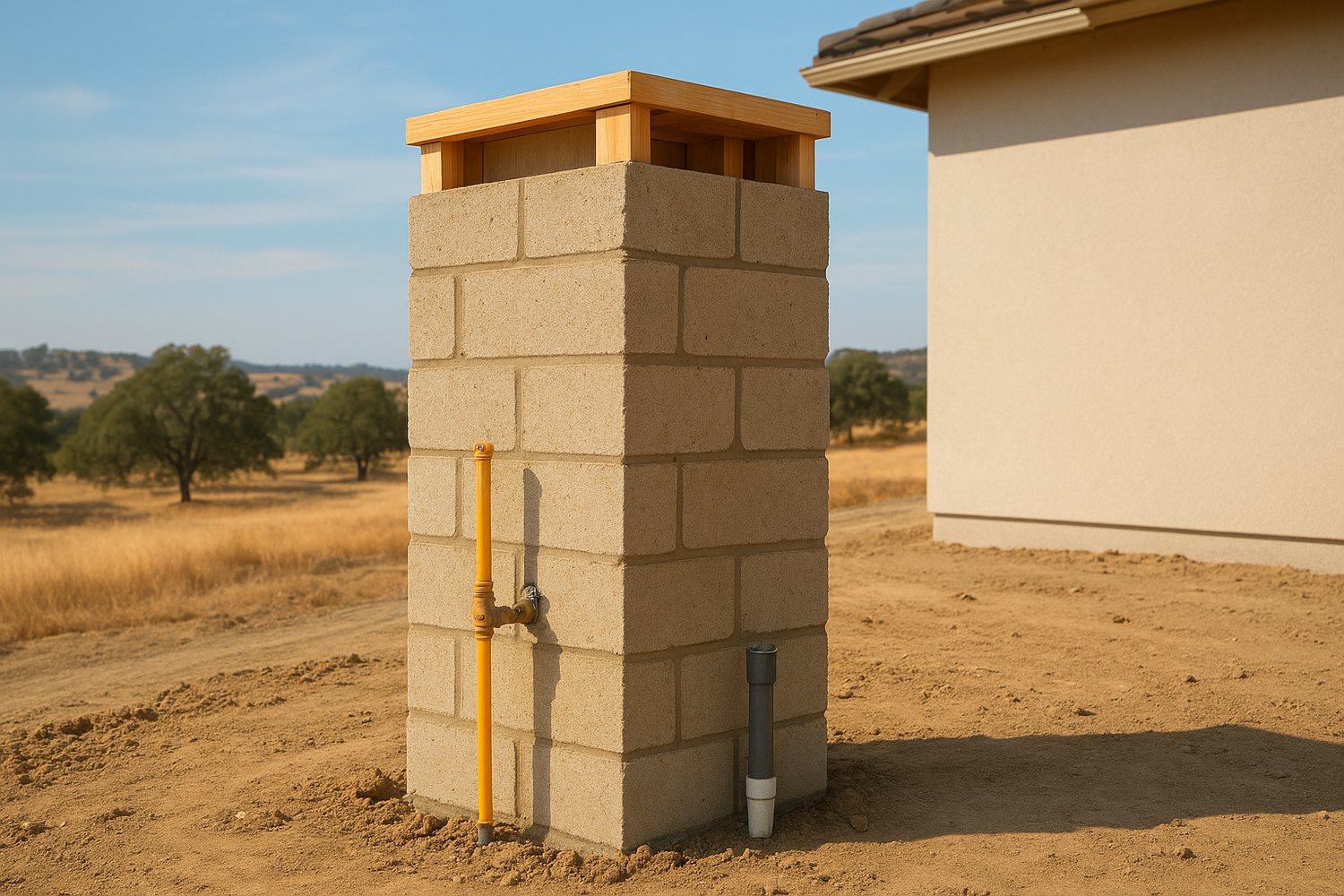
    • Consult on gas/electric supply for fire features

    Next Steps: Bringing Your Vision to Life

    Starting with a clear plan—based on how your outdoor spaces will be used—sets up the entire design for success. Your personal style, utility needs, and site constraints all factor into smart decisions about fire and water features.

    Collaborate with professionals who know local building codes, material performance, and proven layouts for this climate. They can help translate ideas into safe, lasting, inviting reality for your home.

    If you’re ready to take the next step, having an expert walk your site and talk through options is key. That way, your outdoor living area becomes a true reflection of how you want to live and gather, season after season.

    • Clarify how you’ll use each space
    • Get site-specific professional input
    • Plan for long-term enjoyment and value

    Ready to make a plan for your outdoor space?Request a consultationwith our team.

    Fire and water features: see the full guide to fire and water features, or browse every water features option.
    Your project

    Planning a water features project?

    Call or text 916-741-0633, or email sales@californiahardscapes.com with your address, a short description and a few photos, and we will arrange a consultation.

  • Fire Feature Gas Burners: What Local Homeowners Need to Know

    Fire Feature Gas Burners: What Local Homeowners Need to Know

    Considering a fire feature in your backyard? Understanding how gas, burners, and safety play together is critical—especially in our corner of California.

    Types of Gas for Fire Features

    When it comes to backyard fire features in Placer, Sacramento, and El Dorado counties, natural gas and propane are the two main fuel sources. Each has pros and cons tailored to your property and lifestyle, making an informed choice the best start to your project. Homes in newer neighborhoods may have easy access to natural gas, while propane is common in areas where gas lines stop short.

    Natural gas offers a clean, consistent flow and is permanently piped, meaning no tanks to refill—ideal for many newer homes in Rocklin and Roseville. Propane, on the other hand, uses refillable tanks and is a prime pick for rural settings or where extending a service line isn’t practical. Both deliver reliable performance but require safe setup and regular checks.

    Consider space for propane tanks, distance to the nearest gas meter, and any local fire codes. Before committing, ask about utility access, approvals, and ongoing fuel costs. Each option needs proper installation to ensure safety and efficient operation.

    Gas source recap: Natural gas — Piped from main utility; Propane — Refillable tanks; Both require professional installation for safety.

    To explore more about fire and water features for your backyard, visit ourmain Fire and water features page.

    Burner Choices: What Affects Flame and Feel

    Burners are the heart of a fire feature, setting the size, intensity, and pattern of your flame. Choices range from standard rings for classic fire pits to custom pans for linear fireplaces or fire bowls. The ideal setup balances beauty and safe function, especially with kids and pets around.

    Materials matter: Stainless steel is king for outdoor burners in the Sacramento-area climate, resisting rust and corrosion. For decorative fire features, consider the shape and porting of the burner—it impacts not just the look but fuel efficiency and heat output. A larger burner might need a bigger gas supply and more robust safety systems.

    Don’t forget wind: Crosswinds in open yards may push flames off-center or reduce heat, affecting both enjoyment and safety. Talk over burner placement and shield options to fit your outdoor living goals.

    • Stainless steel resists weather best
    • Choose burner diameter for desired flame size
    • Match burner to fuel source and supply

    Installing for Safety: Codes and Peace of Mind

    Safety is non-negotiable with outdoor fire features. Local building codes in Placer and Sacramento counties dictate setbacks from structures, clearance from combustibles, and specific methods for gas line installations. Familiarity with these rules prevents hazards and headaches later on.

    Licensed contractors should always handle gas line trenching, connections, and valve installation. Shut-off valves, key controls, or electronic ignition systems—each has requirements for placement and accessibility depending on the build. This is doubly important with pools or water features nearby, as gas and water should be safely separated.

    Always check for permit needs even on upgrades or replacements. Inspections catch problems before you do. At California Hardscapes, every project means compliant installation and site safety from start to finish.

    • Maintain clearances from overhangs and decks
    • Use dedicated gas lines; avoid quick connects outdoors
    • Install easily accessible shut-off valves
    Ignition TypeHow It WorksSafetyConvenienceIdeal For
    Match-LitManual flame with lighter or matchBasicRequires close contactBudget builds, DIY convenience
    Push-ButtonPiezo or battery ignition, push to lightImproved (no open flame at start)Easier to useFamilies, frequent use
    ElectronicElectric start, sensors, remote possibleAutomatic flame sensing, shut-offRemote, wind-resistantPremium setups, automation
    Key ValveManual valve with removable keySecure (remove key for safety)ManualHomes with kids or guests
    Auto SafetyIntegrated auto shut-offsHighestSet and forgetHigh-traffic or sensitive areas

    Comparing Ignition Systems

    Ignition systems control how you light your fire feature—a detail that affects both daily use and long-term safety. Basic match-lit systems are budget-friendly but require you to get close to the flame, while more advanced systems offer convenience, wind resistance, and remote operation.

    Electronic ignition systems are increasingly popular in Folsom and Granite Bay homes, where minimizing manual flame exposure is a priority. These systems often have automatic flame sensors, which shut gas off if the flame is blown out. Push-button or remote start systems add another layer of convenience and protection.

    Before you choose, think about how often you’ll use the feature, whether you have kids or guests who might interact with it, and if you’d benefit from automation. Discuss these options early with your builder to get the right fit for your lifestyle.

    • Match-lit: Manual, least expensive
    • Push-button: Safer, simple operation
    • Electronic: Remote start, auto shut-off

    Ventilation and Location Considerations

    Good airflow is essential. Placing a fire feature under patio covers or near fences can trap heat and gas, increasing fire risk. Local guidelines usually specify open-air installation, but even then, factor shifting winds and ventilation into both safety and comfort.

    Certain fire bowls and tables are designed with built-in ventilation grates. These help disperse heat safely, but should never substitute for smart site selection. When in doubt, keep a radius free of overhanging branches and finished wood surfaces.

    In properties with pools or water features, strategic separation keeps chemicals and condensation from affecting gas components. It also gives each element the room it needs to shine visually. Ask about wind screens or shields if your site is prone to breezes.

    • Never install inside closed patio rooms
    • Maintain clearance above and around the flame
    • Check HOA or local setback rules

    See all your options for backyard fountains, pools, and more in ouroverview of Water Features.

    Fire Media: Glass, Lava Rock, and More

    The look of your fire’s surface—glass gems, lava rocks, or ceramic logs—does more than set the mood. It also affects how heat and gas move through the system. Use only fire-rated media made for gas burners, as ordinary rocks or glass can crack or explode with heat.

    Lava rock is rugged and affordable, fitting the rustic-chic landscapes common around Auburn and Folsom. Fire glass, available in many colors, gives a modern flair and reflects more light, increasing the dramatic effect at night. Layering media is possible, but the manufacturer’s guidelines and local codes are the deciding factors.

    Always start with a single, even layer—not piled high—which keeps burners operating properly and avoids blocking gas flow. Replace media that’s weathered, cracked, or dirty to maintain efficiency and appearance.

    • Use only fire-rated glass or rock
    • Follow media depth rules for your burner
    • Clean debris regularly for best performance

    Regular Maintenance and Safety Checks

    An outdoor fire feature isn’t set-and-forget. Placer and El Dorado County weather can clog burner ports, rust fittings, or cause gas lines to shift over time. Develop a checklist for periodic inspection, or schedule a professional check at the start of each season.

    Inspect all connections and shut-off valves for leaks or signs of wear. Soap solution can help you spot leaks—bubbles mean it’s time for a fix. Replace or repair anything that shows corrosion or damage from sun, water, or animals.

    Cut back nearby plants that grow into the clearance zone. After storms or major winds, briefly test your system before regular use to ensure safe and steady operation. Document your maintenance dates for easy troubleshooting.

    • Check burners for soot or blockages
    • Test gas lines for leaks seasonally
    • Clear debris after storms or yard work

    Bringing It All Together for a Safer, Smarter Fire Feature

    Gas fire features add warmth and character to any backyard, but the right choices—and the right partner—are everything. Think about your fuel source, ignition, safety systems, and how these align with your property’s layout and your family’s lifestyle.

    Staying compliant with regional codes, using rated materials, and relying on licensed professionals are the bedrock for both safety and peace of mind. In the Sacramento foothills, the dry climate and strict fire codes mean every detail matters a little more.

    A well-designed fire feature is meant for years of easy enjoyment—not surprises. Ask questions, review your options, and always make safety the non-negotiable starting point.

    Ready for expert advice?Request a consultationwith the team at California Hardscapes.

    Fire and water features: see the full guide to fire and water features, or browse every water features option.
    Your project

    Planning a water features project?

    Call or text 916-741-0633, or email sales@californiahardscapes.com with your address, a short description and a few photos, and we will arrange a consultation.