How Pondless Waterfalls Work: An Easy Guide for Homeowners
Curious how a pondless waterfall operates? Here’s a straightforward explanation and practical advice for Rocklin-area homeowners on this popular water feature.
Pondless waterfalls are a modern, practical water feature for any outdoor space. Here’s what makes them work and why they’re gaining popularity in Rocklin and surrounding areas.
What Is a Pondless Waterfall?
A pondless waterfall is a water feature where water flows down rocks and stones, but instead of collecting in an open pond, it disappears into a hidden reservoir underground. The result is the beauty and movement of flowing water without the upkeep and safety concerns of a traditional pond. Homeowners can enjoy the sound and serenity of a waterfall, knowing there’s no deep, open water in their yard.
This design has become especially popular in areas around Rocklin, Roseville, Granite Bay, and Folsom, where maintenance and water usage are a concern. It’s a versatile solution that fits yards of all sizes and complements a range of landscape styles. Because the water is self-contained and recirculates, pondless waterfalls are water-wise for California’s climate.
The finished look can be natural or modern, and the scale is easily adjusted to your space. By working with licensed, experienced teams, installation is precise, and details—from stone placement to pump selection—are built for long-term performance and reliability.
For a more detailed introduction and ideas, check out ourPondless waterfallsmain page.
How Pondless Waterfalls Work Behind the Scenes
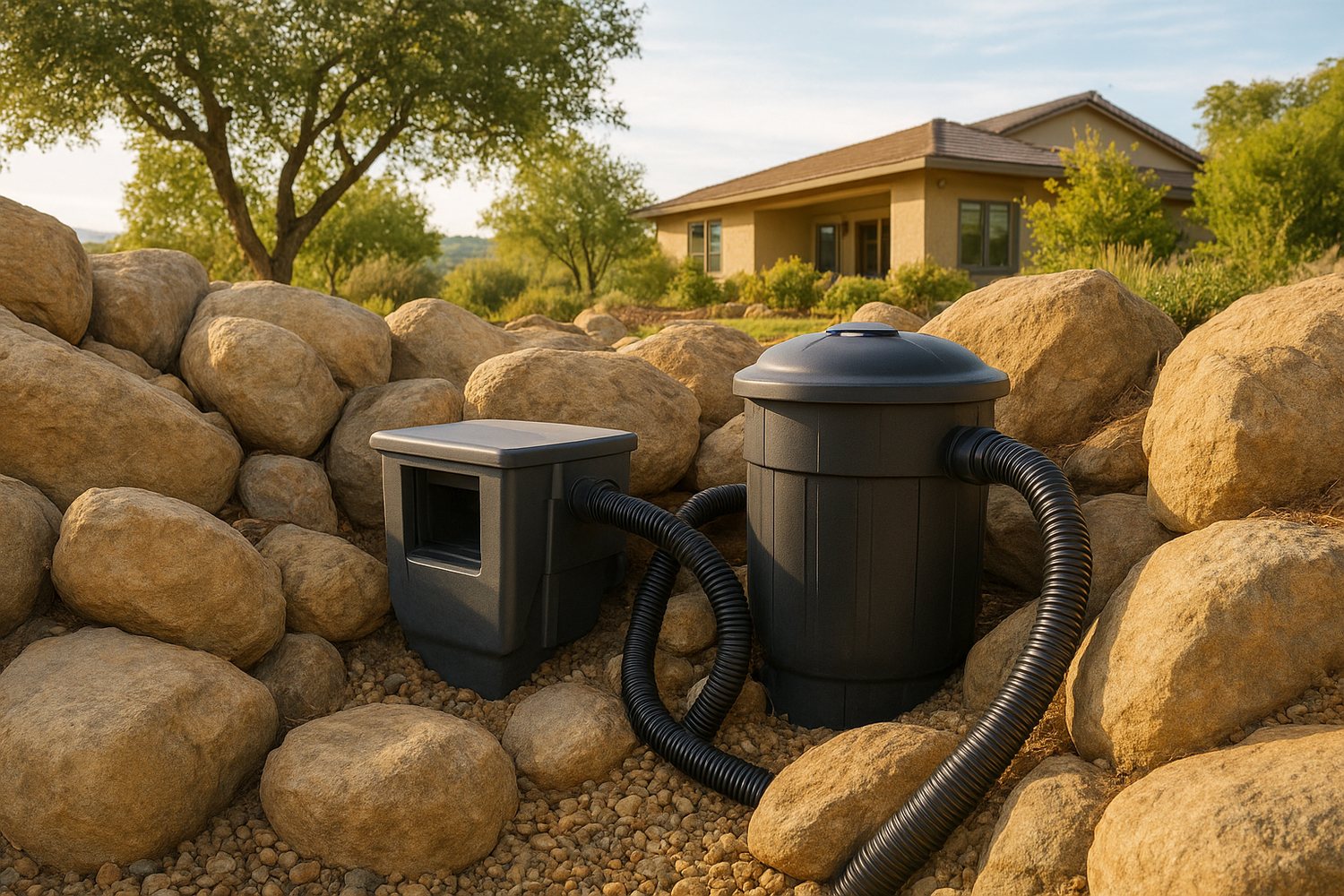
The ‘pondless’ part refers to the hidden basin buried beneath gravel and river rock. Water flows down the waterfall as usual, but rather than pooling at the bottom where you can see it, the water filters quickly through the rocks and is captured in a lined underground reservoir. The result: the water vanishes from sight, yet keeps circulating.
A submersible pump in the reservoir pushes the water back up through a concealed pipe to the top of the falls. The cycle repeats, using a fixed amount of water with very little loss to evaporation. Smart system design allows for easy access to the pump for routine maintenance or adjustments.
This efficient set-up means there’s no deep, exposed water—making pondless waterfalls safer for children and pets. It also reduces concerns about mosquitoes and algae, both of which are common in standing water but not a factor in a pondless design.
Key Materials Used in Regional Construction
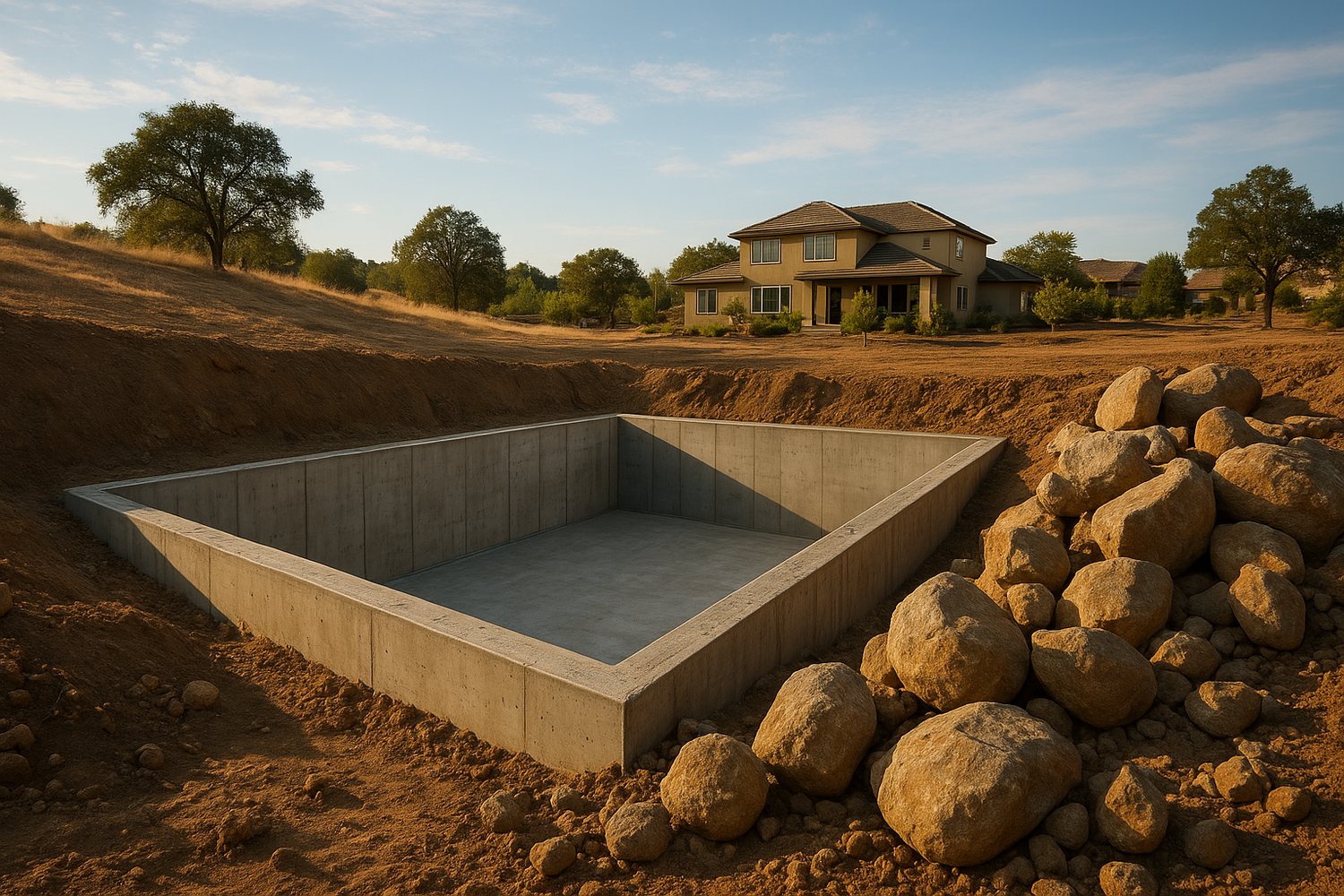
Building a pondless waterfall in areas like Granite Bay, Folsom, and Auburn involves selecting suitable materials for the local environment. The foundation starts with excavation and a water-tight liner—typically a flexible EPDM liner selected for durability and root resistance. The basin is filled with a structural matrix (often plastic grates or modular cubes), surrounded by washed gravel and river rock.
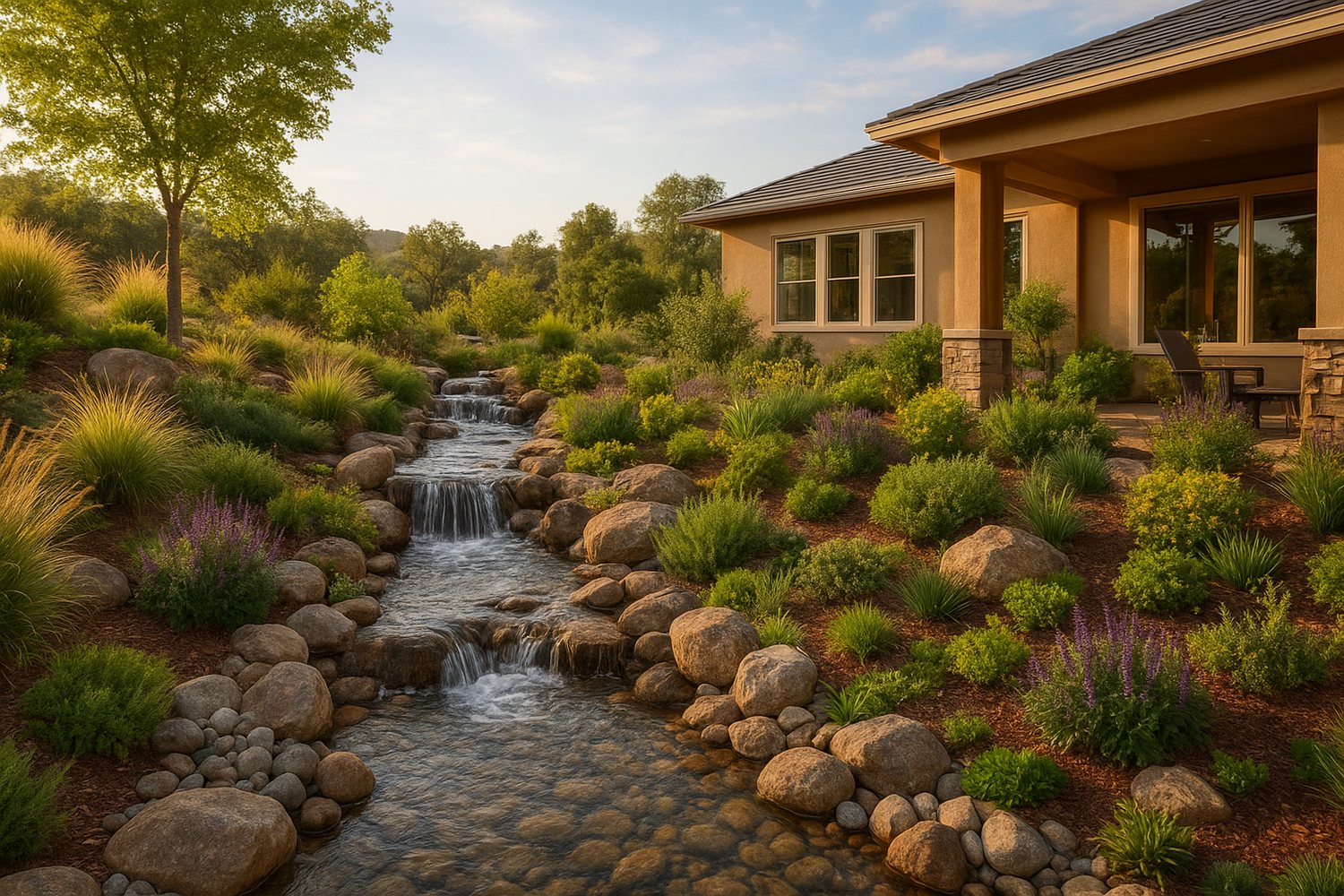
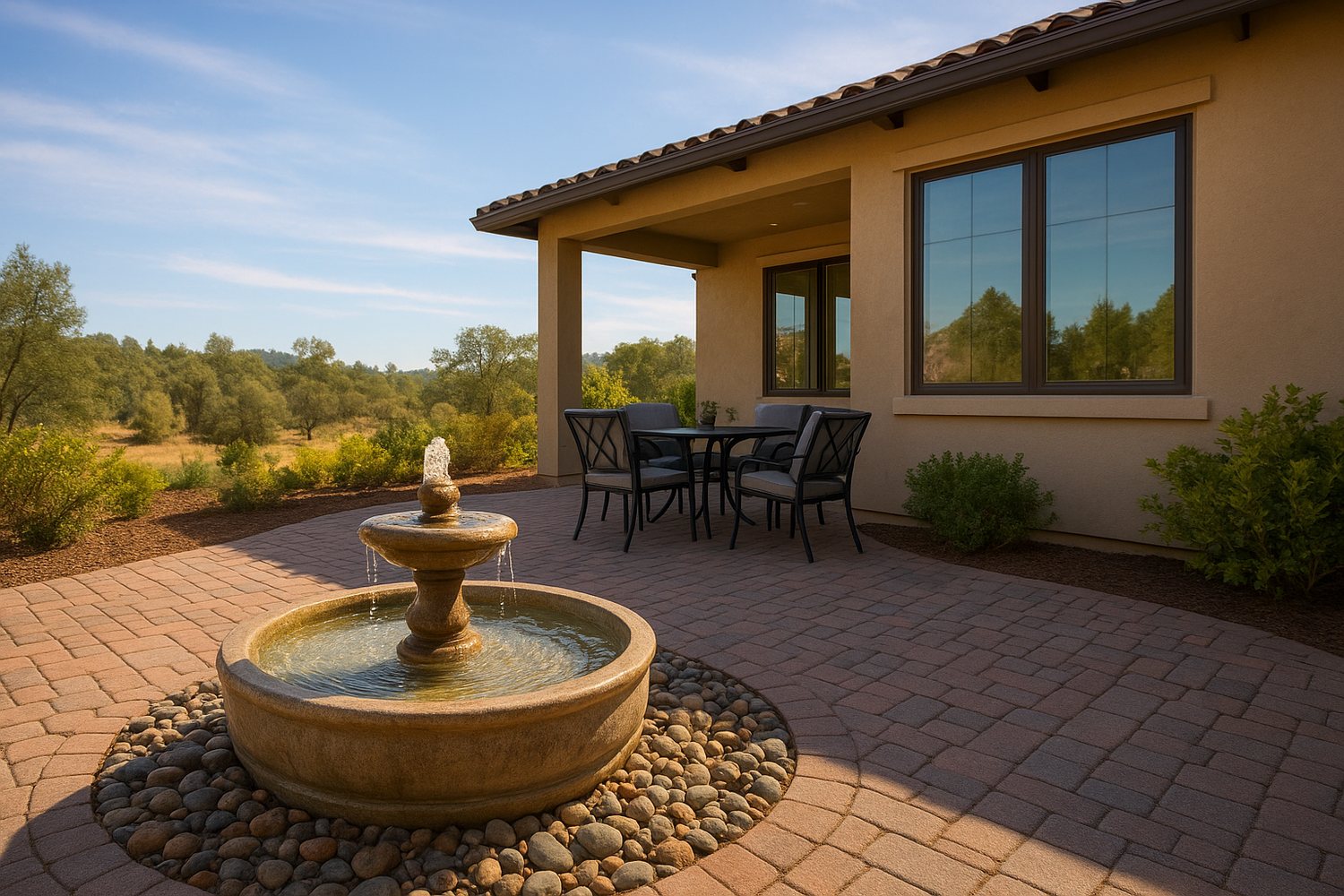
The visible part of the waterfall is crafted using locally-sourced boulders, flagstone, or stacked stone picked for long life and compatibility with the natural landscape. Plants or drought-friendly groundcovers can soften the edges and add a lush feel. If desired, outdoor lighting can enhance the water feature in the evening.
Each material must be chosen not only for visual appeal but also for longevity in our climate—which can swing between wet winters and hot, dry summers. Quality construction minimizes leaks and ensures consistent performance year after year.
- EPDM liners for long-lasting water containment
- Heavy-duty plastic grates or basin modules
- Locally-sourced stone, gravel, and river rock
- Optional: landscape lighting, drought-tolerant plants
| Aspect | Pondless Waterfall | Traditional Pond | Region Fit |
|---|---|---|---|
| Safety | No open water; child/pet safe | Open water; higher risk | Pondless safer for families |
| Water Use | Lower; recirculates, less evaporation | Higher; large surface area | Pondless more water-wise |
| Maintenance | Minimal; no algae/mosquitoes | More; routine cleaning needed | Pondless easier upkeep |
| Visual Impact | Natural/modern; flexible scale | Natural, larger footprint | Both attractive, pondless fits smaller yards |
Benefits of Choosing Pondless Waterfalls
For many homeowners in Placer, Sacramento, and El Dorado counties, a pondless waterfall offers a blend of beauty and practicality. Unlike open ponds, there’s no need to worry about maintaining water quality or the safety risks associated with deeper bodies of water. That peace of mind is a big selling point for families and those who want relaxing sights and sounds without added chores.
Pondless designs also use less water overall than most traditional ponds. The reservoir is smaller, less water is exposed to evaporation, and there’s no need to keep a large volume topped up. Maintenance is usually limited to checking the pump and clearing debris from the waterfall area, tasks easily managed by most homeowners.
Installation can be easier and more flexible than a pond, opening up water feature options even for homes with limited space or sloping yards. Combined with native plantings and resilient stonework, they become a truly sustainable choice for the Northern California landscape.
Design Options That Fit Local Styles
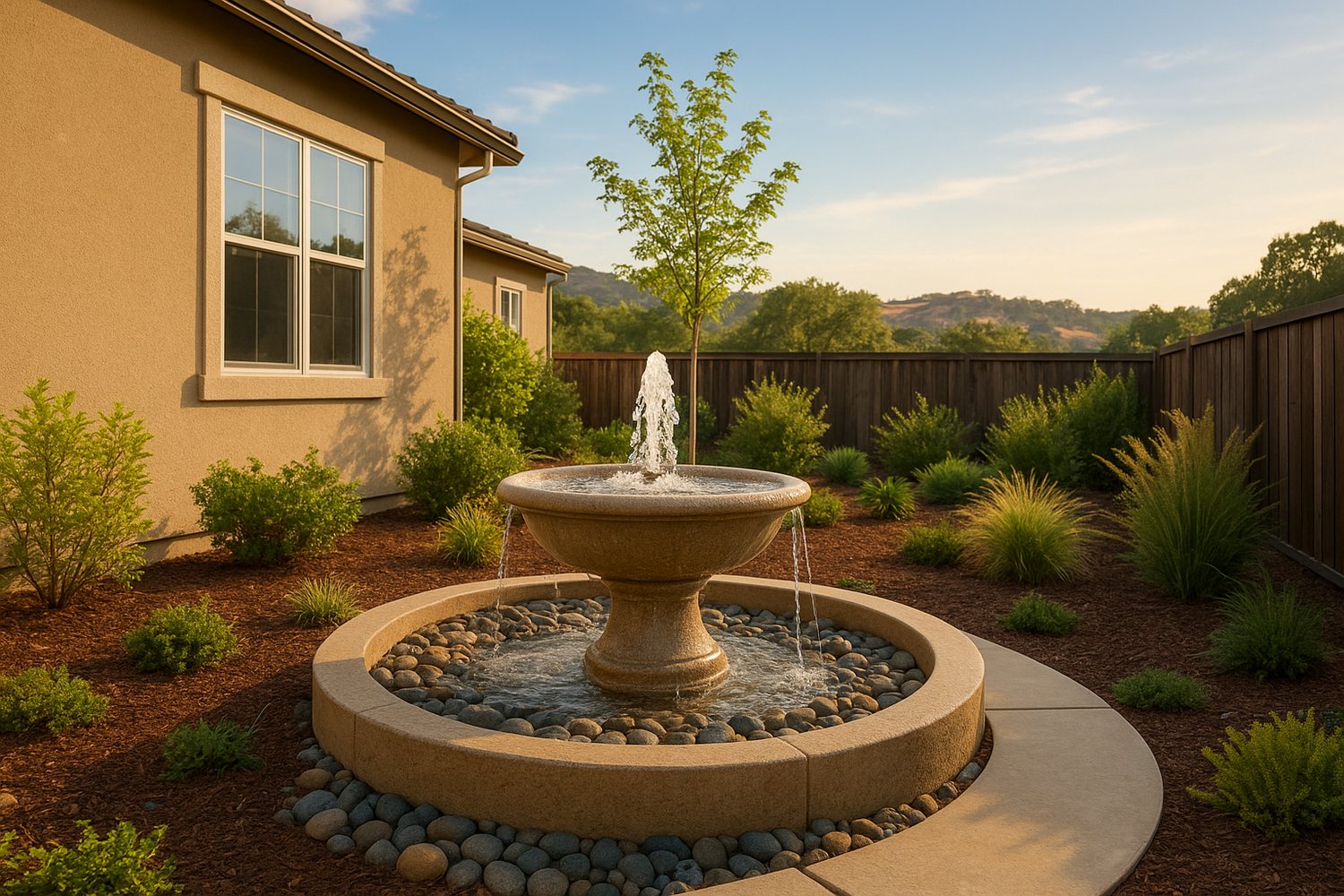
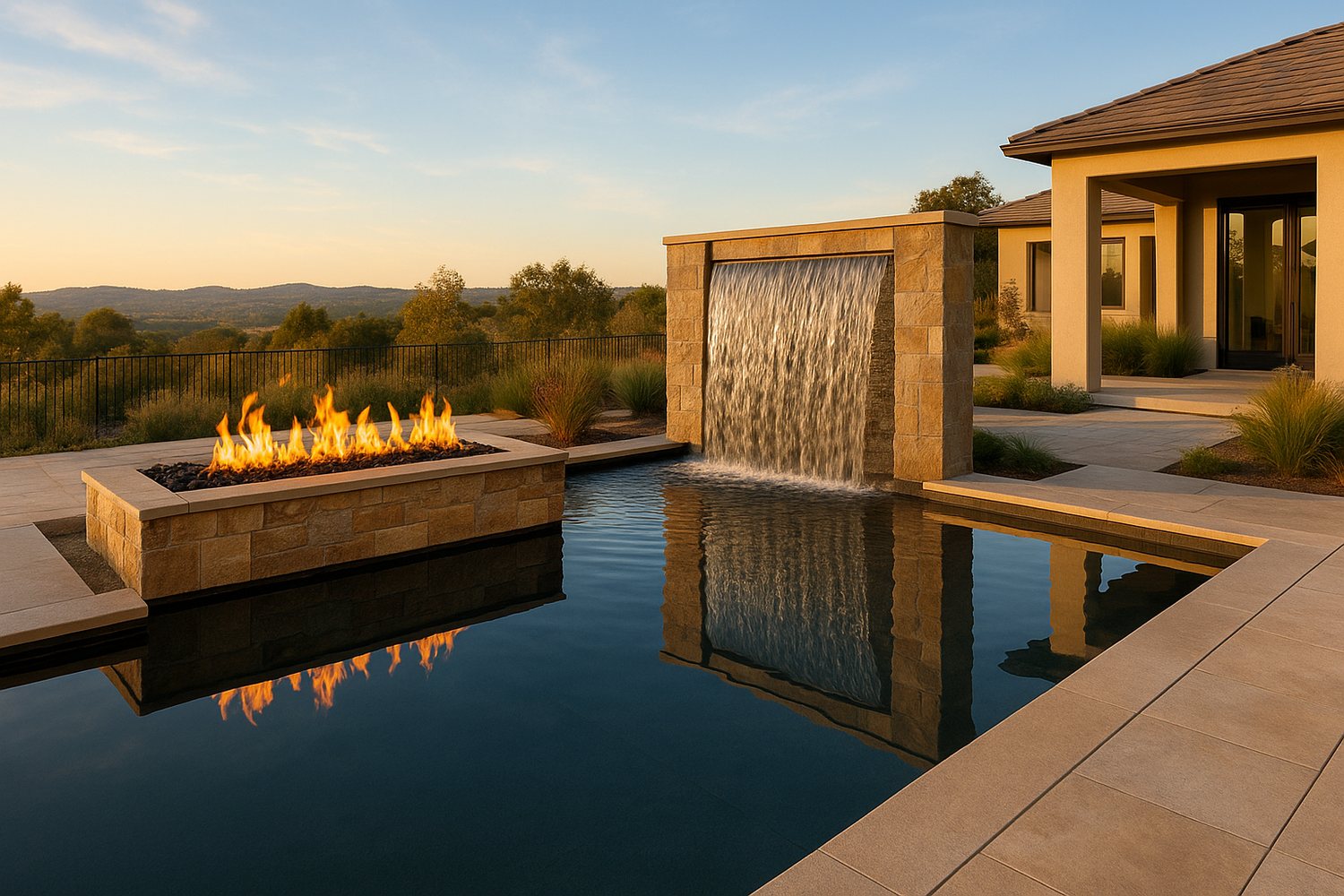
Pondless waterfalls are available in a wide range of looks, from natural streams that wind through boulders and river rock, to sleek contemporary cascades. In neighborhoods like Granite Bay and Roseville, homeowners often opt for a blend of California native stones and drought-tolerant landscaping for a cohesive feel.
Features like gentle curves, multi-level cascades, and built-in LED lighting add to the experience and visual appeal. Placement is flexible—these systems can be installed as a backyard focal point, along a front entryway, or tucked into a quiet corner for private enjoyment.
If you already have established features like patios or retaining walls, a pondless waterfall can be integrated for a seamless look. The key is tailored design: matching the style and scale to your home, yard, and personal preferences.
- Natural rock for a California stream look
- Contemporary stones and straight lines for modern appeal
- Integration with existing patios or retaining walls
- Accent lighting for nighttime enjoyment
See other types of customWater Featuresyou can add to your landscape.
Maintenance Realities: What to Expect
Compared to ponds, pondless waterfalls are refreshingly low-maintenance. You’ll mainly need to clear away leaves, check for blockages, and keep an eye on the water level—especially in the heat of summer. The pump is designed for long-term submersion but should be inspected periodically for damage or debris buildup.
Seasonal maintenance may include rinsing out the gravel in the basin and ensuring all plumbing connections remain secure. For our region’s fall leaf drop and occasional winter storms, a regular check prevents clogs and keeps the system performing smoothly.
With quality components and good design, annual maintenance is straightforward. If you’re ever faced with repairs or system upgrades, working with experienced licensed contractors ensures the system stays reliable for years to come.
- Regular debris removal keeps water flowing
- Check pump and plumbing each season
- Occasional gravel or reservoir rinse recommended
What to Know Before Installing
Local permitting or neighbor concerns are rarely an issue for pondless features, but you’ll still need to plan the location and scale of your waterfall carefully. Avoid placing it near large tree roots or where drainage issues exist, and try to keep it within easy reach for minor upkeep down the line.
Soil type and site slope both affect the design. Heavier clay soils common in Folsom and Auburn can help prevent leaks, while steeper yards may offer easy opportunities for natural-looking cascades. Consult with experts who know local terrain and can recommend the best approach for your lot.
If pets or small children live with you, a pondless system is among the safest choices for adding the sound of water to your landscape. But like any outdoor structure, care during installation and use will help get the most out of the investment.
- Locate away from major roots and drainage zones
- Consider site slope and soil type
- Choose a scale that fits your space and maintenance goals
Selecting an Experienced Team Matters
Quality is everything when it comes to outdoor construction. That’s why California Hardscapes is managed by Marty, who’s been in the concrete and construction industry for over three decades. His background ensures projects—from concrete prep to site integration—are built with skill and care.
Licensed, bonded, and insured contractors are part of every project to protect your home and investment. The team uses materials and techniques specific to our local climate, ensuring your water feature functions properly through dry spells and rainy winters.
Working with a company familiar with Placer, Sacramento, and El Dorado County communities means better planning, fewer surprises, and reliable follow-through. Choose a team that can walk you through each step, answer your questions, and deliver the outdoor space you’ve envisioned.
Ready to get started?Request a consultationwith our team today.
Planning a water features project?
Call or text 916-741-0633, or email sales@californiahardscapes.com with your address, a short description and a few photos, and we will arrange a consultation.