Choosing Between Gabion Walls and Block & Stone for Retaining Walls
When it comes to retaining walls, gabion baskets and block or stone builds each offer distinct benefits. Here’s a compare-and-contrast for Placer and Sacramento area homes.
Retaining walls do more than hold soil—they set a tone and define your landscape’s function for years to come. For many homeowners, the real decision is between rugged gabion walls and classic block or stone construction.
The Function and Look of a Retaining Wall
Retaining walls are built to manage steep slopes, control erosion, and create flat, usable spaces on your property. But just as importantly, they affect curb appeal and how your whole backyard or front yard feels. A wall’s appearance, scale and finish matter, especially in neighborhoods where outdoor improvements are an investment in comfort and value.
Gabion walls, made from wire baskets filled with rock, project a more rugged, modern look with visible stones and a raw but organized pattern. Block and stone walls—using either concrete masonry units or natural stone—can deliver a cleaner, often more traditional or tailored look. Either can fit in with modern, Mediterranean, craftsman or rustic-hill landscape styles if approached thoughtfully.
What you choose isn’t just about shape or color. It’s about how you want your landscape to function, the amount of maintenance you’re willing to do, and the role your wall will play in the long-term design of your space.
- Retaining walls fight gravity and water runoff
- Both gabion and block/stone can transform property grades
- Visual style sets the tone for outdoor living areas
For more details on this style, explore ourGabion Wallsservice page.
Gabion Walls: Strengths and Where They Shine
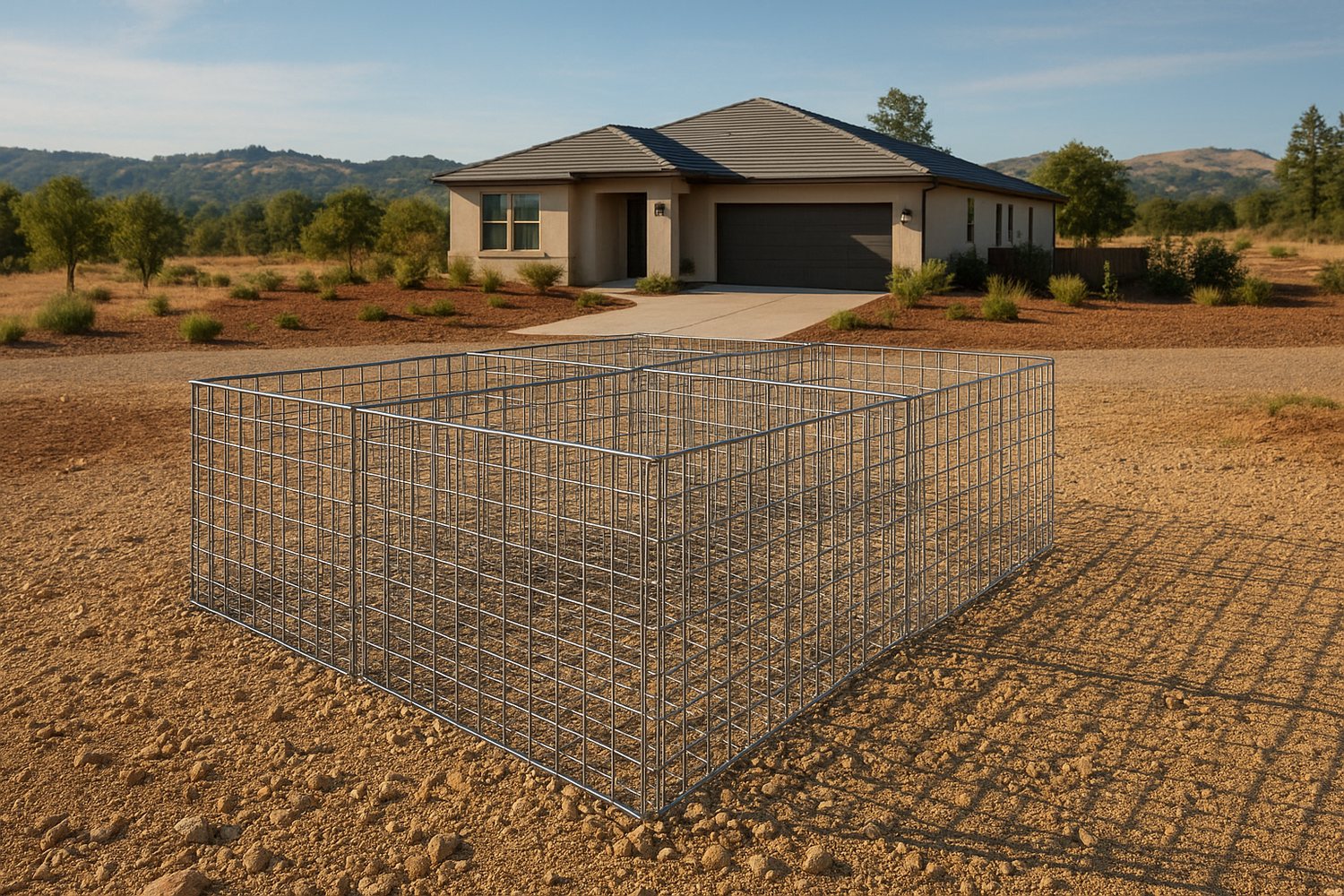
Gabion walls use wire mesh baskets—or ‘gabions’—filled with angular rocks sourced for strength and drainage. They’re particularly suited for slopes with drainage challenges, as water flows freely through the structure, preventing hydrostatic pressure and reducing the risk of wall failure.
This type of wall excels where large-scale, rugged performance matters most—think hillsides, big cut slopes, or areas more prone to heavy winter runoff. In our area, where flash rain can challenge drainage, a properly designed gabion wall copes well with these conditions.
While they can be used to create more regular, orderly lines, gabion walls are most admired for their organic, informal appearance. The texture and variety of rock color can make them a dramatic backdrop for native landscaping and modern outdoor features.
- Excellent drainage reduces pressure behind the wall
- Handles minor ground movement and settlement well
- Best for a contemporary or ‘natural’ landscape look
Block and Stone Walls: Versatility and Classic Appeal
Block retaining walls—assembled from concrete blocks—are engineered for strength, especially in taller applications or places requiring strict lines and neat finishes. Natural or cut stone creates a timeless effect, suitable for more traditional or custom home facades.
These walls can be built to nearly any height when properly engineered and reinforced, making them more flexible for different backyard layouts. They’re also easier to fit into tight property lines or spaces where you want perfectly straight or curved finishes.
Both block and stone walls can blend with the color and style of surrounding patios, driveways, or pool decks. This can create a harmonized, cohesive outdoor space—sometimes preferred in more formal garden settings or with homes that have established architectural details.
- Straightforward to build in tight or precise spaces
- Huge variety of block shapes, finishes and colors
- Stone offers a classic, upscale California feel
| Feature | Gabion Wall | Block Wall | Stone Wall |
|---|---|---|---|
| Drainage | Excellent; naturally permeable | Needs engineered drains | Needs engineered drains |
| Suitable Soil Types | Forgiving to some movement | Best on prepared, stable base | Best on prepared, stable base |
| Maintenance | Check for wire corrosion | Check for cracks | Check for joint issues |
| Design Look | Rugged, modern or natural | Clean, crisp, formal | Timeless, custom, upscale |
| Speed of Installation | Fast after prepping baskets | Slower, requires more steps | Slowest; detailed layout |
Local Considerations: Weather, Soil and Regulations
Northern California’s mixed clay soils can expand, shrink and shift, putting pressure on retaining walls. Gabion designs are forgiving to slight earth movements, while block and stone require a firmer base and precise installation to guard against cracking.
Winter rain and storm runoff test every retaining wall. Gabion walls shine here; their permeable structure reduces water buildup. Block and stone walls depend heavily on well-designed drainage systems to prevent hydrostatic damage.
Homeowner associations and municipal codes may set requirements on wall heights, setbacks, and appearance. Gabion walls, seen as informal, might not always fit HOA standards, so it’s key to check before building—especially in more controlled developments.
- Clay soils need careful prep for blocks and stones
- Region sees occasional heavy rain and runoff
- Confirm HOA and city guidelines before starting
Maintenance and Longevity: What to Expect Over Time
Over the years, a gabion wall’s wire baskets can show surface rust (though this doesn’t usually affect strength). Occasional replacing of baskets or rock, and removing debris, is part of upkeep. For most builds, well-chosen galvanized or PVC-coated wire holds up for decades.
Block and stone walls need periodic inspections for shifting, cracking or movement—especially after heavy storms. Well-built structures, with proper drainage, are usually low maintenance, though occasional re-pointing or cleaning may be needed, especially for stone.
Both types handle the California summer sun well. Gabion walls are virtually unaffected by wildfire embers, while block and stone can discolor but aren’t considered fire risks themselves.
- Inspect for movement after heavy seasons
- Gabion wire may eventually need touch-up or replacement
- Stone and block: minor touch-ups, cleaning, possibly re-pointing
See all your choices on ourRetaining Wallsoverview.
Cost and Project Timeline: The Real-World Experience
Actual costs depend on height, length, site access and material choices. In general, gabion walls can be more cost effective for longer walls on rough ground, since major concrete footings aren’t always required. Blocks and stones often require more digging, grading, and base prep.
Gabion walls install quickly once baskets and rock are on site—sometimes an advantage for erosion control work in a hurry. Block and stone builds, with their detailed layout and finishing, often take a bit longer to construct, especially for tiered or curved designs.
Labor costs for precision block or stonework are typically higher, but matching a home’s architecture or achieving an upscale finish can justify the investment. Gabion designs, meanwhile, let the material’s raw beauty do more of the work.
- Gabions: good for longer or remote wall segments
- Block and stone: best for formal or custom appearances
- Project timing partly depends on accessibility and prep needs
Aesthetics: What Fits Your Home and Landscape?
Gabion walls complement landscapes with boulders, river rocks, native plantings, or modern hardscapes. They can read as rustic or industrial, depending on context. For contemporary new builds, they make a strong visual statement.
Block and stone walls fit nearly every architectural style, depending on material and finish. Whether you prefer the earthy texture of natural stone or the crisp lines of specialty block, these walls can blend in or stand out as a feature.
In established neighborhoods across Rocklin, Roseville, Granite Bay, Folsom, Auburn and nearby communities, your choice may depend as much on neighborhood tradition and aesthetic as personal taste.
- Gabion: rugged, organic, ‘statement’ potential
- Block/stone: classic, adaptable, often more refined
- Match material to existing patios, steps, or garden beds
How to Decide: Questions for Homeowners
Assess your property’s slope, drainage and soil type. If you’re facing persistent wet areas, gabion walls may have a practical advantage. For tall or curved walls close to buildings or boundaries, block or stone options might be a better fit.
Consider both appearance and long-term plans for your outdoor spaces. Do you want a natural, rugged feature or a cleanly finished wall that matches patio pavers or pool coping? Factor in how you use your yard and how much traffic or play the wall will see.
Finally, talk with an experienced local builder. They’re familiar with local engineering requirements and can help guide you to the best material and design for your property and taste. An on-site assessment will reveal things you can’t always see from just photos or ideas online.
- Get clarity on wall function before you choose a style
- Visualize how your wall ties into the larger landscape
- Consult a licensed professional for site-specific advice
Ready to break ground?Request a free consultation with our team.
Planning a retaining walls project?
Call or text 916-741-0633, or email sales@californiahardscapes.com with your address, a short description and a few photos, and we will arrange a consultation.