How Gabion Retaining Walls Work: Drainage and Stability Explained
Discover the practical science behind gabion retaining walls—how they manage water and remain stable year after year for homeowners in our region.
Gabion retaining walls stand out for their durability and natural ability to handle drainage. This article breaks down how they keep yards stable and dry in Northern California.
Gabion Retaining Walls: What Are They?
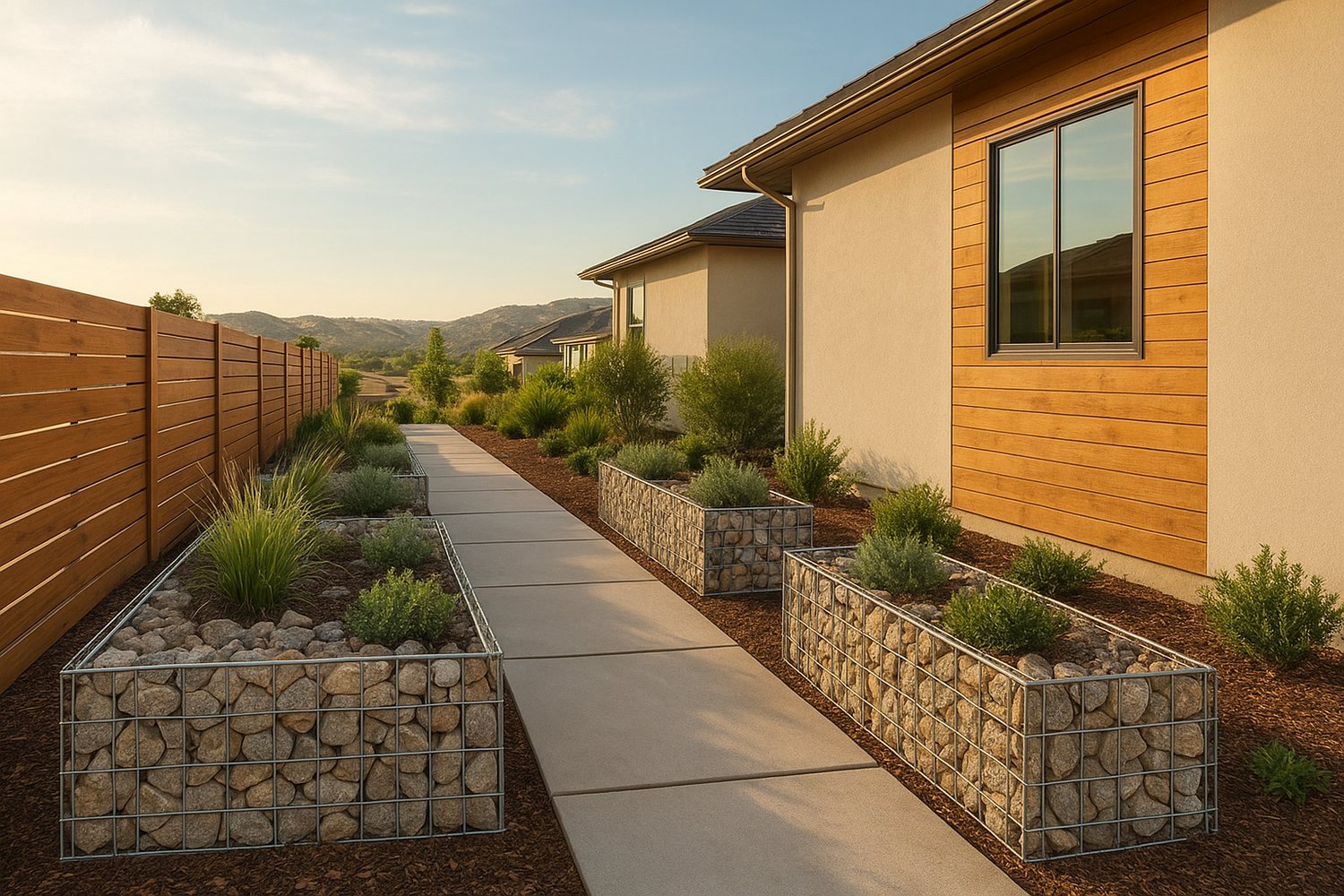
A gabion retaining wall is constructed by stacking wire baskets filled with rock or stone. The design may appear rustic, but these walls deliver proven strength with a flexible, open structure well-suited to California’s soils. Homeowners in Rocklin, Roseville, Granite Bay, Folsom, Auburn, and nearby areas are increasingly considering gabions for both practical and visual appeal.
Gabion baskets are made from galvanized or coated steel, which holds up well in changing weather. Rocks are placed inside and the baskets are stacked or stepped back to create a wall. Unlike concrete block or poured concrete, gabion walls can slightly shift without cracking, making them highly adaptive to our region’s clay-based ground.
Besides their unique look, gabion walls offer environmental benefits. They can use locally-sourced or repurposed stone, blending well into natural landscapes. The ease of assembly and flexibility makes them an excellent candidate for sloped yards and custom landscape layouts.
- Wire baskets filled with stone
- Naturally blends with landscaping
- Favored in clay and shifting soils
Learn more about the benefits and construction of gabion solutions on ourGabion Wallspage.
Natural Drainage: How Gabion Walls Handle Water
Drainage is one of the strongest features of a gabion wall. The spaces between the rocks in the baskets let water flow through rather than build up behind the wall. For areas in Placer, Sacramento, and El Dorado Counties that see heavy winter rains and clay soils, this is a key advantage.
Unlike traditional solid concrete or block walls, gabion walls almost never require extra drainage pipes. Water seeps right through, so hydrostatic pressure doesn’t build up behind the wall — a leading cause of wall failure in solid systems. This helps keep the wall, and your yard, more stable long-term.
Well-drained walls minimize puddling and runoff issues below and behind the wall. Homeowners see less erosion, helping landscapes remain intact even through wet winters or irrigation cycles common to our region.
- Water passes through rock voids
- No need for drain pipes in most cases
- Reduces hydrostatic pressure behind the wall
Staying Strong: What Makes Gabion Walls Stable?
The weight and design of gabion walls provide surprising stability, especially in the clay and decomposed granite soils around Rocklin, Folsom, and the foothills. The mass of the rocks resists sliding, while the wire mesh holds its shape even during earth movement.
Gabion walls are often stepped back, creating a batter, or lean, into the slope. This configuration allows them to counteract soil pressure, making them less likely to lean or tip over. The flexibility of the baskets allows the wall to settle without cracking if the soil shifts after rains or drought.
Properly installed, gabion walls can absorb vibrations and small shifts in the ground. This is valuable in areas prone to soil movement or settling, and can extend a wall’s life compared to rigid alternatives.
- Heavy mass resists pressure
- Flexible wire mesh adapts to settling soils
- Stepped or battered design improves strength
Regional Considerations: Why Gabion Walls Suit Our Area
The unique soil and rainfall patterns of Placer, Sacramento, and El Dorado Counties matter when choosing a retaining wall type. Many parts of these regions have expansive clays, steep slopes, or seasonal deluges that challenge traditional walls. Gabion walls are naturally adapted to these conditions.
Gabions provide built-in drainage, which is critical in neighborhoods where surface water can quickly saturate the ground. Plus, their flexibility makes them well-suited for new construction or properties with ongoing grading challenges.
With rock and stone widely available locally, filling baskets can often be done with materials that match surrounding landscapes or even with recycled stone. This keeps projects both eco-friendly and visually cohesive for homes in the greater Rocklin and Auburn areas.
- Performs well in clay and decomposed granite
- Handles variable rainfall with ease
- Can use regionally-sourced rock for baskets
| Type | Drainage | Stability in Clay Soils | Installation Complexity | Maintenance |
|---|---|---|---|---|
| Gabion Wall | Excellent—water flows through | Adapts to settling | Moderate | Low |
| Block Wall | Needs drain pipes | Can crack | Higher | Low/Moderate |
| Poured Concrete | Needs drain pipes | May crack in clay | High | Low |
| Timber Wall | Poor—often needs drainage | Susceptible to rot/shift | Lower | High (rot/insects) |
Comparing Gabions to Traditional Retaining Walls
When planning a new retaining wall, homeowners often want to compare gabion walls to concrete block, poured concrete, and timber options. Each system has strengths, but gabions stand out for drainage, flexibility, and durability in tricky soils.
Traditional block and concrete walls provide a more formal appearance but require engineered drainage and careful soil prep to minimize cracking. Timber walls are sometimes used for short-term solutions but eventually degrade in wet California winters.
Gabion walls blend well with landscapes, need little extra drainage work, and adapt to ground movement. They can be more visually ‘natural’ for certain settings. The following table sums up how gabions compare to other retaining wall options.
To compare all your options, visit our full guide toRetaining Wallsand their advantages.
Key Installation Practices for Reliable Gabion Walls
Gabion walls require a solid, level base of compacted stone to support the weight and prevent settling. In our region, it’s crucial to remove organic topsoil and start with firm native ground or an engineered sub-base to minimize displacement during wet or dry cycles.
Corners and steps in gabion walls must be tightly wired and sometimes reinforced with interior bracing. This prevents bowing or basket movement, especially on taller walls or where surcharge loads exist, like driveways or slopes.
Choosing the right rock size and type for the baskets also matters. Angular, dense stones (often locally available) lock together better than rounded river rock, delivering stronger, more stable walls for years of service.
- Start with a compacted stone base
- Tie corners tight and reinforce as needed
- Use angular, well-sized rock for best fit
Maintenance and Lifespan: What to Expect from Gabion Walls
Gabion walls are very low-maintenance, especially compared to some other retaining wall types. The galvanized or PVC-coated wire mesh resists rust for many years, especially when quality materials are used. Occasional checks for shifting or mesh wear can prolong the wall’s lifespan.
Weed control is minimal since most wall sections stay dry and shaded. Any fixable movement is usually easy to spot early on due to the open construction, allowing for straightforward repair before larger problems develop.
Overall, gabion walls have a long expected lifespan—especially with proper installation and periodic inspection. In the climate and soils of Rocklin, Granite Bay, and surrounding communities, they have proven to hold up well against both weather and time.
- Check periodically for mesh wear or shifting
- Minimal weed or pest issues
- Long-lasting in California climates
When to Consult a Hardscape Professional
Every property is unique. For walls taller than three feet, or on slopes, consulting a professional is key. Site-specific grading, water paths, soil conditions, and loading from nearby structures must be assessed for reliable wall design.
A reputable outdoor construction team will help select the best materials, drainage details, and installation approach for your yard. This is essential in the mixed-clay and hillside soils of neighborhoods throughout our region.
If you’re considering a gabion retaining wall, reach out with your questions. California Hardscapes is ready to offer practical advice—call, text, or email for guidance on your specific landscape needs.
- Professional input ensures safety and longevity
- Essential for walls above 3 feet or complex sites
- Get tailored solutions for drainage and stability
Ready to discuss specifics for your yard?Request a consultationwith our team for expert, practical advice.
Planning a retaining walls project?
Call or text 916-741-0633, or email sales@californiahardscapes.com with your address, a short description and a few photos, and we will arrange a consultation.