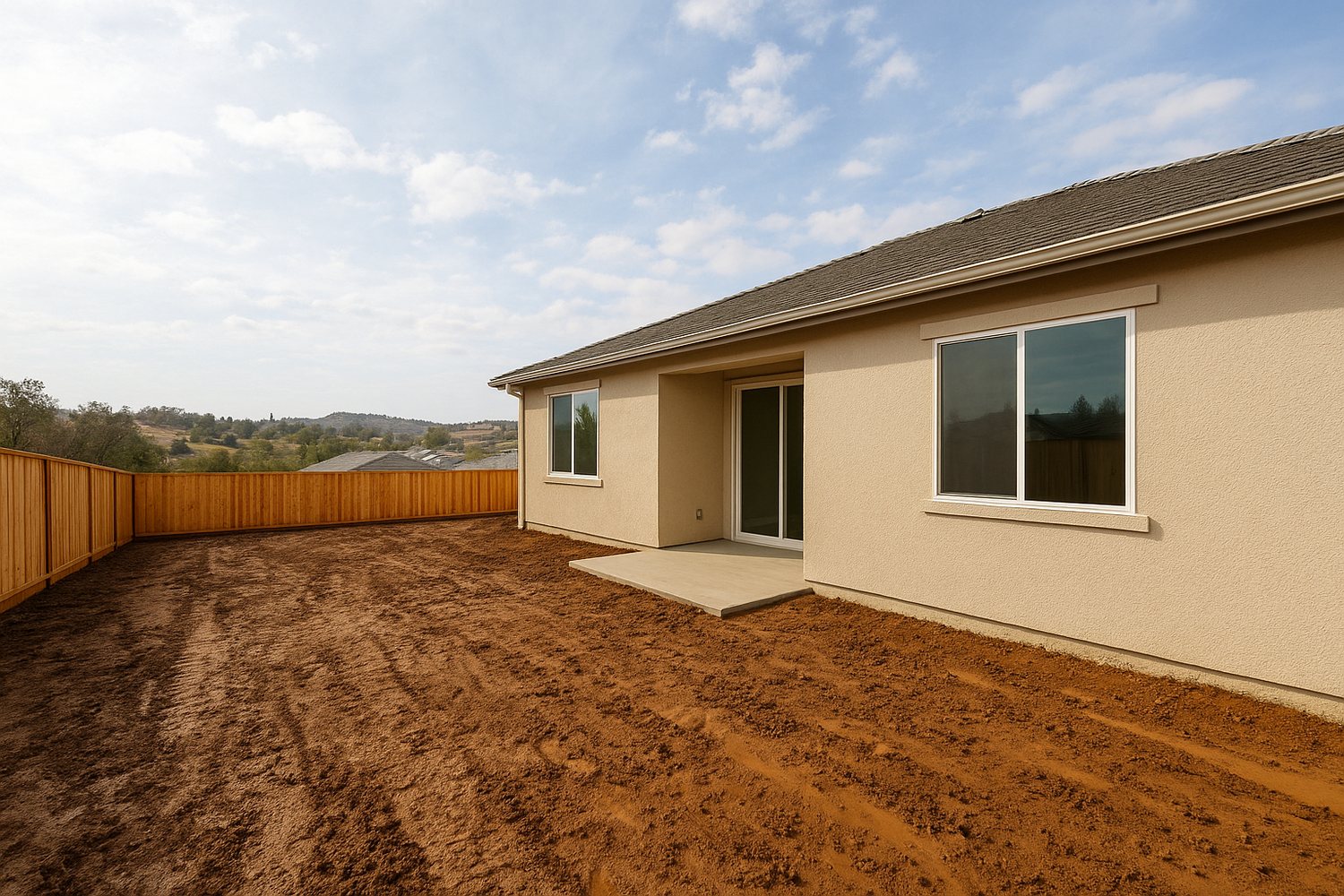
Planning Side Yard & Small-Space Turf: Drainage and Foundation Clearance
For homeowners in Rocklin, Roseville, and surrounding areas, smart side yard turf planning means focusing on drainage and foundation clearance. This draft helps you avoid missteps specific to the region.
Installing artificial turf in a side yard or narrow space brings unique challenges. Proper drainage and attention to your home’s foundation are the lynchpins of a project built to last.
Why Side Yard Turf Requires Special Planning
Side yards and small spaces offer big benefits when surfaced with artificial turf, but they come with their own set of considerations. Drainage and foundation proximity are two of the most critical issues that can’t be ignored. In Placer, Sacramento, and El Dorado Counties, our soils and home construction styles add extra complexity.
Homeowners in this region deal with expansive clays, periods of heavy rainfall, and homes built with slab-on-grade or raised foundations. These local factors can create risks if water is not handled well—especially in confined areas where natural runoff may be blocked.
Taking time to assess the physical space and plan for both water flow and the impact on your property’s foundation sets the stage for an installation you won’t have to rethink later on.
For a closer look at our approach to side yard and small-space turf, visit theSide Yard and Small-Space Turfpage.
Understanding the Drainage Challenge
Good drainage matters everywhere, but in a narrow side yard or small patio, water can collect quickly and cause ongoing problems. Artificial turf does not absorb water like natural grass, so any rainfall or irrigation needs a clear path away from your home.
Many properties in Rocklin, Roseville, and surrounding communities feature clay soils that become dense and slow-draining when wet. Without a thoughtfully designed sub-base, these conditions lead to pooling, soggy turf, or even water working its way toward the foundation.
Your installation plan should focus on creating a controlled flow for water. This might mean slight grading, built-in drains, or extra-porous sub-base materials, depending on your unique layout.
- Turf isn’t a sponge—water must go somewhere.
- Local clay soils make drainage vital.
- Standing water can damage foundations over time.
Keeping Turf Clear of the Foundation
Artificial turf should never be installed right up to your home’s foundation. A clear gap helps prevent moisture from lingering near concrete or siding, guarding against long-term damage.
Common practice is to stop the turf several inches from the foundation, then fill the strip with rock, gravel, or a drainage channel. This solution protects the home and channels water safely away, reducing risk of rot or cracking.
In this region, homes with slab-on-grade or raised foundations may require slightly different approaches, but the principle of maintaining separation is the same. Consult with your installer about industry best practices for your home type.
- Always leave a buffer between turf and home.
- Gravel or rock strips promote drying and airflow.
- Proper clearance prevents foundation issues.
| Sub-Base Material | Drainage Quality | Stability | Common Use | Notes |
|---|---|---|---|---|
| Class 2 Base Rock | Excellent | High | Side yards, patios | Promotes fast drainage, compacts well |
| Decomposed Granite | Fair | Good | Paths, low-traffic | May compact too tightly for turf drainage |
| Pea Gravel | Poor | Low | Decorative | Doesn’t compact tightly, unstable under turf |
| Crushed Granite | Good | High | General landscaping | Improved drainage vs. decomposed granite |
| Sand | Poor | Low | Play areas, bases | Not recommended under turf due to shifting |
Sub-Base Choices: Not All Rock Is Equal
The choice of sub-base material functions as the backbone of your artificial turf installation. In side yards, using the correct rock underlayer makes all the difference for drainage and stability.
Locally, crushed rock with good angularity and a mix of sizes (sometimes called "class 2 base" or "¾ minus") is the norm. Finer materials, like decomposed granite, may compact too tightly for critical drainage. The depth of sub-base is typically greater in narrow zones where water must move sideways.
Ask your contractor for specifics about the stone blend and thickness planned for your project. Materials decisions should factor in the space’s slope, how often it will get wet, and existing soil conditions.
Grading and Slope: Managing Water Flow
For tight side yards, subtle grading is essential. Even a 1–2% slope directs water efficiently toward a drain or lower yard area. Slopes should never aim water toward the foundation or neighboring property lines.
Experienced installers know how to work with existing grades—or reshape them—to allow for flow without making the surface unusable. In many Placer and Sacramento neighborhoods, space is limited, so solutions must be both functional and visually pleasing.
Sometimes, adding channel drains or drain basins is needed to move water efficiently. It’s worth examining the area during or after a rainstorm to spot trouble zones and verify your plan before work begins.
- Aim for a gentle slope, never flat.
- Direct water away from the house.
- Work with an installer who understands local grading challenges.
Preview more of the options covered on our mainArtificial Turfoverview.
Addressing Tree Roots and Planting Beds
Many side yards border existing trees, shrubs, or flower beds. These organic features bring both beauty and practical issues. Tree roots may grow near the surface, causing unevenness and potentially lifting turf over time.
Prepare your side yard project by identifying roots now. Some simple hand-digging and root barrier installation can help keep both your turf and landscape healthy. Minimize future maintenance by clearly separating living, irrigated beds from the turf zone.
Borders of bender board, stone, or pavers help manage transitions and keep soil from migrating onto the artificial turf, especially after storms or irrigation cycles.
- Map out tree roots before turf installation.
- Use root barriers for invasive species.
- Install sturdy borders to hold soil and keep turf clean.
Avoiding Drainage Pitfalls in Narrow Spaces
Overlooked drainage is the number one pitfall in side yard turf installs. Without planning, subtle depressions and low spots can become eyesores or mud puddles.
Drainage solutions in tight spaces may include strip drains, French drains, or simple surface grading. Sometimes, adding a gravel strip at the lowest edge keeps water from collecting.
Reviewing your whole yard’s grading plan—including patios, garden beds, and downspouts—at the same time as your turf project helps avoid future headaches.
- Walk the yard after a rain to spot standing water.
- Consider connecting drains to existing landscaping.
- Never ignore persistent puddles.
Deciding What’s Right for Your Yard
Choosing a side yard turf approach is about balancing local climate, soil, and how you use your space. For some, a simple graded install is enough. For others, tricky drainage or older foundations demand extra focus and smart solutions.
A professional consultation puts an expert eye on your property’s quirks—from slope and shade to roots, pavers, and more. It’s never a one-size-fits-all process, especially in neighborhoods with the variety seen around Rocklin, Roseville, Granite Bay, Folsom, and Auburn.
Turn your side yard into a well-drained, clean, and functional space for years to come by asking the right questions now and building a plan tailored to your home.
Ready to talk specifics?Request a consultationwith California Hardscapes today.
Planning an artificial turf project?
Call or text 916-741-0633, or email sales@californiahardscapes.com with your address, a short description and a few photos, and we will arrange a consultation.