Gas vs Heat Pump vs Solar: Choosing Your Pool Heater
Explore the practical pros and cons of gas, heat pump, and solar pool heating systems for custom pools in the Rocklin region.
Choosing the right pool heater matters for comfort and efficiency. Here’s a plain-spoken guide to gas, heat pump, and solar options for Northern California homeowners.
Why Pool Heating Matters in Our Region
Northern California’s pool season can stretch from early spring through late fall, but water temperature is rarely ideal without heating. Homeowners in Rocklin, Roseville, Granite Bay, Folsom, and Auburn know that chilly mornings and shoulder-season cool-offs can put a damper on swimming. That’s why choosing the right heater matters.
In our area, several factors influence the best choice: the number of months you want to keep your pool swim-ready, your expectations for water temperature, your home’s energy infrastructure, and your neighborhood’s exposure to sun or wind. A solid understanding of each option can help avoid surprises later.
With fuel prices, electrical rates, and property conditions varying across Placer, Sacramento, and El Dorado counties, it’s smart to compare systems by local performance, not just general claims. Let’s break down the real-life differences between gas heaters, heat pumps, and solar heating for your backyard oasis.
- Climate impacts pool heating needs
- Consider sun exposure and local wind
- Energy costs can change by county
Learn more about new pumps, heaters, and smart automation by visiting ourpool equipment, heating and automationpage.
Gas Pool Heaters: The Quickest Heat
Gas pool heaters have long been a popular choice, especially for those who want their pool heated on-demand. They work by burning natural gas or propane, rapidly heating water as it circulates through the unit. This can bring your pool to the perfect temperature in just a few hours, a big plus before parties or quick changes in weather.
For busy families or homeowners who entertain often, a gas heater means flexible scheduling—no waiting days for water to warm. Gas units work well even when outside temperatures drop, so they’re reliable in early spring and late fall. However, operating costs depend on fuel prices, which can fluctuate seasonally or by area.
Local utility availability is key; some communities are limited to propane, others have access to natural gas. Installation may require additional permits and planning. For many, the convenience of a gas pool heater outweighs ongoing fuel costs, especially when comfort is a top priority.
- Fastest way to heat pool water
- Works in any air temperature
- Best for irregular swim schedules
Heat Pumps: Efficient, Steady Performance
Electric heat pumps are gaining ground for their energy efficiency and controlled, steady heating. They draw warmth from the ambient air and transfer it to the pool water—using much less electricity than traditional electric resistance heaters. While they can take a bit longer to warm up water, they’re efficient for maintaining temperatures over days or weeks.
Our region’s generally mild climate favors heat pumps, particularly from late spring into early fall, when nighttime lows don’t drop drastically. If your property has good electrical service and moderate to strong sunlight during the day, a heat pump can be a practical and eco-friendly choice. They don’t emit on-site greenhouse gases, and operating costs are tied to electricity rates.
However, heat pumps do lose some efficiency during cold snaps, and may struggle in chilly shoulder months. Homeowners should consider their pool use and if a slow, steady rise to temperature fits their lifestyle.
- Lower cost to operate than gas
- Steady heating for regular use
- Runs on electricity—no fuel lines needed
| Feature | Gas Heater | Heat Pump | Solar Heating |
|---|---|---|---|
| Heating Speed | Fastest (hours) | Moderate (hours-days) | Slow (depends on sun) |
| Works in Cold Weather | Yes | Limited | No |
| Estimated Lifespan | 8–12 years | 10–15 years | 15–20+ years |
| Operating Cost | Highest (fuel) | Moderate (electricity) | Lowest (solar) |
| Eco-Friendly | Lowest | Moderate | Highest |
| Best For | On-demand heat, any season | Regular use, mild climate | Low-cost/eco use, sunny sites |
Solar Pool Heating: Maximum Efficiency, Weather Permitting
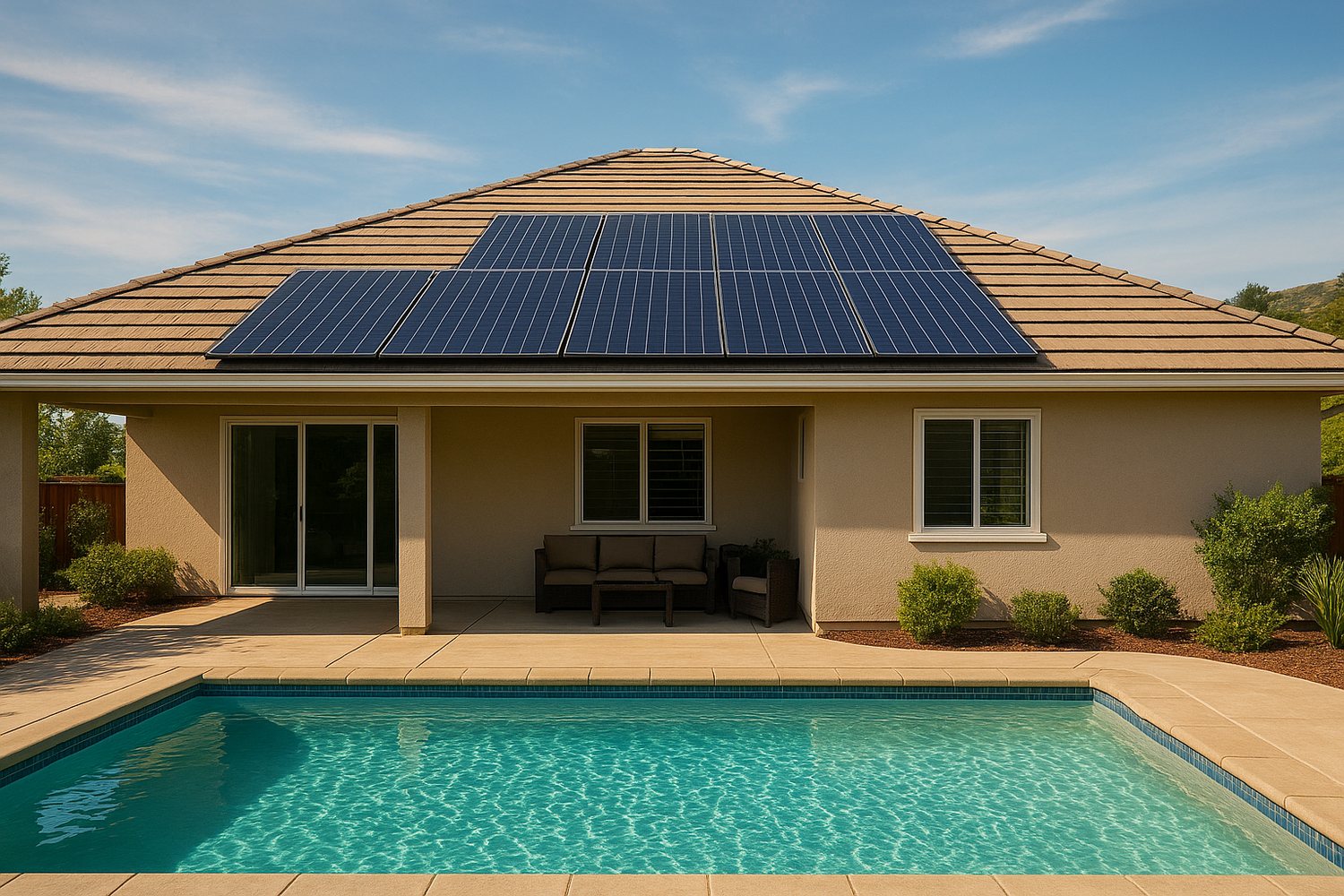
Solar pool heating harnesses the sun’s energy, circulating water through panels—often mounted on the roof or nearby structures—where water is warmed and then returned to the pool. This is the most environmentally-friendly option and, after initial installation, comes with minimal running costs.
Our sunny region offers good potential for solar systems, especially in yards with open southern exposure. The key consideration is roof or ground space for panels and realistic expectations: solar heating shines during sunny stretches, but may not keep up during extended cloudy, cool, or rainy periods.
A solar system will usually maintain comfortable pool temperatures from mid to late spring through early fall, but may need supplemental heat from gas or a heat pump for year-round comfort. Homeowners prioritizing long-term savings and sustainability will find solar heating attractive, especially paired with pool covers.
- Lowest ongoing cost if conditions are right
- Greenest choice—solar-powered
- Limited by weather, time of year, and panel space
Comparing the Pool Heating Options
The right pool heater depends on your swim habits, budget, and property features. Gas heaters excel at quick heating on demand, making them ideal for occasional swimmers and frequent entertaining—but fuel costs add up. Heat pumps offer energy savings and are well-suited for steady use throughout the swim season.
Solar heating stands out for low running costs if you have suitable sun exposure, but won’t offer quick heat-ups during rain or cold snaps. Many homeowners in this region pair solar with other systems for flexibility. Consider installation footprint, local utility hookups, and ongoing maintenance when weighing the options.
Below is a side-by-side comparison of these heating choices—the key traits that most affect usability and value for local homeowners:
- Choose based on your swimming habits
- Consider available utilities and sun exposure
- Long-term comfort versus initial expense
To see a full overview of our custom pool features, start at ourCustom Poolsoptions hub.
Integration with Automation and Pool Management
Modern pools often feature automation systems for heating, pumps, lights, and even cleaning. The good news: gas, heat pump, and solar heating options all can be integrated with automated controls, tailoring operation for convenience, efficiency, and energy savings.
When your pool heater is part of a unified automation setup, you can schedule heat cycles around your family’s lifestyle—warming water before work or practice, or keeping it just right for weekends. Integrated sensors and remote apps can optimize operation, maximizing comfort and minimizing waste.
Your choice of heater may affect automation features and compatibility, so it’s wise to discuss your equipment vision early in the pool design process. Automation brings the best out of whichever heating method you choose by delivering hands-off control and precision.
- All heater types support automation
- Smarter scheduling = less wasted energy
- Ask about compatibility during planning
Practical Steps to Your Best Choice
Start by evaluating how you use your pool seasonally: do you want to extend swimming into chilly months, or just keep things pleasant in summer? Review your energy bills, utility options, and available space for equipment or solar panels.
Next, consult with a knowledgeable pool professional who understands local codes, energy prices, and installation realities. Proper sizing and expert installation are vital for performance, efficiency, and safety—especially if connecting to gas or electricity.
Don’t forget to consider long-term maintenance, as filters and heat exchange surfaces need regular attention, regardless of heating method. Investing upfront in the right system pays off in comfort, lower energy use, and poolside enjoyment for years to come.
- Map your seasonal swimming goals
- Check energy options and sun exposure
- Discuss heater size and maintenance needs
Expert Help from California Hardscapes
California Hardscapes has deep experience in designing and managing complete outdoor living spaces, including custom pool heating and automation. Led by Marty, who brings more than 30 years in concrete and outdoor construction, our team advises homeowners with honest, clear guidance tailored to each property’s needs.
We serve Rocklin, Roseville, Granite Bay, Folsom, Auburn, and all nearby communities with a full range of services, from pools to patios, landscaping, outdoor lighting, and beyond. Our approach is always practical: provide the technical facts, answer questions directly, and help you make confident, informed decisions.
A conversation is the best way to start. We welcome your questions about pool heating, automation, or any aspect of your outdoor project—get in touch to talk specifics and practical next steps.
- Local expertise, real-world answers
- Full-service outdoor construction and pools
- Transparent, straightforward guidance
Ready for a one-on-one consultation? Don’t hesitate torequest a pool equipment and heating review.
Planning a custom pools project?
Call or text 916-741-0633, or email sales@californiahardscapes.com with your address, a short description and a few photos, and we will arrange a consultation.