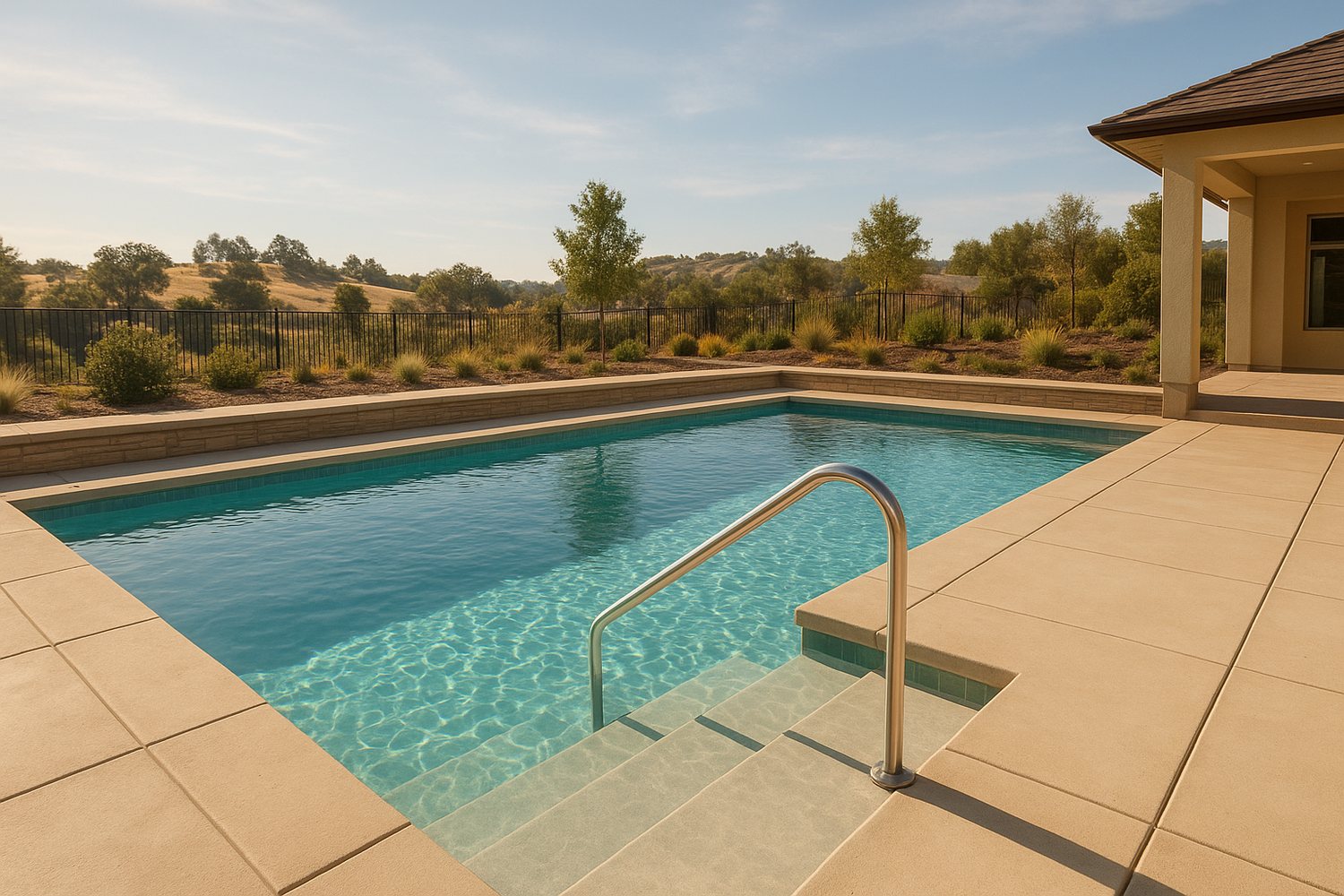
Pool Safety Features and Fencing: California’s Drowning-Prevention Rules
California’s pool safety laws require more than just a fence. Here’s what local homeowners need to know to keep families safer around new custom pools.
Pool safety isn’t an optional extra—it’s the law in California. If you’re planning a new custom pool, here are the key drowning-prevention features every local homeowner should know.
California Pool Safety Laws: What Has to Be in Place
California’s Swimming Pool Safety Act requires specific features for any new or remodeled residential pool and spa. The law centers on drowning prevention, which remains a leading risk for children in backyard pools. For every pool permit, your chosen safety measures must meet state standards and pass city or county inspection before the pool can be used.
At least two approved drowning-prevention features are mandatory for compliance. These are not just suggestions—they’re required for all new construction. The law applies throughout Placer, Sacramento, and El Dorado counties, though your city may have some added requirements. Always check with local building authorities before making final decisions.
Local enforcement is serious because safety matters. Violations can delay your project or prevent final sign-off. Working with established professionals who understand the rules helps avoid costly surprises and ensures your outdoor space is ready for family enjoyment.
For a complete breakdown, visit ourPool safety features and fencingguide.
Fencing: Height, Gates, and Approved Designs
Fencing is the most popular and predictable safety feature for pools. In California, fences around pools must be at least 60 inches tall, with gaps no larger than four inches to prevent small children from squeezing through. Chain link, wrought iron, and wood are common materials, but whatever you choose must meet city and state code.
Self-closing, self-latching gates are a must. Gate latches need to be positioned at least 54 inches above the ground or on the pool side of the fence, out of reach of young children. Regular inspections and maintenance ensure these gates work as intended year after year.
It’s not enough just to have a fence—the fence must completely isolate the pool from the house and yard access points (unless other code-approved barriers are also in place). City inspectors check for any climbable items or gaps that could defeat the perimeter’s purpose.
- Minimum 5-foot fence height
- Maximum 4-inch gap spacing
- Self-closing, self-latching gates
- Latch at least 54 inches off the ground
Secondary Barriers: Alarms, Covers, and Door Closures
Besides fencing, California recognizes other layers of protection as qualifying drowning-prevention features. These secondary barriers include pool alarms, safety covers, and exit alarms for doors leading directly to the pool area—not just exterior gates.
Surface wave alarms detect disturbance on the water if someone or something enters the pool unexpectedly. Exit door alarms automatically sound when the door is opened, alerting adults if a child wanders toward the water. Pool covers must bear weight and meet ASTM standards to count as a compliant safety device.
For maximum security, many families combine fencing and at least one secondary barrier. This layered approach gives added protection—especially when guests or young children are present around your pool.
- Pool surface alarms
- ASTM-compliant safety covers
- Exit door alarms with audible alerts
- Automatic pool cover lock mechanisms
| Safety Feature | Meets CA Code | Effectiveness | Maintenance | Common in This Region |
|---|---|---|---|---|
| Perimeter Fence | Yes | High | Low (inspect/maintain latch) | Yes |
| Self-Closing Gate | Yes (with fence) | High | Low (verify closure) | Yes |
| Exit Door Alarm | Yes | Medium–High | Low (replace batteries) | Often |
| ASTM Safety Cover | Yes | High | Medium (remove/replace as needed) | Sometimes |
| Pool Surface Alarm | Yes | Medium | Medium (test regularly) | Sometimes |
Comparing Safety Options for Local Families
Choosing the right mix of safety features is about blending convenience, cost, and effectiveness. While fences and alarms are standard, safety covers add another valuable layer that can also keep your pool cleaner.
Here’s a comparison of the most common drowning-prevention features allowed under California law for new pools in this region. Consider how each option fits your family’s lifestyle and your property’s design.
Work with an experienced pool professional who understands both the legal requirements and the practical realities of living in neighborhoods from Rocklin to El Dorado Hills.
Local Considerations: Neighborhoods, Weather, and Wildlife
Placer, Sacramento, and El Dorado County homes often have unique factors: sloped lots, large backyards, and close proximity to open space. All of these can affect the type of pool barrier required and how it’s installed.
Wildlife and pets are another practical concern. Fencing keeps both children and animals safe, and some codes specify additional requirements if your property adjoins a greenbelt or open land. Gates need to latch securely, especially if deer, coyotes, or neighborhood dogs are a concern.
Consider how local wind, dust, and weather will affect your barriers’ durability. High-quality materials and regular maintenance keep gates, alarms, and covers working reliably for years.
- Address sloped terrain challenges
- Plan for animal and pet access
- Check local ordinances for added requirements
Explore all the possibilities with our fullCustom Poolsoverview.
Setting Up for Inspection: Avoid Common Issues
Pool safety isn’t complete until your project passes city or county inspection. Inspectors check for all required features, measuring fences, testing gates, and verifying alarms or covers meet California code. Missed details can hold up your final approval.
Some common issues in this region include insufficient fence height, faulty gate latches, or forgotten secondary barriers—especially on homes with direct backyard access. Prepare early, and double-check that every feature is installed as required before scheduling inspection.
A reputable pool builder is invaluable here. They’re familiar with local inspectors’ expectations and can help ensure your paperwork, site plan, and finished work pass on the first try.
- Measure fences and verify gate latch height
- Test alarms and cover functions before inspection
- Work with builders who know regional codes
Custom Pools and the Right Safety Choices
Every family’s needs are unique, and so are the designs of custom pools in our area. California’s safety rules set a minimum, but many owners opt for more than what’s required for extra peace of mind.
At California Hardscapes, our team has decades of experience managing outdoor construction and understands how to bring safety, aesthetics, and local code compliance together, however complex your pool or landscape design.
The best safety solutions are practical—integrated from the start, not tacked on later. Ask questions early in the design process to make sure your finished pool will be as secure as it is beautiful.
Making the Right Decision: Steps for Homeowners
Ready to plan your pool project? Start by reviewing California’s safety requirements and considering how your family, pets, and property will use the space. From there, work with contractors who understand both the big picture and the finer details unique to your community.
Inspect existing fences and barriers, and plan upgrades as needed before construction begins. Document everything for your permit inspection. Open, simple communication with your builder will help ensure there are no surprises along the way.
For support with outdoor living projects of any size—from pool safety to patios, landscaping, and more—reach out to Marty and the California Hardscapes team in Rocklin. Your peace of mind and your family’s safety are always worth prioritizing.
Want expert advice?Request a consultationwith California Hardscapes.
Planning a custom pools project?
Call or text 916-741-0633, or email sales@californiahardscapes.com with your address, a short description and a few photos, and we will arrange a consultation.