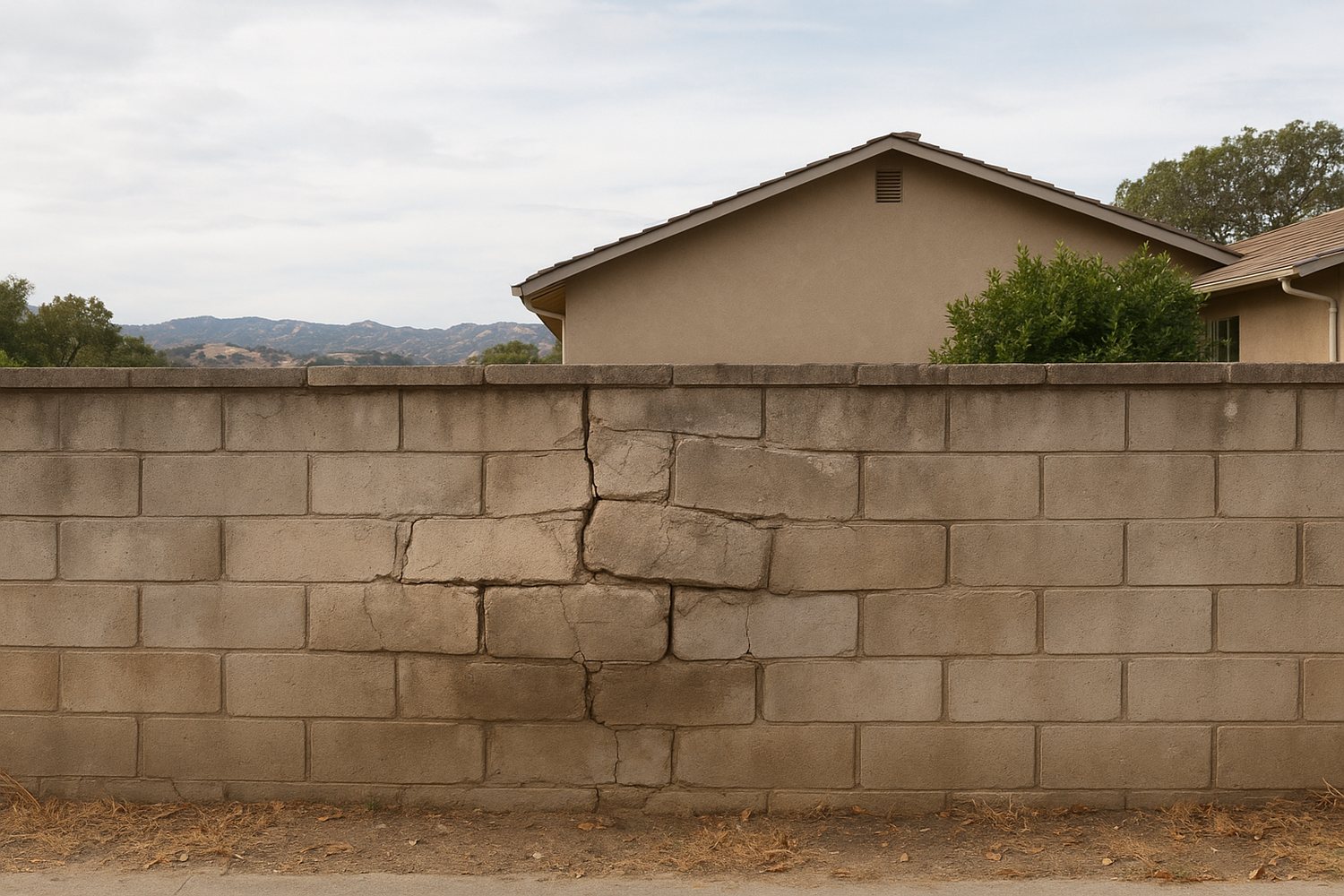
Warning Signs Your Retaining Wall Needs Repair or Replacement
If you’re seeing cracks, bulges, or leaning on your retaining wall, knowing what to watch for helps prevent bigger issues. Here’s how to spot trouble early.
Retaining walls hold back soil and protect your landscape, but they don’t last forever. Understanding early warning signs of failure can save you headaches and expense.
Why Retaining Walls Matter in Our Region
Retaining walls are not just about appearance—they are functional structures that control soil erosion, support changes in elevation, and protect your home’s foundation. Around Placer, Sacramento, and El Dorado counties, the specific soils and hilly terrain put extra pressure on retaining walls. Walls here must be built to withstand seasonal rains and shifting ground.
Neglecting early warning signs of failure can turn a small repair into a large-scale, urgent replacement. Our weather swings—from dry summers to intense winter storms—can worsen unnoticed problems. These changes can make even a solid-looking wall shift, lean, or crack over time.
Spotting issues early matters most. Whether your wall is concrete block, poured concrete, or stone, local considerations play a role—such as clay soils, tree roots, and drainage patterns unique to our region. Regular checks are a practical part of long-term outdoor upkeep.
- California soils can expand and contract, stressing walls.
- Steep lots add lateral pressure.
- Rainwater drainage is often overlooked but crucial.
For more details on what to expect with repairs or full rebuilds, see ourRetaining wall repair and replacementpage.
Cracks: What’s Normal, What’s Not?
Small, hairline cracks in a concrete or block retaining wall are often caused by concrete curing or minor settling. These are usually not urgent but should be tracked for changes. Expanding or jagged cracks can signal structural movement or material failure, especially if they run horizontally or stair-step along blocks.
Larger cracks—more than a quarter inch wide—may allow water intrusion, which weakens the wall further. Cracks that widen over time or show signs of soil pushing through need prompt attention. If you spot cracks at joints or mortar lines, monitor their length, width, and direction.
It’s useful to mark cracks with a pencil and check for growth after heavy rain or shifting temperatures. If you’re unsure, a qualified hardscape contractor can determine if the issue is surface-level or hints at deeper structural problems.
- Track width, length, and location of cracks.
- Horizontal cracks signal movement from pressure.
- Mark and recheck cracks after rainstorms.
Bulging and Bowing: Red Flags for Structural Failure
A bulging or bowing retaining wall is a clear sign that the wall is struggling to hold back the soil behind it. Causes range from poor drainage to inadequate reinforcement. In our area, sudden stormwater runoff and heavy, waterlogged soils during wet winters can accelerate these problems.
If you notice any outward curve along any part of the wall (even if subtle), act quickly. This often means that pressure behind the wall has built up and is pushing the wall out of alignment. Ignoring these signs can lead to rapid worsening or even a collapse.
Minor bulges may indicate the beginning of trouble and can sometimes be repaired if caught early. Significant bowing usually means wall replacement is the safer choice. The sooner you act, the more options you’ll have.
- Check the wall from the side for outward curves.
- Compare older photos for changes.
- Avoid placing heavy objects near bulging areas.
| Warning Sign | What It Means | Action Needed | Typical Outcome |
|---|---|---|---|
| Hairline cracks | Minor settlement or curing | Monitor and document | Usually stable unless worsening |
| Large cracks | Structural movement, soil pressure | Professional assessment | Repair or potential rebuild |
| Bulging | Drainage or soil issues | Immediate inspection | Often replacement needed |
| Leaning | Loss of structural support | Urgent evaluation | Likely requires rebuild |
| Shifting stones/blocks | Soil movement or root intrusion | Contractor assessment | Repair or replacement, depending on severity |
Leaning Walls: Tipping Towards Trouble
A retaining wall should stand vertical. If you notice a lean—whether subtle or obvious—it signals that the wall is losing its structural integrity. Leaning frequently stems from soil pressure after heavy rains, improper installation, or poor drainage.
Left unchecked, a leaning wall can suddenly fail, spilling soil and potentially damaging property or landscaping. Our region’s winter rainfall and high groundwater tables can shift soils more than homeowners realize. Early professional assessment is important to determine if the wall can be braced or must be rebuilt.
Measure lean by placing a level or using a string line from end to end. Any tilt, especially growing over time, means it’s time for an inspection. Don’t delay—leaning is often a late-stage symptom.
- Visibly leaning walls may require urgent attention.
- Regular checks after winter storms are wise.
- Even small leans indicate underground movement.
Common Causes of Retaining Wall Failure
Several factors work against retaining walls in the Rocklin, Roseville, and neighboring areas. Poor drainage is the biggest culprit. Water buildup behind the wall increases weight and pushes outwards, leading to cracks or bulging. Without proper weep holes or gravel backfill, walls can’t relieve this pressure.
Tree roots growing behind or beneath the wall can force sections apart or lift foundation footing. Clay-rich soils in much of our area absorb moisture and expand, causing shifting and settling over the years. Older walls, especially those without modern reinforcement, are even more vulnerable to these forces.
Improper installation—like shallow footings or the wrong materials—can come back to haunt homeowners years later. That’s why spotting early warning signs isn’t just about fixing a wall, but addressing root causes before they recur.
- Lack of drainage is a main problem.
- Invasive roots can push walls out of alignment.
- Soil conditions affect wall lifespan.
Learn about materials, styles, and construction techniques on ourRetaining Wallsoptions overview.
When Is Repair Enough—And When to Replace?
Not every damaged wall needs a complete rebuild—small cracks or loose stones may be repaired if the structure remains sound. In some cases, professional patching, re-pointing, or drainage updates can restore function and appearance for years.
However, widespread cracks, bulging, severe leaning, or visible signs of collapse usually indicate that replacement is safer and more cost-effective long-term. Replacement is also a chance to upgrade materials or add modern drainage for better performance.
A skilled contractor will look at the specific failure patterns, soil conditions, and age of your wall. Their assessment can help determine which solution balances safety, investment, and your property’s overall value.
- Limited cracks may be repaired affordably.
- Major structural breaks usually mean full replacement.
- Upgrading older walls improves drainage and lifespan.
What To Do If You See Warning Signs
If you spot cracks, bulges, lean, or shifting stones, take pictures and document the changes. This can help track ongoing movement and gives a contractor valuable insight. Avoid placing additional weight—like soil or landscaping—against a compromised wall until you get a professional opinion.
Don’t ignore minor symptoms, especially after heavy rain or irrigation leaks. Many problems worsen quickly once they start, so reach out for assessment sooner rather than later. Damage to a retaining wall means water and soil have a path to spread, affecting patios, pools, or even a home’s foundation.
Quality repair or replacement protects not just your landscape but also your property investment. A knowledgeable hardscape company familiar with local conditions can give straightforward advice based on what’s best for your specific situation.
- Photograph changes for your contractor.
- Stop watering or adding weight until checked.
- Prompt attention helps avoid bigger problems.
Choosing the Right Local Expertise
Retaining wall issues require experience that matches the challenges of local soils, slopes, and climate. A good contractor combines practical repair knowledge with an understanding of materials, drainage, and engineering standards.
At California Hardscapes, the team is led by Marty, whose career in concrete and materials spans over three decades. His background overseeing both construction and concrete sales gives clients an honest, practical perspective—one focused on lasting results and smart fixes, not upsells.
When you need advice, work with a company that understands the nuances of this region. Local expertise means better solutions, tailored to the specific factors affecting homes from Folsom through Auburn and surrounding communities.
- Choose a contractor with local experience.
- Knowledge of soils and drainage is essential.
- Trust practical, straightforward recommendations.
Ready for an honest local opinion?Request a consultationto get started.
Planning a retaining walls project?
Call or text 916-741-0633, or email sales@californiahardscapes.com with your address, a short description and a few photos, and we will arrange a consultation.