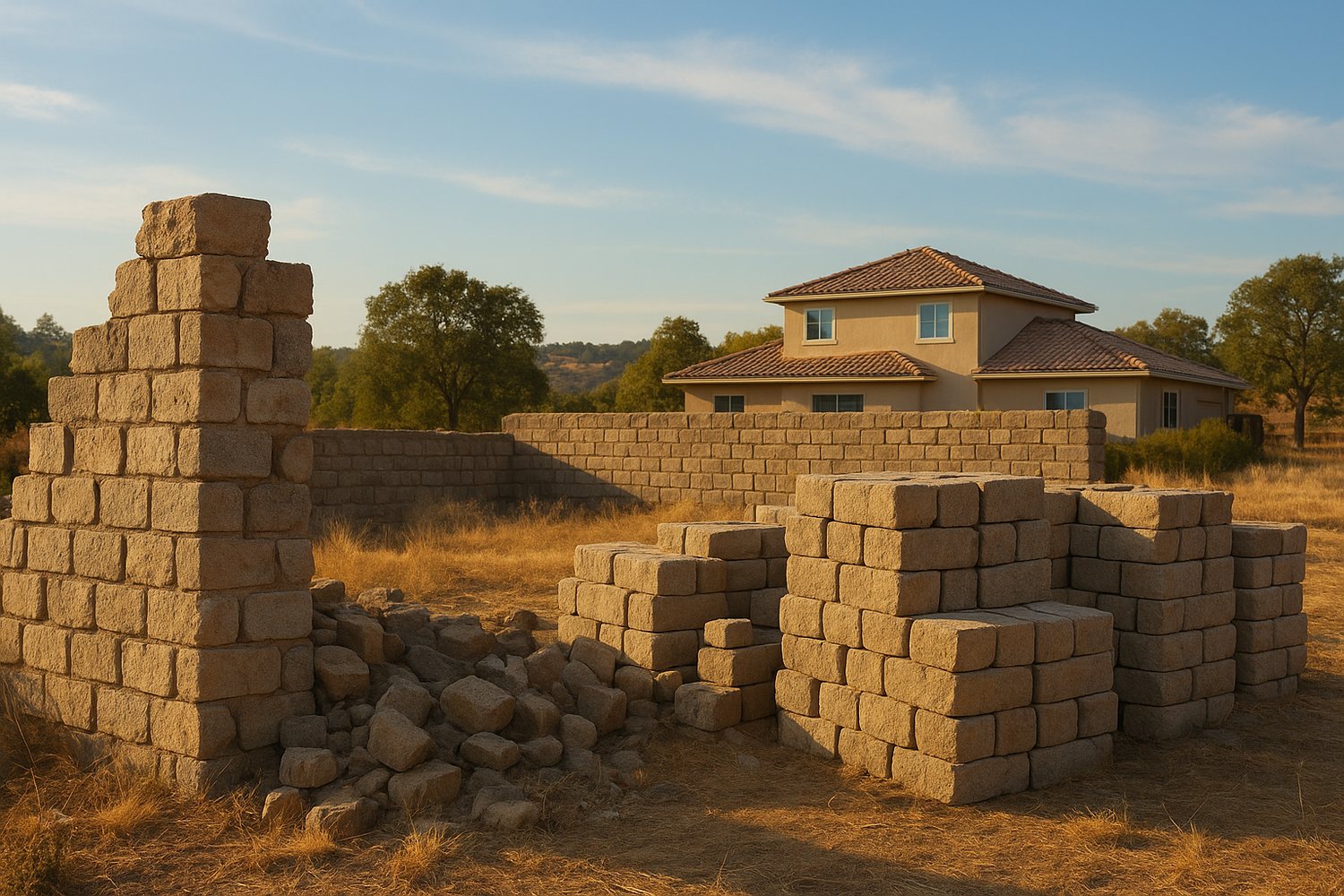
Retaining Wall Repair vs. Replacement: What Homeowners Should Consider
Should you repair or completely rebuild your retaining wall? Learn the signs, considerations, and local factors to decide what’s best for your home.
Retaining walls quietly protect your landscape — until trouble appears. Knowing whether to repair or fully replace a failing wall is a common but serious decision for area homeowners.
Understanding the Role of Retaining Walls
Retaining walls are more than just landscaping features — they protect your yard from erosion, manage slopes, and create usable spaces in challenging terrain. In Rocklin, Roseville, Granite Bay, Folsom, Auburn, and surrounding Placer, Sacramento, and El Dorado County communities, these structures face unique regional challenges such as seasonal rains, clay soils, and ground movement.
A properly built wall manages water and soil pressures, safeguarding your property’s foundation and investment. Over time, changes in soil conditions, tree roots, and irrigation patterns can threaten their stability. Regular inspection and upkeep are essential to maintain function and appearance.
Ignoring retaining wall issues may lead to property damage or even safety risks. Early attention allows for better choices—sometimes a repair does the job; other times, a total rebuild is the right call.
- Controls erosion and stabilizes slopes
- Protects patios, lawns, and home foundations
- Local soils and weather increase stress on walls
For more details on solutions for failing walls, visit ourRetaining wall repair and replacementpage.
Signs Your Retaining Wall Needs Attention
Certain warning signs mean it’s time to assess your retaining wall. Horizontal or vertical cracks, bulging sections, leaning, and shifting blocks signal that pressures are building up behind the wall. Small cracks or loose caps can sometimes be fixed with timely repairs, while serious movement may indicate deeper problems.
Standing water at the base, displaced soil, or noticeable gaps often point to drainage failures. In our region, heavy winter rains and poorly draining clay can speed up wall deterioration. Watch for efflorescence, or whitish streaks, which hint at moisture issues.
Don’t ignore any sign of movement or shifting—these can quickly become major structural concerns. Early diagnosis provides more options to keep your wall functional and attractive.
- Cracking, bowing, or leaning walls
- Water pooling or drainage problems
- Shifting blocks or loose stones
When Is Retaining Wall Repair Enough?
Repair makes sense when damage is minor and the structure is fundamentally sound. This includes sealing hairline cracks, securing loose caps, re-grouting joints, or adding drainage to relieve hydrostatic pressure. Quick repair can extend your wall’s lifespan and avoid unnecessary costs.
Addressing localized issues like minor settling, small cracks, or initial leaning is typically straightforward. Materials such as masonry adhesives, epoxy, and concrete patching compounds provide lasting fixes if applied early. Improving drainage—like installing weep holes or perforated pipe—often keeps problems from returning.
If the wall is relatively young, was built with strong materials, and most of the structure remains stable, repair is a practical and budget-friendly solution.
- Sealing minor cracks
- Resetting loose capstones
- Adding or fixing drainage features
When to Opt for a Full Retaining Wall Replacement
Some situations call for starting over. If your wall has significant leaning, wide cracks, crumbling sections, or clear signs the base is failing or moving, replacement is likely your safest bet. Chronic drainage problems or walls built without reinforcement usually can’t be fixed with spot repairs.
Rebuilding allows for correcting past mistakes—such as missed drainage layers, poor base preparation, or undersized footings—common issues in older or DIY-installed walls. It also means you can upgrade to enhanced materials suited for our region’s soils and weather.
If you want to regrade your yard, change the wall’s height, or redo your landscape layout, a full replacement provides the best long-term results. Safety, stability, and compliance with local codes are the top priorities.
- Major leaning or collapse
- Severe cracking or structural failure
- Ongoing drainage or erosion issues
| Aspect | Repair | Full Replacement |
|---|---|---|
| Best For | Minor to moderate localized issues | Major leaning, collapse, or widespread failure |
| Cost | Typically lower | Higher initial investment |
| Timeframe | Faster completion | Longer due to excavation and rebuilding |
| Longevity | Extends current wall’s life | Sets up new, code-compliant structure |
| Addresses Root Causes | Partial (localized fixes) | Comprehensive (all issues fixed) |
Comparison Table: Repair vs. Replacement
Choosing repair or replacement depends on site conditions and the extent of damage. Here’s how the two approaches typically compare for Placer, Sacramento, and El Dorado County homeowners.
This table highlights key differences to help weigh your options. Your specific situation may be unique, so reviewing details with a local expert is always recommended.
Both solutions have their place—investing in the right one now can reduce headaches and protect your property for years to come.
If you’re exploring new wall ideas, see ourRetaining Walls options overview.
Regional Considerations: Placer, Sacramento, and El Dorado Counties
Local geography brings its own set of challenges to retaining walls. Our area’s expansive clay soils, periods of drought, and sudden heavy rains all impact wall longevity. Proper drainage and correct wall design are critical against shifting soils and water pressure.
Seasonal weather patterns—damp winters, hot dry summers—cause clay subsoils to expand and contract, stressing even well-built structures. Tree roots, underground utilities, and hillside grading further complicate repairs and rebuilds.
Working with professionals who understand local soils and weather patterns leads to sturdier, longer-lasting solutions. Design and materials must match the site’s specific conditions for enduring results.
- Expansive clay soils require special foundations
- Drainage is often the root cause of wall failures
- Native stone and concrete block perform well locally
How Professionals Assess Retaining Wall Problems
Professional evaluation looks at more than just surface damage. An experienced contractor will inspect wall alignment, foundation conditions, drainage flow, soil moisture, and nearby vegetation. They’ll check for proper reinforcement and look at construction methods originally used.
Technical assessments might involve measuring movement, checking outside grading, and even reviewing local code requirements for wall height and construction. Sometimes, a wall is simply undersized for its job or overloaded by landscaping upgrades.
A skilled eye recognizes the subtle factors that determine if a repair will hold or if replacement is needed. Working with experienced pros means avoiding guesswork and sidestepping hidden hazards.
- Full inspection of site drainage
- Check foundational stability
- Evaluate construction materials and methods
Making Your Retaining Wall Decision with Confidence
Deciding between repair and replacement isn’t always straightforward, but understanding the warning signs and local factors helps you move forward wisely. Prioritize safety and stability—quick fixes aren’t always enough if there’s real structural trouble.
Consulting with a knowledgeable local contractor ensures the right diagnosis from the start. Expect your options to be explained plainly; a transparent assessment outlines what makes sense technically and which path protects your investment.
Whether you need a minor patch or a full wall rebuild, taking decisive action now can save you headaches and future costs. The right solution will serve your family and property for years to come.
- Don’t delay resolving wall issues
- Choose safety and stability first
- Get site-specific guidance from experienced professionals
Ready to discuss your project?Request a consultationand get a local expert’s advice.
Planning a retaining walls project?
Call or text 916-741-0633, or email sales@californiahardscapes.com with your address, a short description and a few photos, and we will arrange a consultation.