How to Size Tanning Ledges for Chairs, Umbrellas, and Kids
Sizing a tanning ledge for lounge chairs, umbrellas, or kids is a key step in custom pool planning. Get practical advice made for Placer and Sacramento County homeowners.
A well-designed tanning ledge or Baja shelf becomes a favorite feature in any luxury pool. But getting the size right isn’t just a matter of aesthetics—it’s about how your family and guests will use it.
Understanding Tanning Ledges and Baja Shelves
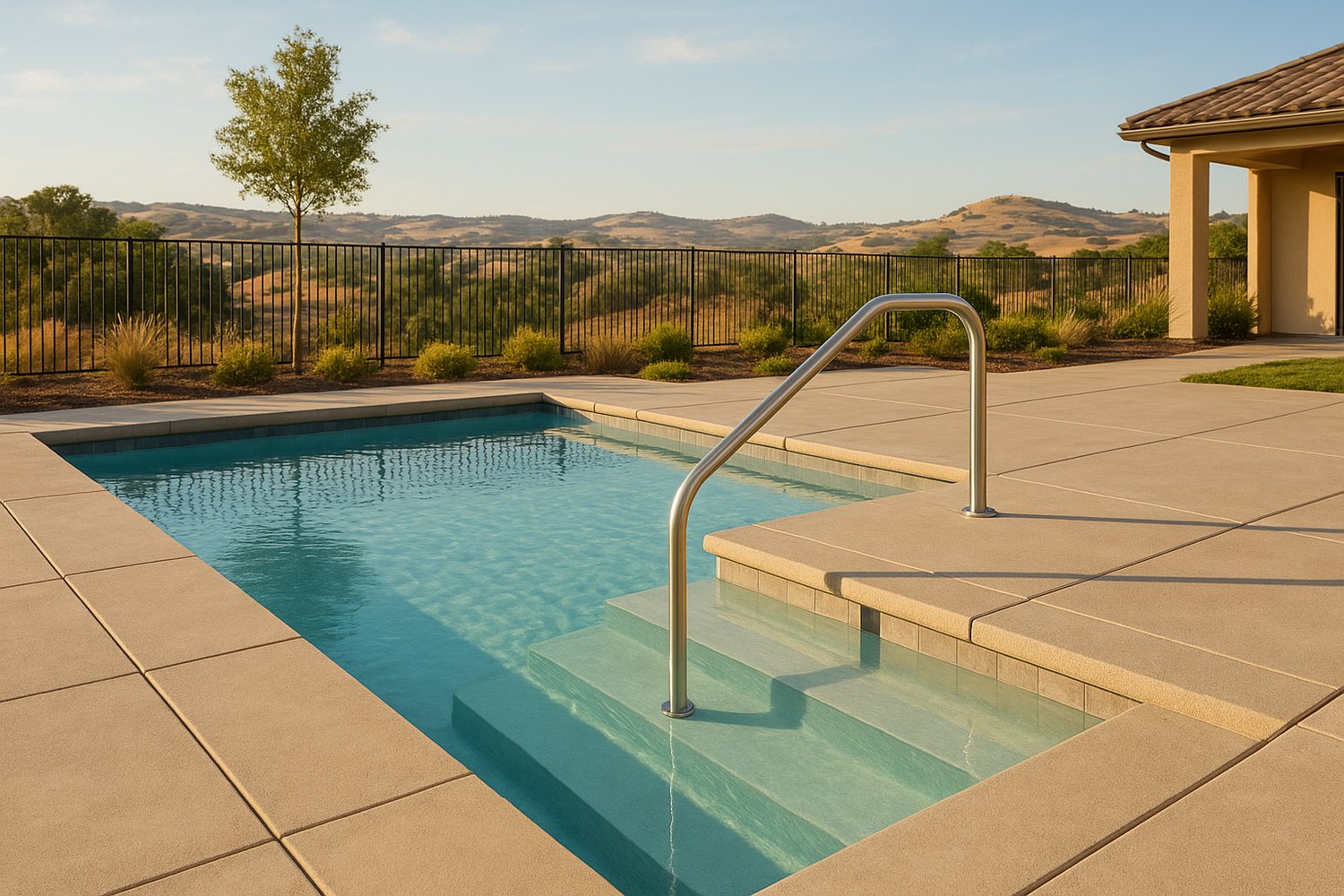
Tanning ledges, also known as Baja shelves, are shallow, flat areas in your pool’s shallow end. These spaces invite lounging, sunbathing, and safe water play. In our region’s hot summers, having a cool spot just deep enough to stay comfortable makes a big difference.
Typically, tanning ledges are 6–18 inches deep. The depth you choose depends on what feels best underfoot, as well as how you envision using the space. These ledges aren’t just for looks—they offer usable, practical value for families, entertainers, and anyone who enjoys relaxed poolside living.
Here in Rocklin, Roseville, Granite Bay, Folsom, Auburn, and nearby areas, tanning ledges are one of the most-requested features for new or renovated pools. Thinking about how you will use the ledge helps ensure your pool supports your lifestyle.
Looking for more info on local options? Read ourTanning ledges and Baja shelvespage.
Measuring for Loungers and Chairs
To comfortably fit pool loungers or upright chairs, size is critical. Standard in-pool loungers need about 27–30 inches in width each, plus space between and around for easy access. Consider the spacing for side tables if you want a spot for drinks or books.
A ledge width of at least 7 to 9 feet accommodates two loungers with elbow room. Remember to factor in where stairs, entry points, or jets might take up some of that space. Adequate ledge size lets adults relax without crowding one another or the pool steps.
Material selection matters too. Smooth, slip-resistant surfaces improve comfort while ensuring durability through hot, sunny days. Don’t overlook color—lighter surfaces stay cooler under the Sacramento Valley sun.
- Standard in-pool lounger width: 27–30 inches each
- Provide 6–12 inches between chairs for movement
- Allow 12–18 inches extra for umbrellas or tables
Incorporating Umbrellas for Shade
If you plan to add built-in umbrella sleeves, plan placement along the ledge carefully. Umbrellas typically need 1.5–2 feet for safe insertion and stability. Think about both sun exposure and walkways—umbrellas should be easy to reach but never block pool entry.
You may want one umbrella centered or two at either end for wider ledges. This creates options for solo relaxation or group lounging. Deeper sleeves are safer and more stable for local windy conditions, especially in the open backyards common in Folsom and Auburn.
Consider umbrella diameter too. A 7–9 foot canopy provides a generous shade footprint but also needs room to open and close. Measure for both the umbrella and its operating space within your ledge plan.
- Install umbrella sleeves 18–24 inches from ledge edge
- Choose corrosion-resistant hardware for longevity
- Review HOA or neighborhood guidelines before adding large umbrellas
| Feature | Recommended Minimum | For Two Loungers | Kids’ Play Area | Umbrella Placement |
|---|---|---|---|---|
| Depth | 6–12 inches | 12–18 inches | 6–12 inches | N/A |
| Width | 4–5 feet | 7–9 feet | 6–8 feet | Allow 18–24 in. from edge |
| Space Between Features | 6 inches | 6–12 inches between chairs | Extra open area | 1.5–2 feet for umbrella |
| Finish | Slip-resistant | Light color recommended | Textured for safety | Durable, color stable |
| Accessories | N/A | Side table, umbrella sleeve | Bubble jets optional | Corrosion-resistant sleeve |
Kids and Shallow Water Play
Tanning ledges are a safe, fun place for small children to splash and play. For infants and toddlers, a depth of 6–12 inches is typical—deep enough for play, but shallow enough for safety and easy supervision. Older kids may enjoy 12–16 inches for a bit more immersion.
Width is equally important when planning for families. To host multiple children or playdates, consider a ledge at least 6–8 feet wide, so everyone has room. If you expect to add small play features, such as a bubbler or fountain, designate space for these upfront.
Traction is a must in play-friendly tanning ledges. Ask your pool builder about textured finishes that stand up to splashing while protecting tender feet on hot days.
- Safe depth for toddlers: 6–12 inches
- Good width for kids’ play: minimum 6–8 feet
- Consider integrated water features for interactive fun
Choosing the Right Shape
Shape isn’t just about style—it impacts safety, traffic flow, and how much usable space you’ll have for furniture or play. Rectangular tanning ledges make arranging chairs and umbrellas simpler. Curved or freeform designs offer a softer look but may create tight spots or wasted corners.
For homes with limited yard space or an irregular pool area, custom shapes can maximize every inch. Talk with your builder about fitting the ledge to your yard’s unique contours while keeping practical dimensions for comfort and safety.
Don’t forget to leave space for pool steps or access rails. A well-thought-out shape means everyone can reach the water easily without tripping over furniture or bumping into umbrellas.
For inspiration across all backyard pool upgrades, see ourCustom Poolsoverview.
Integrating with the Rest of Your Pool
A tanning ledge shouldn’t feel like an afterthought. Blending materials, finishes, and colors helps create a seamless transition from water to patio. Choose surfaces that complement your pool coping and surrounding deck for a premium, unified look.
Think about how you move between zones—plan direct routes from the shallow ledge to the main pool, spa, or lounging area. Multi-level designs can add a touch of luxury and keep spaces distinct, particularly in larger backyards in Granite Bay or El Dorado Hills.
If you have a retaining wall or elevation changes, discuss ways to integrate steps or benches with your pool builder. These custom touches enhance accessibility and visual appeal, tying your entire outdoor living area together.
Working with Regional Conditions
Our Northern California climate brings long, hot summers and the occasional windy afternoon. Choose materials that are heat-resistant, color stable, and won’t become slippery when the ledge is wet. Lighter colors help keep surfaces cooler underfoot.
Consider sun angles throughout the day when planning umbrella placement and ledge orientation. Afternoon shade can be crucial in Folsom, Rocklin, or Roseville, so walk your yard and note high-heat spots.
Local soils, water chemistry, and even HOA preferences can affect your decisions. Partner with a local contractor who understands how these factors impact long-term durability and use in Placer, Sacramento, and El Dorado communities.
- Heat-resistant surfaces are best for comfort
- Plan for wind and sun when adding umbrellas
- Check for local material restrictions if any
Practical Planning: Tips for Your Project
Sketch your intended ledge and place cutouts representing loungers, umbrellas, and steps. This exercise reveals practical spacing issues early, especially if you’re working with a smaller yard or unusual pool shape.
Early conversations with your builder help you factor in all dimensions and features from the start. Don’t overlook utilities or access for cleaning equipment during planning. Ask specific questions about drainage, as well-managed water protects finishes and landscaping.
Bring your priorities to the table—shade, seating, play areas—so your ledge is truly functional for your needs. Adjust dimensions as your design evolves, and take your time reviewing plans before construction begins.
Ready to discuss your dream pool?Request a consultationwith California Hardscapes.
Planning a custom pools project?
Call or text 916-741-0633, or email sales@californiahardscapes.com with your address, a short description and a few photos, and we will arrange a consultation.