Turf Infill & Heat: Why Artificial Grass Gets Hot (and What to Do)
Artificial turf can get hot in the summer sun. Learn why this happens, how to cool your turf using the right infill and practical steps to keep your yard comfortable.
Many homeowners in Rocklin, Roseville, Granite Bay and nearby communities are choosing artificial turf for a low-maintenance lawn. One common concern is how hot artificial grass can get. Here, we explain why turf heats up and how to manage it.
Why Does Artificial Turf Get So Hot?
On a summer afternoon, you may notice artificial turf gets much hotter than natural grass. This is mainly because synthetic grass lacks the natural cooling process of live turf, which releases moisture and absorbs less heat. Instead, turf blades are made from plastics that soak up and retain solar heat.
In our local climate, high sun intensity and warm days magnify the problem. Without any shade or cooling, turf can feel too warm for pets, kids, or bare feet. Even quality turf systems can reach surface temperatures well above the air temperature. It is a real issue homeowners here need to consider.
Understanding these heat differences is crucial when designing your yard. Making smart choices on location, shade, and materials will help make your turf more comfortable. Later sections will cover specific steps you can take to keep your artificial grass cooler in summer.
To dig deeper on cooling strategies and infill options, see our mainTurf infill and heat controlpage.
The Role of Turf Infill in Heat Build-Up
Turf infill plays a major part in how hot your artificial grass feels. Infill is the granular material spread between turf fibers to help blades stand up, protect the backing, and provide weight and cushion. What you might not realize is that the type and color of infill impacts turf temperature, too.
Traditional infills like black crumb rubber can absorb sunlight and raise surface temperatures even higher. Sand-based infills do not hold as much heat, but standard silica still warms up in direct sun. In this region, choosing your infill wisely makes a noticeable difference.
Homeowners looking for the coolest surface should select light-colored or cooling-engineered infills. Newer options—including coated or specialty mineral infills—are designed to reflect sunlight and may absorb less heat, helping your yard stay more comfortable.
- Darker infills heat up more in summer sun
- Mineral-based infills often run cooler than rubber
- Cooling coats or treatments can reflect UV rays
Popular Turf Infill Options: Pros and Cons
Choosing infill isn’t just about performance—temperature control is a big factor. Here in Placer and Sacramento Counties, the three most common infill options are silica sand, brown/black crumb rubber, and specialty ‘cool’ infills. Each has positives and trade-offs.
Silica sand is affordable, available, and stays relatively cool, but offers less cushioning for active play areas. Crumb rubber adds bounce and is popular for sports, yet it’s the warmest option and can give off odors in high sun. Specialty mineral or coated infills cost more, but they noticeably reduce surface heat and may minimize annual maintenance.
Your budget, yard usage, and what surface temperature you’re comfortable with can all guide the best infill fit. Work with your installer to find an infill that matches your priorities for year-round enjoyment.
- Silica sand: budget-friendly, moderate heat
- Crumb rubber: extra cushion, can get hot
- Specialty minerals: more cooling, higher cost
| Infill Type | Surface Heat | Cushion | Cost | Maintenance |
|---|---|---|---|---|
| Silica Sand | Medium | Low | Low | Low |
| Crumb Rubber | High | High | Medium | Medium |
| Specialty Mineral/Coated | Low | Medium | High | Low |
| Zeolite/Organic | Medium-Low | Medium | Medium | Varies |
Heat Control Comparison Table
It’s helpful to look at the main turf infill options side by side when thinking about heat and comfort in your yard. The table below compares key features relevant to our Northern California climate.
Factors such as surface temperature, maintenance, and cost may all impact your final choice—especially if you have children, pets, or a pool area where bare-foot comfort matters.
Refer back to this table as you discuss artificial turf choices with your contractor, to make sure your selection fits your family’s needs and expectations.
Simple Ways to Reduce Turf Surface Temperature
A few simple adjustments can dramatically improve the comfort of your synthetic grass. One tactic is adding shade—whether from existing trees, new landscaping, pergolas, or shade sails. Even partial shade during the hottest hours can lower turf temperatures by several degrees.
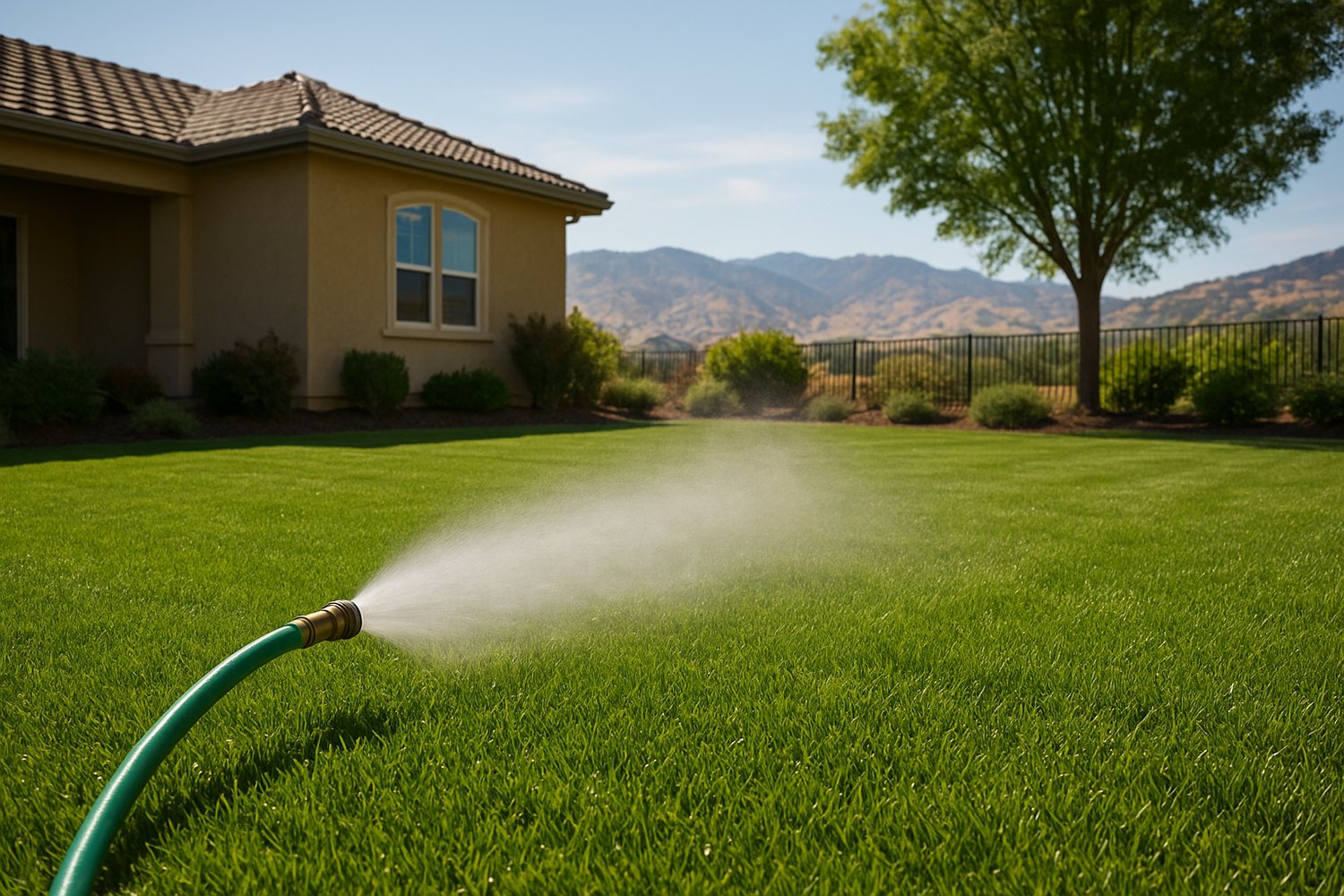
Occasionally rinsing your turf with a hose cools it quickly for the next use. It’s an effective short-term fix, especially during heat waves or when you’re expecting guests beyond your regular watering schedule. Just avoid rinsing with hot water from exposed hoses.
Choosing lighter colored or cooling infills, positioning turf away from south-facing walls or windows, and using hardscape features to shield key areas—all add up. Combine these strategies for the most comfortable outdoor living environment.
- Use shade trees, pergolas or sails
- Spray turf with water before use
- Select low-heat infill and turf materials
Want to compare more products? Browse ourArtificial Turf optionsoverview to see what might fit your yard.
Landscape Design Strategies for Cooler Turf
The way you design your landscape can influence turf comfort. Place artificial grass in areas that get afternoon or intermittent shade, instead of full-day sun. Planting trees or tall shrubs on the south or west sides can help provide this.
Consider blending turf with other materials—like natural plant beds, cool decking, or light-colored concrete patios—in sitting or play areas. These surfaces don’t absorb as much heat and won’t reflect as much onto your turf.
Wind movement matters too. Open layouts that allow air to move help turf cool faster. Work with an experienced installer to ensure drainage, airflow, and shade are working together for a cooler, more usable backyard.
- Mix turf with plant beds or mulch
- Add light-colored patios nearby
- Encourage breezes with open layouts
Is Artificial Turf Right for You in the Sacramento Area?
Artificial grass offers bare-foot green lawn looks year-round, but if you have kids, pets or frequent outdoor gatherings, heat is something to weigh alongside benefits like low upkeep and water savings. Know your priorities before installation.
For some households, cooling-focused infill and shade may be all that’s needed. Others might prefer a blend of real turf or drought-tolerant plants in key play zones. It’s all about what works best for your lifestyle in our region’s hot, dry summers.
A conversation with an experienced local contractor can clarify exactly how your space, sun exposure and usage patterns line up with the latest turf products and infill solutions. Bring your ideas—and your concerns—to the table.
- Prioritize low-heat infill for family comfort
- Blend turf with drought-tolerant plantings
- Ask installer about region-specific options
Ready for a Cooler, Easier Lawn?
A beautiful, functional outdoor space is possible—even with the Sacramento Valley’s summer heat. Smart design and the right materials make all the difference. An informed infill and installation choice can help you enjoy your artificial turf comfortably year-round.
If you want to discuss your project or have questions about the latest cooling infills and heat-control strategies, reach out to California Hardscapes. With experience managing everything from basic installs to complete outdoor construction and landscaping, Marty can help you make the right decision.
Every home and yard is unique. Don’t leave comfort to chance: start with a conversation about turf infill, heat, and practical solutions right for your family and your property.
Looking for expert guidance?Request a consultationwith California Hardscapes for ideas tailored to your home.
Planning an artificial turf project?
Call or text 916-741-0633, or email sales@californiahardscapes.com with your address, a short description and a few photos, and we will arrange a consultation.