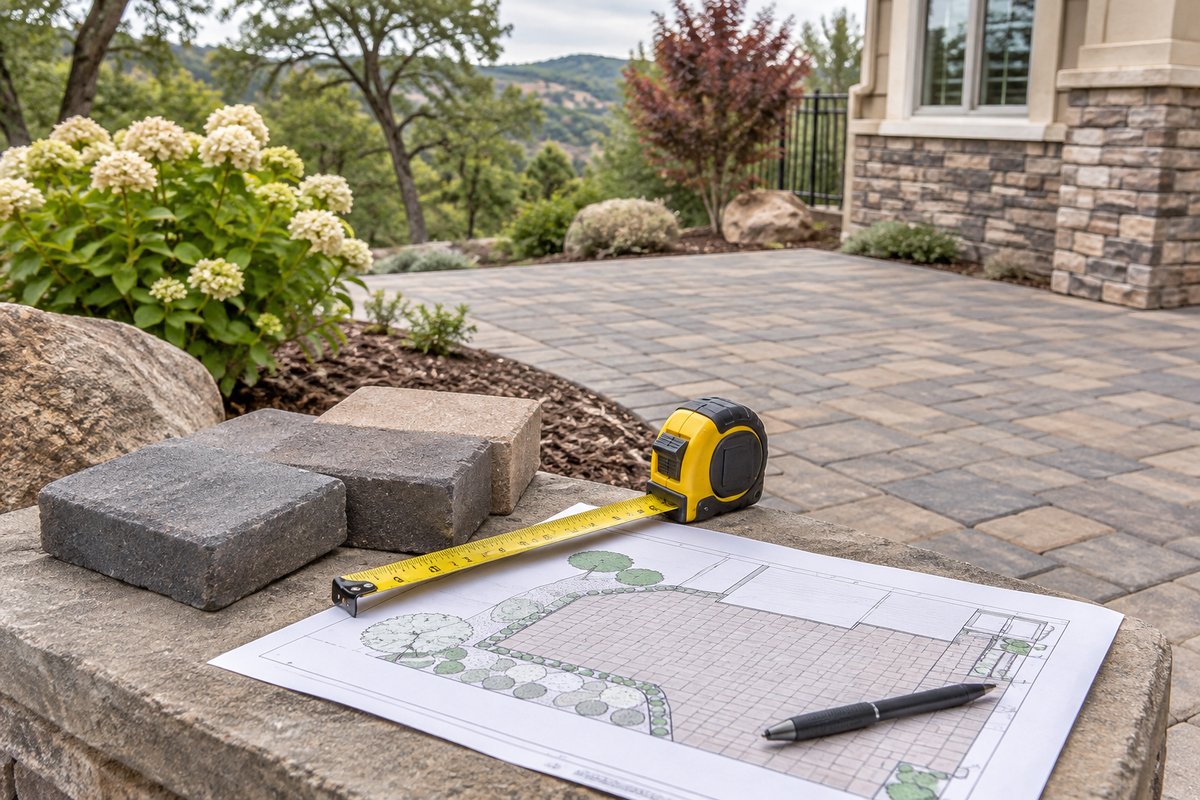
Planning Your Cameron Park Paver Patio or Driveway: The Practical Homeowner’s Guide
Get the inside track on planning a paver patio, driveway, or walkway in Cameron Park, CA. Understand permits, drainage, slope, timing for summer heat and winter rains, and choosing the right options for your soil and local rules.
Practical Planning for Cameron Park Paver Projects
Tackling a new paver patio, driveway, or pool deck in Cameron Park calls for more than inspiration. Cameron Park’s distinctive blend of sloped lots, clay and granite soils, and a climate swinging from hot, dry summers to brisk, rainy winters requires smart planning. For homeowners ready to elevate their outdoor living spaces with high-quality pavers and hardscape work, this guide puts the important details front and center—from local permits to weather-proofing your investment. Each step helps ensure lasting quality and function, so your property shines year-round.
Before gathering product samples or sketches, understanding local rules, ground conditions, and seasonal factors is essential. Setting aside time now for careful planning prevents costly hiccups down the road. Whether you’re considering a new paver driveway or an upgrade to your patio, following a clear process maximizes results.
This overview walks Cameron Park homeowners through each key step, so you can confidently discuss options with any licensed, bonded, and insured contractors and make informed decisions that suit your lot, neighborhood, and long-term needs.
Permits, HOA Review, and Local Rules
Breaking ground on a paver project? The first call is to your city or county planning office. Cameron Park neighborhoods often include both city requirements and homeowner association covenants that restrict material types, color palettes, and even design features. Every neighborhood holds its own rules and standards—particularly when it comes to front yards, driveways, and visible retaining walls.
Common local requirements may include setback distances from property lines, height limits on walls and steps, or guidelines for driveway paving materials. Check early: even if you’re planning backyard work, patios and retaining walls over a certain height or area might trigger permit needs or an HOA submittal. For clarity on seasonal limitations or temporary restrictions, reference regional authorities or reach out to the office listed on your HOA documents.
Surprise starts are never recommended: clarify the submittal and inspection process for your property, and remember that California Hardscapes projects are always completed by licensed, bonded, and insured contractors. That provides peace of mind as your improvement proceeds one step at a time.
Always Call Before You Dig: Protecting Utilities
Planning excavation means protecting what’s just beneath the surface. Before any hardscape contractor starts digging—whether to install a paver patio or relevel a failing walkway—it’s essential to call 811 for utility marking. This free California service notifies all major utility operators, ensuring gas, electric, and water lines are located and marked before any shovel hits earth.
Obstructed or damaged utilities spell trouble for timelines, costs, and personal safety. In Cameron Park, mature neighborhoods occasionally have unmarked or shallow lines from earlier improvements. Even simple projects—like adding paver or stone steps or converting to a gravel or decomposed granite patio—merit this step. It’s fast and it’s the law statewide.
While California Hardscapes takes site safety seriously, you as the property owner should confirm utility marking is finished before approving any ground work. Early diligence is the foundation of quality results.
Soil, Slope, and Drainage: Foundations that Last
Cameron Park soils include heavy clays, decomposed granite, loam, and mixtures that shift drainage and stability. Every site demands a tailored approach. Sloped yards need graded bases and engineered retaining walls; flatter parcels may confront slow-draining clay or easily eroded slopes. Understanding the unique soil profiles on your property leads to smarter decisions about base materials and paver products.
Hardscape features like paver driveways or paver pool decks are only as durable as their preparation. Often, Cameron Park’s denser soils require thicker gravel bases, solid compaction, and thoughtful drainage controls—especially for permeable designs that handle runoff instead of shedding it to the street.
Ask about grading plans and French drains if your site backs up against a slope or structures, and consider regular paver sealing and repair to safeguard performance in our region’s demanding conditions.
Hot Summers, Wet Winters: Weather and Timing
Cameron Park’s Mediterranean climate brings temperatures well over 100°F for stretches in summer and frequent soakings during winter. Every phase of hardscape installation—from subbase preparation to final paver placement—depends on choosing the right season and watching the weather closely.
For those planning extensive projects, consult the official NWS forecast for Western El Dorado Counties before scheduling start dates. Heavy rain can delay excavation, while extreme heat impacts curing times and the safety of crews. Smart contractors anticipate these windows and work with local realities—for instance, pausing site work ahead of a forecasted storm or shade structures for work in the heat.
Project timeline expectations should be shaped by these variables, especially for larger patios or projects that include both masonry and planting. Advance planning and flexible timing can mean finishing before the next season’s weather shift, ensuring your investment lasts through sun, wind, and rain.
Best Options for Local Soils and Styles
No two Cameron Park lots are quite the same, and each soil type presents its own challenges and rewards. For sloped or heavy-soil sites, some homeowners choose flagstone and natural stone patios or gravel and decomposed granite patios for flexibility and drainage. When stormwater management is a priority, permeable pavers offer a technical solution—letting rain soak through the joints and into an engineered aggregate base.
Timeless landscaping often pairs classic paver patios with low walls, shade trees, and water-wise planting. Pool owners favor porcelain, travertine, or traditional paver pool decks that stay cooler underfoot, with slip resistance for active use. For those who want seamless transitions, paver and stone steps can be integrated for both style and safety.
Every product brings advantages and practical trade-offs. Take time to walk through samples, check how colors look on your site at different times of day, and consult a hardscape contractor with experience in Cameron Park’s microclimates and slopes.
Landscaping Integration: More Than Pavers
The benefits of a new hardscape extend beyond the surface. Well-planned patios and driveways create opportunities for shade, privacy plantings, lighting, and functional walls. Coordinated builds—including both hardscape and softscape—set the stage for resilient landscapes able to handle the summer sun and winter wet.
Local clay soils and slopes may call for retaining walls and steps for comfortable movement and to prevent erosion. Plantings should be selected for drought tolerance and ability to thrive in Cameron Park’s long, dry stretches. When planning, consider how patios, walkways, and walls can guide stormwater safely without eroding soil or spilling onto paved surfaces.
Discuss integrated upgrades like seat walls beside your paver patio, low-voltage lighting, or water features designed with regional best practices. Seamless coordination—from design through build and planting—elevates both beauty and longevity.
Project Timing and Budget: Expectations in Cameron Park
Once site specifics, materials, and scope are defined, realistic timing and sequencing matter. In Cameron Park, lining up major work for late spring or early fall—outside the peak heat and ahead of the rainy season—often makes for smoother installations and stronger finishes.
Larger projects, especially those involving grading, walls, irrigation changes, or combined paving and planting, require flexible schedules. Permit review, HOA submittals, weather holds, and materials availability may each add steps. While every property is different, transparent conversations about duration and sequencing help homeowners track progress and decision points.
Budget wisely with contingencies for unexpected soil or drainage needs, and check product lead times for specialty pavers or imported stone. Consistent communication with your chosen hardscape contractor—licensed, bonded, and insured—keeps your goals on track.
FAQ: Cameron Park Paver and Patio Projects
What’s the process for obtaining permits or HOA approval?
Cameron Park homeowners should check with the city or county planning office and any relevant HOA for requirements before starting work. Some projects, including new driveways or larger patios, may require submittals or inspections, which vary by location and scope. It’s wise to confirm early to avoid rework later.
How does weather affect hardscape construction?
Seasonal extremes—both summer heat and winter rain—greatly impact timing and material performance. Use the official NWS Cameron Park forecast when reviewing start dates. Delays may be needed to ensure safe, strong installations.
What maintenance do paver surfaces need locally?
Paver patios, driveways, and pool decks in Cameron Park benefit from regular sweeping, re-sanding of joints, and occasional cleaning. Periodic attention to paver sealing and repair extends durability and appearance, especially with local weather swings and heavy use.
Planning a project in Cameron Park, CA?
Call or text 916-741-0633, or email sales@californiahardscapes.com with your address, a short description and a few photos, and we will arrange a consultation.