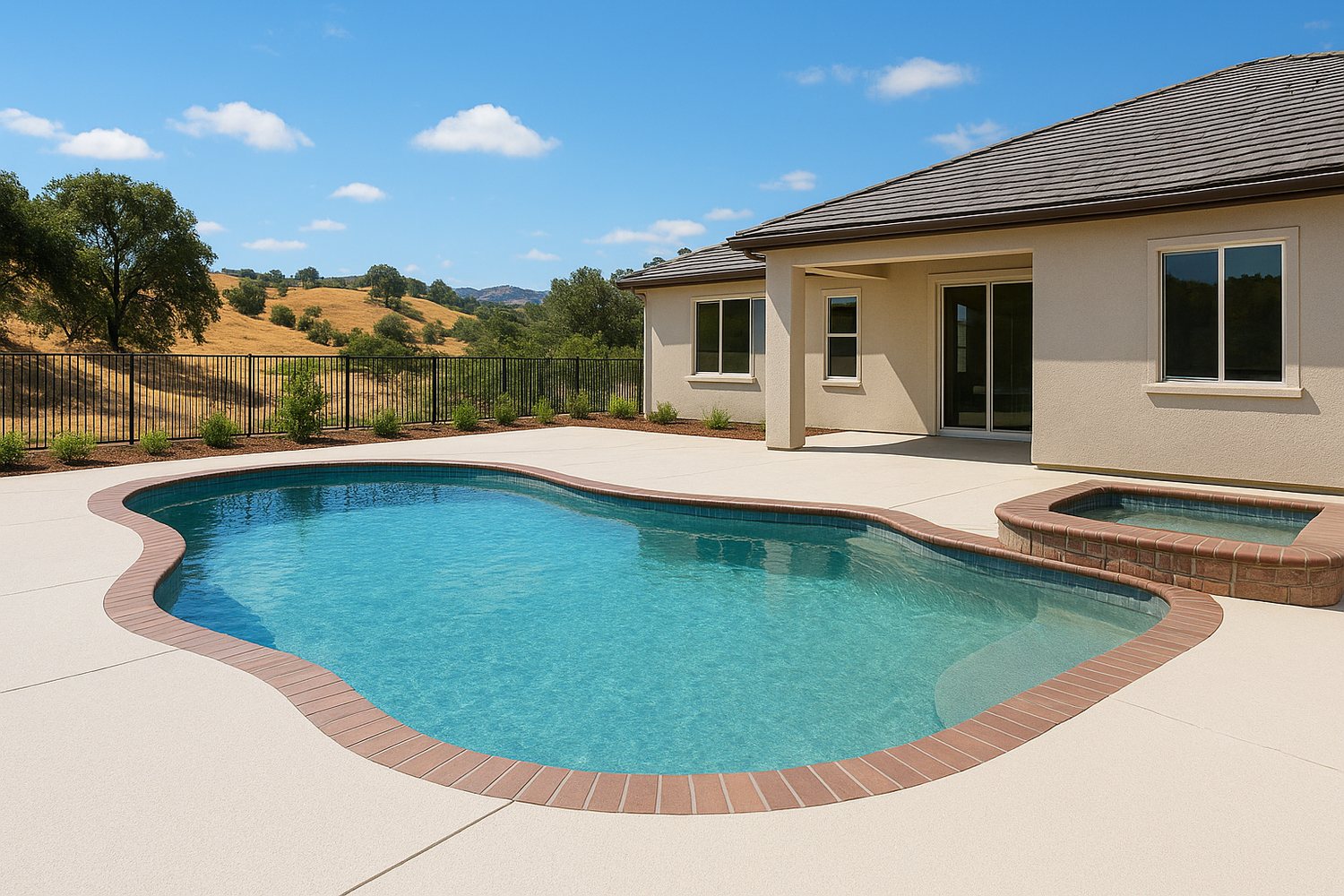
Category: Uncategorized

  • Making Your Concrete Overlay Last: Tips for Lasting Beauty

    Making Your Concrete Overlay Last: Tips for Lasting Beauty

    A well-installed concrete overlay transforms outdoor living spaces, but care is key for performance and curb appeal, especially in our local climate.

    Understanding Concrete Overlays in Our Area

    Concrete overlays are a practical way to refresh patios, driveways, and walkways without a full replacement. Homeowners in Rocklin, Roseville, Granite Bay, Folsom, and Auburn favor overlays for their flexibility in style and function. With the right design, overlays can mimic natural stone or offer solid-color elegance to update any outdoor living space.

    Our region’s hot, dry summers and occasional heavy rains mean overlays must do more than look good. They need to endure temperature swings, irrigation spray, and the area’s unique ground movement. Selecting the right mix and surface treatment is step one to long-lasting overlays.

    Knowing the basics before you commit helps in caring for your investment down the line. The combination of substrate prep, overlay materials, and finishing methods on day one sets the tone for how much upkeep you’ll need to do later.

    For more on choices and what to expect, see ourResurfacing and decorative overlayspage.

    Why Proper Maintenance Makes All the Difference

    Even the best-installed overlay will degrade without a little care. Here, maintenance means preventing surface damage, preserving color, and spotting small problems before they grow. The main tools are cleaning, sealing, and an occasional inspection.

    Neglect and debris can cause minor surface issues that lead to bigger problems like staining or flaking. In our valley towns, pollen, dust, leaves, and irrigation minerals are top culprits. Frequent light cleaning goes a long way—using a leaf blower or broom for debris, with a gentle wash a few times a year.

    Think of surface maintenance as the insurance that protects your decorative investment. Staying on top of care doesn’t just keep things looking good; it extends the overlay’s usable life so you get the most value from your project.

    Cleaning Techniques That Really Work Here

    Thanks to local soils and airborne pollen, keeping overlays clean can be weekly work, especially in spring. The best tools are non-metal brooms, soft brushes, or a low-pressure garden hose. Avoid wire brushes or strong power washers that might scour away colored or textured surfaces.

    For spot cleaning oil drips or tough spots, use mild concrete-safe detergents found at hardware stores—never acids or harsh solvents. Rinse thoroughly to keep chemical residue from damaging sealers. After wind storms or heavy rain, clear debris quickly to prevent staining and organic buildup.

    In granite belt communities like Granite Bay or Loomis, groundwater minerals can leave behind white stains. Fast attention with a damp rag and, if needed, a specialty cleaner (following label instructions) makes minerals easier to manage without harming decorative finishes.

    • Use soft, non-metal cleaning tools
    • Mild, pH-neutral detergents only
    • Rinse well after any cleaning

    Sealing: When, How, and Why

    A sealer is essential for overlay longevity—think of it as sunscreen and a raincoat in one. In the Sacramento valley, sealing every 2 to 3 years is typical, though busy walkways or sun-exposed areas may need attention sooner.

    Clear, breathable sealers let moisture escape while protecting against stains and UV fading. For decorative overlays, choose a sealer compatible with your surface: acrylics are popular for color-rich designs, while penetrating sealers suit more natural looks.

    Always apply sealer in mild weather and on a dry, clean surface. Early morning or late afternoon applications help avoid heat-related issues. DIY is possible, but homeowners often bring in a pro for best results.

    • Reseal every 2–3 years
    • Check compatibility before use
    • Apply on mild, dry days

    Repairing Small Issues Before They Get Big

    Small cracks, chips, or delamination can appear from seasonal shifts or heavy use. Addressing them quickly keeps moisture from seeping underneath, which can lead to larger issues. In our region, root growth and minor settling are common triggers for surface problems.

    DIY repair kits exist for hairline cracks, but anything wider than a coin or involving lifting edges may call for a pro assessment. Catching these early usually means a quicker, less costly fix—often just patching or adding a feathered overlay blend.

    Don’t ignore rust spots from lawn furniture, stains from BBQs, or winter salt traces. Prompt surface spot repairs prevent etching, which is especially tricky to repair once deep. Regular walks around your hardscape every couple months can catch these early.

    • Address cracks and chips promptly
    • Consider pro help for larger repairs
    • Check for signs of water beneath surface

    Explore all yourConcrete optionsfor outdoor spaces from California Hardscapes.

    Avoiding Common Pitfalls in Local Conditions

    A major cause of overlay failure is using harsh de-icers and pressure washers, which undermine the sealer and surface. Stick to safer traction aids, such as clean sand or cat litter, if you need grip during frosty mornings.

    Heavy metal furniture or dragging planters can gouge the finish. Use rubber feet or protective mats under tables, grills, and planters. In landscapes where irrigation sprinklers hit concrete, check regularly for over-spray, which can leave mineral streaks and encourage algae growth.

    Pets, pool chemicals, and garden fertilizers also take a toll. Rinse spills promptly and try to confine activities that could damage decorative coatings to a non-overlay area. A small bit of daily caution adds years to your overlay life.

    • Never use sodium chloride de-icers
    • Choose outdoor-safe mats and feet
    • Redirect sprinkler spray away from overlays
    Overlay TypeDurabilityResealing NeededBest ForCare Notes
    Stamped OverlayHigh2-3 yearsDriveways, PatiosKeep clean, avoid metal tools
    Spray TextureMedium-High2 yearsPool Decks, WalkwaysSweep debris, watch for slip hazards
    Stained OverlayMedium1-2 yearsDecorative Entry WaysRemove spills promptly, gentle clean
    Thin-TrowelMedium2-3 yearsSmall Patios, StepsProtect from heavy traffic, patch chips

    How Overlay Types Compare for Durability and Care

    Overlay needs vary—stamped, stained, spray texture, and thin-trowel each suit different areas and care routines. In sun-drenched parts of Placer and El Dorado County, fade resistance matters. Around pools and patios, slip resistance may top the list.

    Maintenance methods are similar, but stained overlays may show grime more quickly, while spray and broom textures hide minor dust until cleaning day. Some overlays require a bit more frequent resealing, especially in high traffic or sun zones.

    The table below helps you compare the key features, upkeep requirements, and regional suitability for popular overlay styles. Choosing the right type for your specific conditions can make care easier in the long run.

    Planning for Long-Term Value

    A well-maintained overlay can easily outlast changing tastes and seasons. When you keep up with gentle cleaning, attentive sealing, and quick repairs, your concrete stays inviting year-round, despite hot summers and wet winters.

    If you ever change landscaping, add new patio features, or install a pool, proper overlay care means your older hardscape blends well with the new. It lays a solid foundation for all future upgrades or outdoor living improvements.

    Concrete overlays are an investment in daily enjoyment and long-term resale appeal. Thoughtful care pays off, whether you use your space for entertaining, relaxing, or simply bumping up curb appeal for years to come.

    Have overlay questions?Request a consultationwith Marty at California Hardscapes today.

    Resurfacing and decorative overlays: see the full guide to resurfacing and decorative overlays, or browse every concrete option.
    Your project

    Planning a concrete project?

    Call or text 916-741-0633, or email sales@californiahardscapes.com with your address, a short description and a few photos, and we will arrange a consultation.
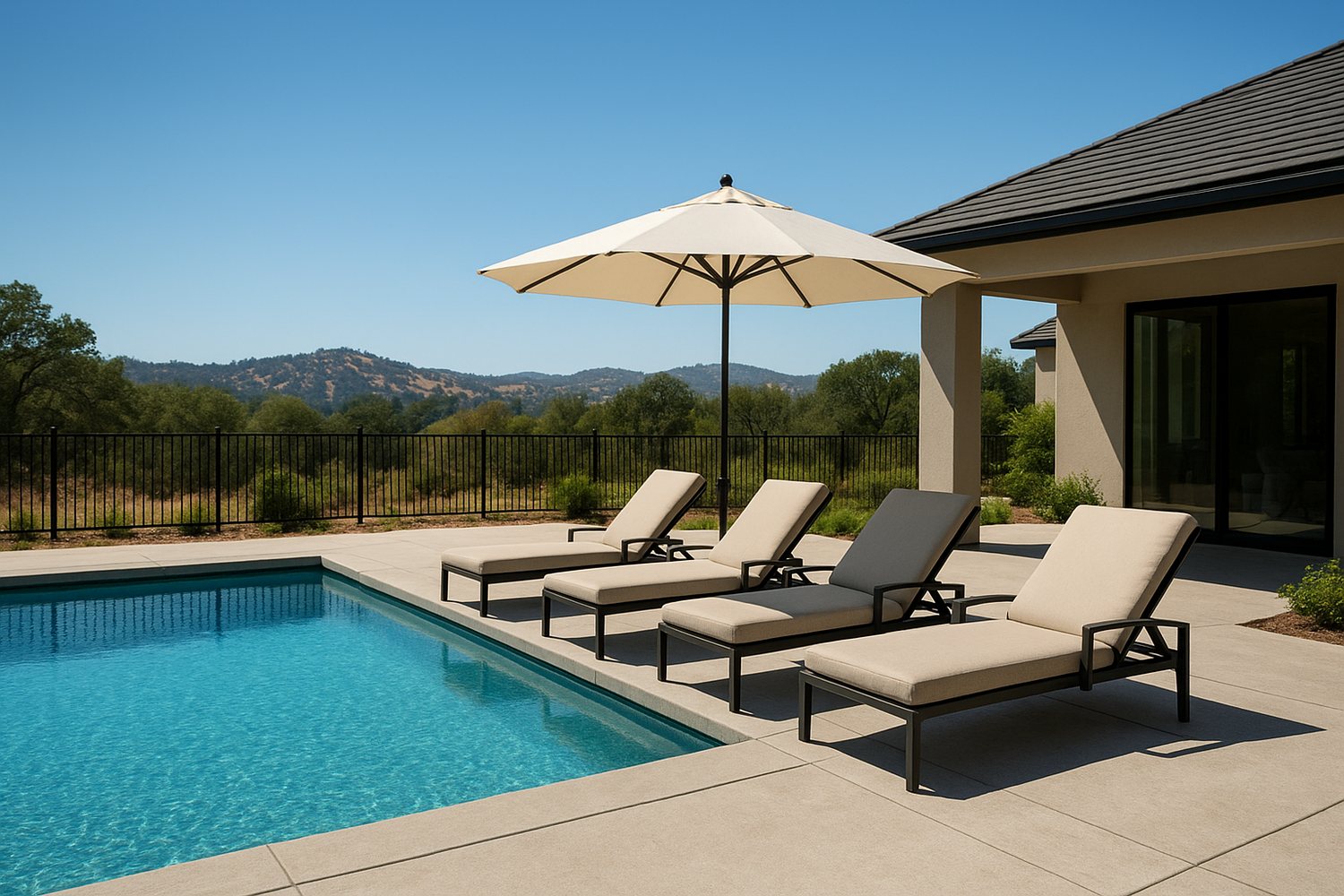
  • Building Durable Concrete in Placer and Sacramento Counties

    Building Durable Concrete in Placer and Sacramento Counties

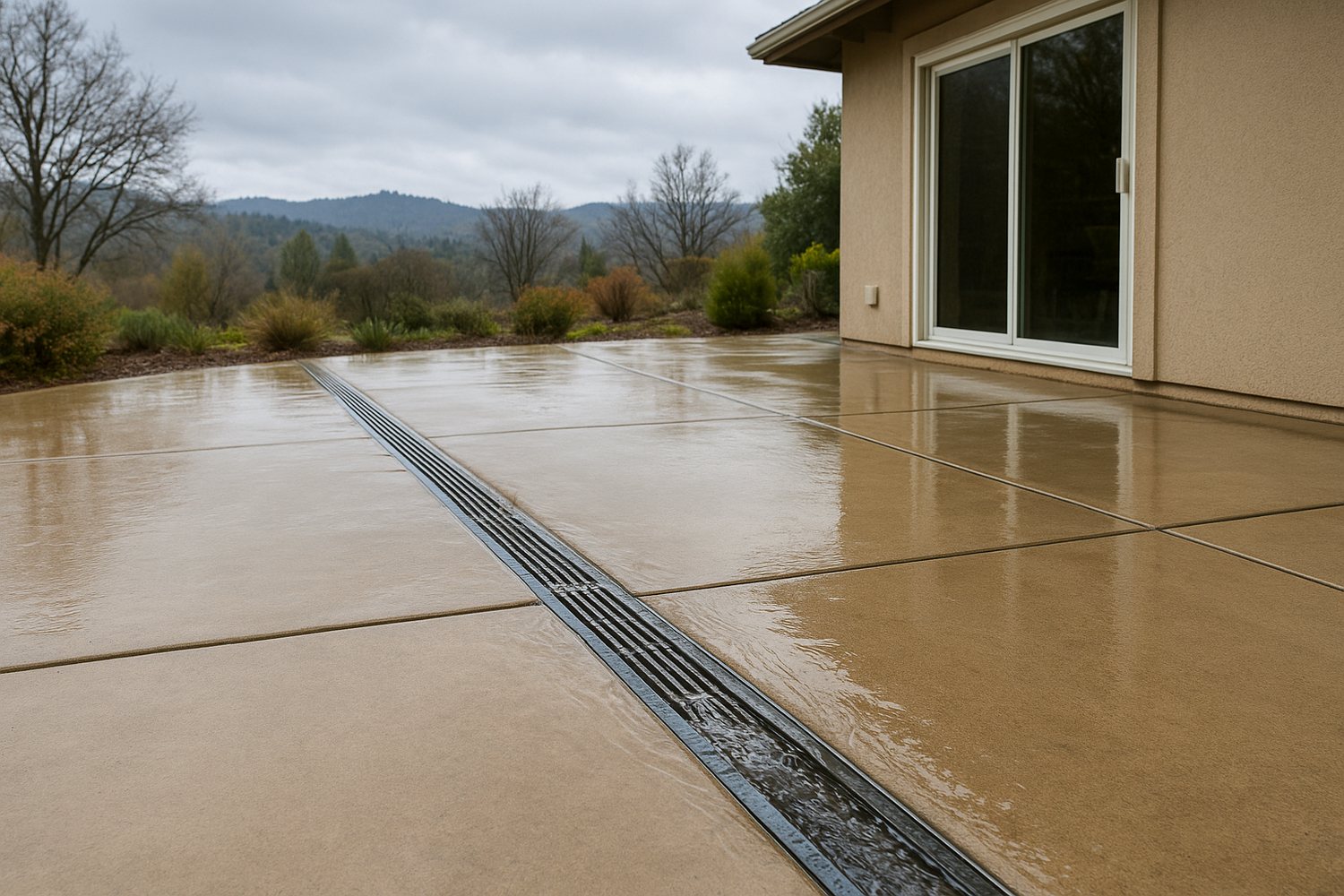
    If you’re searching for concrete work that looks great and lasts, it’s important to understand what really matters from a materials standpoint. The details behind a durable concrete slab go far beyond just pouring and finishing.

    What’s Really in Concrete—and Why It Matters Here

    Concrete may look simple, but its formula can make a big difference in performance. At its core, concrete is a blend of cement, sand, gravel, and water—customized depending on local needs. For residential projects in Placer, Sacramento, and El Dorado Counties, we use mixes designed for our region’s weather swings and expansive native soils.

    A standard mix here often involves 3000–3500 psi concrete for patios and walkways, and sometimes higher strengths for driveways or structural features. Cement content is adjusted for strength and workability, not just to meet a minimum spec. Local sands and aggregates are selected to match expansion, contraction, and appearance needs.

    If you want a slab that stands up to summer heat, winter rains, and occasional frost, materials selection makes a significant difference. Local experience is key to choosing the right blend, balancing strength, finish, and cost for your specific setting.

    • Cement, sand, aggregate, water—all carefully proportioned
    • Mixes tailored for regional heat, rain, and clay soil movement
    • Higher strength for driveways and heavy-use areas

    Read more about our services on theConcretepage for additional details.

    The Base: Crucial Support Underfoot

    Even the best concrete mix needs a good base beneath it. Around Rocklin, Roseville, and Granite Bay, soils can vary from well-drained decomposed granite to dense clays. A proper subgrade is compacted and leveled before any concrete is placed, with recommendations customized to each site.

    Road base, Class 2 aggregate, or similar materials are typically used for driveways and patios. At least four inches of compacted base layer helps resist settling and unevenness. In areas with problematic soil, base thickness or materials may be upgraded for added stability.

    Skipping or skimping on the base is a shortcut that costs more in the long run. A well-built base keeps your concrete flat, strong, and less likely to crack or shift—even as seasons and moisture levels change.

    Subgrade compacted to the right firmness for local soil

    • Subgrade compacted to the right firmness for local soil
    • Quality base materials: road base or Class 2 aggregate
    • Base thickness tailored to use—more for driveways

    Steel and Reinforcement: Insurance Against Cracks

    Concrete is strong in compression but weak in tension, which means reinforcing steel is essential for slabs that last. In this region, rebar, wire mesh, or fiber reinforcement may be used based on project size and load expectations.

    A typical residential patio or walkway uses 3/8" or 1/2" rebar tied in a grid or, for larger slabs, wire mesh. These reinforcements help control cracking due to soil movement or temperature swings. For driveways and retaining walls, reinforcement is often heavier and spaced more tightly.

    Local clays and weather cycles put extra pressure on flatwork. Added reinforcement goes a long way to keep slabs intact, especially at joints, corners, or where weight will be concentrated.

    • Rebar or wire mesh selected for project type
    • Fiber mesh may be added for extra crack control
    • Custom reinforcement for driveways, walls, and heavy-use areas
    Concrete ElementPurposeLocal TipTypical Options
    Mix DesignStrength & durabilityTailor for soil and climate3000–4000 psi, local sands
    Base MaterialSupport & drainageCompact for clay soilsClass 2, 3/4" aggregate
    ReinforcementControl cracksMesh/rebar for wide slabs#3/#4 rebar, wire mesh
    JointsManage movementExtra in large patiosTooled, saw-cut, or felt
    Curing MethodMaximize strengthCover in summer heatWet cure, curing compound

    Joints in Concrete: Control, Expansion, and Purpose

    Joints are intentional breaks or lines in your slab, designed to let concrete move without unsightly random cracking. Control joints can be tooled in during finishing, or saw-cut soon after placement—ideally no more than 8–10 feet apart on patios.

    Expansion joints, like felt or rubber strips, help absorb movement from temperature swings or nearby structures. Placement around the slab’s perimeter, next to buildings, or where two types of flatwork meet is especially important in our climate.

    Proper joint design is based on slab size, shape, and usage. Skipping joints or putting them in the wrong place leads to unpredictable cracks over time, especially in expansive California soils.

    • Control joints placed to manage shrinkage cracks
    • Expansion joints protect against movement and buckling
    • Joint spacing and depth tailored to project and soil conditions

    Curing Concrete: The Overlooked Longevity Step

    Curing is the critical process of keeping new concrete moist and at the right temperature after placement. In the dry, warm days common in Folsom, Auburn, and nearby areas, this step matters even more—rapid drying weakens finished concrete.

    Various methods—including water spray, evaporation-reducing compounds, or plastic sheeting—are used to lock in moisture for several days. Proper curing ramps up final strength and reduces future surface dusting, cracking, or scaling.

    Cutting corners with curing may not show up right away, but months or years later, lesser slabs show premature aging. Patience and methodical work here truly pay off in the life of your hardscape.

    • Moisture retention for at least 3–5 days after pouring
    • Curing compounds or wet blankets for hot, dry periods
    • Helps achieve full design strength and smooth finish

    Explore theoverview of our Concrete optionsto see the full range available.

    Finishes and Sealers: Practical Decisions

    Once the concrete is placed, there are choices to make about its finished surface. Popular finishes in this region include broom (for slip resistance), exposed aggregate (for texture), and stamped patterns for added design flair.

    Depending on usage and placement, sealers may be applied to reduce staining or weather exposure. Not every slab requires a sealer, but for patios and outdoor living areas, it’s a common step for added protection against the elements and daily use.

    The practical choice of finish or sealer depends on how you plan to use the space, its position relative to sun and water, and your design goals. A custom approach can combine beauty and function to match your setting.

    • Broom, exposed aggregate, and stamped finishes are common
    • Sealers can reduce staining from leaves, food, and rain
    • Finish choice affects safety, comfort, and maintenance

    Why Regional Know-How Makes a Difference

    Experience with Northern California soils and weather is essential to building hardscapes that last. Different neighborhoods in Rocklin, Roseville, and Granite Bay may need tailored approaches, not just a one-size-fits-all recipe.

    From concrete mix to base prep, reinforcement, and finishing, each step can be tuned to suit our local clays, slopes, and the weather patterns unique to this area. This is where professional judgment pays off—choosing exactly what each project needs based on real-world experience.

    Understanding the region’s quirks means fewer surprises and tougher, longer-lasting outdoor spaces. For homeowners, this offers real value and confidence in your investment.

    • Knowledge of Rocklin, Roseville, and Auburn soils
    • Concrete mixes and reinforcements selected for local use
    • Techniques adapted for sun, wind, heat, and moisture patterns

    Get Help With Your Concrete Project

    It’s easy to focus on surface details, but what’s underneath and inside your concrete counts most. For a project that stands the test of time—and California weather—it pays to ask about mix design, base prep, reinforcement, and joint layout, not just price.

    Good communication and experienced guidance can make the difference between a slab that looks right for years and one that disappoints far too soon. Experienced contractors will walk you through site inspection, choices, and smart trade-offs for your budget and property.

    If you’re planning a concrete patio, driveway, or path, don’t settle for guesswork. Bringing in proven expertise helps ensure your new space is something you can be proud of, season after season.

    • Know what to ask: mix, base, reinforcement, curing, finish
    • Discuss specific needs for your site and use
    • Reach out for local insights before starting your project

    Ready to talk?Request a consultationby email for site-specific guidance.

    Concrete: see the full guide to concrete, or browse every concrete option.
    Your project

    Planning a concrete project?

    Call or text 916-741-0633, or email sales@californiahardscapes.com with your address, a short description and a few photos, and we will arrange a consultation.
  • Cool-Deck, Salt Finish, or Pavers? Pool Deck Options Compared

    Cool-Deck, Salt Finish, or Pavers? Pool Deck Options Compared

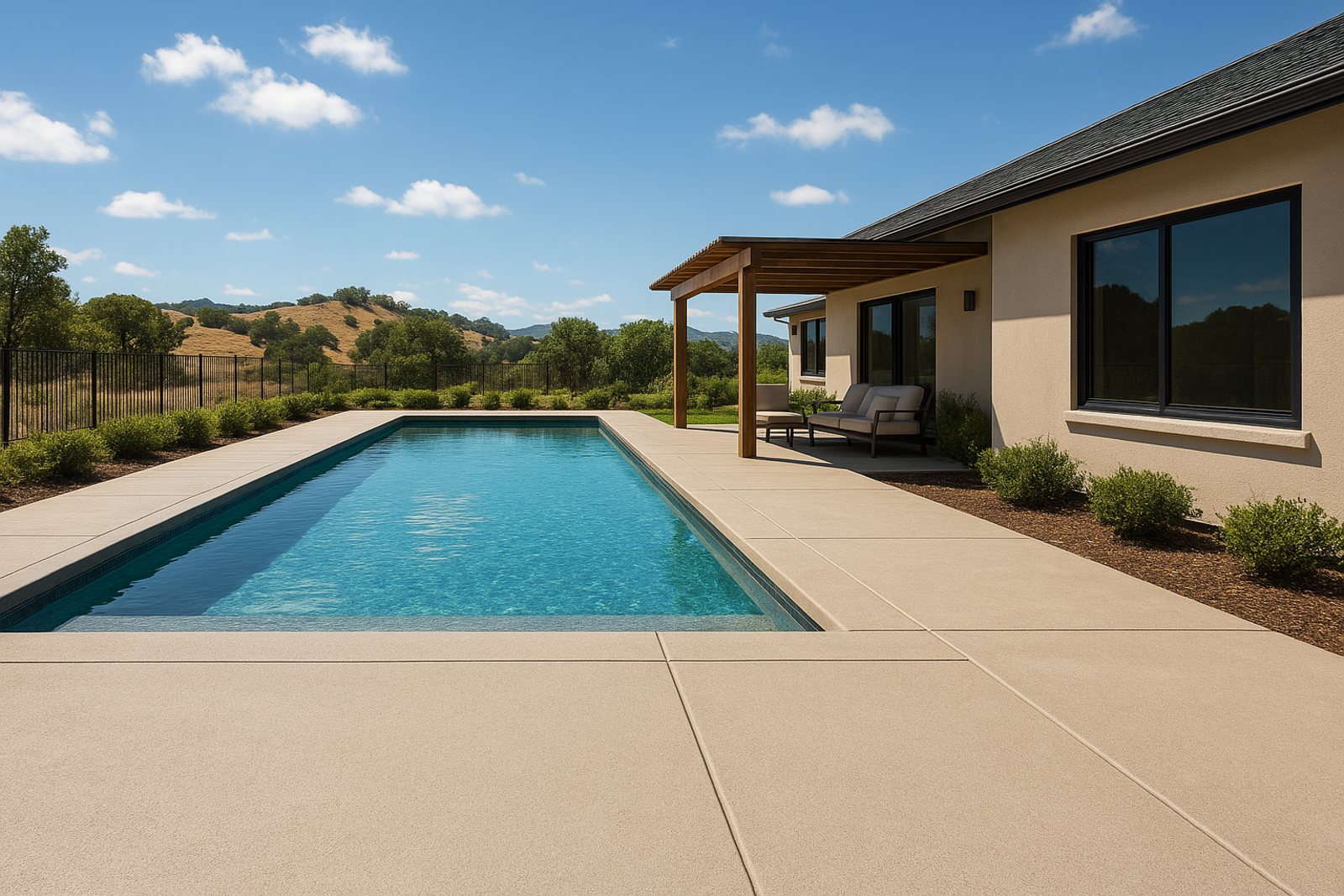
    Central California summers can be tough on pool decks. If you’re considering cool-deck coatings, salt finish concrete, or pavers for your backyard pool area, it pays to understand how each will perform around the pool, underfoot, and through our climate.

    What Homeowners Want from a Pool Deck

    When local families look to upgrade or build a pool, decking is more than an afterthought. Beyond curb appeal, function is critical: the material must withstand long, sunbaked summers and brisk mornings—often in the same week. Comfort underfoot, slip-resistance, and how well it fits your property’s style all matter.

    In our region, pools can see heavy use from April to October. Homeowners in Rocklin, Roseville, Granite Bay, Folsom, and Auburn know that surfaces get hot, chlorinated water is a constant threat, and winter rains can’t be ignored either. Harsh sun and shifts in temperature only add to the abuse pool decks take.

    Good pool decking should be easy to keep clean, require little maintenance, and—just as importantly—stay cooler for bare feet. Safety, shade, and how it blends with landscaping or outdoor living areas play a big role in regional decisions.

    For more details on surface options, see ourPool decks and cool-deck coatingsmain page.

    Cool-Deck Coatings: Beat the Heat

    Cool-deck coatings, sometimes called Kool Deck, are engineered for sun protection. Applied to fresh or cured concrete, they create a textured layer that reflects heat—making the surface significantly cooler than plain concrete or stone exposed to the same sun. This is especially valuable during dry Rocklin and Granite Bay summers.

    Unlike basic broom finishes, cool-deck coatings combine slip-resistance with a softer feel. The most popular formulas also resist salt, pool chemicals, and UV fading, making durability a plus. Maintenance is simple: regular sweeping and occasional power washing usually suffice.

    While cool-deck coatings are a premium upgrade, not all surfaces or sites are suitable. Repairs must be blended skillfully for an even look, and experienced application is vital. Color choices depend on product line, but subtle earth tones and soft grays fit well with the local style.

    • Cool under bare feet on sunny days
    • Highly slip-resistant
    • Available in muted tones
    • Repels pool chemicals and sun damage

    Salt Finish Concrete: Versatile and Understated

    Salt finish—sometimes called ‘salted’ concrete—offers a classic poolside texture without much fuss. While the surface is smooth enough for furniture, the scattered pockmarks made by embedded salt provide grip even when wet. It’s a favorite in Folsom and El Dorado County, where understated looks meet durability.

    Installation involves pressing rock salt into fresh concrete and later washing it away, leaving subtle indentations. Salt finish concrete pairs well with modern or traditional homes and can be colored for more visual interest. It’s more affordable than cool-deck coatings or pavers, but stays hotter and doesn’t mask repairs as easily.

    Like all concrete decks, salt finish needs sealing—the local hard water and leaf debris require periodic rinsing and resealing. Still, its low profile and traction make it a mainstay for pool renovations and new builds alike in the Sacramento region.

    • Timeless look and slip-resistant
    • Stays warmer than cool-deck coatings
    • Easier to install than pavers
    • Good value for the investment
    Surface TypeComfort in SunSlip ResistanceMaintenance NeedsDesign Options
    Cool-Deck CoatingCoolestExcellentLowModerate Color Variety
    Salt Finish ConcreteWarmGoodModerateLimited (can stain)
    PaversCooler*Very GoodLow-MediumExtensive Patterns/Colors

    Pavers: Customizable and Classic

    Pavers stand out for their design flexibility and durability. Interlocking concrete or stone pavers come in many colors, textures, and shapes, allowing truly custom layouts from modern grid patterns to more traditional styles. Homeowners in Granite Bay and Roseville often like the upscale feel pavers bring to pool decks.

    Paver decks handle movement and settling better than poured concrete—if underground roots or water cause shifting, single units can be replaced, not the entire surface. They tend to be cooler than standard concrete (though not as cool as specialty coatings) and offer reliable traction, even when wet.

    Pavers require additional prep, as edges and base layers must be well-compacted to avoid settling. Weeds in joints and occasional re-leveling are maintenance considerations. Their upfront cost is higher than plain concrete, but their longevity and customization appeal keeps them in high demand.

    • Highly customizable patterns and colors
    • Excellent drainage with proper base
    • Individual repairs are straightforward
    • Greater installation investment

    Climate Matters: Regional Considerations

    Northern California’s mix of long, dry summers and occasional freeze-thaw cycles means pool decks need to handle more than just splashing water. Sun can fade colors; hard freezes—though rare—can cause cracking or spalling if installations aren’t done right. Water runoff and soil conditions are also regional priorities.

    Cool-deck coatings shine in direct sun, keeping surfaces bearable for swimmers. Salt finish is rugged but requires prompt sealing after heavy winter rain or frost. Pavers maintain their look during droughts or storms, but movement in clay-rich soil may require future adjustments.

    For maximum deck longevity, ask for installation techniques adapted for local soil and drainage. Correct base prep, expansion joints, and the right sealers make a visible difference that goes far beyond first impressions.

    • Dry heat can soften or fade surfaces
    • Occasional freezing impacts concrete longevity
    • Proper drainage keeps decks and landscaping healthy

    Explore other concrete applications and ideas by visiting ourConcrete options overview.

    Cost, Maintenance, and Repair

    Upfront costs vary widely. Salt finish concrete is typically the most budget-friendly, followed by cool-deck coatings as a step up. Pavers carry the highest installation cost but can save money in the long run when repairs or updating are needed. Each surface offers a different balance of maintenance and repair costs.

    Salt finish requires regular sealing to protect its look, especially if exposed to lots of pool chemicals or leaves. Cool-deck coatings are easy to clean but may need professional recoating after a decade. Pavers are low-maintenance, but weeds and shifting pavers may require spot repairs or joint sand refill.

    Long-term maintainability depends on installation quality as much as material choice. Choosing the right option for your family—and ensuring it’s installed correctly—can mean years of safe, low-stress use in and around your pool.

    • Salt finish: lowest initial investment, moderate upkeep
    • Cool-deck: higher install cost, easy cleaning
    • Pavers: highest upfront cost, lowest lifetime repair expense

    Aesthetics and Home Value

    Your pool deck creates a focal point for gatherings and outdoor living. Cool-deck coatings offer subtle color blends, giving a soft, inviting look. Salt finish concrete is understated and pairs well with many home styles, but color options are more limited unless stains or pigments are added.

    Pavers win for creativity—mixing shapes, stones, and patterns can transform an ordinary pool area into a standout experience. They often boost curb appeal and can enhance a home’s value, especially in premium neighborhoods where customization is prized.

    Matching the deck style to your house, landscaping, and existing hardscapes makes a lasting impression, whether you lean modern, rustic, or classic. Choose the surface that not only fits the climate but also frames memories for years to come.

    Choosing Your Pool Deck: Practical Steps

    Take notes on which decks you’re drawn to in local yards or at friends’ homes. Ask questions about comfort, cleaning, and any wear they’ve noticed. Each option—cool-deck, salt finish, or paver—has its place, but the best fit balances your family’s lifestyle, regional challenges, and home design.

    Talk to a contractor who knows the soil types and climate of Placer, Sacramento, and El Dorado counties. Local experience is key: it ensures your pool deck not only looks great today, but also weathers our region’s summers, winters, and everything between.

    Ultimately, the right pool deck is one you’ll use, enjoy, and admire for years to come. Careful planning and skilled installation will give you a comfortable, safe, and lasting outdoor retreat.

    Ready to start designing?Request a consultationwith our team today.

    Pool decks and cool-deck coatings: see the full guide to pool decks and cool-deck coatings, or browse every concrete option.
    Your project

    Planning a concrete project?

    Call or text 916-741-0633, or email sales@californiahardscapes.com with your address, a short description and a few photos, and we will arrange a consultation.
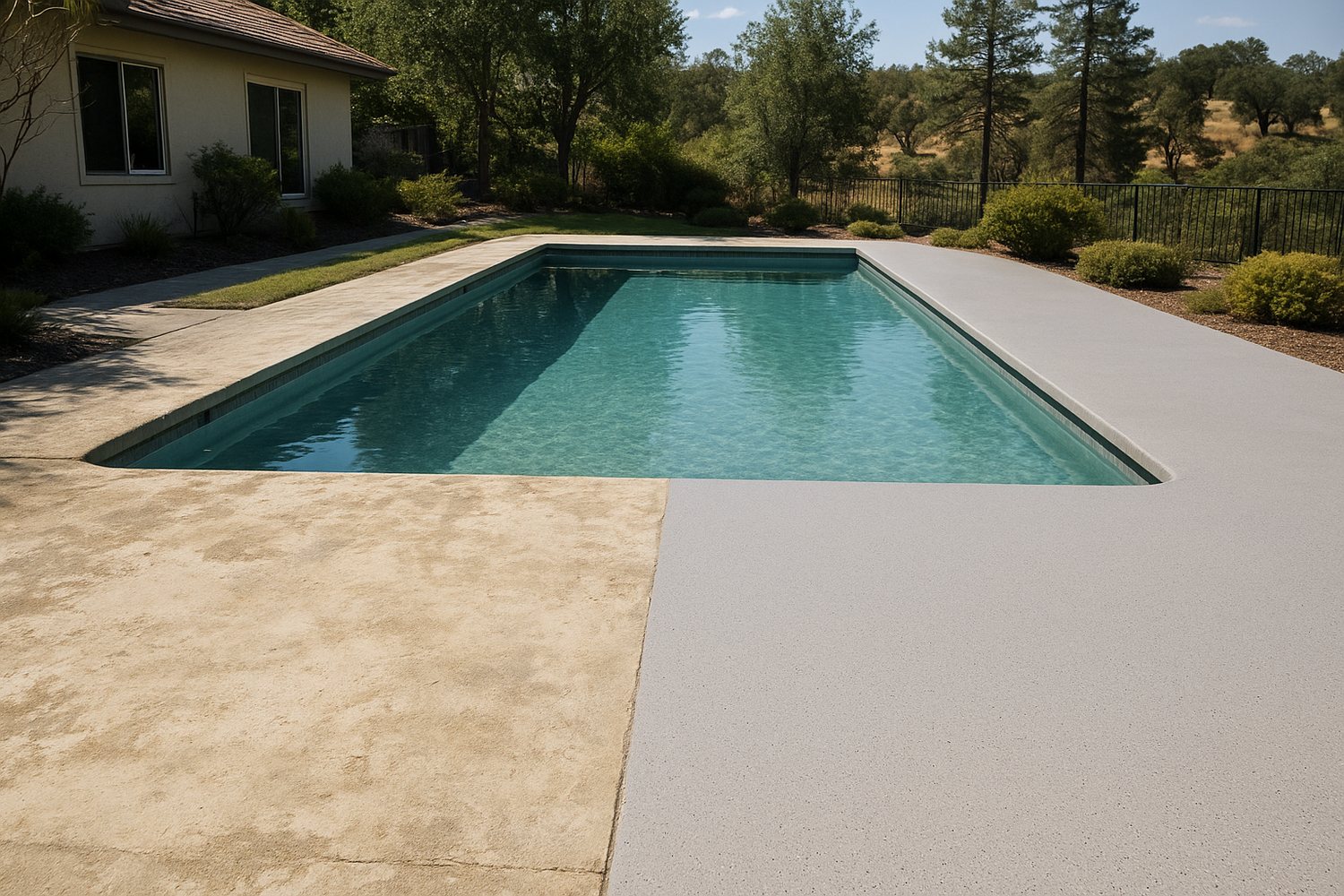
  • When to Resurface Your Pool Deck and How It’s Done Right

    When to Resurface Your Pool Deck and How It’s Done Right

    Your pool deck takes a beating from sun, water, and weather. If it’s showing signs of wear, resurfacing can restore both safety and beauty.

    How Local Climate Affects Pool Deck Longevity

    We live in a climate known for heat, sun, and occasional winter chill—great for outdoor living, tough on concrete. The distinct seasons in Rocklin, Roseville, Granite Bay, Folsom, Auburn, and nearby cities mean your pool deck is exposed to UV rays, fast-changing temperatures, and sometimes even light frost.

    These environmental stresses can cause concrete pool decks to develop surface cracks, fading, or hot spots where bare feet burn. Cool-deck coatings help, but no surface is forever. If your deck is eight years old or more, it may be time to take a closer look for age-related issues.

    Keeping your pool deck safe and looking inviting isn’t just about appearances. In our region, regular care can prevent bigger repairs down the road—and keep outdoor life going strong when the weather’s perfect.

    • UV exposure accelerates fading and wear.
    • Seasonal expansion/contraction stresses the concrete.
    • Pool chemicals can erode the surface layer.

    Explore our complete range ofPool decks and cool-deck coatingsfor more inspiration and details.

    Common Signs Your Pool Deck Needs Resurfacing

    Homeowners often wonder when maintenance crosses the line from cleaning to needed repairs. Obvious cracking—especially where cracks spread or let water seep underneath—is a classic warning sign. Spalling (chipping or flaking), pitting, or loose cool-deck coatings also need professional attention.

    If the texture has worn smooth or hot spots are causing discomfort, that’s more than a nuisance; it’s a safety concern, especially for kids and pets. Color loss or staining that won’t come out with normal cleaning means the protective surface has been compromised.

    It’s wise to walk your deck at the start of each pool season. Find crumbling edges, deep discoloration, or rough, jagged areas? Those are strong signals your deck might need resurfacing soon.

    • Cracks that gather water or debris
    • Surface roughness or loose flakes
    • Heat spots or faded areas

    What Pool Deck Resurfacing Involves

    Resurfacing isn’t just patching cracks and moving on. A full process ensures long-term durability. Step one: thorough cleaning to remove dirt, algae, and old coatings. This is critical, since reapplying over unclean or unstable areas shortens new finishes’ life.

    Next, repairs are made to damaged spots—filling cracks, smoothing pits, and making sure the subsurface is stable. Old cool-deck coatings are stripped or prepped to accept a new surface, which is typically a specialized concrete overlay that bonds to the original slab.

    Finally, custom textures and non-slip coatings are applied, restoring color and safety. The goal isn’t just to make the deck look better now, but to build in years of performance that stand up to local conditions.

    • Deep cleaning and surface prep
    • Professional crack and pit repair
    • Application of durable, slip-resistant overlays
    ApproachBest ForExpected DisruptionTypical Outcome
    ResurfacingWidespread wear, intact baseLow to ModerateRestored surface, new finish
    Repair OnlySmall cracks or chipsLowTemporary fix, visible patches
    Full ReplacementMajor damage or shiftingHighEntirely new deck
    Cool-Deck RecoatWorn, hot, or faded cool deckLowRenewed comfort and appearance

    Why Cool-Deck Coatings Matter Here

    Many local decks feature cool-deck coatings for a reason—they reflect heat and help keep concrete barefoot-friendly, even in mid-summer. Unlike plain concrete, these coatings are specifically engineered to reduce surface temperature, which is a big deal during Sacramento Valley heat waves.

    Resurfacing is a chance to restore this comfort layer. When properly applied, cool-deck finishes go beyond looks, adding an extra measure of slip-resistance and reducing burn risk. It’s a practical upgrade as well as a cosmetic one.

    Over time, coatings can wear thin or become patchy. If your deck’s cool feel isn’t what it used to be—or if you see uneven color and texture—it’s time to ask if resurfacing with a new cool-deck coating would restore comfort and function.

    • Essential for family and pet safety
    • Helps prevent slip-and-fall accidents
    • Adds lasting value and regional comfort

    Comparing Resurfacing, Replacement, and Repairs

    With pool decks, not every problem means full replacement. Resurfacing bridges the gap between basic patchwork and starting from scratch, offering a fresh surface without the cost or disruption of a total rebuild.

    Standard repairs focus on isolated cracks and chips but don’t address widespread wear or loss of the cool-deck layer. Replacement, while sometimes necessary for severe damage, is the most expensive and time-consuming route.

    The choice comes down to coverage, budget, and long-term goals. In our region, most moderate-to-worn, but structurally sound, decks are good candidates for resurfacing—offering a smart, cost-effective balance.

    • Resurfacing: for widespread surface wear and minor cracks
    • Repair: fits small, localized issues
    • Replacement: only for severe or structural damage

    Interested in other options? Visit ourConcrete optionsoverview for more hardscape choices.

    Timeline and What to Expect During Pool Deck Resurfacing

    Pool deck resurfacing is more efficient than full removal, but it’s still a multi-step process. Most homeowners can expect the work to last several days, allowing time for prep, application, and curing in our fluctuating temperatures.

    You might need to avoid the pool area for anywhere from two to five days, depending on weather and coating choice. This allows the materials to fully set and avoids premature wear. Experienced crews keep disruption minimal, tidy up daily, and coordinate around expected hot days or rainy spells.

    Plan ahead for best results. Let the surface dry thoroughly before moving furniture back or resuming regular traffic. Cooler spring and fall days can offer ideal conditions—ask your contractor about local scheduling.

    • Prep and repair: 1–2 days
    • Overlay and finishing: 1–2 days
    • Curing time: 24–72 hours

    Tips for Maximizing the Life of a New Pool Deck Surface

    After resurfacing, routine care keeps your investment looking and performing its best. Hose down and spot clean debris regularly to prevent staining. Avoid harsh chemicals not intended for pool decks, and sweep away leaves or pine needles, which can cause slippery spots and promote moss growth.

    Every six to twelve months, check for new damage (especially after freeze-thaw cycles) and never ignore areas where coating may be peeling or flaking. A quick touch-up can often delay major repairs.

    Smart landscaping—like keeping sprinklers aimed away from the deck and trimming overhanging trees—reduces extra wear from standing water and organic debris. Simple, attentive measures go a long way toward preserving the finish.

    • Clean with mild detergent as needed
    • Inspect after each winter season
    • Request touch-ups early if damage appears

    Choosing the Right Partner for Your Deck Resurfacing Project

    A quality pool deck resurfacing job starts with know-how, not shortcuts. In areas like Rocklin and beyond, look for teams experienced in local weather patterns and familiar with the concrete types widely used in home builds here.

    Be direct about your needs: ask about cool-deck compatibility, non-slip performance, and how they’ll protect your yard. Clear communication sets expectations on all sides and ensures you’re comfortable throughout the process.

    Experience counts in outdoor construction. At California Hardscapes, Marty brings more than three decades of concrete and outdoor living expertise to every project. We’re committed to practical solutions that last—never quick fixes.

    • Choose local expertise for climate-driven performance
    • Ask about materials and process details
    • Work with teams who prioritize clean, safe worksites

    Ready to talk about your needs?Request a consultationwith our team today.

    Pool decks and cool-deck coatings: see the full guide to pool decks and cool-deck coatings, or browse every concrete option.
    Your project

    Planning a concrete project?

    Call or text 916-741-0633, or email sales@californiahardscapes.com with your address, a short description and a few photos, and we will arrange a consultation.
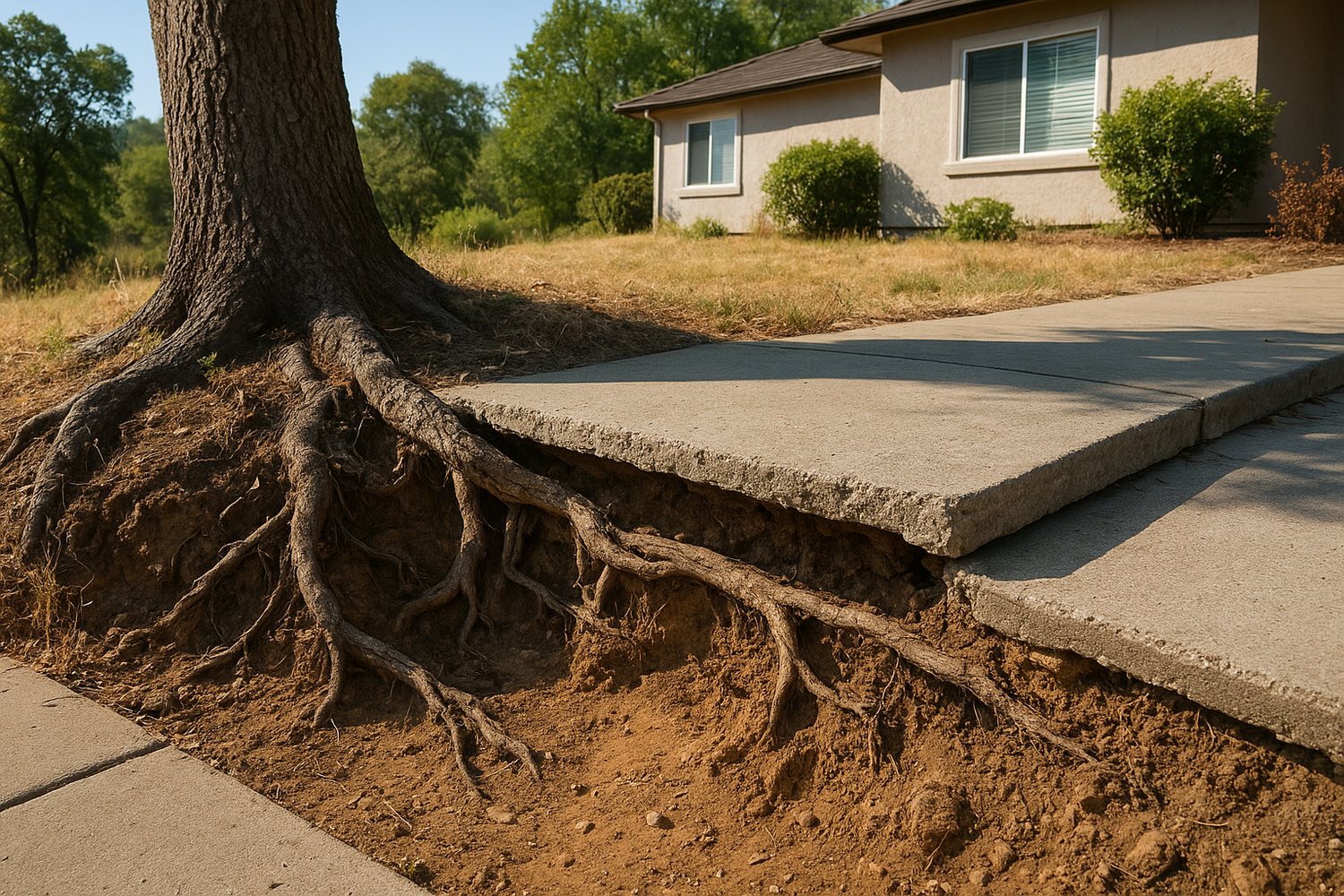
  • Why Cool-Deck Pool Finishes Matter in Sacramento Summers

    Why Cool-Deck Pool Finishes Matter in Sacramento Summers

    When the heat ramps up in Rocklin, Roseville and surrounding areas, your pool deck can get almost too hot for bare feet. Here’s why your choice of pool deck finish matters.

    California Summers: What Your Pool Deck Faces

    Summers in places like Granite Bay and Folsom regularly push past 100°F. Pool decks soak up sun all day, and traditional concrete or dark paver finishes can become painfully hot to walk on. That heat doesn’t just make the deck uncomfortable—it can burn bare feet and make the area less usable during peak hours.

    Besides temperature, the relentless California sun can degrade certain coatings and even the concrete itself over time. UV exposure causes fading, surface cracking, and can shorten the life of decorative treatments. This is especially critical around pools, where water reflection intensifies sun exposure.

    Choosing the right finish isn’t about looks alone. It’s about comfort, safety, and longevity for your outdoor investment. Many homeowners don’t realize just how much surface choice impacts the enjoyment and function of their backyard pool.

    • Decks can reach 130°F+ under direct summer sun
    • Heat stress accelerates surface wear and tear
    • Poolside comfort depends on finish and reflectivity

    For more details on pool deck finishes and coatings, visit ourPool decks and cool-deck coatingspage.

    What Is Cool-Deck? Understanding the Basics

    Cool-deck is a specialized concrete coating designed to reflect sunlight and reduce heat absorption. Unlike plain concrete or most darker finishes, these coatings use light colors and textured surfaces to keep temperatures lower. Technically, cool-deck is an umbrella term for several products that perform similar functions.

    Application methods vary, but most involve prepping the existing surface, applying a reflective, slip-resistant layer, and then sealing. This produces a finish that’s not only cooler to the touch but also safer when wet—ideal for families and active pool use.

    Many cool-deck systems are customizable with colors and patterns to fit your design needs, without compromising performance. It’s important to select products known to stand up to our regional climate conditions for long-term results.

    • Reflects more sunlight, absorbs less heat
    • Textured to improve slip resistance
    • Customizable appearance options

    Why Light Colors Make a Big Difference

    Surface color plays a significant role in heat retention. Lighter finishes reflect more sunlight and stay noticeably cooler underfoot. In contrast, dark colors—no matter the material—tend to store and radiate heat, making them less practical for sunny pool areas.

    It’s not just about comfort. Surfaces heated by the sun increase the risk of burns—especially for young children and pets. Even a ten-degree difference can turn a recreational space into a no-go zone on the hottest days.

    Choosing white, cream, buff, or light gray finishes is the simplest, most effective way to reduce deck surface temperature. Combine this with a cool-deck coating, and you have an environment designed for our tough regional summers.

    • White or light gray surfaces = 20–30°F cooler
    • Darker colors can make pool decks unusable at midday
    • Child and pet safety improves with lighter finishes
    Surface TypeAvg. Surface Temp (100°F Air)Slip ResistanceMaintenance NeedsLongevity (Local)
    Plain Concrete125–135°FLow (Smooth)LowModerate
    Stamped/Colored Concrete (Dark)130–140°FLow-mediumModerateModerate
    Light-Colored Cool-Deck Coating105–115°FHigh (Textured)Low-moderateHigh

    Comparing Deck Options: Comfort, Safety, and Longevity

    Not all deck finishes perform the same in our climate. The table below illustrates differences between plain concrete, traditional decorative finishes, and specialized cool-deck coatings. Comfort, safety, and long-term durability should all be considered as you evaluate options for your pool area.

    While it’s tempting to just go with what looks great in a photo, consider that summer use will highlight each material’s strengths and weaknesses. Slippery or blistering-hot decks can put a damper on poolside fun quickly.

    The right combination of finish, color, and texture will allow you to enjoy your pool deck all season—without worry or discomfort. Evaluate each factor with your family’s needs and our regional weather in mind.

    How Weather Affects Your Concrete Pool Deck

    Hot, dry conditions cause concrete to expand and contract, which can lead to surface cracking or delamination if finishes aren’t applied properly. In our area, rapid temperature swings from day to night increase this stress.

    Cool-deck coatings act as a buffer, reducing heat extremes and protecting underlying concrete from UV damage and excessive drying. This limits the wear from both sun and water exposure, keeping decks looking better, longer.

    Choosing a finish that’s proven in Sacramento Valley conditions can extend the life of your investment. A little prevention up front can reduce repair costs and hassle in the future.

    • Coatings protect concrete from sun and pool chemicals
    • Proper joints reduce cracking from temperature swings
    • Surface prep is critical for lasting performance

    Explore the full range of possibilities on ourConcrete optionsoverview.

    Maintenance Realities: What to Expect

    Even the best deck surface needs routine care. Cool-deck coatings are designed for easier maintenance: periodic cleaning (not pressure washing), and occasional resealing every few years to keep the surface in top condition.

    Partial shade from landscaping or patio covers helps too, but keep in mind that leaves, dirt, and pool chemicals can affect both appearance and longevity if not cleaned regularly. The good news: most issues are surface-deep and easily handled when caught early.

    Discuss maintenance requirements with your contractor so you’re prepared for the long haul. The right care means your pool deck stays comfortable and attractive for many seasons to come.

    • Sweep and rinse regularly with fresh water
    • Avoid harsh chemicals that degrade coatings
    • Reseal as recommended for your surface type

    Making the Right Choice for Our Region

    In Rocklin, Roseville, Folsom, Auburn and Granite Bay, choosing a pool deck isn’t just an aesthetic decision—it’s a functional one. The right finish can mean the difference between loving your outdoor space and dreading midday heat.

    Cool-deck systems and lighter color choices are often the best combination for maximum comfort and durability in our climate. Factors like safety, ease of maintenance, and long-term wear are just as important as visual curb appeal.

    Take time to review options based on real performance, not just trends. An experienced local contractor can help you weigh pros and cons for your specific yard and goals.

    • Prioritize comfort and usability during hot months
    • Ask about tested products for Valley heat
    • Budget for prep and protection, not just appearance

    Next Steps: Planning Your Pool Deck Upgrade

    If you’re building or renovating a pool, discuss cool-deck options early in the process. This allows for more design flexibility and helps ensure the best surface for your climate and preferences.

    Partnering with professionals who understand concrete, coatings, and our local weather is key. Experience with regional products and proven techniques leads to a result you’ll be happy with for years.

    Questions on pool decks, finishes, or outdoor construction? Marty at California Hardscapes has decades of experience managing projects from bare soil to finished outdoor living spaces. Even if you’re just starting to plan, knowledgeable advice goes a long way.

    • Evaluate options before finalizing your design
    • Factor in comfort, safety, and future maintenance
    • Ask your contractor about product track records

    Thinking about upgrading? Reach out to California Hardscapes torequest a consultationand discuss your outdoor project.

    Pool decks and cool-deck coatings: see the full guide to pool decks and cool-deck coatings, or browse every concrete option.
    Your project

    Planning a concrete project?

    Call or text 916-741-0633, or email sales@californiahardscapes.com with your address, a short description and a few photos, and we will arrange a consultation.
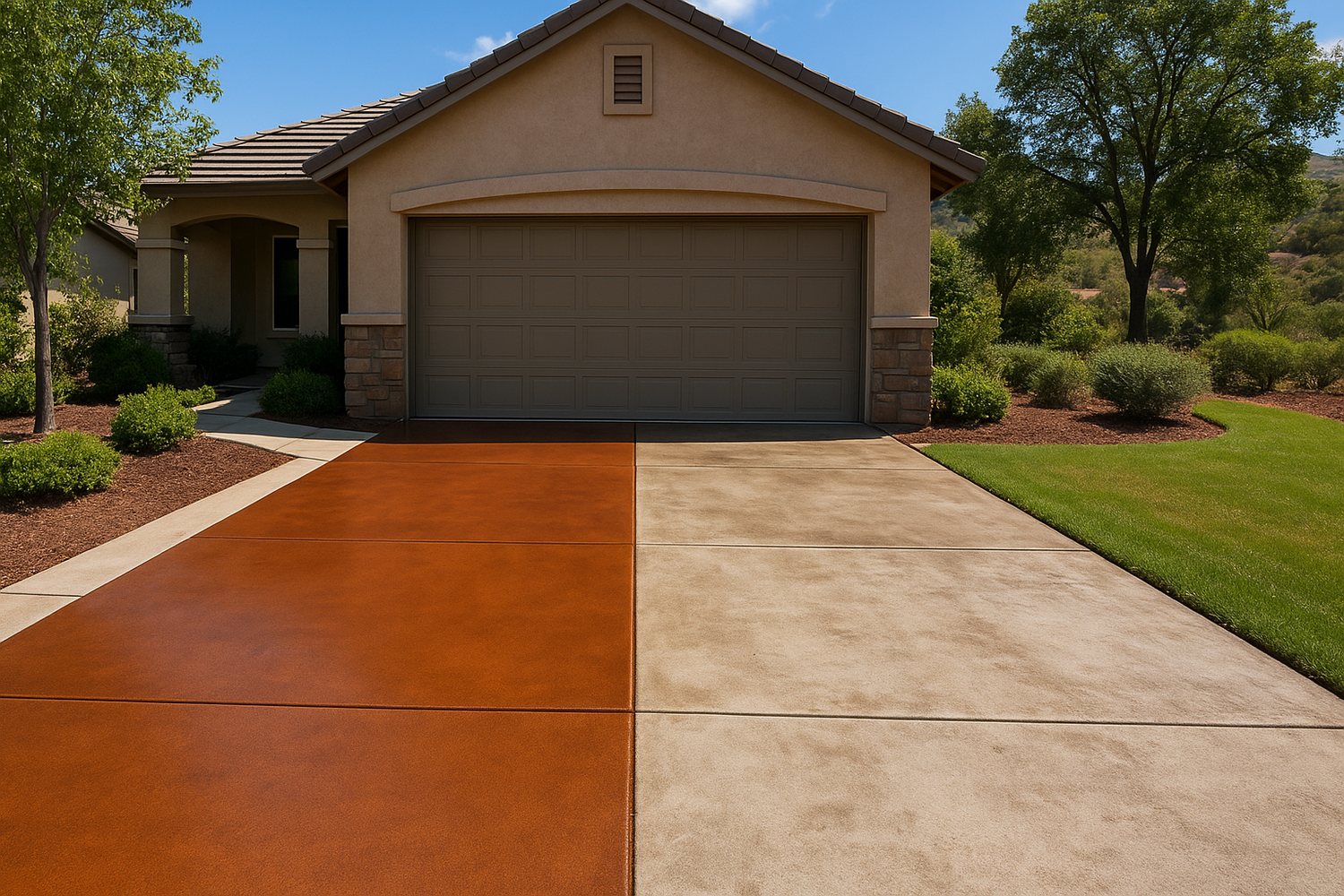
  • Concrete Cracks: Which Ones Matter and How to Address Them

    Concrete Cracks: Which Ones Matter and How to Address Them

    Not all concrete cracks are created equal—some are just cosmetic, while others can lead to larger problems. Knowing the difference is key to maintaining your home’s value and safety.

    Why Concrete Cracks in Our Region

    Concrete is a durable material, but here in Placer, Sacramento, and El Dorado counties, we experience large temperature shifts, clay-heavy soils, and occasional drought-flood cycles. These local conditions put extra stress on driveways, patios, and walkways.

    Cracking typically results from shrinkage during curing, soil movement beneath the slab, or external forces like tree roots. While some cracks are simply the expected byproduct of concrete’s natural settling, others may point to deeper structural concerns.

    Homeowners should keep an eye on older concrete, especially if you notice changes after storms, irrigation adjustments, or earthquakes. Understanding the origin of a crack often determines whether it needs monitoring, sealing, or a more significant repair.

    • Hot, dry summers and chilly winters expand and contract concrete.
    • Heavy, clay-rich soils in Rocklin and Granite Bay can cause shifting.
    • Nearby trees and landscaping may exert upward or lateral pressure.

    Learn more about repair, sealing, and replacement services on ourConcrete repair, sealing and replacementpage.

    Cracks: Cosmetic or Structural?

    Hairline or narrow surface cracks, often less than 1/8 inch wide, are usually cosmetic. They don’t affect the slab’s strength but can allow water to seep in, leading to future problems if ignored.

    Wider cracks, especially those that are uneven, deeper, or continue to spread with time, may signal ongoing movement or settling below the surface. These are the cracks that matter and deserve attention.

    Before deciding on a repair, it’s important to measure the width of the cracks and monitor changes over weeks or months. Keeping a simple log or taking photos can help you track progression and determine urgency.

    • Hairline cracks: usually surface-level, often non-structural.
    • Wide, irregular cracks: may indicate soil or structural issues.
    • Cracks with elevation changes: higher risk of tripping or further movement.

    Proper Repair Methods for Lasting Results

    Concrete repair isn’t just about filling a gap and hoping for the best. For effective repairs, the underlying cause must be diagnosed. This ensures that repairs last, rather than just masking symptoms.

    Small, non-moving cracks are typically cleaned and filled with professional-grade sealants. Wider or dynamic cracks may be routed and backfilled with flexible, UV-stable caulks to accommodate minor movement caused by seasonal changes.

    If settlement or significant movement is present, partial or complete slab replacement, or even subsurface stabilization, may be needed. A knowledgeable contractor will explain your options and provide durable solutions based on the type and extent of the cracking.

    • Clean cracks thoroughly before any repair.
    • Use materials suited for local climate cycles.
    • Consider structural repairs if cracks worsen or become tripping hazards.
    Crack TypeIs It Serious?Repair MethodRecommended Action
    Hairline (under 1/8” wide)Usually notClean & sealMonitor, seal if needed
    Wide, straight crackSometimesRout & flexible fillerRepair, observe for spread
    Irregular with height changeOften yesPotential relevel or replacementConsult professional
    Multiple network cracksLikely structuralFull replacementAssess for subgrade issues
    Shallow surface (crazing)RarelySurface treatmentAesthetic choice

    Sealing: Protection that Pays Off

    Sealing concrete is like adding a weather-resistant jacket: it helps block water, stains, and free-thaw damage, especially crucial in Northern California where moisture and temperature swings are common.

    Penetrating sealers are often recommended because they soak into the concrete, preventing water and chemical intrusion without leaving a glossy surface. Topical sealers, which sit on the surface and create a sheen, are sometimes used on patios or decorative areas.

    Sealing should be done after repairs or with new concrete installations. A good sealer not only lengthens the life of your concrete, but also maintains its appearance and reduces maintenance costs over time.

    • Seal after completing repairs or replacement.
    • Most sealers need reapplication every few years.
    • Clean regularly to keep the surface in good shape.

    When Is Replacement the Smarter Choice?

    Sometimes, repairing cracks isn’t enough—especially if the slab is heavily pitted, severely settled, or has a network of wide or shifting cracks. In these cases, replacement may be the best investment long-term.

    Full replacement involves removing the old material, assessing and often improving subgrade conditions, and pouring new, properly reinforced concrete. This is your opportunity to address drainage, soil compaction, or improve finishes and patterns.

    Families considering new driveways, walkways, or patios often weigh the cost of continual patchwork versus the value and curb appeal of a new, crack-free surface. An experienced contractor can help you compare options and make an informed choice.

    • Heavy pitting, large potholes, or poor drainage—replacement may be best.
    • Extensive cracking across an area indicates a failing pour.
    • Replacement can improve safety, looks, and property value.

    Explore all your options for new and existing surfaces on ourConcreteoverview.

    Concrete in Placer, Sacramento, and El Dorado Counties

    Local geology matters. Our area’s seasonal soil shifts and tree-lined neighborhoods present unique challenges—and opportunities—for well-built residential concrete.

    Building codes and climate adaptation strategies here call for the use of expansion joints, proper subgrade preparation, and reinforcement methods to help slabs handle movement and moisture.

    Choosing concrete mixes, finishes, and treatments that work best for Rocklin, Roseville, Granite Bay, Auburn, Folsom and beyond ensures your surfaces resist the region’s cycles of drought, rain, and temperature extremes.

    • Subgrade prep is key in areas with clay soils.
    • Rebar or mesh reinforcement prevents most large cracks.
    • Expansion joints reduce unpredictable slab movement.

    Maintenance Tips for Concrete Longevity

    Well-maintained concrete is less likely to crack prematurely. Sweep or rinse off debris regularly, and avoid letting water pool along slab edges, especially after irrigation or storms.

    Protect slabs from aggressive deicing chemicals and oil leaks. These not only stain concrete but can accelerate breakdown and encourage cracks.

    After professional sealing, inspect annually for new cracks or signs of wear. Attend to small cracks right away to keep them from widening or deepening over time.

    • Divert downspouts away from concrete.
    • Clean up spills quickly to prevent stains.
    • Keep tree roots trimmed back from edges.

    Choosing the Right Help for Repairs and Replacement

    With over 30 years of concrete expertise, including extensive local knowledge, Marty leads California Hardscapes with a practical, no-nonsense approach to flatwork, patios, walkways, and more.

    Work with a team that diagnoses the root of cracking, explains options plainly, and prioritizes lasting results. Local experience means we understand the soils, climate, and standards that influence every project here.

    If you’re seeing new or worsening cracks, or if you want to protect your investment with professional sealing, bring in someone who will give you honest, regional-specific guidance—not just a quick fix.

    • Seek advice from contractors familiar with our local soils and weather.
    • Ask for clear explanation of repair or replacement recommendations.
    • Value experience in both installation and ongoing maintenance.

    Not sure what your concrete needs?Request a consultationwith California Hardscapes to get practical advice.

    Concrete repair, sealing and replacement: see the full guide to concrete repair, sealing and replacement, or browse every concrete option.
    Your project

    Planning a concrete project?

    Call or text 916-741-0633, or email sales@californiahardscapes.com with your address, a short description and a few photos, and we will arrange a consultation.
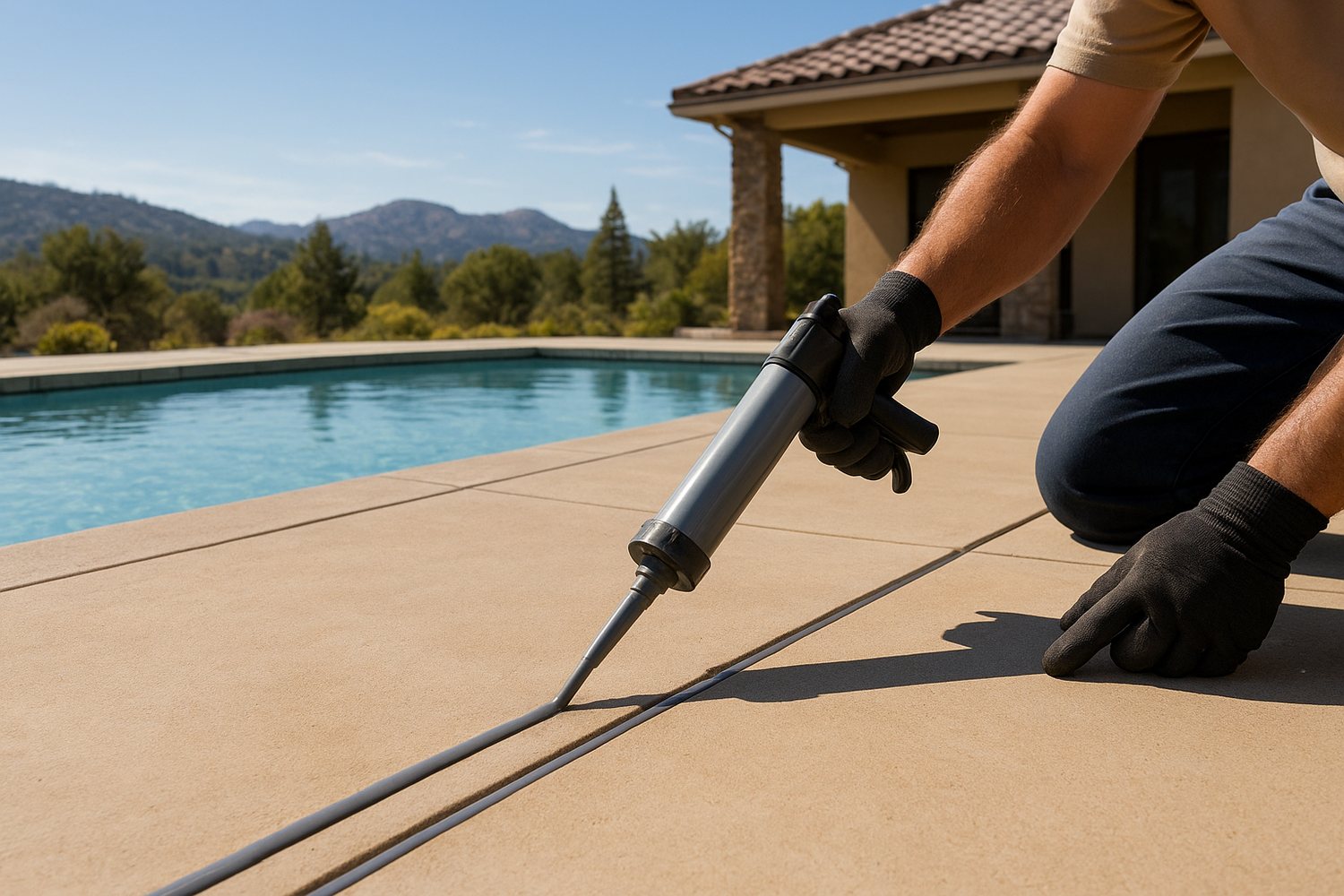
  • Concrete Repair or Replacement: Planning for Patios, Walks and Drives

    Concrete Repair or Replacement: Planning for Patios, Walks and Drives

    Cracked, stained, or uneven concrete can be a headache. This guide walks homeowners through practical steps to assess, repair, or replace patios, walks, and driveways.

    Assessing the Condition of Your Concrete

    Start by inspecting your concrete for cracks, spalling (surface flaking), uneven sections, and discoloration. In the Rocklin and Roseville area, winter rains and hot summers can speed up wear—look for puddling, trip hazards, or shifting that may signal deeper issues.

    Check if cracks are narrow (less than a quarter inch wide) or wider. Fine cracks or cosmetic wear often respond well to repair and sealing, but wide or uneven cracks may point to foundation settling. Pay special attention to areas near irrigation, tree roots, or downhill slopes.

    If you spot deep cracks, major height differences, or significant crumbling, note these issues. Record what you see and where; photos can help when consulting a professional. If you’re unsure, a straightforward site review can reveal whether underlying soil movement or drainage is part of the problem.

    For more details on all our services, visit ourConcrete repair, sealing and replacementpage.

    When Simple Repairs Make Sense

    For surface-level concerns—like hairline cracks, minor chips, or early surface wear—repair is usually the most practical option. These fixes can prolong your slab’s life and freshen up its appearance, preventing larger problems down the line.

    Techniques for repairs include crack and joint sealants, patching compounds, and resurfacing with specialized coatings made for local climates. A careful repair can stop water from seeping into concrete and further weakening it, especially vital during wet winter months in the Sierra foothills.

    However, repairs may not blend perfectly with older finishes, and color-matching is always approximate. Think of repairs as functional upgrades—they boost safety and stability, though old and new surfaces may look slightly different for a while.

    • Hairline cracks and chips can often be sealed
    • Vertically misaligned sections may need grinding
    • Surface stains can be treated and masked

    The Role of Sealing in Concrete Maintenance

    Sealing is a crucial step for almost any concrete, especially in this region where hot summers and seasonal storms are tough on slabs. Quality sealers help prevent water absorption, stains, and UV damage, all of which can cause cracks or surface wear.

    Homeowners should plan to seal new or recently repaired concrete within the first year, with reapplication every few years. The right sealer—penetrating or film-forming—depends on the use: patios may benefit from a slip-resistant finish, while driveways need oil and water resistance.

    Neglected sealing can lead to quicker surface breakdown, meaning small repairs grow into major replacement needs. If your concrete hasn’t been sealed in years, or at all, now is a smart time to consider it as a preventative investment.

    • Sealing extends lifespan and appearance
    • Shields against stains from leaves, vehicles, pets
    • Essential for preventing freeze-thaw damage
    IssueRepair & SealReplaceTypical LongevityBest for
    Small cracks/chipsYesNo5-8 years after repairStable areas, minor flaws
    Widespread crackingTemporaryYes15-30 years afterMajor settlement, older slabs
    DiscolorationYes (cosmetic)OptionalVariesEntry paths, patios
    Heaving/settlingNoYes25+ years afterDriveways, walkways
    Deep stains/oilMaybeYes25+ years afterGarages, older slabs

    Replacement: When Repair No Longer Pays Off

    Sometimes, replacement is the most practical and cost-effective choice. If your slab is severely cracked, uneven, or crumbling, repairs simply mask the problem for a short time. Chronic drainage issues or repeated repairs point to bigger issues that patching won’t solve.

    Replacement offers a chance to update layout, colors, or finishes. For driveways and high-traffic walks, upgrading base prep, drainage, and reinforcement improves durability. In the greater Folsom and Auburn area, local soil and seasonal freeze/thaw cycles should be considered in any replacement plan.

    Be realistic about timing: replacement is a larger project. It usually means removing old concrete, prepping subgrade, pouring new, and allowing proper curing. Planning ahead lets you coordinate other landscape or utility work for a smoother result.

    • Widespread cracking and heaving signals replacement
    • Extensive spalling or multiple failed repairs are red flags
    • Consider new design options with a full replacement

    DIY vs. Professional: Weighing Your Options

    Some minor repairs—like filling tiny cracks or sealing a small patio—can be done by homeowners ready for a weekend project. Local hardware stores carry basic patch and seal products, but proper prep, cleaning, and weather timing are essential for best results.

    For more serious issues, or when appearance counts, a professional’s experience pays off. Surface matching, stable repairs, and long-term performance require skill, especially in this region’s clay and DG (decomposed granite) soils. Professionals can also spot hidden structural or drainage concerns.

    If you’re debating a DIY approach, ask yourself whether you can prep and repair properly. Concrete work requires special tools and safety gear; some products are caustic or tricky to apply. Missteps can end up costing more down the line, especially with visible patios or prominent walkways.

    • DIY is fine for minor surface repairs
    • Complicated cracks or uneven slabs often need expertise
    • Matching color/texture is harder than it looks

    Explore theConcrete optionsoverview to see what’s possible for your project.

    Planning for Regional Climate and Soils

    Local weather plays a big part in how concrete ages. Summers in Roseville and Granite Bay bring high temps and UV, while winters add rain and the risk of freeze/thaw damage. Make choices with these patterns in mind to avoid repeat problems.

    Soil conditions in the area range from dense clay to sandy loam and decomposed granite. Each type impacts settling, drainage, and risk of cracking. Ground movement or poor base prep can cause as much damage as surface wear—addressing these factors is key.

    Site-specific planning might mean adding better drainage, controlling irrigation, or choosing specialized reinforcement. These decisions help your patio, walk, or drive last longer and look better through the years.

    • Adjust drainage for rainy winters
    • Use UV-resistant finishes for intense sun
    • Consider subgrade reinforcement where needed

    Coordinating with Landscaping and Outdoor Features

    If you’re planning a refresh, consider future (or current) landscaping, lighting, and outdoor structures. New concrete work is an ideal time to install or upgrade drains, lighting conduits, irrigation sleeves, or planting beds.

    Integrating concrete with existing patios, retaining walls, or pool decks often requires careful layout and transitions. This is especially true when tying into older materials or matching colors and textures. Early planning avoids tricky “afterthought” fixes.

    In complex projects, phased construction—such as pouring driveway sections before new plantings—can prevent damage and help manage budgets. Good coordination produces durable, attractive spaces with fewer disruptions.

    • Plan for future irrigation or lighting upgrades
    • Coordinate color and finish with other hardscape
    • Protect new concrete from heavy equipment

    Getting Advice and Planning Your Project

    Gather the facts: measure your affected areas, photograph concerns, and note drainage, shade, and tree root locations. This groundwork ensures your decisions are based on actual need rather than guesswork or a one-size-fits-all approach.

    Consulting with a regional expert familiar with Rocklin, Roseville, and surrounding soils and building codes is the smartest next step. An experienced assessment can help you clarify whether repair, sealing, or replacement is the best value for your home.

    Ultimately, investing in well-planned concrete projects—whether a simple fix or a major upgrade—boosts curb appeal, function, and long-term property value. Careful planning now can prevent headaches later and deliver unbeatable outdoor spaces.

    • Document cracks, slopes, settling concerns
    • Factor in local climate and soil for best results
    • Expert advice streamlines planning & execution

    Have questions or need expert input? Request aconsultation with our team.

    Concrete repair, sealing and replacement: see the full guide to concrete repair, sealing and replacement, or browse every concrete option.
    Your project

    Planning a concrete project?

    Call or text 916-741-0633, or email sales@californiahardscapes.com with your address, a short description and a few photos, and we will arrange a consultation.
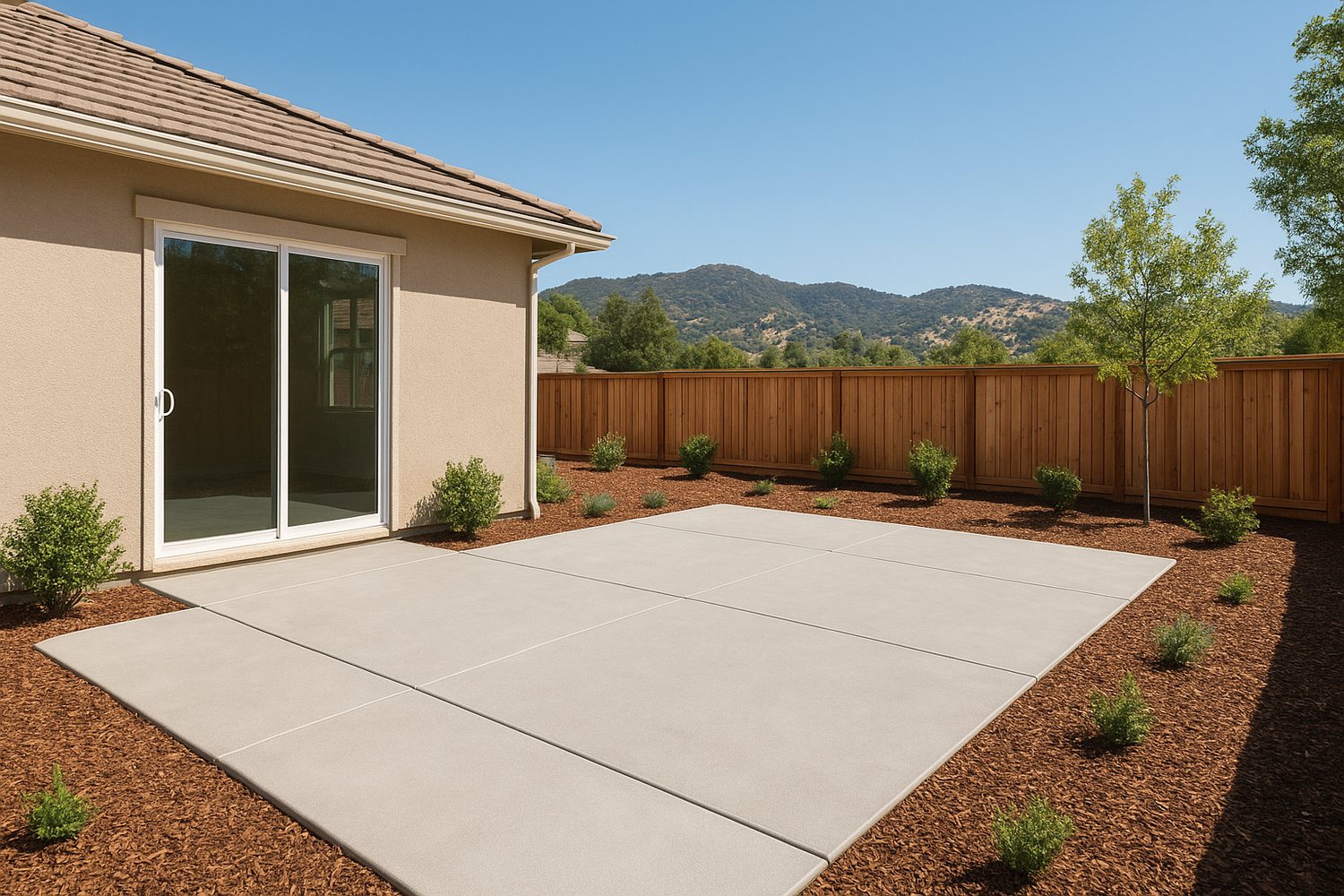
  • Care and Longevity: Sealing, Resealing, and Repairing Concrete in Placer & Sacramento Counties

    Care and Longevity: Sealing, Resealing, and Repairing Concrete in Placer & Sacramento Counties

    Concrete surfaces around your home are built to last, but local climate and use play a big role in how well they hold up. Knowing when to seal, reseal, or address repairs can help your driveway, patio, or walkways stay beautiful and functional for years.

    Why Concrete Care Matters in Our Region

    Between Rocklin, Roseville, Granite Bay, Folsom, Auburn, and our foothill neighbors, the local climate delivers hot summers and moderate winters. These conditions test concrete with expansion, contraction, sun, and moisture. Over time, unsealed or neglected surfaces can show wear—cracks, surface flaking, and fading color are common signs.

    Maintaining your concrete isn’t only about good looks. Sealing protects against water, stains, and the damage caused by seasonal weather changes. When done right, sealing extends the functional life and beauty of patios, walks, driveways, and other outdoor spaces.

    Homeowners here face unique concrete challenges: leaf stains from oaks and pines, decorative finishes at risk from UV, and the occasional freeze-thaw. Proper care means fewer costly repairs and more time enjoying your outdoor space.

    • Sun and heat speed surface aging
    • Seasonal wetness can cause cracks and stains
    • Tree debris and landscape irrigation affect durability

    For full details about services, visit ourConcrete repair, sealing and replacementpage.

    Sealing: Timing and Frequency

    In our area, most new concrete benefits from its first seal within 30-60 days of placement—after initial curing but before exposure to heavy rain or sun. After that, most residential concrete should be resealed every 2–3 years depending on exposure and use.

    Driveways and exposed patios may need more frequent attention due to vehicle traffic, grilling, and foot traffic. Decorative and colored concrete can lose visual appeal fast if left unprotected. Stay ahead of issues by setting a reminder based on your last sealing.

    If water no longer beads up on the surface, it’s often time to reseal. You might also notice dullness or fading. Catching these signs early helps prevent deeper issues and preserves the investment you’ve made in your outdoor living spaces.

    • First seal: 30–60 days after installation
    • Reseal every 2–3 years
    • Check for beading or fading as a timing guide

    Choosing the Right Sealer for Your Home

    Not all concrete sealers are created equal. In Sacramento, Placer, and El Dorado counties, we typically recommend penetrating sealers or acrylic surface sealers—these suit residential outdoor use. Penetrating sealers bond with concrete, providing protection without changing appearance.

    Acrylic sealers can offer a satin or glossy finish and may enhance the color of stamped or stained surfaces, but they need more frequent reapplication. It’s important to match your sealer choice to the location and type of concrete.

    For surfaces exposed to traffic or grease, look for sealers designed to resist staining and abrasion. Always validate the product recommendations with your contractor, especially if you have decorative or colored concrete.

    • Penetrating sealers: invisible, long-lasting
    • Acrylic sealers: visible finish, easier touch-ups
    • Pick by location: driveway, patio, walkway, pool deck
    Sealer TypeBest ForLongevityAppearanceNotes
    PenetratingDriveways, patios, walkways4–6 yearsNo changeExcellent for freeze-thaw; low maintenance
    AcrylicDecorative/stamped concrete1–3 yearsGloss or satinEnhances color; easier touch-ups
    EpoxyGarages, high-traffic areas3–5 yearsHigh-glossMore prep; best indoor/outdoor covered
    PolyurethanePool decks, high UV3–6 yearsClearUV resistant; may be slippery

    Concrete Repair: When Resealing Isn’t Enough

    Sealing protects, but sometimes damage occurs—cracks, chips, or worn spots may need repair before any new sealing. If your concrete is showing heavy cracking, surface scaling, or hollow sounds, these are signs of underlying issues that sealing won’t fix alone.

    Small cracks and wear can often be addressed with patching compounds or surface overlays. For larger or more extensive damage, sections may need replacement. Professional evaluation is key—catching issues early can save both time and money.

    Don’t ignore shifting, settling, or chronic edge breaking—these suggest substrate or drainage issues. Quality repairs reestablish a sound surface, and you’ll want to seal after repairs to prevent future damage.

    • Repair cracks before applying sealer
    • Large cracks or severe deterioration may require replacement
    • Post-repair sealing maximizes longevity

    Common Mistakes with Concrete Sealing and Repair

    DIY sealing with the wrong product or poor preparation causes early failure. Always clean the surface thoroughly and allow it to dry before applying any sealer. Avoid sealing in extreme heat or direct sun to get the best bond and finish.

    Some homeowners overlook the type of sealer their surface needs or double up on incompatible products, leading to peeling or cloudiness. Consult product guidelines and stick with a proven option for your region and surface.

    Skipping repairs before resealing only traps moisture and worsens cracks. Give repairs proper curing time, and always do a test spot with new sealer to ensure desired appearance. Patience and planning pay off in looks and longevity.

    • Clean and dry thoroughly before sealing
    • Match product to concrete and climate
    • Test before sealing entire surface

    See the range of finishes and specialties on ourConcrete optionsoverview.

    How Weather and Season Affect Your Care Routine

    In our region, late spring and early fall offer the most reliable sealing weather—moderate temps and low rain. Hot days cause surface drying too quickly, trapping moisture or causing streaks. Winter sealing should generally be avoided.

    Rain, dew, or irrigation can weaken sealer adhesion if applied at the wrong time. Always review the weather forecast and give at least 24 hours’ dry time post-sealing, ideally more. Do not seal if overnight lows dip below 50°F.

    If you’ve had repairs done, plan to keep new concrete or patched areas dry and sealed off for the recommended time before resuming use or applying sealer. Waiting for the best weather conditions ensures a uniform, long-lasting result.

    • Seal in dry, mild weather for best results
    • Allow 24+ hours cure after sealing
    • Avoid sealing in direct midday sun or before storms

    Maintenance Checklist for Well-Protected Concrete

    Stay proactive with a simple inspection at least twice a year: look for cracks, fading, flaking, or dull spots. Clean surfaces with a gentle cleaner before resealing, and remove leaves or organic debris promptly to avoid stains.

    Check for water beading to test ongoing protection; if water soaks in fast, it’s time to reseal. Address any standing water, drainage, or irrigation issues that may compromise the concrete. These steps are especially important before and after the wet season.

    Record when you last cleaned, sealed, or repaired each section. Setting digital reminders makes future maintenance a cinch. Smart, regular care extends the life and look of your outdoor concrete surfaces, year after year.

    • Inspect for cracks and stains every spring & fall
    • Clean before resealing
    • Address water problems promptly

    When to Consult a Pro—And What to Ask

    If you’re unsure whether to seal or repair, or if you notice sudden cracks, uneven settling, or persistent dampness, consider consulting an expert. Local experience counts—regional weather, soil, and building practices affect the right course of action.

    When talking with a contractor, ask which sealers or repair products they recommend and why. Request details about surface prep, timing, and after-care. Good contractors are happy to explain the differences and help you plan future maintenance.

    Ask for guidance specific to your climate and landscape design. Armed with the right questions and attention to detail, you’ll protect your concrete investment and enjoy worry-free outdoor spaces for years to come.

    • Seek expertise if unsure about repairs
    • Request details on timing and after-care
    • Ask for recommendations by concrete type

    Ready for an expert opinion or quote?Request a consultationwith our team.

    Concrete repair, sealing and replacement: see the full guide to concrete repair, sealing and replacement, or browse every concrete option.
    Your project

    Planning a concrete project?

    Call or text 916-741-0633, or email sales@californiahardscapes.com with your address, a short description and a few photos, and we will arrange a consultation.
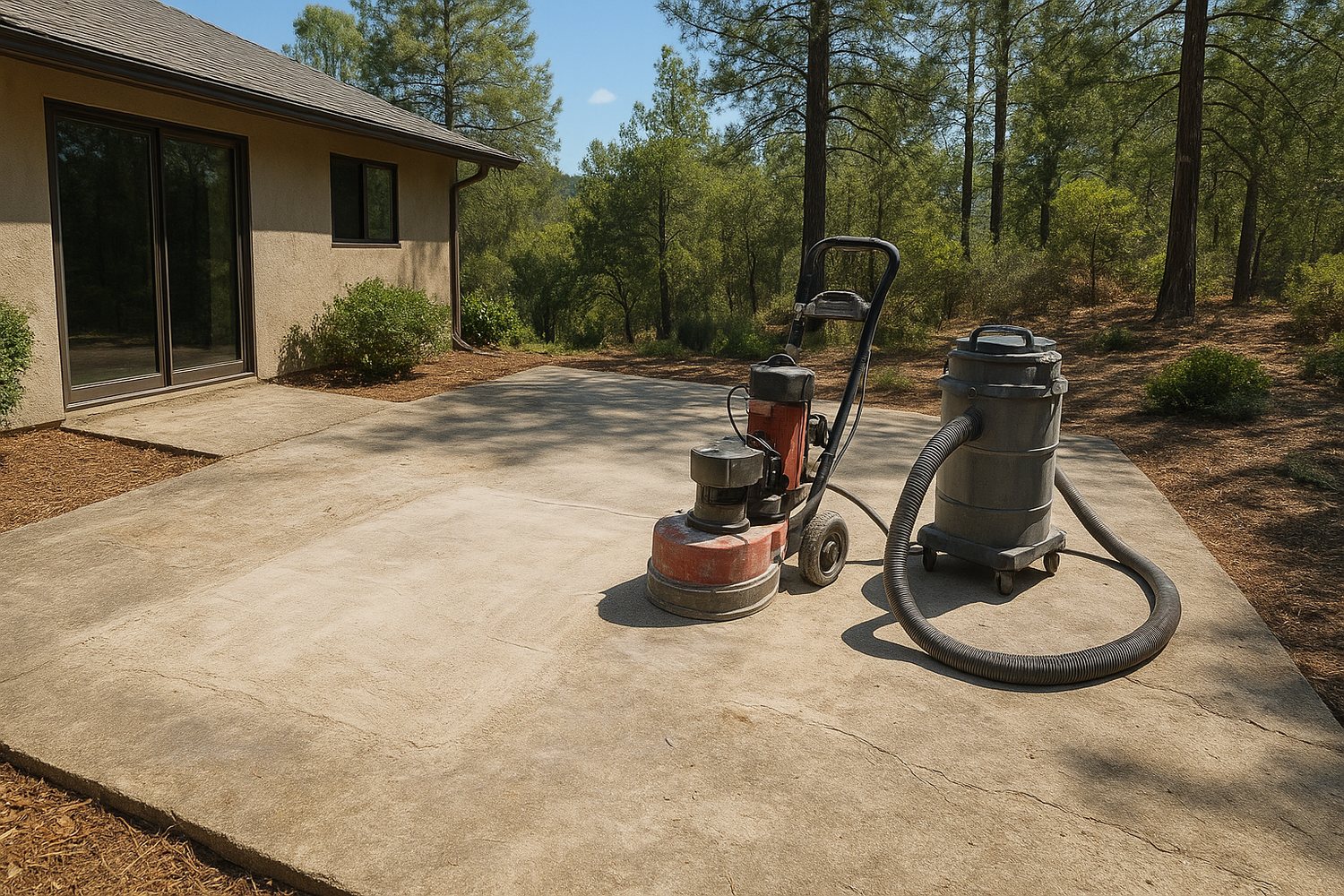
  • Concrete Overlays vs Stain vs Full Replacement: What’s Right for Your Patio?

    Concrete Overlays vs Stain vs Full Replacement: What’s Right for Your Patio?

    If your patio or walkway has seen better days, it’s smart to consider the best upgrade approach. Not every issue means a complete tear out—sometimes, overlays or color stains are enough to refresh your space.

    Recognizing When Concrete Needs a Change

    Outdoor concrete in Rocklin, Roseville, and surrounding communities faces years of blazing sun, chilly winters, and occasional ground movement. Over time, even well-built patios and walkways can look tired or develop minor surface flaws. Homeowners often spot discolored patches, hairline cracks, or worn texture.

    You might want to fix unsightly spots before they lead to bigger problems or drag down curb appeal. The good news: not all flaws require full demolition. Depending on your goals, there are cost-effective, lasting ways to renew your surface.

    Assess what bothers you most—appearance, surface comfort, or safety—and make note of any trip hazards or water drainage concerns. Each option comes with its own strengths for fixing different types of concrete problems.

    Signs to consider upgrades:

    To see more about overlays and resurfacing, explore ourResurfacing and decorative overlayspage.

    Decorative Overlays: Modern Surface, Instant Curb Appeal

    Concrete overlays involve applying a thin, durable layer over your existing slab. Specially mixed for outdoor durability, these overlays can mimic stone or tile, smooth unevenness, and hide stains. Thanks to advances in materials, overlays can deliver a fresh, custom look without the expense and disruption of starting over.

    In hot, sunny areas like Granite Bay and Folsom, overlays hold up well to temperature swings and have excellent resistance to fading and weathering. They can be colored, stamped, or textured to update the feel of a patio, driveway, or pool deck with minimal downtime.

    Overlays are best for surfaces with light wear but solid structure underneath. They won’t fix shifting slabs or deep cracks but shine where you want a quick visual and tactile upgrade.

    Overlay highlights:

    Concrete Stains: Simple Color Solutions

    Concrete stains add or renew color on existing slabs, bringing warmth or dramatic effect without covering up the underlying texture. Acid-based stains penetrate for a variegated, antiqued look, while water-based colors offer more consistent, modern hues.

    Staining is usually best for concrete that’s mostly intact and free of major cracks. It’s a low-impact, affordable way to give new life to faded patios or dull paths, though underlying flaws like chips or roughness will still show.

    Keep in mind, Sacramento Valley sun and winter rains can eventually fade or weather stained finishes, so periodic refreshing may be needed. Stains don’t improve footing or cover up serious defects, but they offer instant color change with low downtime.

    Stain benefits:

    SolutionGreat ForKey AdvantagesPotential DrawbacksTypical Use Cases
    Decorative OverlayWorn but solid concreteCustom looks, quick refreshNot for severe cracking or heavingPatios, pool decks, entryways
    Concrete StainSound surfaces, faded colorAffordable, low impactDoesn’t hide defects, may fadePaths, patios, driveways
    Full ReplacementCracked/sunken concreteStructural fix, total freedomMost cost/disruptionDriveways, major patios, new layouts

    Full Concrete Replacement: Starting Fresh When It Counts

    Full replacement means removing the existing concrete and pouring brand new material, usually with improved base preparation and reinforcement. Sometimes it’s the only lasting answer—especially when concrete is badly cracked, settled, or poses a safety risk.

    Homeowners in Auburn, El Dorado Hills, and other foothill communities may face shifting soils, tree root intrusion, or serious drainage problems. In these cases, repairing or covering the concrete may only postpone inevitable major repairs. Starting over allows for structural improvements.

    Replacement comes with more disruption, but it gives you full control over layout, thickness, and finish. If you want major design changes or need long-term peace of mind, this is the most comprehensive approach.

    Why choose replacement?

    Making the Right Choice for the Sacramento Valley Climate

    Local weather and soil matter. Our region’s hot, dry summers and cool, wet winters create expansion and contraction cycles that test concrete. Overlays and stains both need durable, UV-resistant products—cutting corners here leads to premature failure.

    Overlay systems built for the Sacramento Valley perform best on sound substrates; stains will fade faster if not sealed or maintained. Full replacements are most resilient, but overlay and stain both offer quality results when used in the right context and cared for properly.

    Partnering with specialists who understand local materials and climate ensures your upgrade lasts, stands up to water, and looks great through the worst of each season.

    Sacramento region priorities:

    Find more information about the full range of options on ourConcreteoverview.

    Breakdown: Overlays, Stains, or Replacement?

    Making sense of these options comes down to your goals, the condition of your existing concrete, and your investment level. Compare how each approach addresses durability, aesthetics, disruption, and long-term maintenance.

    Small cracks and cosmetic problems are a good fit for stains or overlays, while structural issues and layout changes call for replacement. If you’re after lowest impact and fastest transformation, overlays and stains deliver—but can mask only minor problems.

    Evaluate each area of your property, ask about design options, and weigh how long you want the solution to last. A thoughtful choice now prevents costly redos later.

    Key questions to guide your decision:

    What Matters Most for Placer, El Dorado, and Sacramento County Homes

    Soils here can shrink and swell, making concrete settle or heave. Water runoff and summer sun further strain patios and driveways, so solutions that work in milder climates may not hold up here. Understanding this helps you pick materials and methods that go the distance.

    Consulting with a team experienced in our foothill and valley conditions ensures the best match for your needs and budget. Sometimes, combining techniques—such as resurfacing with a decorative overlay and then sealing—yields both beauty and durability.

    Take time to consult, weigh options, and ask for material specs that address our regional challenges. That’s smart homeownership for lasting results.

    Placer and Sacramento factors to keep in mind:

    Ready to Reimagine Your Concrete? Next Steps to Take

    Start by walking your property and identifying the areas you’d like to refresh. Note whether you’re mainly concerned with cosmetic flaws, trip hazards, or poor drainage. Have questions about material lifespans or colors? Write them down.

    Contact reputable local pros who understand the quirks of regional concrete, and ask for an honest opinion on overlays, stains, or replacement. A seasoned expert—like California Hardscapes—brings decades of insight into both construction and materials.

    Investing a little time upfront in comparisons and advice saves frustration, money, and time down the line. Long after your upgrade is done, the right choice brings peace of mind and pride of ownership.

    If you want personalized advice, request a consultation by emailingsales@californiahardscapes.com.

    Resurfacing and decorative overlays: see the full guide to resurfacing and decorative overlays, or browse every concrete option.
    Your project

    Planning a concrete project?

    Call or text 916-741-0633, or email sales@californiahardscapes.com with your address, a short description and a few photos, and we will arrange a consultation.

  • Concrete Resurfacing vs. Slab Replacement: What Homeowners Should Know

    Concrete Resurfacing vs. Slab Replacement: What Homeowners Should Know

    Homeowners face an important choice with aging concrete: resurface or replace? Understanding your options ensures better long-term value and aesthetics.

    Understanding Concrete Resurfacing and Decorative Overlays

    Resurfacing and decorative overlays are ways to upgrade existing concrete surfaces without full replacement. The process involves preparing the old surface and applying new, specialized mixtures designed for durability, traction, and visual appeal. Modern overlays can mimic stone, tile, or simply refresh worn slab finishes.

    In northern California neighborhoods—such as Rocklin, Roseville, Granite Bay, Folsom, and Auburn—resurfacing is often chosen for patios, pool decks, and driveways. Our local climate and temperature swings can cause discoloration and minor surface issues over time, making overlays a suitable remedy for cosmetic improvement.

    While overlays offer many design possibilities, they aren’t a cure-all. There are limitations, especially if the underlying slab is compromised. Deciding whether resurfacing or replacement fits your needs starts with evaluating the current state of your concrete.

    • Overlays refresh the look without demolition
    • Suitable for minor cracks, stains, weathering
    • Custom finishes and colors available

    For more information about resurfacing solutions and finishes, visit ourResurfacing and decorative overlayspage.

    When Resurfacing Makes Sense in Our Region

    Resurfacing is an excellent choice for structurally sound concrete that shows cosmetic damage like surface fading, mild cracking, or old stains. In Placer, Sacramento, and El Dorado counties, freeze-thaw cycles are milder than in cold climates, so surface deterioration is often limited to the top layer.

    Well-bonded overlays can restore traction and resist pool chemicals, making them popular around patios and pool decks. Compared to a full demolition and pour, resurfacing is typically less disruptive and conserves structural features that are still performing well. It’s also a good fit for extending the life of stable driveways and walkways.

    Overlay projects generally require a clean, uncontaminated, and minimally cracked slab. Foundation settling, deep cracking, or water intrusion signals deeper issues that overlays cannot address. Work with an experienced contractor to objectively assess slab condition before committing.

    • Mild surface wear can be masked
    • Reduces waste and project mess
    • Quicker turnaround than slab replacement

    Recognizing Signs That Require Full Replacement

    Not all slabs are candidates for resurfacing. Widespread cracking, significant heaving or settling, and areas of crumbling concrete indicate foundational or subgrade issues that overlays cannot solve. Addressing these with overlays is throwing good money after bad.

    In the greater Sacramento and foothill areas, expansive soils or poor drainage can undermine slabs, leading to instability. If you notice trip hazards, persistent water ponding, or spalling that reaches deep below the surface, it’s usually time for a full replacement, along with any needed base repairs.

    Serious conditions are best evaluated by a professional with regional experience. The investment in a new slab may cost more initially but avoids repeated repairs or cosmetic fixes that ultimately fail.

    • Wide or deep cracks across the slab
    • Signs of soil movement or slab settling
    • Surface spalling exposing aggregate
    FactorResurfacing/OverlayFull Replacement
    Structural CracksNot RecommendedRequired
    Cosmetic DamageIdeal SolutionOptional
    Project DisruptionMinimalSignificant
    Design FlexibilityHighHigh
    Lifespan (Proper Application)10–15 years+20+ years

    Surface Preparation: The Key to Overlay Success

    A critical step in resurfacing is preparing the base slab. Any overlay is only as strong as the bond to what’s beneath, so proper surface prep can’t be skipped. This usually involves deep cleaning, degreasing, and possibly mechanical abrasion to ensure overlays adhere long-term.

    For overlays in Roseville or Granite Bay, this step also means addressing our region’s dust and plant debris. Any loose particles or organic material left behind can lead to failure. Contractors should carefully patch minor cracks and fill joints before overlay application.

    California Hardscapes approaches every job with this principle in mind: quality overlays need a stable, clean, and properly profiled base. Skipping prep might save time but leads to premature peeling or cracking—especially when local weather throws heat and occasional rain into the mix.

    • Mechanical grinding or power washing
    • Spot-filling defects before overlay
    • Strict attention to surface cleanliness

    Decorative Overlay Options for Northern California Homes

    Decorative overlays do more than restore function—they can completely transform outdoor living spaces. From stamped patterns to troweled textures and custom color blends, overlays deliver design flexibility suited to any style preference.

    In Rocklin, Folsom, and the surrounding region, homeowners often choose overlays that emulate flagstone, slate, or modern sand finishes. Integral coloring and surface sealers boost visual appeal while increasing weather and chemical resistance, helpful for pool decks and patios.

    Overlay thickness, texture type, and slip resistance can all be customized to fit outdoor kitchens, walkways, or family play areas. A knowledgeable contractor will guide you through these choices, balancing aesthetics with practical maintenance considerations.

    • Stamped or smooth finishes available
    • Integral or topical color systems
    • High-traction options for wet spots

    Curious about other ways to improve your outdoor space? See all ourConcrete options.

    Regional Considerations: Weather, Soil, and Water

    The Sacramento Valley and Sierra Foothills present unique challenges for concrete surfaces. Heat, sun, winter rains, and diverse soil types can each affect long-term performance. Overlays are engineered for flexibility and weather resistance, but their success depends on proper installation in our climate.

    In areas with heavy clay or fluctuating water tables, settling and expansion can be a recurring challenge. Slabs that are already moving or showing uneven settling are better replaced, as overlays cannot stop ongoing subgrade movement or seal out water from below.

    Ask for references from contractors familiar with local site conditions, soil behavior, and drainage concerns. Matching overlay material to regional weather and selecting a contractor with regional expertise ensures a longer-lasting result.

    • Choose overlays for stable, dry areas
    • Monitor slopes for drainage issues
    • Consider slip resistance in shaded spots

    Hiring a Contractor: What to Look For

    Choosing the right contractor is as important as choosing resurfacing itself. Look for companies with proven experience in both decorative overlays and new slab installs for outdoor projects. Deep expertise ensures proper evaluation of your slab and region-specific construction techniques.

    A trustworthy contractor won’t promise overlays where they aren’t suitable. They’ll explain both procedures, costs, and lifespan differences clearly. They’ll also discuss your home’s unique exposure to sun, shade, and runoff to tailor recommendations.

    Ask specific questions about prep work, materials, and past experience with homes in Rocklin, Roseville, and nearby cities. Clear communication, attention to detail, and in-depth local knowledge all signal a premium, reliable contractor.

    • Ask about regional experience
    • Get written surface prep details
    • Expect honest, practical advice

    Making the Right Choice for Your Home

    Ultimately, the right concrete solution balances appearance, durability, and budget. For many homeowners in Placer and Sacramento counties, overlays bridge the gap between cosmetic repairs and full-scale replacement—provided the existing slab is stable.

    Carefully assess your slab’s condition before deciding. Minor wear or outdated looks can be corrected by overlays, but structural failure always means it’s time for replacement. Partnering with an experienced team gives you peace of mind and a surface built to last.

    A personalized inspection is the first step to knowing what’s best for your home. When you’re ready to discuss decorative overlays or if you suspect your slab may need replacement, consult a knowledgeable professional for honest, regionally-focused recommendations.

    • Look past surface looks to underlying issues
    • Factor in usage: pool, patio, driveway, walk
    • Invest in long-term value, not just a quick fix

    If you’d like a professional assessment and tailored advice,request a consultationwith California Hardscapes.

    Resurfacing and decorative overlays: see the full guide to resurfacing and decorative overlays, or browse every concrete option.
    Your project

    Planning a concrete project?

    Call or text 916-741-0633, or email sales@californiahardscapes.com with your address, a short description and a few photos, and we will arrange a consultation.