Category: Uncategorized

  • Exposed Aggregate vs. Broom Finish: What’s Best for Your Driveway?

    Exposed Aggregate vs. Broom Finish: What’s Best for Your Driveway?

    Concrete surfaces set the tone for home exteriors across Placer, Sacramento and El Dorado Counties. With driveway and walkway options ranging from simple to striking, two finishes stand out: exposed aggregate and broom finish.

    Understanding Surface Finishes: Exposed Aggregate and Broom Finish

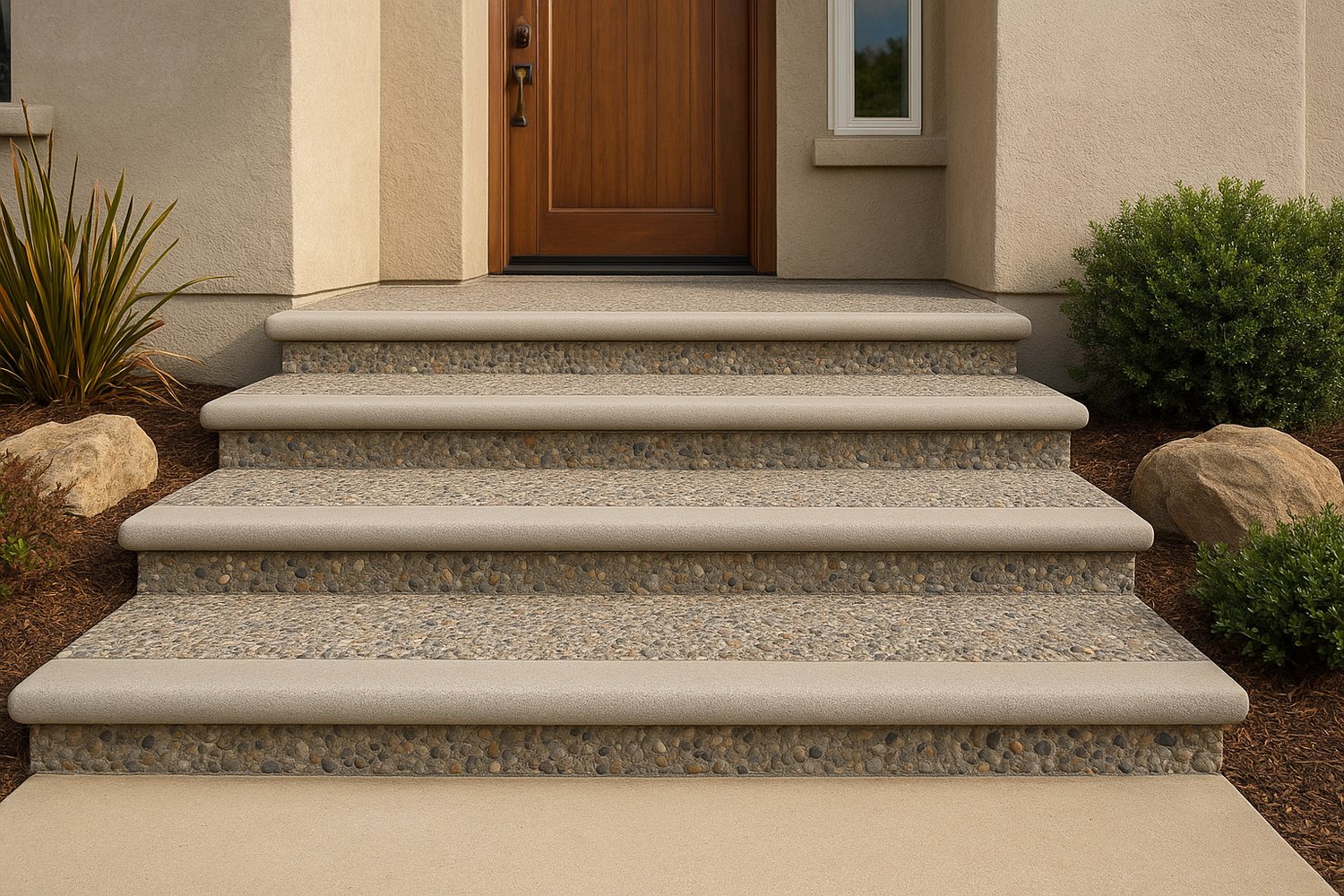
    Both exposed aggregate and broom finish are popular for driveways and walkways, but they create distinct looks and textures. Exposed aggregate reveals natural stone and gravel, giving a pebbled, textured effect. Broom finish uses a brush to create subtle, linear grooves for grip on otherwise smooth concrete.

    Homeowners in Rocklin, Roseville, Folsom and nearby towns often debate which finish will handle weather, local soils, and curb appeal best. The right answer depends on function, style, and your maintenance preferences.

    Concrete is more than gray slabs—it adds context and beauty to landscaping. Picking a finish means considering how it complements your home architecture, nearby landscaping, and daily foot or vehicle traffic.

    Explore the details on ourExposed aggregate concretepage.

    Exposed Aggregate: Durability Meets Design

    Exposed aggregate stands out for its colorful, stone-studded surface. After pouring, contractors wash away the top layer to reveal the decorative aggregates beneath. This process leaves a surface that’s both tough and visually distinctive, with a regional limestone or granite look common to our area.

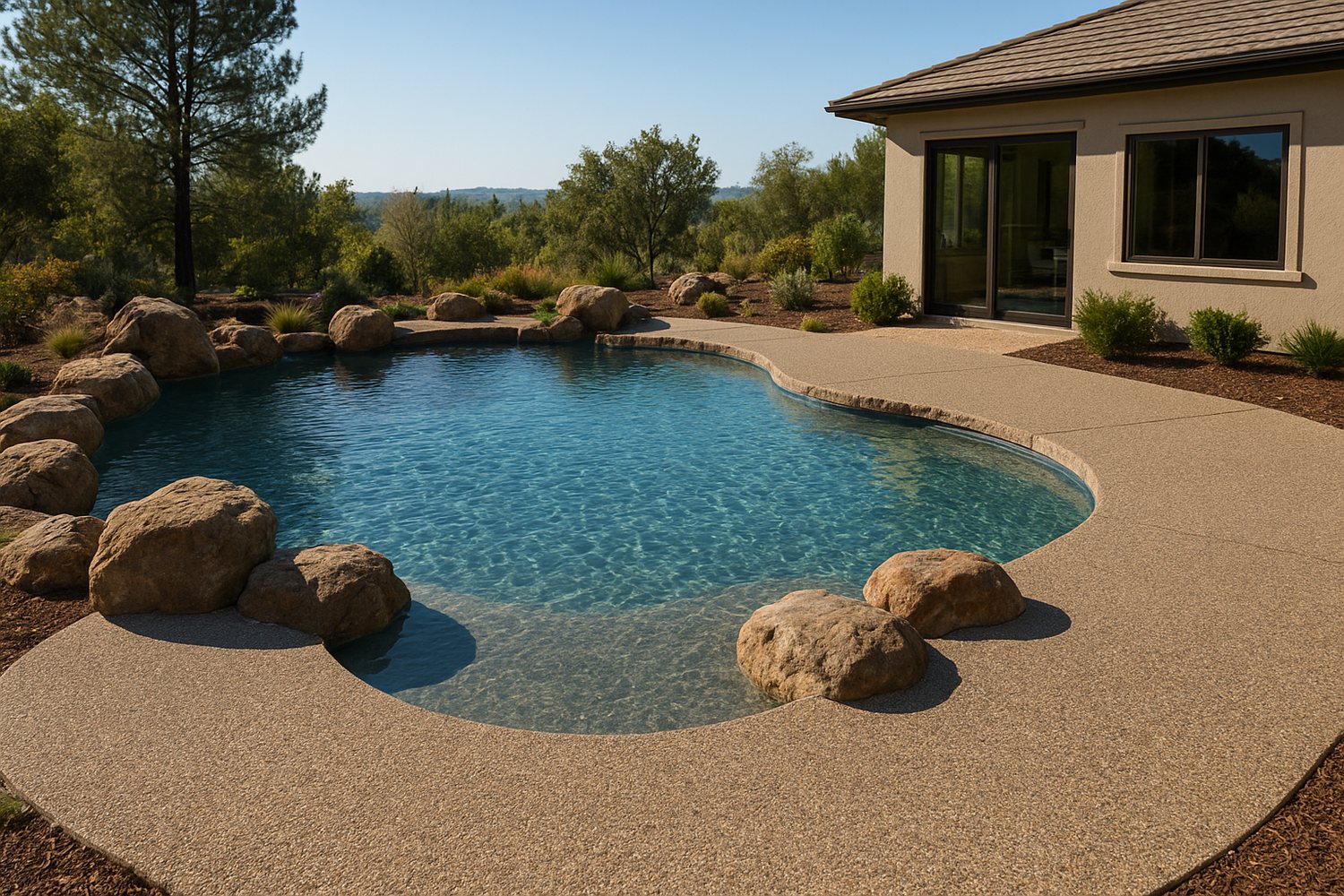
    Local homeowners value exposed aggregate for its skid resistance, making it a safe choice where rain, pool water, or irrigation can cause slick spots. It’s particularly attractive for sloped driveways, curved paths, and pool decks that need grip.

    The textured appearance also offers versatility in color and material choices, letting you match or contrast nearby landscaping or stonework. While installation expertise matters, exposed aggregate is designed to endure seasonal changes and heavy use.

    • Highly slip-resistant surface
    • Visually striking with decorative aggregates
    • Resists cracks and minor surface wear

    Broom Finish: Simple, Clean, Practical

    Broom finish concrete remains the standby for many driveways and walks. After concrete is placed, a specialized broom is dragged across the surface for a clean, subtle texture. This process is simple and widely used across our region.

    Broom finish tends to blend in with most architecture and landscaping. Its light grooves provide enough traction for vehicles and pedestrians in rain or dew but aren’t as deeply textured as exposed aggregate.

    For cost-conscious projects or those seeking a minimal look, broom finish delivers performance without drawing much attention. It’s also straightforward to clean and maintain, making it a practical selection for busy households.

    • Budget-friendly installation
    • Clean, understated appearance
    • Easy maintenance and repairs
    Finish TypeProsConsBest UsesMaintenance
    Exposed AggregateSlip-resistant, decorative, durableMore involved install, may need resealingSloped driveways, pool decks, statement walksReseal every 2–4 years
    Broom FinishSimple, cost-effective, easy to repairLess decorative, basic lookLarge flat areas, basic walks and drivesBasic cleaning, occasional repairs

    Performance in Our Region: What to Expect

    Our Placer, Sacramento and El Dorado County climate—including hot, dry summers and occasional winter freeze—puts exterior surfaces to the test. Both finishes handle sun and weather, but their textures affect performance in specific spots.

    Driveways and walks in shaded or wet areas, or downhill stretches, benefit from exposed aggregate’s non-slip quality. For broad, flat surfaces that see more debris, broom finish may be easier to sweep or keep clean.

    Both options hold up against heat and soil movement common in Rocklin and Folsom. Key is proper installation: experienced contractors like California Hardscapes prepare the subgrade, reinforcement, and drainage to local standards.

    • Both resist summer heat and winter chill
    • Exposed aggregate preferred on slopes/pool adjacencies
    • Broom finish well-suited for level, high-traffic zones

    Maintenance and Longevity: Real-World Considerations

    Exposed aggregate and broom finish concrete are both tough, but maintenance routines differ. Aggregate may need resealing every few years to enhance color and preserve stone exposure.

    Broom finish requires less ongoing care. Dirt and stains tend to be more noticeable, but are usually easier to wash off with basic equipment. Repairs—even future patchwork—blend more easily with broom finish than with distinct aggregate patterns.

    Whichever finish you choose, keep expansion joints clear and address cracks early. Regular cleaning ensures your investment keeps its curb appeal, especially through pollen, leaves, or irrigation overspray.

    • Aggregate: periodic resealing optimizes appearance
    • Broom finish: easy cleaning and patching
    • Keep surfaces clear of debris for best lifespan

    For a broader list of options, see ourConcrete options overview.

    Aesthetic and Curb Appeal Differences

    If your goal is to make an entrance, exposed aggregate creates visual interest and can complement stone, stucco, or modern architecture. Using local materials, it blends with historic or contemporary styles in Roseville, Auburn and Granite Bay.

    Broom finish is classic and neutral. For homes with bold landscaping or colorful exteriors, its simplicity may be a better backdrop. Since broom finish is a time-tested standard, it works well for those who prefer understated looks.

    Either finish provides a professional, sturdy first impression. The right call aligns with your home’s style, existing hardscapes, and even local HOA preferences.

    • Aggregate: stands out, complements stone and tile
    • Broom: blends in, suits traditional curb appeal
    • Regional aggregate choices available

    The Installation Process: What Homeowners Should Know

    The real success of any driveway or walkway finish is in the installation. Exposed aggregate takes extra skill and time—proper washing, timing, and seeding of decorative stone are key for even results.

    Broom finish is more forgiving and fast to install, but still requires expertise to achieve consistent texture and avoid premature drying in summer. California Hardscapes draws on decades of local experience to get both finishes right.

    Permitting, grading, compaction, and weather timing are all part of the process. No matter the choice, be clear about your maintenance preferences when you consult with a contractor.

    • Aggregate: more steps, needs experienced crew
    • Broom: quicker, easier for small or large slabs
    • Timing and weather critical for both

    How to Choose: Decision Tips from Local Experts

    Before you commit, weigh aesthetics, function, future care, and daily use. If slip resistance or eye-catching design matter most—especially on slopes, near water, or with lots of foot traffic—exposed aggregate stands tall.

    If you prefer simpler looks, want easy future repairs, or are building over large areas, broom finish may be the smarter investment. Consider where debris settles, whether the surface will see oil, shade, or lots of vehicles.

    California Hardscapes brings local knowledge—of soils, material sources, and installation best practices—to every project. Reach out for real advice as you weigh the best finish for your walk or driveway.

    • Prioritize safety for slopes or wet spots
    • Think about future maintenance and repairs
    • Work with a contractor who understands local soils and weather

    If you’d like tailored advice,request a driveway or walkway consultationtoday.

    Exposed aggregate concrete: see the full guide to exposed aggregate concrete, or browse every concrete option.
    Your project

    Planning a concrete project?

    Call or text 916-741-0633, or email sales@californiahardscapes.com with your address, a short description and a few photos, and we will arrange a consultation.
  • Seeded vs Integral: Understanding Exposed Aggregate Concrete

    Seeded vs Integral: Understanding Exposed Aggregate Concrete

    Exposed aggregate concrete is a favored option among homeowners looking for decorative, slip-resistant surfaces in outdoor areas. Californians have unique considerations with climate, style, and durability. If you’re planning a patio, pool deck, or walkway, understanding your exposed aggregate options can help you make the right call.

    Exposed Aggregate: What It Means

    Exposed aggregate concrete is a finish where the top layer of cement paste is removed to reveal natural stones embedded within. This process creates a textured, decorative look ideal for outdoor spaces. The resulting surface isn’t just aesthetic—it also offers built-in slip resistance, especially important around pools and patios.

    The main appeal of exposed aggregate lies in its customizability. Homeowners can choose specific stones, aggregate sizes, or colors to complement their surroundings. The choice of cement color and finishing method affects the overall look, making each project unique.

    With our region’s mix of modern and natural landscapes, exposed aggregate concrete surfaces naturally fit in yards from Folsom to Auburn. Whether you want your surface to stand out or blend in, aggregate finishes are a versatile solution.

    • Slip-resistant surface for safety
    • Unique custom appearance
    • Durable and low-maintenance

    See examples and additional details on ourExposed aggregate concretepage.

    Seeded Aggregate: Maximum Customization

    Seeded aggregate means additional decorative stones are hand-broadcast onto the surface of freshly placed concrete. After hand-troweling, the stones are embedded, and their exposure is controlled during finishing. This method gives you full control over aggregate color, type, and distribution density.

    Homeowners looking for bold colors or a highly uniform look often prefer seeded aggregate. It lets you design your own blend and spacing, whether you want colorful glass, river pebbles, or contrasting stone. Because of this flexibility, seeded aggregate can make a distinct visual statement.

    However, seeded aggregate generally involves more time and care during placement. Skilled crews are needed for even distribution, and meticulous finishing techniques help prevent stone pop-outs or bare patches.

    • Custom blends—mix stone types or colors
    • Precision over pattern and density
    • Flexible for designs needing extra decorative effect

    Integral Aggregate: The Built-In Approach

    Integral aggregate is concrete made with decorative stone mixed throughout the entire batch before pouring. As the concrete is finished and the surface paste removed, the naturally mixed-in stones become visible. This technique is efficient when a subtle, even look is desired.

    For homeowners preferring a more understated, natural finish, integral aggregate works well. It typically uses local river gravel, granite, or crushed stone. You can expect a more random, organic appearance due to the natural stone distribution in the mix.

    Integral aggregate usually costs less labor than seeding since it doesn’t require hand broadcasting, but your customization is limited to what’s included in the concrete mix. Consistency is good, though dramatic contrasts or bold colors are harder to achieve.

    • Stones mixed into the batch
    • Naturally uniform look with less customization
    • Simple installation, ideal for larger areas
    FeatureSeeded AggregateIntegral Aggregate
    CustomizationHigh—choose color and stoneLimited—stone in mix only
    AppearanceBold, designed patterns possibleOrganic, random look
    LaborMore—manual seeding and finishingLess—batch mixing
    Best forStatement patios, accentsLarge, unified areas
    Regional NotesSuits premium projectsEfficient for standard jobs

    Comparing Seeded and Integral Aggregate

    It’s worth weighing seeded and integral aggregate side by side. Both deliver durable, beautiful surfaces, but their specific advantages can make a difference for your project. Consider whether you value maximum design flexibility or streamlined installation.

    Seeded methods let you target bold color or unusual stone, ideal for focal patios or accents. Integral works well for expansive driveways, walkways, or pool decks where cost efficiency and a natural look are priorities. Both can take our region’s temperature swings and summer heat.

    Your decision will depend on your aesthetic goals, how visible the surface will be, the project budget, and the experience of the install team. Consult with a concrete pro who truly understands both options before making your call.

    • Seeded: full design control
    • Integral: efficient and cohesive

    Selecting the Right Stone: Regional Favorites

    In the Placer and Sacramento area, commonly used decorative aggregates include polished black or gray granite, natural river rock, gold or tan decomposed granite, or bold white stones. Glass chips and recycled aggregates are also sometimes used for special effects.

    The choice of stone doesn’t just affect color—it also changes texture and how much the aggregate stands proud of the surface. Smaller pebbles give a tighter finish, while larger stones create a bolder, more noticeable surface profile.

    Some aggregates available locally offer exceptional durability and weathering properties, holding color and resisting pit marks from freeze-thaw or pool chemicals. Always ask your concrete contractor about what’s locally available for the best balance of look and lasting power.

    • River gravel: rounded, natural look
    • Granite: sharp edges, lots of sparkle
    • Decomposed granite: gold-tan hues, softer profile

    Learn more about other decorative and functional options in ourConcrete surfaces overview.

    Choosing Exposure Depth for Texture and Traction

    How deeply the aggregate is exposed matters for both looks and performance. Deeper exposure reveals more stone, increasing the texture but also the potential for roughness underfoot—especially in bare feet around pools.

    A light exposure keeps most stone partially embedded, offering a refined finish and moderate traction. Deeper exposure has a coarser, more visibly textured result. Each approach has benefits depending on your priorities, such as appearance, comfort, or slip resistance.

    Professional installers will advise on the best depth for your specific use. Generally, walkways and patios benefit from moderate exposure, while pool decks may call for a lighter touch to balance comfort and slip-resistance.

    • Light exposure: subtle, comfortable finish
    • Medium: visible texture, good slip resistance
    • Deep: bold look, maximum traction, can be rougher

    Maintenance and Longevity Tips

    Exposed aggregate is well-suited to Northern California’s mix of rainy winters and hot, dry summers. Routine cleaning with a garden hose or pressure washer removes dust, pollen, and organic buildup, preserving surface appearance.

    Periodic sealing helps protect aggregate finishes from stains, water intrusion, and premature wear. Quality sealers also enhance natural colors and make cleaning easier. Ask your installer about the right sealer for your chosen aggregate and surface location.

    Most issues—like pop-outs or dramatic color fading—result from improper installation or skipped maintenance. With basic care, exposed aggregate can look new for many years, providing traction and style for all kinds of outdoor spaces.

    • Sweep or rinse regularly
    • Reseal every 2–3 years for best results

    Bringing Your Vision to Life

    Planning your home’s hardscape means blending function with style and climate-smarts. Exposed aggregate offers a tough, attractive finish options for our neighborhoods in Rocklin, Roseville, Granite Bay, and beyond. Thoughtful choice of aggregate, finish method, and exposure will ensure your surface fits your family’s needs.

    Work with a concrete team that understands both seeded and integral techniques and can source the ideal aggregate for Northern California. Be clear about your goals—visual impact, comfort, maintenance—and ask specific questions before you pour.

    No matter your plan—patio, pool walkway, or garden paths—a well-executed exposed aggregate job can last for decades. Take your time with design decisions so you enjoy both the look and feel with every season.

    For specific advice on stone, depth, and finishes for your home,request a consultation.

    Exposed aggregate concrete: see the full guide to exposed aggregate concrete, or browse every concrete option.
    Your project

    Planning a concrete project?

    Call or text 916-741-0633, or email sales@californiahardscapes.com with your address, a short description and a few photos, and we will arrange a consultation.
  • Choosing the Right Concrete Color Solution for Your Outdoor Space

    Choosing the Right Concrete Color Solution for Your Outdoor Space

    Coloring concrete isn’t just about looks – it’s about lasting value. The right choice for your driveway, patio, or pool deck comes down to how you use your space and the finish you want to see.

    What Is Integral Color Concrete?

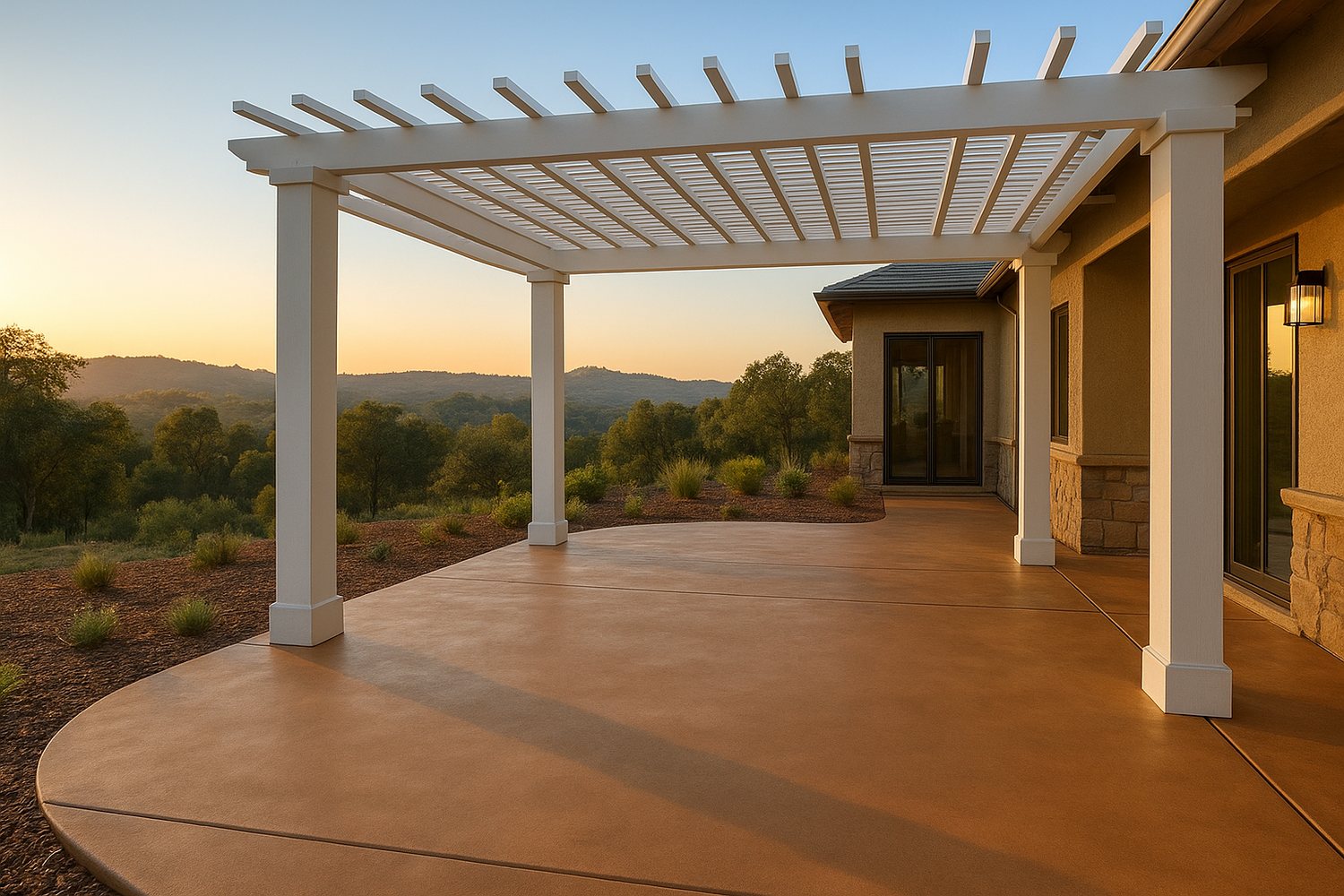
    Integral color concrete means the pigment is blended into the concrete mix before it’s poured. This produces a uniform color all the way through the slab. It’s the most seamless way to color concrete and doesn’t flake or wear off as the surface ages, making it reliable for high-use areas.

    Available in a broad spectrum, including the earthy tan, subtle gray, and soft pastel tones that blend perfectly with local landscaping, integral color is a favorite for patios and walkways. In the intense summer sun and with seasonal weather swings in Rocklin and surrounding communities, it keeps its color longer than surface treatments.

    A big advantage is low maintenance—chips or minor cracks don’t reveal a gray base. However, the color is typically more muted than the bold, dense colors possible with hardeners and stains. It’s a strong, understated look for most residential projects.

    • Consistent color all through the slab
    • Low maintenance, hides minor wear
    • Not as vibrant as other color options

    Want more details about concrete pigments? Visit ourColored (integral color) concretepage for an in-depth look at local options.

    Understanding Color Hardeners

    Color hardeners are powder pigments broadcast onto freshly poured concrete, then worked in by trowel — right before finishing. They provide an intense, durable surface color that resists wear and stains, making them ideal for heavy activity areas like driveways and pool decks.

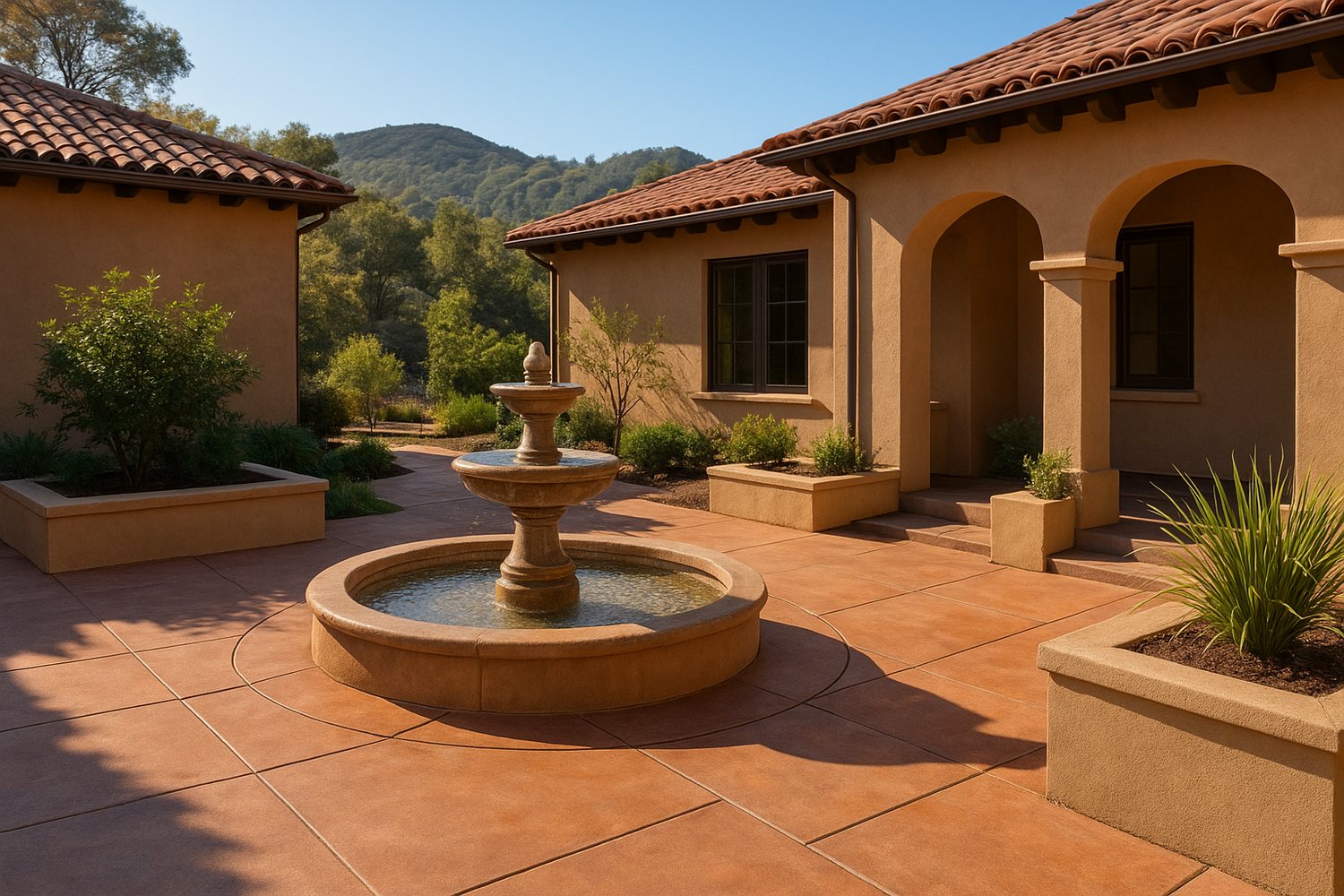
    This method lets you achieve a broader range of vibrant hues and sharper contrasts (think deep charcoals, terracottas, and vibrant taupes). It can also increase surface strength, which is a plus for resisting abrasion. Traditional color hardeners are a go-to for stamped concrete, where a richer, more dramatic color palette makes textures pop.

    But color hardeners only affect the top layer (about 1/8 inch). Deep chips or cracks can reveal the plain concrete beneath, which can matter on slabs that might flex or see lots of shifting. Maintenance and occasional touch-ups are more likely in our area’s temperature fluctuations.

    • Best for vibrant, dramatic color
    • Adds surface hardness and stain resistance
    • Surface-only; not through-and-through

    When to Choose Chemical Stains

    Stains react chemically with concrete to create translucent color that mimics natural stone or leather. Acid or water-based stains are often used as accents or to rejuvenate existing concrete surfaces — including patios, entries, or pool surrounds.

    Chemical stains deliver unique, variegated looks you can’t get with other coloring methods. They’re ideal where you want character; every slab takes stain a little differently due to local concrete mix differences and weathering (something to consider for color expectations).

    Stains do best on well-prepped surfaces and require a protective sealer, especially to handle the heat, dust, and heavy use common in Folsom or Granite Bay. They aren’t designed to mask flaws or old repairs, and deep restoration work may still reveal visual inconsistencies.

    • Great for custom, organic looks
    • Can revive existing plain concrete
    • Needs resealing and good prep
    FeatureIntegral ColorColor HardenerStain
    Color LocationAll through slabSurface onlySurface only
    Color RangeSubtle, earthy tonesBold, vibrantVariegated/translucent
    DurabilityHigh (even if chipped)Very good, chips show grayGood, fades if unsealed
    MaintenanceLowModerateRegular sealing
    Best ForPatios, walkways, broad slabsDriveways, stamped texturesAged/concrete accents

    Key Differences at a Glance

    Comparing these coloring options side by side can help clarify the right pick for your space. Here’s how they stack up in durability, look, and care requirements.

    Not every project needs the most intense color or the lowest maintenance—sometimes it’s about matching existing stonework, or ensuring mid-yard walkways look good despite pets or weather. A table makes it easy to weigh those priorities.

    Use the table below to sort out which method fits your vision and the real demands of your home.

    • Match color depth to use
    • Consider maintenance for each option

    How Site Conditions Shape Your Choice

    In our region, hot summers and winter rains mean surface durability and colorfastness are especially important. Driveways in Auburn or pool decks in Granite Bay take beating from both UV rays and winter runoff.

    Integral color stands out where weather extremes might crack or chip the surface: the color is inside, so repairs are less visible. Hardener is great for heavy-use slabs, but may require spot touch-ups if chipped. Stains can fade if not resealed, especially in fully exposed areas.

    For shaded patios or lower-traffic garden paths, stains or softer-toned integral color can create warmth without the maintenance of touch-ups. Always consider both foot traffic and sun exposure before making your call.

    • Match color method to sunlight and use
    • Weather extremes can cause wear
    • Repairs show less with integral color

    If you’re curious about every concrete finish we offer, check out ourConcretehub to see what suits your project best.

    Cost, Maintenance, and Longevity

    Integral color adds the least to concrete maintenance; sweeping and the occasional wash is usually it, and chips or minor cracks remain less obvious. Stains demand reapplication of sealer to hold color, especially on decking and patios.

    Color hardener may require touch-ups for chips or deeper cracks, but offers stronger resistance to stains from BBQ grease or pool chemicals—a plus for outdoor cooking or splash zones. Choose based on where you want less maintenance down the road.

    Factor in both initial costs and long-term care. Sometimes the simpler solution can mean bigger savings on upkeep, especially in outdoor living spaces exposed to Rocklin’s sun and wind.

    • Integral: very low maintenance
    • Hardener: durable but can chip
    • Stain: needs regular resealing

    True-to-Life Color Choices for California Homes

    Homeowners in the Sacramento area often want hardscape colors that blend with natural soil, stone, and landscaping. Warm grays, taupes, and adobe tones create inviting outdoor rooms and striking curb appeal.

    Integral color tends to offer those softer, sand-inspired grays and browns found in Placer County yards. Color hardeners add punch where bold contrast is needed — ideal for stamped medallions or feature steps. Stains are best for custom highlights and mixing old with new work.

    Work with a contractor familiar with local materials to preview real sample boards. In our dry, sun-bright region, sample colors can appear lighter once poured and finished outdoors.

    • Match hardscape to local landscape
    • Integral blends for subtlety
    • Hardener or stain for bold choices

    Making Your Concrete Color Decision

    Think about your space honestly — do you want minimal future care, or a truly custom color? Does longevity in the face of weather and heavy traffic matter most, or is accenting with artistic touches your top hope?

    No option fits all: integral color shines when seamless, reliable coloring is key; color hardener wins for surface strength and vibrant hues; stains fit unique, rustic, or aged looks. Local experience counts, as different soils, grading, and sunlight all impact the right choice.

    If you’re torn, consult with a team that understands both materials and the demands of our foothills climate. A little planning now sets up a project that matches your taste and lasts for years.

    • Prioritize your maintenance needs
    • Factor in sun and shade
    • Ask for local color references

    Ready to start a project? Request your personalized design consultation by reaching out through ourconsultation form.

    Colored (integral color) concrete: see the full guide to colored (integral color) concrete, or browse every concrete option.
    Your project

    Planning a concrete project?

    Call or text 916-741-0633, or email sales@californiahardscapes.com with your address, a short description and a few photos, and we will arrange a consultation.
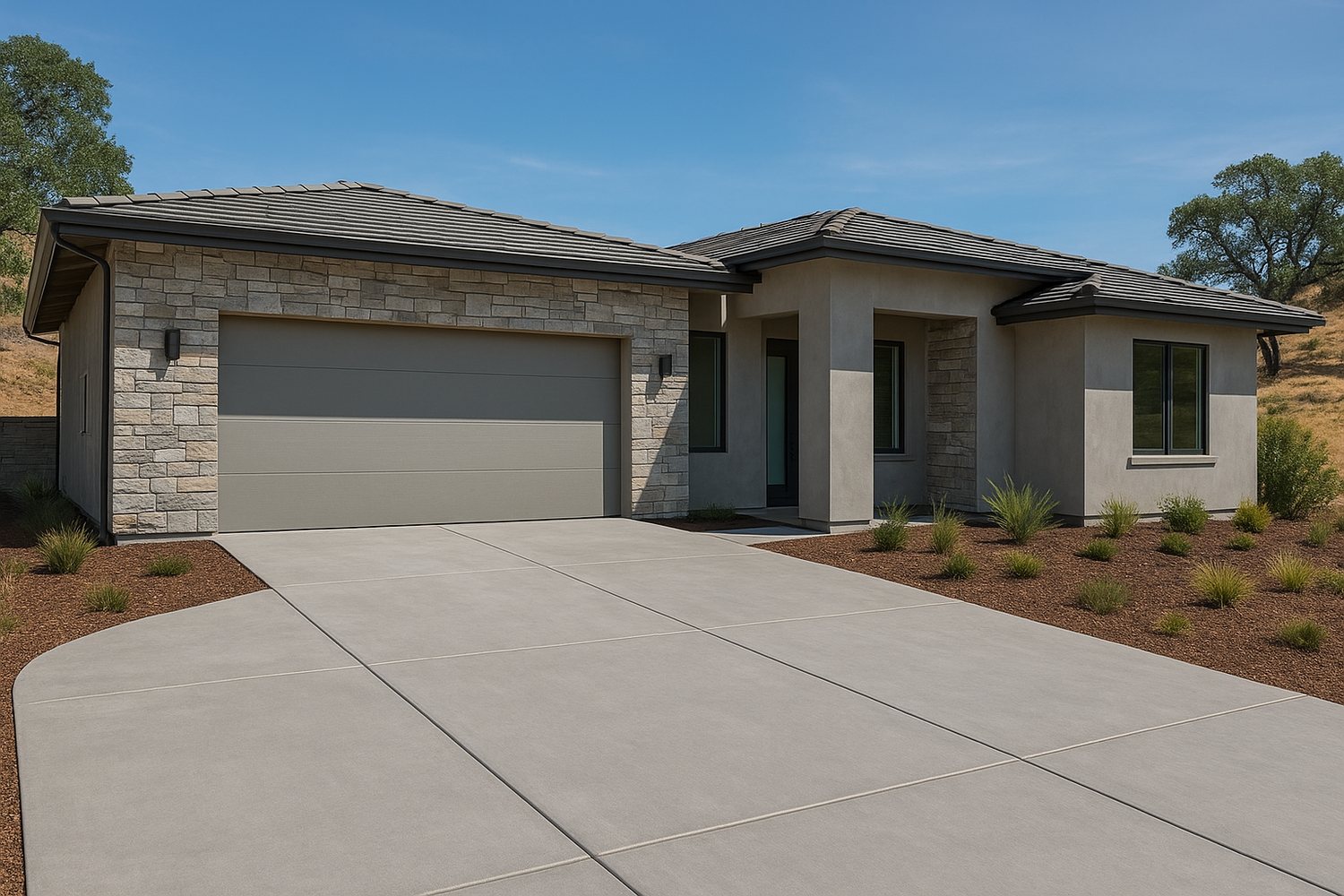
  • Caring for Colored Concrete: Keep It Beautiful in Northern California Sun

    Caring for Colored Concrete: Keep It Beautiful in Northern California Sun

    Integral color concrete delivers warmth and beauty, blending perfectly into Northern California landscapes. Knowing how it ages—and how to maintain it—preserves your home’s curb appeal for years.

    Why Choose Integral Color Concrete?

    Integral color concrete means pigment is mixed throughout the concrete, not just applied on the surface. This creates a rich, consistent hue that’s built to withstand weather and wear. It can accent your home’s palette and bring a designer finish to walkways, patios, drives, and pool decks.

    Homeowners across Rocklin, Roseville, Granite Bay, and the foothill communities often choose colored concrete for its enduring good looks. The color resists chipping or peeling and won’t wash away. Still, like any outdoor material, it evolves with time and exposure.

    The climate in Placer, Sacramento, and El Dorado counties means long stretches of sun, seasonal rain, and some freeze-thaw cycles. Understanding the difference between integral color and topical stains helps you make the best material choices for your home.

    • Color is blended through entire slab
    • Can mimic stone, earth, or any palette
    • Less risk of fading or flaking compared to surface-applied color

    To learn more about color options and custom finishes, visit ourColored (integral color) concretepage.

    What the Sun Does to Colored Concrete

    Here in inland Northern California, UV rays are intense from spring through fall. Over years, strong sunlight can gradually lighten integrally colored concrete—especially reds, browns, and some earthy tones.

    Unlike painted or topically stained concrete, fading on integral color happens slowly and evenly. Even so, areas in full sun typically lighten more than shaded sections. Pool decking and south-facing patios feel this most, while covered areas hold color better.

    Occasionally, minerals in irrigation water or mild surface wear may further shift or dull certain colors. The effect is seldom dramatic with integral color, but it helps to know what to expect—and how to care for your investment.

    • Sun and shade create gradual color variation
    • Earthy tones mellow gently over time
    • Wear and water exposure can impact appearance

    How Even Color Changes as Concrete Ages

    In our region’s dry, hot summers and occasional wet winters, colored concrete gradually “patinas”—meaning subtle, natural shifts in appearance. Over several seasons, the surface develops character, sometimes with increased contrast between sunny and shaded spots.

    Lighter shades show less visible fading, while deeper or richer pigments may become more muted on surfaces that catch a lot of sun. Foot traffic or moving patio furniture can boost this effect by polishing some areas and scuffing others.

    Knowing this helps set realistic expectations. Most homeowners appreciate the timeless, lived-in look colored concrete develops. Regular, light care helps keep these changes attractive and consistent, instead of patchy or uneven.

    • Natural patina forms over years
    • Dark or bold colors mellow most noticeably
    • Uniform care prevents “blotching” or abrupt changes
    FeatureIntegral Color ConcreteTopical StainsUncolored ConcretePaver Alternatives
    Color throughout slabYesNoNoN/A
    Fades in sunSlowly, evenlyRapidly, surface onlyN/AStays true
    Prone to peelingNoYesN/ANo
    Maintains appearanceWith careRequires recoatingCan stainRequires releveling
    Blends in with landscapingYesOftenLimitedVaries

    Easy Steps to Maintain Even Color

    Routine care makes the difference between a patchy, faded surface and a gracefully aging, even-colored patio or pathway. The basic approach: keep surfaces clean and protected, especially from standing water and heavy dirt.

    Rinse or sweep debris away monthly. Avoid harsh chemicals or power scrubbing, as these strip the concrete’s surface and can accelerate color loss. Instead, use mild soap and a soft bristle broom for buildup or stained areas.

    Most important: reseal the surface every two to four years with a high-quality penetrating sealer. This guards against UV, water, and staining, helping the color age gracefully and more evenly, even in bright summers.

    • Rinse dirt and dust regularly
    • Mop spills promptly to avoid staining
    • Reseal every 2–4 years for best protection

    Selecting the Right Sealer for Local Conditions

    The sealer you choose should suit our specific climate—hot, dry spells with periods of rain and sometimes hard water. Penetrating (silane/siloxane) sealers usually work best for colored flatwork exposed to sun, as they protect without adding gloss or slipperiness.

    Glossy film-forming sealers may be used when a deeper “wet look” is desired, but they need more frequent reapplication and can be slippery when wet, especially around pools or shaded entries.

    Always check that the product is intended for colored or decorative concrete, and consider local advice—materials stores in Rocklin, Roseville, and Folsom will stock sealers matched to our region’s temperatures and precipitation.

    • Prefer silane/siloxane for lasting UV protection
    • Film-forming sealers require more upkeep
    • Confirm sealer is compatible with colored concrete

    For an overview of all available concrete choices from basic to decorative, visit ourConcretesection.

    Dealing With “Blotchy” or Uneven Color Over Time

    If your colored concrete starts showing rapid changes, patchy fading, or visible residue from sprinklers or leaves, early intervention is key. Most issues stem from water deposits, mildew, or missed resealing cycles.

    Cleaning with a gentle, pH-neutral cleaner (never acid!) usually lifts most stains. Persistent calcium deposits from irrigation can be managed with specialty removers designed for concrete, available at regional building supply outlets.

    For deeper, widespread color shifts, professional cleaning and resealing may restore appearance. In rare cases, a compatible color-refreshing stain can unify the surface. Always test a small area first to ensure good results with your existing color.

    • Promptly address stains to prevent set-in marks
    • Consult a pro before attempting color refreshes
    • Protect edges near lawns and gardens from irrigation runoff

    Concrete Color Choices for the Foothill Climate

    Some color pigments naturally hold up better in our region’s climate. Earthy taupes, sand, and medium grays tend to weather more gracefully, showing less visible change, even after years of sun.

    Bold colors—such as deep reds or rich browns—may mellow somewhat but still provide pleasing contrast to landscaping. If you want a low-maintenance, timeless appearance, consider mid-range hues or blended aggregates for additional texture.

    Ask your contractor about color samples that have aged outdoors so you can preview the typical patina over time. Regional suppliers will know which colors are most stable for Placer and Sacramento counties.

    • Softer tones are more forgiving as they age
    • Blended or lightly textured surfaces hide minor changes
    • Ask for sample slabs or chips aged outdoors

    When to Refinish or Restore: Signs to Watch For

    Eventually, even well-kept colored concrete may show signs it’s time for deeper maintenance. These include widespread fading, uneven patches, or surface wear beyond what resealing can address.

    Light scratches and minor dullness respond well to cleaning and resealing. But if the color looks uneven despite good care, or if the surface becomes rough—especially at control joints—it may be time for professional assessment and possible refinishing.

    Regularly inspect for cracking, spalling, or pitting, especially in exposed areas. Early action preserves the concrete’s structural and visual integrity, maximizing the lifespan of your investment.

    • Uneven color or rough texture signals deeper maintenance needs
    • Routine resealing extends surface life
    • Professional help can restore color uniformity in tough cases

    For tailored advice and a site-specific assessment,request a consultationwith California Hardscapes.

    Colored (integral color) concrete: see the full guide to colored (integral color) concrete, or browse every concrete option.
    Your project

    Planning a concrete project?

    Call or text 916-741-0633, or email sales@californiahardscapes.com with your address, a short description and a few photos, and we will arrange a consultation.
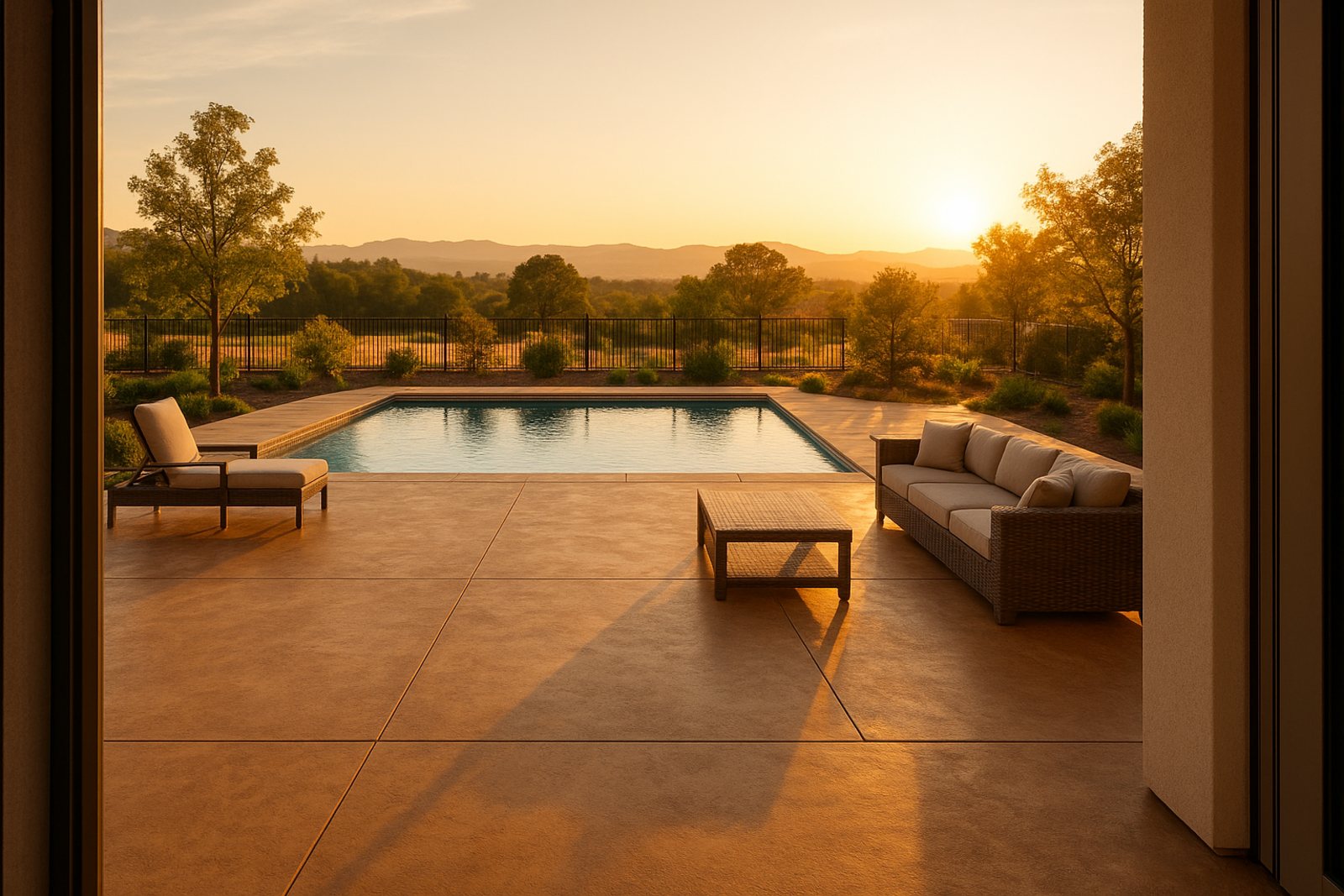
  • Choosing the Perfect Integral Concrete Color for Your California Home

    Choosing the Perfect Integral Concrete Color for Your California Home

    Getting colored concrete right means thinking beyond the shade itself and considering how it fits into the big picture—your roof, stucco, stone, and landscaping. Here’s what matters most for choosing a concrete color that truly elevates your Northern California property.

    Concrete Color and Your Home’s Big Picture

    Concrete is lasting. Whether you’re pouring patios, walkways, or pool decks, the color you pick needs to coordinate with your home’s major exterior features. This means taking a good look at your roof, stucco, stone, and the natural hues in your landscaping—all in our region’s strong and sunlit light.

    Integral (through-body) concrete color has benefits over surface color, but matching it right matters more for your end result. A balanced palette can pull together your architecture and outdoor living spaces, giving your home a premium, well-planned look from the curb.

    When homeowners in Rocklin, Roseville, Granite Bay, Folsom, and Auburn weigh options, it’s not just about picking a color you like in isolation. It’s aligning every major element for harmony. Give yourself the time to survey your property in morning, midday, and evening light.

    For more details, see our mainColored (integral color) concretepage.

    Working with Your Roof’s Color

    Roofs dominate the first impression of a house from the street and above. In our region, you’ll see everything from concrete tile to composition shingles in earth tones, neutrals, and the occasional deep or warm red.

    If your roof is warm-toned (such as clay tiles or brown composites), concrete in tan, warm gray, or buff complements it well. If your roof runs cooler or dark—like charcoal—pale grays and cool taupe concrete colors tend to blend, not clash.

    Try not to match your roof color directly—your outdoor hardscapes look richer when they’re coordinated but distinct. Look at roof color swatches in shade and sunlight, and bring samples of concrete color outside to view them together.

    • Warm roofs: Buff, sand, warm gray work well
    • Cool/dark roofs: Charcoal, taupe, or silver-gray concrete complements
    • Avoid 1:1 matching for best curb appeal

    Stucco and Concrete: Finding the Middle Ground

    Most California homes use stucco in beiges, creams, whites, or contemporary greys. The key: create a link between your vertical surfaces and horizontal hardscapes without looking “matchy.”

    Look for a complementary tone instead of aiming for a direct match. For beige or tan stucco, drift toward oatmeal or pastel integral colors. For gray stuccos, try cooler, subtle concrete grays or greiges.

    Natural stucco lightens over time in our sunny, dry climate, while integral color in concrete will also fade gradually. Plan for long-term harmony—pick concrete that leans lighter if you want a timeless look that still works as both materials age.

    MaterialWarm ColorsCool ColorsNeutral ColorsBest Concrete Color Matches
    Roof (clay tile)Buff, tanN/ALight taupeSand, warm gray
    Roof (composition shingle)BrownCharcoal, slateTaupeTaupe, light gray
    Stucco (beige/tan)Oatmeal, sandN/AGreigeBuff, cream
    Stone (golden/rust)Honey, sandN/ALight brownHoney, sand
    Stone (gray/blue)N/APewter, silverGrayPlatinum, slate

    Blending Concrete with Stone Accents

    Stonework—whether masonry veneer, retaining walls, or a statement chimney—often has a range of color tones in a single block or flagstone. Anchor your concrete shade to the dominant, not the accent, color in your stone.

    If your stone has warm golden or rust undertones, a sand or honey concrete color can work effortlessly. Bluestone, slate, or cool fieldstone? Stay with cooler grays for a subtle, blended effect.

    Mixing too many colors weakens the design, so stay within two (max three) major material hues on your property. Use color samples side by side—sunlight and even seasonal shadows in Placer or Sacramento County can change things.

    • For golden/rust stone: Honey or sand concrete
    • For gray/blue stone: Pewter, platinum, or slate concrete
    • View all materials side by side in natural light

    Considering Your Landscape and Sun Exposure

    Yards in Rocklin and Folsom mean big sun, drought-tolerant plantings, and sometimes oaks or pines. Whatever you grow outside, your landscape palette influences how concrete color looks day-to-day.

    Plants with lots of green contrast beautifully with warm tan or taupe concrete, keeping things lush. Drier, sage-forward landscapes benefit from cool, silvery concrete to maintain a cohesive drought-ready feel.

    Keep in mind that bold integral colors (like deep red or dark brown) show dirt and fading more quickly. For high-exposure patios, softer mid-tones look cleaner longer—and are easier to refresh down the road.

    Explore all your options on ourConcrete overviewpage.

    Integral Color vs. Surface Treatments: Pros and Cons

    Integral color means pigments are mixed into the concrete before placement, so color runs all the way through. Surface treatments such as stains or color hardeners only affect the top layers, and can wear away or look patchy over time.

    For lasting quality in Northern California’s climate—hot, dry summers and wet winters—integral color stands up better to scratches, weather, and routine use. That means fewer touch-ups for your walkways and patios.

    However, integral color offers fewer bold or custom effects compared to surface-applied treatments. Go with integral for subtle, uniform colors; consider surface treatments if you want dramatic effects or depth variation, knowing they need more maintenance.

    Test Before You Pour: Real-World Sampling

    Color charts and online images are helpful early on, but viewing actual samples in place is the only way to see how hues shift against your home and landscape. Ask your contractor to provide real poured samples, not just chips or powder.

    Review these poured samples outdoors at different times of day. California sunlight from morning to sunset will bring out undertones you may not see indoors or on overcast days.

    Don’t rush this stage—even a little difference in shade can have a big payoff over years of use. Taking the time for site-specific sampling ensures you’ll enjoy the look of your new concrete in every season.

    • Always sample hues on site
    • Check samples in full and dappled sun
    • Ask for poured mock-ups, not just color cards

    Getting Decision Help: Work with Knowledge, Not Haste

    Integral concrete color is permanent, so professional input really matters for both looks and longevity. An experienced contractor—especially one with deep local knowledge—will understand how colors perform in our Placer and Sacramento context.

    When evaluating samples, insist on clear communication about what works best with your materials, not just what’s available out of the mix truck. The right tradesperson knows how mix, pigment, water, and finish all impact final color.

    If you’re ready to discuss options, bring reference swatches and photos of your home to your first meeting. Being prepared ensures you avoid costly regrets, and that your new hardscape stands the test of time across our region’s changing light and seasons.

    Ready to talk?Request a consultation by email.

    Colored (integral color) concrete: see the full guide to colored (integral color) concrete, or browse every concrete option.
    Your project

    Planning a concrete project?

    Call or text 916-741-0633, or email sales@californiahardscapes.com with your address, a short description and a few photos, and we will arrange a consultation.
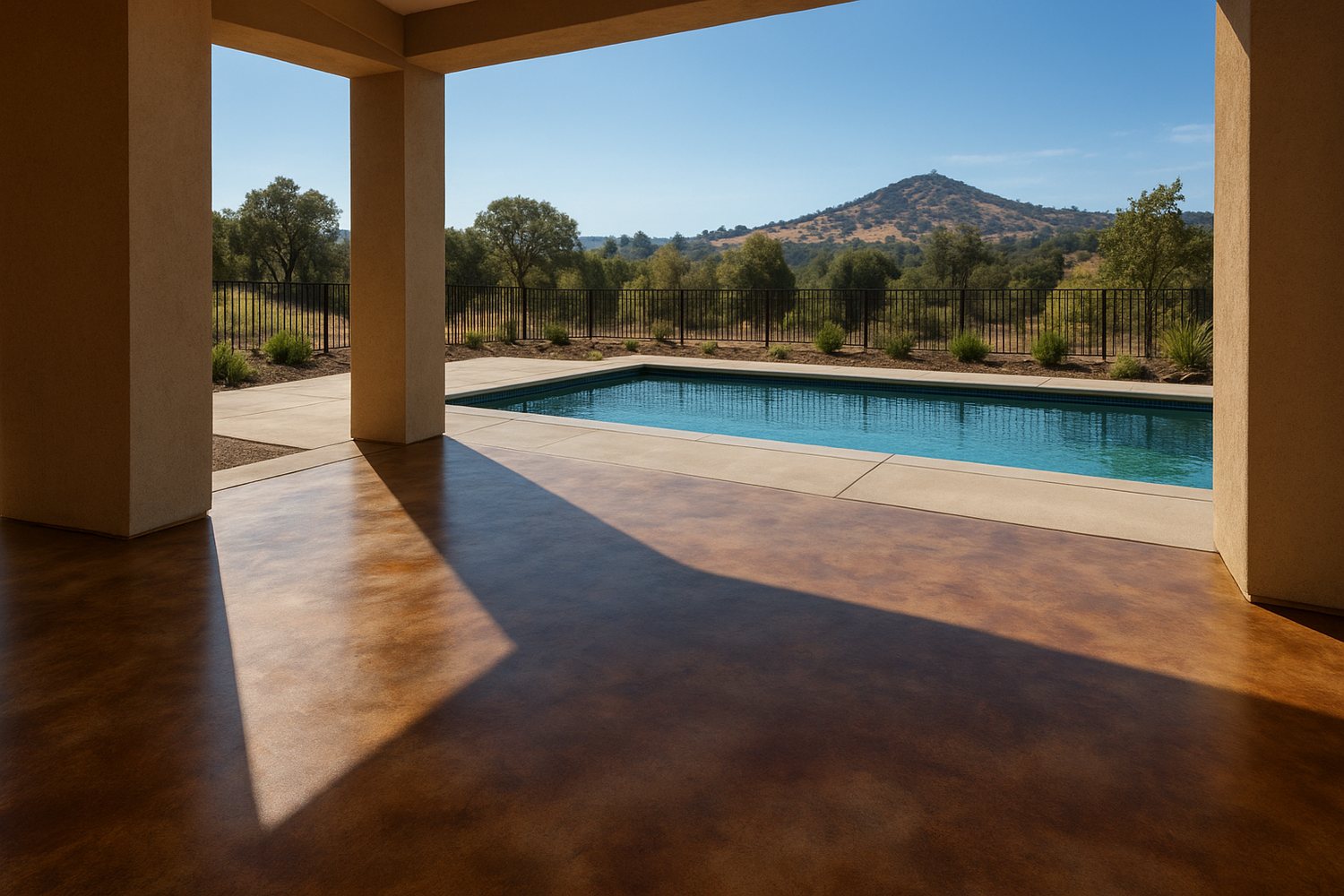
  • How to Protect Stained Concrete in Sacramento-Area Backyards

    How to Protect Stained Concrete in Sacramento-Area Backyards

    Stained concrete can transform a patio or pool deck, but lasting beauty takes the right care. We explain what actually works in Northern California conditions.

    What Makes Stained Concrete Different?

    Stained concrete, whether acid or water-based, offers rich, lasting color that can mimic natural materials or go bold with modern tones. The slab itself is your color canvas: stains react with or penetrate the concrete for effects paint can’t match. Homeowners in Rocklin, Roseville, and surrounding areas choose this finish for patios, pool decks, and walkways that look custom, not just functional.

    Unlike surface coatings, stains integrate into the concrete’s top layer. Acid stains chemically react for a mottled, often translucent look; water-based stains provide a wider palette and can create more consistent, opaque tones. Both options let you create unique designs, but each needs care to stay vivid.

    This color isn’t just on the surface—it becomes a part of your patio or pool deck. However, because the color is in the concrete itself, it relies on a protective layer on top. Without thoughtful upkeep, stains can fade or suffer from local climate challenges.

    Learn more about the process and options on ourStained concrete (acid and water-based)page.

    The Enemies: UV Rays, Pool Chemicals, and Foot Traffic

    Our Sacramento Valley sun is powerful. Unprotected, concrete stains can fade or yellow from constant UV exposure. Add in pool chemicals—from everyday splashes of water treated with chlorine or salt—to the mix, and there’s an increased risk of discoloration or even surface breakdown near water features.

    Foot traffic is another steady stress. Dusty shoes, dragging patio chairs, and even playful pets keep the surface under abrasion. Over time, grit works like fine sandpaper, wearing down the sealant and exposing the stain to air and moisture.

    Recognizing these threats lets you plan for protection, rather than waiting for damage. In our area’s dry, sunny summers and cooler, damp winters, staining is just the beginning. The steps you take after installation matter just as much for long-term results.

    Sealing: Your First Line of Defense

    A high-quality concrete sealer is essential for keeping stains vibrant and protected. Sealers form a clear barrier against both UV rays and chemical exposure. Most stains need sealing soon after application, and resealing at intervals recommended for our climate.

    In the Rocklin region, acrylic sealers are common—they dry quickly, give a low-gloss to glossy finish, and are easy to refresh. Water-based sealers offer lower gloss and stronger chemical resistance. A top-notch application is key: poor technique leaves streaks and weak spots where water and sunlight get in.

    For pool decks, slip-resistant additives can be mixed into sealers to help with safety. Consult with pros who understand regional weather and pool use when choosing a sealer: not all products handle the stress of constant sun and chlorinated water equally well.

    • Seal after new staining and reapply every 18–36 months
    • Pick slip-resistant options for pool decks
    • Check for water beading—if not, it’s time to reseal
    FeatureAcid StainWater-Based StainBest ForCommon Maintenance
    Color EffectMottled, translucentSolid, broad palettePool decks, patiosSweep, reseal every 1–3 years
    UV ResistanceGood (with sealer)Good (with sealer)Outdoor useInspect for fading
    Touch-UpDifficult, must blendEasier, can reapplyWalkways, repairsSpot fix possible
    Sealer NeededAlwaysAlwaysAll surfacesMaintain every few seasons

    Routine Cleaning: Preventing Wear Before It Starts

    Outdoor stained concrete benefits from regular, simple cleaning. Sweeping or blowing debris off keeps grit from grinding into the sealer, especially in high-traffic zones or after windy days. For built-up grime, a gentle wash with a garden hose or a mop and mild soap is sufficient—no harsh chemicals needed.

    Pressure washers are usually safe on sealed stained concrete if used at the right setting, but test a small area first. Avoid aggressive tips or very high pressure, which can etch or remove the color. Never use acidic cleaners (apart from specialized products) since they can disrupt both sealer and stain.

    Quick attention to spills—such as pool chemicals, drink stains, or wet leaves—prevents etching or staining. For areas near pools or lawns, regular rinsing helps prevent chemical deposits from collecting and dulling the look of your concrete.

    • Sweep or blow debris weekly
    • Rinse after pool use or storms
    • Use mild soap solutions and soft brushes

    Maintenance Dilemmas: Acid vs. Water-Based Stains

    Both stain types need protection, but maintenance can differ slightly. Acid-stained concrete is more mottled and less prone to uniform fading, but can reveal wear in high-traffic or sunny areas. Water-based stained concrete offers even color, but sometimes shows scratches or dull spots more quickly.

    Because acid stains are a chemical reaction, damaged areas are tough to touch up for a seamless look. Water-based stains, in contrast, can sometimes be reapplied or feathered for minor repairs. In either case, resealing is your main shield, especially for poolside applications.

    Understanding these differences helps guide recoat and cleaning strategies. When unsure how to address a spot, consult with concrete specialists who handle both stain types in our climate.

    See all of ourConcretesurfaces and finishes for outdoor living areas.

    Sacramento-Area Factors: What Local Homeowners Should Know

    Hard water and dust, both typical here, challenge outdoor concrete. Mineral buildup from sprinklers or pool overspray can leave marks, especially if left to bake in the sun. It’s wise to regularly rinse off stones or concrete borders where sprinklers hit, and avoid fertilizer spills.

    Winter moisture and temperature shifts can also test your sealer. Check in early spring for clouded spots or areas where water no longer beads—signs it’s time to reseal. Proactive care avoids bigger repair costs down the line as weather extremes break down unprotected surfaces.

    In some neighborhoods, trees drop leaf tannins that can temporarily stain unsealed areas. Clean up plant debris promptly, and if you notice persistent discoloration even after cleaning, it may be time for a new coat of sealer.

    • Rinse surfaces where sprinklers overshoot
    • Watch for fertilizer and leaf stains in autumn
    • Inspect sealing in spring and late summer

    How to Handle Minor Issues: Touch-Ups and Repair

    Light scratches or dull patches can often be improved with simple cleaning and resealing. For more visible color loss, check whether you have acid or water-based stains. Minor touch-ups on water-based stained concrete can be DIY-friendly using matching stain and careful blending, but bigger issues call for a pro.

    Acid stains are harder to patch, due to their unique, one-time chemical reaction with the concrete. If you see chipping, peeling, or severe discoloration, it’s best to consult with a contractor—sometimes, a partial refinishing is required for a consistent appearance.

    Keep in mind that over-sealing (applying too many layers or too often) can cause a cloudy finish. Always follow the original product recommendations, and remember: a careful approach preserves both the look and safety of your outdoor concrete.

    Long-Term Results: Invest in Durable Beauty

    Stained concrete is an investment, enhancing both curb appeal and outdoor living. In the microclimates of Granite Bay, Folsom, Auburn, and nearby, the combination of a proper stain, the right sealer, and sensible cleaning keeps patios, walkways, and pool decks fresh year after year.

    Smart maintenance is not just about immediate appearance—long-term, it protects the underlying concrete, too. By guarding against water intrusion and chemical damage, you’re helping maximize the lifespan of the slab beneath the color.

    If you’re weighing options, remember: an ounce of care now saves the cost and hassle of major repairs later. Most homeowners who keep up with a simple cleaning and resealing schedule rarely need invasive fixes.

    Have questions about your project?Request a consultationwith our team today.

    Stained concrete (acid and water-based): see the full guide to stained concrete (acid and water-based), or browse every concrete option.
    Your project

    Planning a concrete project?

    Call or text 916-741-0633, or email sales@californiahardscapes.com with your address, a short description and a few photos, and we will arrange a consultation.
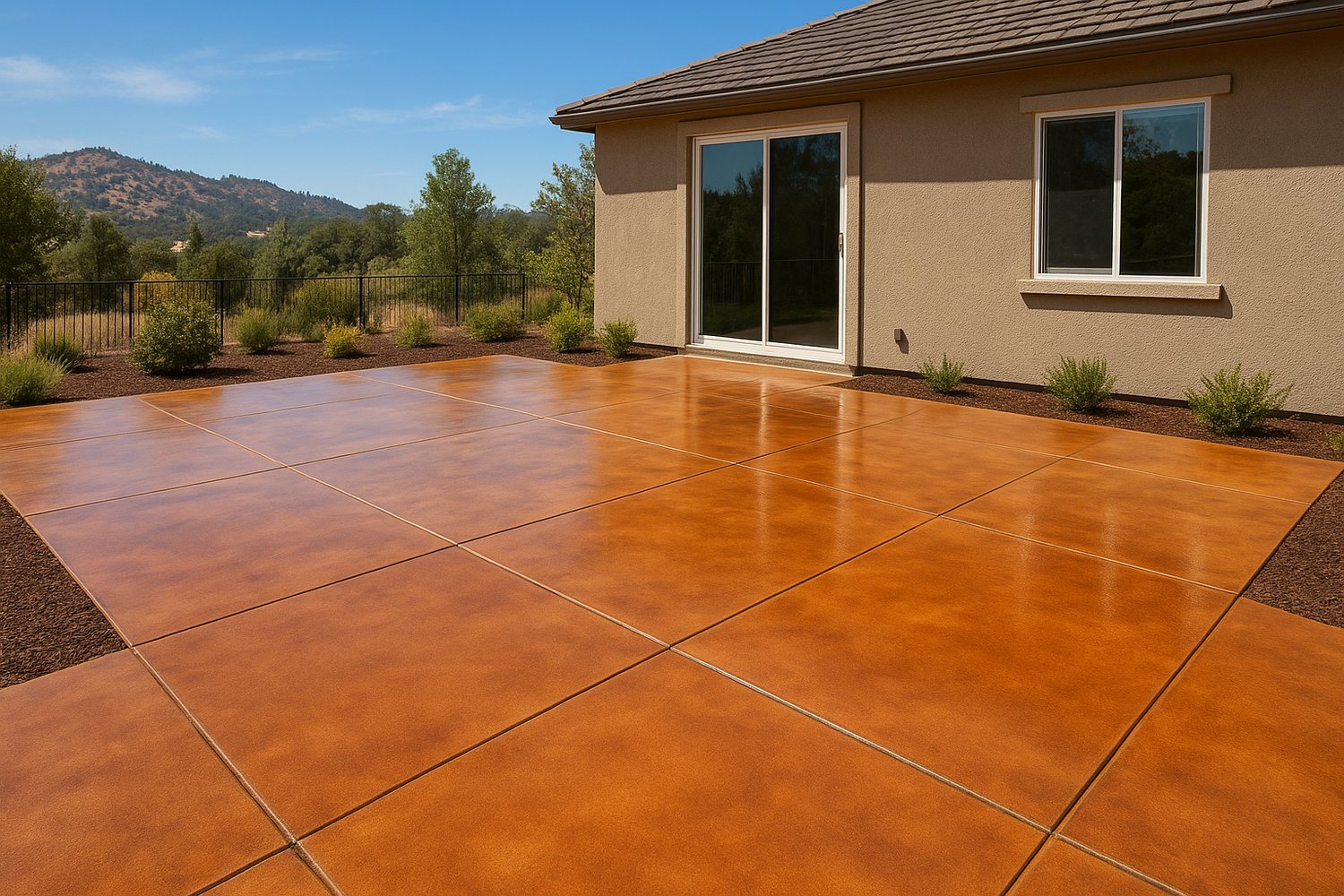
  • Stained Concrete Design: Custom Patterns, Borders, and Color Effects

    Stained Concrete Design: Custom Patterns, Borders, and Color Effects

    Stained concrete isn’t just a floor—it’s a canvas. With the right design techniques, it can become a showpiece for your outdoor living space.

    Why Stained Concrete—And Why It Matters Here

    Stained concrete has moved way past the garage floor look. Whether you’re in Rocklin, Roseville, or Folsom, more clients are looking to elevate their patios, pool decks, and entryways with custom stained designs. It’s about curb appeal and long-term value close to home.

    Because our region deals with hot, dry summers and occasional freeze-thaw in winter, stained concrete with the right prep and sealer can deliver color that lasts. Both acid and water-based stains penetrate deeply, helping resist fading and mottling in our strong sun.

    A professional install lets you blend function and design for the local landscape. That means minimal maintenance and patterns or borders that won’t look dated—built to stand up to daily life and our Sierra Foothill climate.

    Get more detail on acid and water-based systems on theStained concrete (acid and water-based)page.

    Acid vs. Water-Based Stains: Choosing the Right System

    Acid-based stains react with minerals in the concrete, creating natural-looking, variegated color—think leather tones, earth shades, and permanent marbling. Water-based stains offer a wider choice: modern grays, earthy reds, soft greens, or nearly any custom tint.

    Consider how intense you want the color and what your existing concrete offers. Newer slabs often take either type; older concrete may respond best to water-based for evenness. For high-traffic pool decks or patios, slip resistance also matters—some water-based finishes take additives for safety.

    There’s no one-size-fits-all answer. Your goals, surface, and sun exposure will help determine the right stain type. Ask about samples and test spots to see real results on your concrete before you commit.

    • Acid stains: permanent, variegated, best with natural palettes
    • Water-based stains: wider color options, more predictable results
    • Both work well for local outdoor installs with proper prep

    Scoring Patterns: Creating Geometric Visuals

    Scoring (or saw cutting) transforms poured concrete into visually rich designs. Common approaches include grids, diamonds, running borders, large tile, or freeform sweeps. It adds subtle depth and shadow—even more so when paired with stain.

    Pattern choice depends on your home’s style, the scale of your patio or driveway, and how formal or casual you want the look. A tight 2’ or 3’ checkerboard can create a traditional effect; large rectangles or meandering curves suit modern landscapes.

    Professional scoring takes both steady hands and the right tools. Planning the pattern before staining ensures crisp lines without lost color transition, for a truly coherent, premium finish.

    • Popular: diagonal grids, borders along edges, offset rectangles
    • Works well with both acid and water-based stains
    • Scored joints can help control future cracking
    Stain TypeColor RangeFinishBest UsesUV/Fade Resistance
    Acid-BasedEarthy, naturalMottled, variegatedPatios, walkways, pool decksHigh
    Water-BasedWide (custom tints possible)Solid to translucentModern patios, driveways, indoor overlaysMedium-High
    Two-Tone BlendsCustom combosRich, layeredBorders, scored patternsDepends on sealer
    Scoring OnlyN/ADepends on finishCrack control, patterningN/A

    Two-Tone Stains and Borders: The Look of Custom Stone

    Two-tone stains highlight scored or saw-cut areas, mimicking real flagstone, slate, or tile at a fraction of the cost. Borders can define the edge of a patio or walkway, provide contrast, or visually break up large spaces.

    Experienced installers blend stains to fade softly at the joints, or apply crisp contrasting colors for drama. Borders might be a deeper brown, a subtle charcoal, or a complementary earth tone—anything but boring.

    If you want that premium look you find in custom homes locally, combining scoring and multi-tone stain is the top approach. These choices are permanent—think years, not months—with little routine upkeep.

    • Two-tone work brings depth and luxury to outdoor living areas
    • Borders add definition, structure, and a finished appearance
    • Ask about stain samples to visualize color combos outdoors

    Some Practical Decisions for Our Region

    In Placer and Sacramento counties, factors like sun exposure, irrigation runoff, and the region’s specific soil types affect how stains perform. It’s wise to use densifiers or sealers that can handle local UV, moisture, and the alkaline dust we see from nearby granite soils.

    Choosing colors that complement natural stone, wood decks, or landscaping ensures your concrete fits into the broader outdoor design and stays visually relevant over time—no trendy colors that age out too quickly.

    Practical decision making is about more than looks. Pick patterns that minimize trip hazards and maintenance, especially if you host guests or have kids and pets. Consult someone who understands how concrete design and the local climate work together.

    See all choices for your new patio or driveway on ourConcretedesign overview.

    Installation: What to Expect with Custom Stained Concrete

    After planning your design, the process starts with surface prep—cleaning, degreasing, and if needed, light grinding to open pores. Scoring or saw cutting is next, followed by careful masking of surrounding landscape features.

    Stains are usually applied in multiple passes, building up color depth and variation. After the desired look is achieved and everything’s dry, a professional-grade sealer goes on. This locks in color and guards against weather, sunlight, and stains from outdoor living.

    The entire install—from layout to final sealer—often takes several days, depending on size and weather. Clear communication and a skilled crew with local materials help ensure a crisp, beautiful result that lasts.

    • Expect several days for a typical patio or pool surround
    • Foot traffic is usually safe after 24–48 hours post-seal
    • Ask about weather timing, especially in spring/fall

    Longevity and Care: Keeping Your Stained Surface Fresh

    Good stained concrete isn’t high-maintenance, but a little care pays off. Regular sweeping and the occasional rinse keeps debris, leaves, and dust from dulling the color. For tough stains, stick to gentle pH-neutral cleaners.

    Resealing is recommended every few years in direct sun or high-traffic areas. This prevents fading and preserves the finish you picked. Always avoid harsh acids, pressure washing at full blast, or metal blades that can scrape the surface.

    If you spot cracks or issues after storms, an early repair prevents water from getting under the stain. Quality installation, solid prep, and the right upkeep will keep your custom work looking premium season after season.

    • Simple sweeping and rinsing are typically enough
    • Use mild cleaners designed for decorative concrete
    • Reapply sealer as needed for extended life

    Bringing It Home: The Design Process at California Hardscapes

    Every home and every concrete slab is different. Working with a team that actually understands the local conditions—like Marty at California Hardscapes—means your results are tailored, not one-size-fits-all.

    You’ll get upfront advice on stains, scoring, borders, and color pairings that reflect your home’s style, sun exposure, and landscape. Concrete staining is equal parts technical skill and design eye, so experience matters.

    Ready to think beyond basic gray? A consult makes it easy to visualize options and determine what’s best for your site, lifestyle, and budget. Bring us your ideas—or just your goals—and get concrete advice from a neighbor who knows this region inside-out.

    Ready to talk options for your own patio or outdoor space?Request a consultationfor practical guidance from our team.

    Stained concrete (acid and water-based): see the full guide to stained concrete (acid and water-based), or browse every concrete option.
    Your project

    Planning a concrete project?

    Call or text 916-741-0633, or email sales@californiahardscapes.com with your address, a short description and a few photos, and we will arrange a consultation.
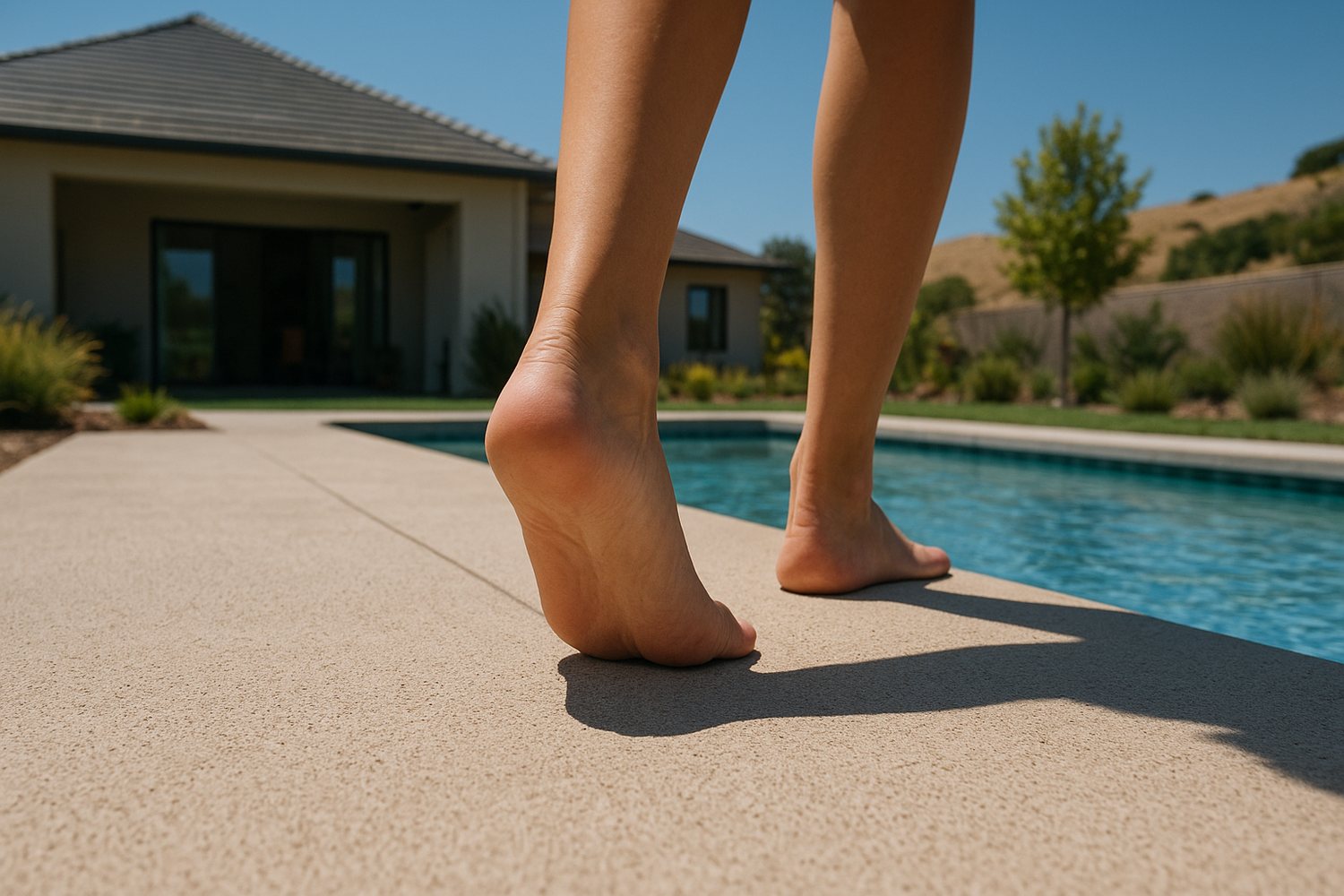
  • Acid Stain vs Water-Based Stain for Exterior Concrete, Explained

    Acid Stain vs Water-Based Stain for Exterior Concrete, Explained

    If you’re considering stained concrete for your outdoor space, you’ll face a key decision: acid stain or water-based stain. Here’s a no-nonsense guide tailored for local homeowners.

    What Is Concrete Staining?

    Concrete staining is a finishing technique that infuses color into concrete surfaces. Unlike paint, a stain soaks into the concrete, offering varied looks from translucent color washes to more opaque coverage. Outdoor spaces like patios, pool decks, and walkways benefit from stains because they combine lasting color with low maintenance.

    Two broad types of stains are used: acid-based and water-based. Each interacts with concrete in a unique way and offers a distinct palette of results. Knowing the basics can help you weigh which one best suits your project.

    In the Rocklin, Roseville, and greater Sacramento area, climate and outdoor use matter. The right stain not only enhances appearance but also stands up to our sun, rain, and swing seasons.

    • Stains become part of the surface—not a surface coating
    • Enhanced color options for patios, walkways, pool surrounds
    • A practical upgrade for new pours or existing slabs

    For a full summary on concrete staining methods, visit ourStained concrete (acid and water-based)page.

    How Acid-Based Concrete Stains Work

    Acid stains are reactive stains made with a blend of water, acid, and metallic salts. When applied, they chemically react with the minerals in your concrete, creating natural color variation and unique effects. This process produces earth-toned colors—think rusty browns, greens, and coppers, with mottled or variegated movement.

    Because acid stain colors are governed by the chemistry of your specific slab, some unpredictability is built in. No two pours or stains look exactly alike, even within the same property. The result is a one-of-a-kind finish that many homeowners appreciate for its character.

    In the Sacramento Valley and foothill regions, acid stains stand up to sun and weather, but do require proper sealing and periodic resealing to ensure longevity outdoors.

    • Classic, natural stone aesthetics
    • Permanent, non-peeling color
    • Works best on undamaged, unsealed concrete

    How Water-Based Concrete Stains Perform

    Water-based stains work by penetrating the concrete and depositing pigments, rather than reacting with the surface’s chemistry. This leads to a much broader color selection—blues, greens, charcoals, and even brighter tints are possible, alongside softer earth tones.

    Because water-based stains don’t rely on chemical reactions, what you see in the color sample is a closer match to your end result. The finish is typically more consistent across the slab, which appeals to those wanting a particular look without surprises.

    In areas around Rocklin and Roseville, water-based stains suit both older, previously stained or patched concrete, and new pours. Like acid stains, outdoor use calls for a compatible sealer to protect your investment.

    • Wider color palette
    • Consistent, predictable results
    • Suitable for new or previously stained slabs
    FeatureAcid-Based StainWater-Based Stain
    Color RangeEarthy, naturalWide (including bright colors)
    Color VariationHighly variegatedConsistent, even
    Reaction with ConcreteChemical, permanentPigment, physically bonds
    UV ResistanceVery good (with sealer)Good (rely on sealer)
    Best UseBare, new slabsNew or already stained slabs
    Application ComplexityRequires neutralizingSimpler, more forgiving

    Key Differences: Acid Stain vs Water-Based Stain

    Though both stains add color that lasts, their differences matter—especially for exterior surfaces. Acid stains react to form permanent, natural effects, but work best on clean, unsealed concrete. Water-based stains bring more color options and can cover up some surface imperfections, but may not achieve acid stain’s subtle, stone-like look.

    Longevity outdoors depends on thorough prep and the right sealer, whichever method you choose. Acid-stained slabs may need slightly more frequent maintenance where local soils or irrigation systems leave mineral deposits. Water-based stains can fade faster under intense, direct sun if not sealed correctly.

    Style, maintenance, and existing concrete conditions all play a role. Weigh these local factors carefully before moving forward—your choice will set the tone for years to come.

    How Sacramento’s Climate Affects Your Stain Choice

    The hot, sunny summers and moist winters in Placer, Sacramento and El Dorado counties put any exterior slab to the test. UV rays can break down lesser stains and cause fading if not protected with the right sealer. Acid stains tend to resist UV breakdown well, but still need a quality outdoor-rated finish on top.

    Water-based stains might show color fading sooner in full-sun installations unless the sealer is maintained. On partially shaded patios or under patio covers, this is less of a concern. Routine cleaning and resealing are key, regardless of your stain type, to keep color vibrant and slab protected.

    Pay attention to drainage, too—saturated ground, regular irrigation overspray, or winter runoff can affect how stains and sealers perform over time. A well-designed hardscape considers all these factors so your investment survives northern California’s swings.

    • Direct sun: choose UV-resistant sealers
    • Reseal every few years for best results
    • Mind irrigation and runoff for stain longevity

    Browse all ourConcrete optionsto compare surfaces for patios, pools and driveways.

    What to Expect During Stain Application

    Both acid and water-based stains start with thorough cleaning—no shortcuts here. Old coatings, moss, or oil must be removed for the stain to penetrate evenly. Sometimes this entails pressure washing and mild acid wash prep.

    For acid stains, the surface remains carefully damp during application, then neutralized and rinsed. The slab is allowed to dry fully before a sealer goes on. Water-based stains can often be applied faster, in more color layers, and require less post-stain cleaning before sealing.

    It’s important to allow proper curing and drying times for stain and sealer. Foot traffic and furniture should wait until the final coat is fully hardened, especially in our region’s breezy, dusty afternoons.

    • Surface prep is key for all stains
    • Expect a multi-day process
    • Stain, neutralize (if acid), dry, then seal

    Making the Choice: Which Stain Is Right for Your Project?

    If you lean toward the organic, stone-like look with natural color transitions, acid stain may be the better pick—especially for ground-level patios and walks designed to blend with landscaping. Its unpredictability is a feature, not a flaw, for many homeowners.

    If your wish list includes custom colors, precise patterns, or covering patched or older slabs, water-based stains give you flexibility and control. They’re great for modern designs and larger patio spaces where matching a color theme matters.

    Think about how you’ll use the space: BBQ splashes, foot traffic levels, sun exposure and irrigation patterns all influence long-term appearance. The right stain elevates your investment and highlights the best of your outdoor living.

    Next Steps: Professional Advice Makes a Difference

    Deciding between acid and water-based stains isn’t always straightforward. A conversation with someone experienced in our soils, climate and slab types can help you avoid costly missteps. You want results that are both beautiful and practical.

    A professional can evaluate your existing concrete’s porosity, previous finishes, and any problem spots before you commit. Sometimes a test patch is the smart move. A quality installation leverages both technique and local expertise.

    If you’re thinking of transforming your patio, pool deck, paths or driveway, get answers to your stain questions from someone who actually installs and maintains exterior concrete in our region—it’s worth the discussion.

    Ready for a tailored color plan?Request a consultationwith California Hardscapes today.

    Stained concrete (acid and water-based): see the full guide to stained concrete (acid and water-based), or browse every concrete option.
    Your project

    Planning a concrete project?

    Call or text 916-741-0633, or email sales@californiahardscapes.com with your address, a short description and a few photos, and we will arrange a consultation.
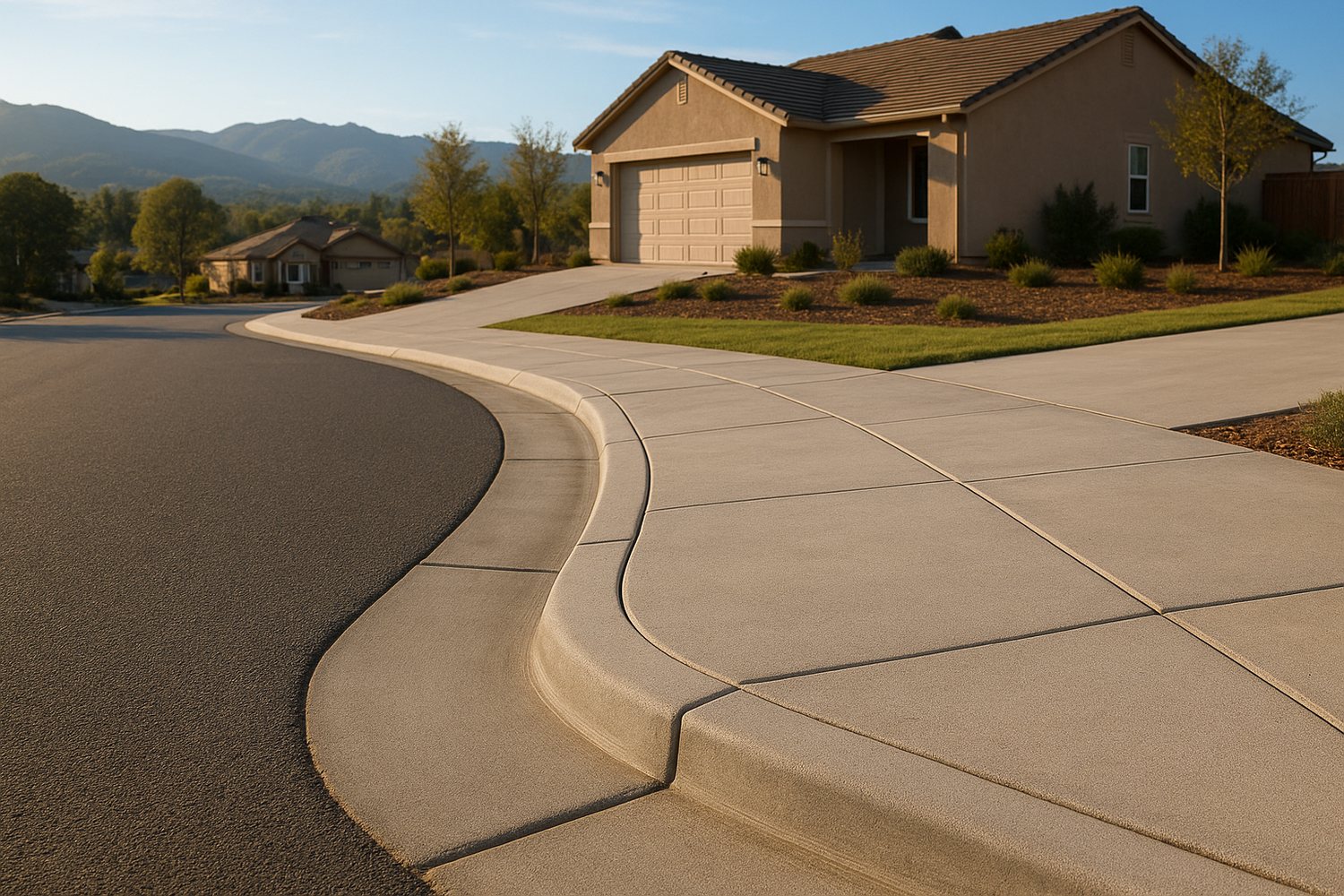
  • Salt, Sand, and Smooth-Trowel Concrete: Choosing the Right Finish

    Salt, Sand, and Smooth-Trowel Concrete: Choosing the Right Finish

    In the Rocklin area, concrete finishing isn’t one-size-fits-all. Salt, sand, and smooth-trowel offer very different looks and benefits for pools, patios, and entries.

    Salt Finish: Texture With Traction

    Salt finishes are a popular choice for pool decks and patios in our area, valued for their unique speckled surface and slip resistance. Installers broadcast coarse rock salt onto fresh concrete, press it in, then wash it away after the concrete sets. This leaves a pitted surface with small, shallow indentations.

    Salt finish concrete stands up well to our warm, dry summers and works especially well in and around pool areas where wet feet can create slip hazards. Its dotted, lightly textured look is distinctive but subtle, pairing well with many architectural styles. The salt finish is a true regional favorite among homeowners in Placer, Sacramento, and El Dorado counties.

    One caution: salt finish fares best in areas not subject to prolonged deep freezing. While that’s rarely an issue here, in higher foothill zones it’s something to discuss. Aesthetically, salt finish strikes a balance—more character than plain, but less pattern than stamped surface.

    Salt finish is textured, not rough

    Discover deeper insights and examples on ourSalt, sand and smooth-trowel finishespage.

    Sand Finish: Understated, Versatile, Modern

    Sand finish concrete uses a specialized finishing process that exposes a fine aggregate (the “sand”) beneath the surface paste. This creates a smooth-to-the-touch texture with a uniform, low-sheen appearance that feels great underfoot—one reason it’s gaining ground in modern patio and walkway designs.

    Homeowners in Roseville, Folsom, Granite Bay, and surrounding areas appreciate sand finish for its versatility. It bridges the gap between rustic and contemporary, enhancing both natural and architectural landscapes. Not as slip-resistant as salt but not as slick as a fully smooth trowel, it works well wherever safety meets style.

    If you prefer a finished surface that stands up to heavy use, keeps its looks, and blends smoothly into landscaping, sand finish is a front-runner. It’s easier to maintain than exposed aggregate and resists wear without looking “industrial.” Surface is even, elegant, and inviting under bare feet or shoes.

    Blends well with surrounding landscaping

    Smooth-Trowel Finish: Sleek, Formal, Low-Profile

    Smooth-trowel concrete, sometimes called a “hard trowel” finish, showcases a flat, refined surface. Achieved by using steel trowels after floating, this finish has minimal texture or gloss. It’s often chosen for covered patios, contemporary entryways, and home interiors—but it’s not for every outdoor situation.

    Here in Rocklin and the surrounding foothills, homeowners sometimes prefer a smooth-trowel finish for entry areas where a sleek, cohesive transition from indoors to out is desired. The look is formal, almost understated, and works beautifully with minimalist or traditional architecture.

    However, a smooth-trowel patio or pool deck comes with a caution: when wet, it can be slippery. For exposed pool decks, shaded areas where moss might grow, or anywhere regular water contact is likely, tread carefully. Maintenance and cleaning are straightforward if you use the right sealers for our local climate.

    Great for shaded patios and entries

    Comparing Salt, Sand, and Smooth: The Quick Facts

    Each concrete finish brings its own strengths and style to pool decks, patios, and entries in Rocklin, Folsom, or anywhere nearby. Deciding between salt, sand, and smooth-trowel depends on looks, slip resistance, comfort, and maintenance.

    Practical use matters: pool decks see more splashing and foot traffic, while a formal entry benefits from subtlety and symmetry. Your family’s needs—kids, pets, entertaining—also influence the best finish.

    In over three decades in concrete, we’ve helped neighbors weigh priorities and see the trade-offs up close. A clear side-by-side comparison table makes it easier to picture what’s right for your project and lifestyle.

    FinishSlip ResistanceSurface TextureTypical UseCare/Maintenance
    SaltHighPitted, dottedPools, patiosEasy, occasional resealing
    SandModerateFine-textured, evenPatios, walkwaysLow, occasional resealing
    Smooth-TrowelLow (wet)Flat, sleekEntries, covered patiosEasy, routine cleaning

    Table: At-a-Glance Concrete Finish Comparison

    This chart breaks down the most common factors homeowners in Rocklin, Roseville, Granite Bay, Folsom, and Auburn consider when choosing between salt, sand, or smooth-trowel finishes. Let practicality and local experience guide your selection.

    Every property and project is different. The table offers a guide, but a walk-through and hands-on sample review is the best way to feel and see the difference.

    Remember, your final decision depends on planned use, sun exposure, slip concerns, and style goals. Consult a hardscape professional to explore samples in person.

    For an overview of all options, visit our curatedConcrete finishes and surfaces guide.

    Regional Considerations: Our Placer, Sacramento, and El Dorado Climate

    Weather patterns and local soils in this region affect both performance and longevity of concrete finishes. Hot summer sun can exacerbate surface temperatures; salt or sand finishes typically stay cooler under bare feet than smooth trowel. That’s a real comfort advantage for pool decks during July and August.

    Freeze-thaw cycles aren’t as severe here as in higher elevations, but moisture—especially in shaded or low-lying zones—can still affect surface durability. Salt and sand finishes both provide extra grip against occasional slickness from irrigation or rain.

    Alkaline native soils and fluctuating ground conditions also play a role. Experienced local contractors can adjust concrete mix design and curing methods to dial in durability for Rocklin, Roseville, and beyond.

    Salt, sand, and smooth finishes can all perform well in this area

    Selecting Your Best Finish: Key Questions to Ask

    When choosing a finish, focus first on how you’ll use the space. Will it mostly be wet (pool, spa), shady (entry, covered patio), or prone to dirt and debris? Lifestyle factors—kids, pets, entertaining—can tip the scales toward safety or sophistication.

    Consider local trends but don’t overlook how a finish feels underfoot, how it complements your home’s materials, and the ease of regular maintenance. Salt finish is excellent for safety and pool decks, sand for versatility, and smooth trowel when a formal look is preferred indoors or in covered entries.

    Ask about custom blends or color options. An experienced contractor, familiar with the climates and neighborhoods of this region, can recommend smart tweaks to match your needs while solving for long-term beauty and function.

    Working with Local Pros: Know-How Matters

    Concrete finish is equal parts art and science. Hands-on expertise with local materials and climate is key to getting results that last in Rocklin, Folsom, or Granite Bay. With decades in the concrete business—including everything from mix design to management—Marty at California Hardscapes brings genuine know-how to every project.

    Because every site and client is different, start-to-finish project management matters. From surface prep to final curing, a single missed detail can affect the look and feel of your concrete for years. Working with an experienced, locally based team helps ensure high standards and a great-looking finish on day one—and for seasons to come.

    Questions about which finish is right for your patio, pool deck, or entry? Reach out to California Hardscapes for straight answers and genuine advice, from planning to installation.

    Ready to take the next step? Request your ownproject consultation.

    Salt, sand and smooth-trowel finishes: see the full guide to salt, sand and smooth-trowel finishes, or browse every concrete option.
    Your project

    Planning a concrete project?

    Call or text 916-741-0633, or email sales@californiahardscapes.com with your address, a short description and a few photos, and we will arrange a consultation.

  • Planning Concrete Driveways and RV Pads in Placer and Sacramento Counties

    Planning Concrete Driveways and RV Pads in Placer and Sacramento Counties

    Adding a concrete driveway or RV pad to your property isn’t just about extra parking—it’s an investment in convenience and value. Smart planning helps you avoid headaches later and ensures long-lasting results.

    Why Add an RV or Boat Pad?

    Many Northern California homeowners see the appeal in having room for their recreational vehicles, boats, or extra vehicles. But most driveways built with the original home don’t offer secure, convenient space for these bigger investments. Concrete RV pads provide smooth, durable surfaces—minimizing tracking dirt in and controlling dust.

    A dedicated pad can preserve your main driveway, save your lawn from ruts, and keep your RV, trailer, or boat within reach. Concrete handles heavy wheel loads and our region’s temperature swings better than most alternatives. If resale is a concern, well-executed pads and widened driveways may increase curb appeal and buyer interest.

    Keep in mind that unpermitted, poorly sited parking pads can cause problems down the line, from HOA issues to city violations. Working with experienced concrete professionals can help you plan, size, and build a pad that meets both your needs and local requirements.

    Benefits of a dedicated pad:

    Learn more details on ourConcrete driveways and RV padspage.

    Determining the Right Size for Your Needs

    Correct sizing is about more than just the length and width of your RV or boat. Most pads for standard RVs or trailers are 10–12 feet wide, but some need extra width for slide-outs or opening doors. Length should accommodate hitches and allow you to safely open tailgates or access storage compartments.

    Also factor in maneuvering clearance and access paths. If you ever trade up for a larger rig, slightly oversizing the pad can spare you future hassle. For boats or toy haulers, be sure to account for tongue jacks, steps, and folded swim platforms.

    Measure your planned vehicle, and add several feet in each direction for comfort and flexibility—not just for parking, but for loading, unloading, and routine walkarounds. Keep landscaping and fences in mind, so you’re not scraping mirrors or branches every time you come and go.

    Things to consider when sizing:

    Access: Planning for Smooth Entry and Exit

    Safe, simple access to your new pad is as vital as the pad itself. Think through how your RV or boat will enter and exit—tight driveways, sharp corners, or steep slopes can complicate things. Evaluate your gate width and ensure approaches are wide and flat enough for comfortable backing in and out.

    Local slopes are a unique challenge in areas like Auburn and Folsom, where grades can vary a lot from one property to the next. Designing concrete approaches with proper slopes and reinforcement prevents cracking and future settling.

    When planning access, think about more than today’s needs. Will you carry gear to load? Does an existing fence, garage, or tree block your way? Proper layout from the start saves time and costly modifications later.

    Access planning checklist:

    FeatureStandard DrivewayRV Pad (Light Use)RV Pad (Heavy Use)Boat Pad
    Typical Width (ft)10–1210–1212–1410–12
    Minimum Thickness (in)4565
    ReinforcementWire meshRebar or meshHeavy rebarRebar or mesh
    Water Drainage NeedsModerateEssentialCrucialEssential
    Slip-Resistant FinishRecommendedNeededRequiredNeeded

    Approval and Local Regulations

    No matter where you live—Rocklin, Granite Bay, Folsom, or surrounding communities—local rules dictate what you can build and where. Start with your city’s planning office or county building department to learn what’s required for driveway or RV pad installations.

    Many neighborhoods have HOA rules on pad placement, visibility from the street, or surface materials. Getting proper approvals upfront keeps you in good standing and avoids correction orders or costly changes later. Plan for setbacks (distance from property lines) and check if you’ll need drainage improvements or tree protection.

    Permits are not always required for minor additions, but most permanent new concrete pads or driveway expansions need some review. A professional familiar with Placer, Sacramento, and El Dorado County can help navigate these steps smoothly.

    Typical requirements:

    Concrete Thickness and Reinforcement Basics

    RV pads and driveways handle far more weight than standard walkways. That means thicker concrete and stronger reinforcement. For most residential driveways, a minimum of four inches is standard—but six inches is common for dedicated RV or boat pads, especially for heavier vehicles.

    Rebar or welded wire mesh provides reinforcement and reduces the risk of cracking under weight and seasonal expansion. Consider fiber reinforcement for added durability in areas prone to shifting soil or visible cracking.

    Site preparation is just as important: prepping a compacted gravel base, checking for proper drainage, and choosing mixes suited for our climate help avoid future repairs. These aren’t corners worth cutting, especially for vehicles weighing several tons.

    Concrete pad checklist:

    See all options on ourConcreteoverview for outdoor surfaces.

    Drainage and Surface Considerations

    Don’t overlook water flow when adding hardscape. Pads that don’t shed water correctly can lead to pooling, icy spots in winter, or undermining of your foundation. Your concrete contractor should set up adequate slope and route water safely away from nearby structures.

    Exposed aggregate or broom finishes provide traction in our frequent winter rains. Non-slip surfaces are safer when walking around a parked RV or boat. If you expect to work under vehicles or wash boats onsite, plan for mild downhill grades and nearby storm drains.

    Landscaping around the pad can also help with runoff and soften the look. Adding a border of gravel or planting strip provides a buffer and helps direct water while reducing mud.

    Key points for drainage:

    Matching Style to Your Home and Neighborhood

    A concrete driveway or RV pad doesn’t have to be a plain slab. In upscale areas like Granite Bay or Folsom, stamped concrete, colored finishes, or borders can be an option—so long as they meet HOA and local requirements. Consider extending primary driveway design elements to tie in new work.

    Simple design choices, like a decorative saw cut pattern or a colored border, can make a big difference in curb appeal. This is helpful when blending a new pad with existing concrete or landscaping features.

    Work with a contractor who understands regional aesthetics and is familiar with what’s permitted by local covenants and city codes. An experienced builder can help you balance style, function, and budget.

    Options for custom concrete pads:

    Choosing the Right Local Partner

    The right contractor guides you through design, permitting, and construction and stands behind their work. Look for teams who know local soils and codes and communicate clearly about timelines and logistics.

    California Hardscapes, managed by Marty—bringing over three decades of local concrete construction, sales, and management experience—offers hands-on knowledge for every type of residential concrete work, from initial layout to final pour.

    Choosing a builder with deep roots in the community ensures your driveway or RV pad is built to last, meets approval, and truly fits your property. Good hardscaping is a long-term investment—start with a team you can trust.

    Tips for selecting a contractor:

    Ready to discuss your plans?Request a consultation by email.

    Concrete driveways and RV pads: see the full guide to concrete driveways and rv pads, or browse every concrete option.
    Your project

    Planning a concrete project?

    Call or text 916-741-0633, or email sales@californiahardscapes.com with your address, a short description and a few photos, and we will arrange a consultation.