Category: Uncategorized

  • Broom-Finish Concrete vs Stamped & Exposed: Patio and Walkway Choices

    Broom-Finish Concrete vs Stamped & Exposed: Patio and Walkway Choices

    Choosing the right finish for your concrete patio or walkway is a practical—and permanent—decision. Let’s compare your real-world options for Northern California homes.

    What Is Broom-Finish Concrete?

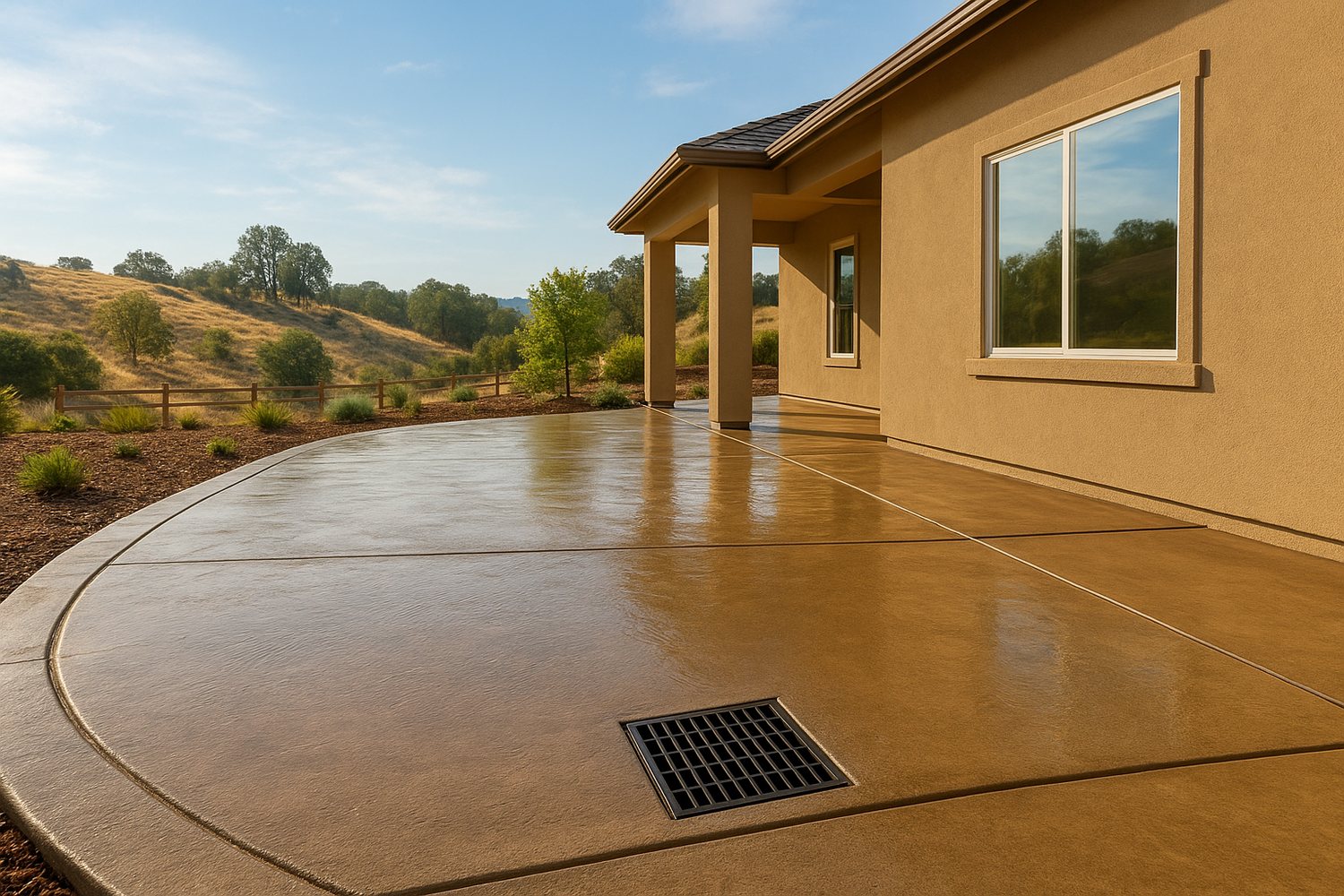
    Broom-finish concrete is a time-tested choice for patios and walkways, giving a subtly textured surface created by dragging a broom over fresh concrete. The distinctive lines add slip resistance and help water drain away. Simplicity and function are its hallmarks, making it a staple for residential outdoor areas throughout Placer, Sacramento, and El Dorado counties.

    For homeowners who prioritize safety and durability, broom-finished concrete stands out. Its texture reduces the risk of slips, especially in wet seasons, and the even surface is comfortable underfoot. In regions like Rocklin, Roseville, and Folsom, where summer heat and occasional rainfall are factors, this finish performs well over years of use.

    The appearance leans classic and understated—neither flashy nor plain. Broom-finish complements a variety of homes, from new builds in Granite Bay to more established Auburn neighborhoods. With its no-nonsense look and practical surface, it’s often recommended for first patios or backyard walkways.

    To learn more about the benefits and regional recommendations of broom-finish, visit theBroom-finish concretepage.

    Stamped Concrete: Highlights and Considerations

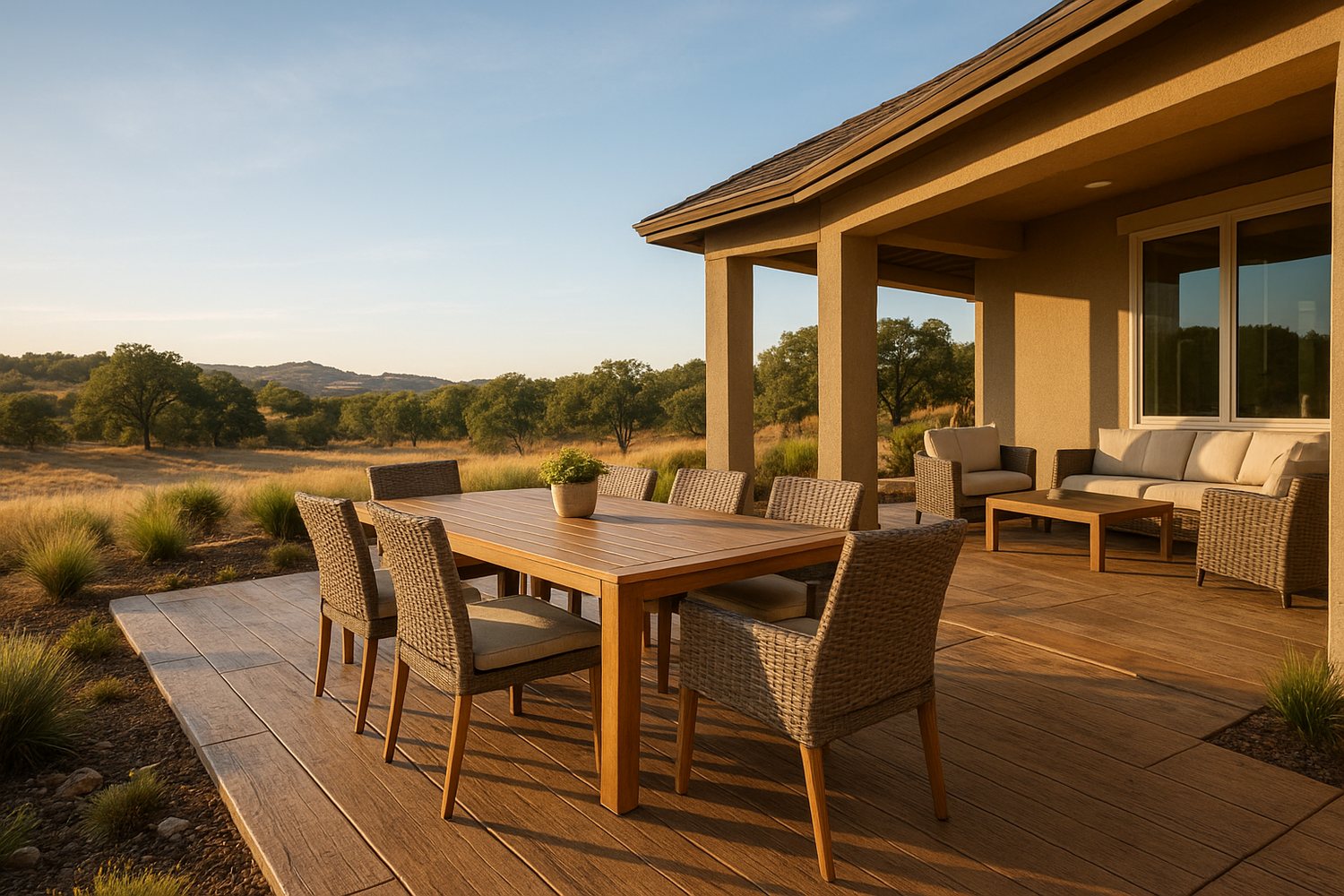
    Stamped concrete offers a range of patterns—stone, brick, woodgrain, and more—pressed into the surface before curing. This finish can create the visual appeal of high-end materials at a more accessible price point. In outdoor living spaces, it lends a custom appearance tailored to specific tastes.

    However, stamped concrete requires careful installation and regular maintenance. The patterns and colors look sharp when new, but over time, Sacramento Valley sun and foot traffic can lead to fading or minor cracks, especially if sealers aren’t reapplied every few years. Homeowners who choose this finish should be prepared for some upkeep.

    In Placer and the foothills, stamped surfaces can be more susceptible to becoming slippery when wet compared to broom-finish. Textures and sealers are chosen with safety in mind, but for sloped walkways or pool decks, it’s best to discuss surface traction options with licensed, bonded, and insured contractors.

    Exposed Aggregate Concrete: Distinctive Looks, Unique Feel

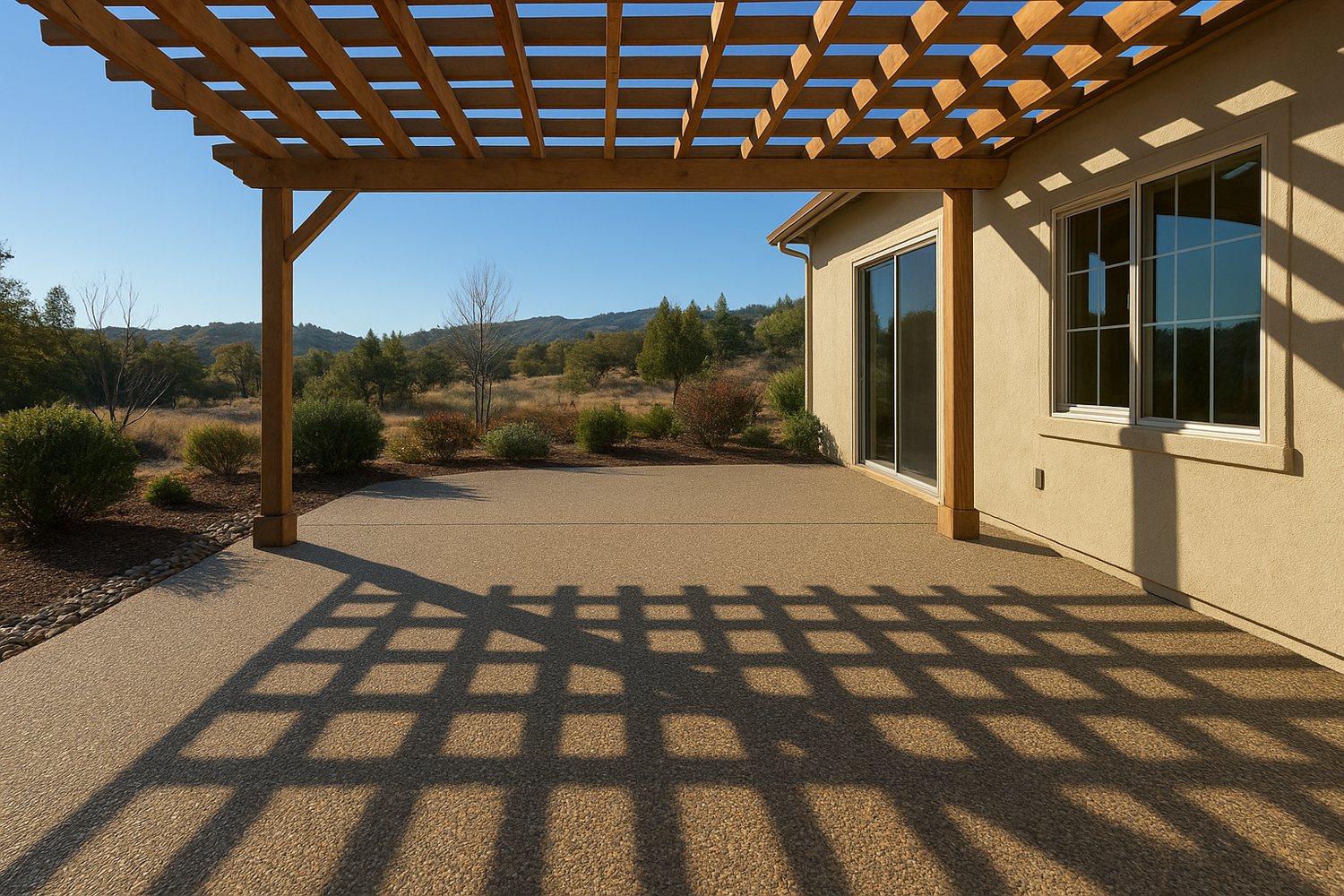
    Exposed aggregate is created by washing away the surface cement to reveal pebbles, stones, or decorative aggregates embedded in the slab. This produces a natural, highly textured look that sets it apart from smooth or patterned surfaces.

    For Northern California homeowners, exposed aggregate is popular for its visual interest and slip-resistant qualities. The finish stands up well to the demands of outdoor entertaining, with color and texture that can cleverly disguise stains or minor wear. It tends to blend with native landscapes and works well near garden beds and pool surrounds.

    On the practical side, cleaning can be a little less straightforward, as soil or debris may settle between aggregates over time. It’s also less forgiving for bare feet, so while it excels on walkways and driveways, some people prefer smoother finishes for lounging areas.

    Finish TypeSlip ResistanceMaintenanceDesign RangeNatural Look
    Broom-FinishHighLowModerateClassic
    StampedModerateModerate-HighHigh (patterns, color)Less natural
    Exposed AggregateVery HighModerateModerateHighly natural

    Comparing the Finishes: What Matters Most?

    Choosing between broom-finish, stamped, and exposed aggregate concrete comes down to priorities: safety, style, comfort, maintenance, and long-term durability. Each finish offers strengths and tradeoffs that matter when planning for the Rocklin and Granite Bay climate.

    Consider who will use the space. Households with kids or older adults often value the superior slip resistance of broom-finish or exposed aggregate. For entertaining or adding curb appeal, stamped patterns can make a statement, though periodic resealing might be needed to maintain the look.

    Material costs, installation time, and appearance preferences all play a role. Decisions made now will be in place for years, so it’s worth weighing how each finish will age with your outdoor space and the region’s sun, rain, and temperature swings.

    Performance in the California Climate

    Local weather conditions can impact the long-term performance of each finish. Broom-finish concrete shrugs off heat and puddles thanks to its simple texture, making it ideal for patios that see varied weather throughout Placer and Sacramento counties.

    Stamped concrete’s sealers help protect against moisture and UV rays, but resealing every couple of years is wise—especially in sunny backyards or shaded, damp spots that see less daily drying. Ignoring maintenance can mean fading or slickness over time.

    Exposed aggregate is resilient to heat and rain, and its natural texture provides built-in slip resistance. Some decorative aggregates can become loose or shift with extreme weather or improper installation, so attention to detail from experienced contractors is important for long-term success.

    • Broom-finish: best for low maintenance in mixed climates
    • Stamped: visually striking but needs periodic resealing
    • Exposed aggregate: highly slip-resistant and camouflages wear

    For a full overview of patios, walkways, and other choices, see theconcrete optionssection.

    Maintenance: What to Expect Over the Years

    Broom-finish concrete excels in practicality. Occasional sweeping and an annual wash are typically enough to keep it looking good. Repairs from minor cracks are generally easy and blend well with the texture.

    Stamped and exposed aggregate finishes both require more attention. Stamped concrete needs periodic cleaning and resealing to protect color and pattern. Exposed aggregate may need patching or aggregate replacement over time, but easily hides dirt and light staining.

    Regardless of finish, using mild cleaners and avoiding harsh chemicals will extend the life of your patio or walkway. Homeowners should also keep drainage clear to prevent pooling and avoid damage during freeze-thaw cycles, especially on shaded or north-facing parts of the property.

    • Broom-finish: sweep, rinse, address cracks promptly
    • Stamped: reseal every 2–4 years to maintain appearance
    • Aggregate: periodic deep cleaning, occasional patching

    Design Flexibility and Curb Appeal

    If design cohesion is important, stamped concrete offers the most options—dozens of patterns, colors, and border treatments. It can mimic high-end materials like stone or tile, helping patios serve as outdoor extensions of indoor living spaces.

    Exposed aggregate brings a custom, earthy quality. Aggregate color combinations can be matched to house colors or landscape features, offering subtle design flexibility. For homes in Granite Bay and Folsom, this can complement garden-focused outdoor spaces.

    Broom-finish concrete may be more restrained, but variations in broom technique, border treatments, and color can give each project a tailored look. A straightforward finish often boosts resale value, providing widespread appeal while still lending a touch of customization.

    • Stamped: widest range of visual choices
    • Aggregate: unique, blends with landscape
    • Broom-finish: timeless, adaptable styling

    Making Your Decision With Confidence

    Whatever your priorities—safety, style, budget, or ease of care—the right concrete finish is the foundation for years of outdoor enjoyment. Talk with licensed, bonded, and insured contractors about local examples and which technique matches your goals.

    Factor in your family’s needs, how you’ll use the space, and your long-term plans for the property. Some finishes can be re-colored or upgraded later, while others are more permanent, so it’s smart to take the time to decide up front.

    With over thirty years in concrete and materials, California Hardscapes offers practical insight for homeowners in Rocklin, Auburn, Folsom and surrounding communities. Guidance on the region’s soils, climate, and local design trends means your first step will be a lasting one.

    Ready to explore your unique project?Request a consultationwith California Hardscapes today.

    Broom-finish concrete: see the full guide to broom-finish concrete, or browse every concrete option.
    Your project

    Planning a concrete project?

    Call or text 916-741-0633, or email sales@californiahardscapes.com with your address, a short description and a few photos, and we will arrange a consultation.
  • Caring for Exposed Aggregate Concrete: Sealing & Surface Repair

    Caring for Exposed Aggregate Concrete: Sealing & Surface Repair

    Exposed aggregate concrete offers both beauty and grip, but it needs attention to last in our unique Sacramento area climate. Here’s what homeowners need to know about protecting and maintaining their investment.

    Why Exposed Aggregate Needs Care

    Exposed aggregate concrete stands out for its texture and durability, but it’s not immune to weather and wear. Rain, irrigation, and local temperature swings can loosen stones and dull the surface. Over time, grit and debris can also build up.

    Without regular care, aggregate surfaces may lose their luster and structural integrity. Unsealed concrete is more likely to absorb water, leading to staining or premature breakdown, especially near landscaping or shaded areas.

    A little effort goes a long way. With a sound maintenance plan, exposed aggregate can keep looking premium and performing well for decades—a wise investment for your patio, driveway, or walkways.

    For in-depth details on finishes and applications, visit ourExposed aggregate concretepage.

    Understanding Sealing and Its Benefits

    Sealing is crucial for exposed aggregate. It acts as a barrier against water, stains, and UV rays, which are plentiful in the Sacramento Valley. A quality sealer also restores depth and darkens the colors of the stones, showing off their natural beauty.

    There are two main types of sealers: penetrating sealers and film-forming sealers. The right type depends on your use and desired finish (matte or glossy). Both help limit damage from freeze/thaw cycles and increase resistance to de-icing salts or pool chemicals.

    Besides enhancing curb appeal, sealing helps lock in loose aggregate and deter moss or mildew—common concerns in shaded or irrigated areas around Rocklin and Granite Bay.

    • Protects against stains and UV rays
    • Reduces risk of loose or dislodged stones
    • Enhances natural stone color and surface gloss

    When to Reseal: Schedules for Local Conditions

    Most exposed aggregate concrete in our region should be resealed every 18 to 36 months, depending on sun exposure, foot or vehicle traffic, and irrigation runoff. Observe your surface after rain or cleaning—if water soaks in instead of beading, it’s time to reseal.

    The ideal time for resealing is spring or fall. Avoid sealing during extreme heat or just after rain, when the aggregate is wet. Proper prepping—cleaning thoroughly and letting it dry—is just as important as choosing the right sealer.

    If you notice dullness or fading before your next scheduled reseal, you can spot treat high-traffic or sunny zones. This approach helps protect trouble spots without the need for a full reseal.

    • Check for water absorption every few months
    • Plan to reseal walkways and patios every 2–3 years
    • Spot treat busy or sun-exposed areas after one year
    Surface ProblemDIY SolutionWhen to Call a ProUsual Tools/Materials
    Loose single stonesEpoxy patch kitIf area exceeds palm sizeEpoxy kit, trowel, matching stones
    Dull/faded surfaceClean & resealRecurring after sealingpH-neutral cleaner, sealer, roller
    Deep stainingScrub with cleanerStain is widespreadSoft brush, pH-neutral cleaner
    Chipped edgesFill with patch productEdge spalling or crackingConcrete patch or mortar
    Slippery surfaceAdd anti-slip with sealerSlip persists or large surfaceAnti-slip additive, sealer

    Dealing with Loose Stones and Dull Surfaces

    Loose aggregate stones are common with older concrete or areas under heavy stress (like driveway tire tracks). If just a few pebbles come loose, repair is usually straightforward: clear debris, use a two-part epoxy or patch product, and press the stones back.

    For larger patches or consistently loose stones, contact a concrete specialist. Sometimes the underlying matrix may need attention, especially if water has seeped below or the original pour was thin.

    Dull or chalky surfaces often occur when sealers break down under UV rays or heavy use. A gentle cleaning and reapplication of sealer can restore most finishes. Avoid aggressive scrubbing, which can erode aggregate or drive stones loose.

    • Replace missing aggregate promptly to avoid further damage
    • Epoxy patch kits or polymer-modified mortars are best for small areas
    • Call a pro if large areas loosen or the concrete substrate is compromised

    Cleaning Tips That Won’t Damage Aggregate

    Routine cleaning keeps your exposed aggregate looking sharp. Gentle sweeping every week and seasonal hosing off typically suffice. Use a leaf blower or soft brush to dislodge debris between the stones without scratching or pulling them loose.

    Avoid high-powered pressure washers unless used skillfully at low pressure and a wide spray angle—a too-strong jet can dislodge aggregate or create pits. A mild pH-neutral cleaner is enough for most spills or surface stains.

    Prevent organic buildup by trimming nearby plants and clearing mulch or leaves regularly. Reducing shaded, damp zones minimizes moss or algae growth, especially in the cooler neighborhoods around Auburn or Folsom.

    • Sweep or blow debris weekly
    • Rinse gently—use pressure washers with caution
    • Clean stains with pH-neutral solutions, not acids

    You can also explore allConcretesurface options to compare practical differences.

    Common Local Issues and How to Prevent Them

    Our region’s combination of clay soils, irrigation, and sun can bring on unique challenges. Poolside aggregate is prone to chemical exposure, while front walkways often battle irrigation overspray and mud.

    Proactive edging, well-planned drainage, and keeping sprinkler heads adjusted away from hardscape help reduce surface wear. Limiting fertilization or chemical runoff onto concrete also helps avoid staining or deterioration.

    Ask about slip-resistant surface options or additive treatments if your area gets a lot of shade, such as under mature oaks in Granite Bay or in Auburn’s wooded settings. These can be added during sealing to increase safety.

    • Redirect sprinklers to minimize overspray
    • Sweep up soil or lawn clippings promptly
    • Consider anti-slip treatments for shaded patios

    When It’s Time to Call a Local Pro

    DIY patching is effective for minor issues, but persistent loose stones, large worn patches, or recurring staining may point to deeper problems. Local pros know how to assess sub-base issues or structural wear tied to our soils and weather patterns.

    A professional can also recommend the best sealers for your exact microclimate—matte for shady spots, gloss for sun, specialty formulas for pool decks. Tailored advice matters as materials and local plant debris can impact longevity.

    If you’re not sure whether to patch or resurface, an in-person consultation will clarify your options. A pro can also ensure repairs blend in, maintaining that premium finished look throughout your outdoor living areas.

    • Persistent issues? Seek a regional expert
    • Pros help with color matching and seamless repairs
    • Special advice for pool decks and tree-covered patios

    Your Exposed Aggregate Can Go the Distance

    A bit of routine maintenance—sweeping, strategic cleaning, and timely resealing—preserves the investment you made in exposed aggregate. When problems do pop up, they’re much simpler to address early, before they spread.

    Homeowners in Rocklin, Roseville, Granite Bay, Folsom, and Auburn all share the same local challenges, from intense summers to clay soils and active landscaping. With a solid care plan, exposed aggregate can keep looking stunning for many years.

    If you need concrete advice, have a question about sealing schedules, or want repairs assessed, start by talking to a seasoned local provider. Durable hardscapes begin with the right upkeep.

    If you’d like advice or a site assessment, you’re welcome torequest a consultation.

    Exposed aggregate concrete: see the full guide to exposed aggregate concrete, or browse every concrete option.
    Your project

    Planning a concrete project?

    Call or text 916-741-0633, or email sales@californiahardscapes.com with your address, a short description and a few photos, and we will arrange a consultation.
  • How to Choose the Right Stamped Concrete Design for Your Home

    How to Choose the Right Stamped Concrete Design for Your Home

    A well-designed stamped concrete patio or walkway can highlight your home’s character while fitting seamlessly with the surrounding landscape. In Northern California, the right choices provide durability and lasting curb appeal.

    Understanding Stamped Concrete’s Design Options

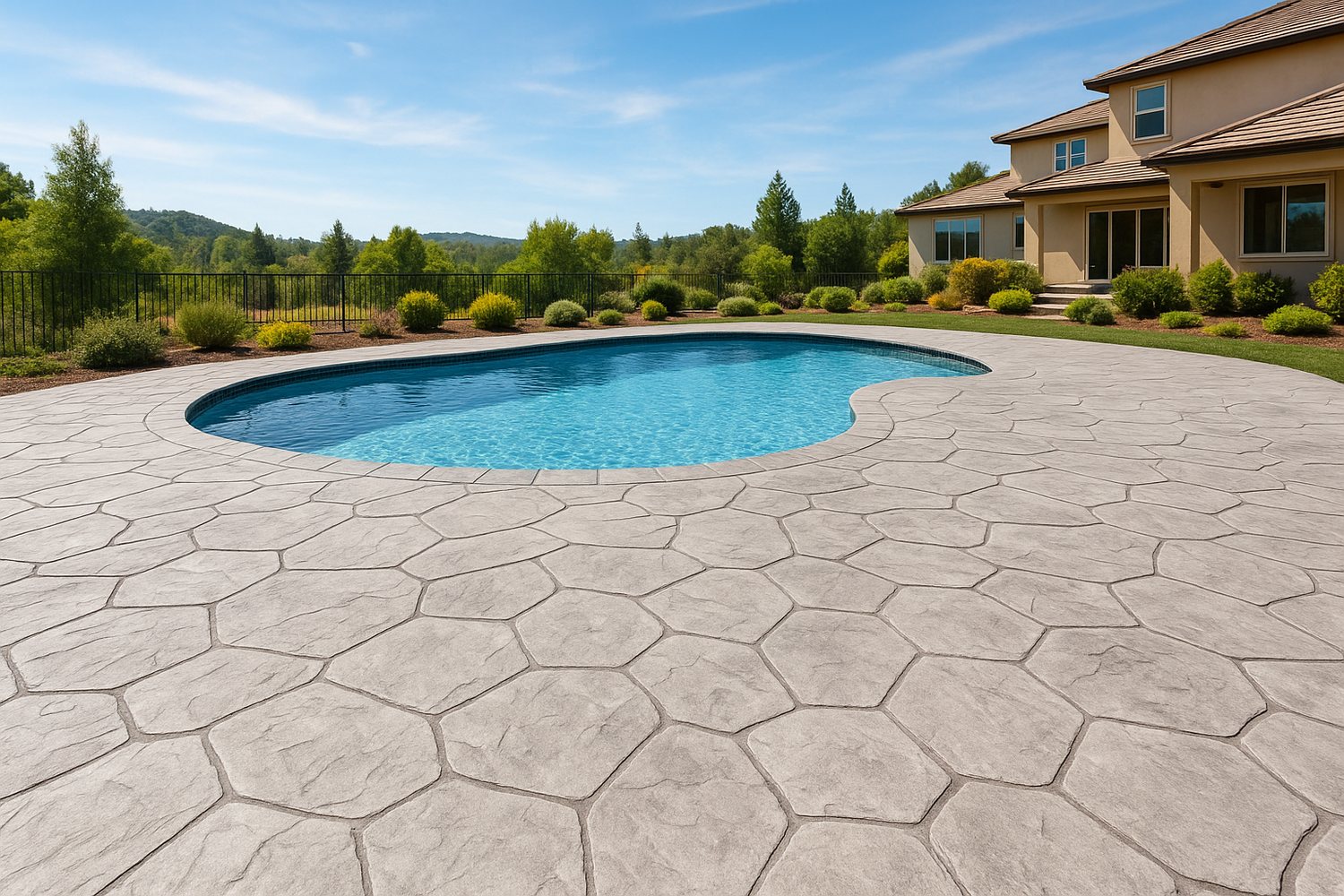
    Stamped concrete isn’t just about durability—it’s about quality design that stands out. Homeowners in Rocklin, Roseville, Granite Bay, Folsom, Auburn, and nearby communities can choose from a wide variety of patterns that replicate natural stone, brick, tile, or unique custom shapes. The flexibility of stamped concrete means your patio, driveway, or walkway can echo the best elements of your home’s architecture and landscape.

    Local surroundings influence good design decisions. For many properties, patterns like slate or flagstone look appropriate with California’s landscapes and diverse home styles. Others may prefer a more contemporary geometric pattern or a classic brick look to complement traditional exteriors. Each stamped concrete option can be tailored to reflect your taste and to harmonize with your home’s façade and outdoor spaces.

    It’s important to balance creativity with practicality. Some patterns are more slip-resistant, easier to clean, or better at hiding dust and leaves. Consider how each option fits your household’s routine and maintenance preferences. Sizing up your outdoor spaces and understanding how different patterns influence the mood and scale of patios and walkways can ensure a result that’s both functional and inviting.

    For pattern inspiration or more stamped concrete options, explore ourStamped concretepage.

    Picking the Best Stamped Pattern for Northern California Homes

    Choosing the ideal pattern is both an art and a practical matter. Local architecture often blends Mediterranean, Craftsman, or contemporary influences, and your stamped concrete can echo these styles. Flagstone and random stone prints are favorites for their natural, rustic warmth—a look that fits seamlessly into foothill and valley neighborhoods.

    Classic brick and herringbone patterns suit courtyards and walkways with traditional elements, while sleek slate or ashlar offer a modern touch for newer builds. Each pattern can be sized and oriented to visually widen narrow spaces or draw attention to a striking garden or pool feature. The right choice draws the eye without overpowering your property’s distinctive features.

    It’s always helpful to view pattern samples in person and compare them against your home’s exterior colors and textures. Consider the sunlight, shade, and vegetation around your yard. Stone and slate patterns, for example, work well with both lush lawns and drought-tolerant gardens common in this region.

    • Flagstone: organic, versatile
    • Brick: timeless, tidy lines
    • Ashlar slate: modern, sophisticated
    • Cobblestone: rustic, traditional
    • Custom geometric: contemporary flair

    Choosing Colors that Work with Your Home’s Palette

    Color selection can make a stamped concrete project blend smoothly with its surroundings or stand out as a focal point. For most Northern California homes, earth-toned hues—like warm browns, taupes, and subtle grays—complement the hills and native plantings. Lighter shades keep patios comfortable underfoot in summer, while darker accents can echo roof tiles or trim.

    Integral and surface color processes allow for a range of tones and highlights. Accent colors stamped into the crevices and edges create visual depth and realism, especially when replicating stone or brick. It’s wise to sample your top color choices onsite, since sunlight and house shade can change the perceived color throughout the day.

    Keep in mind the practical side of color as well. Surfaces need to weather Central Valley and foothills sun, dust, and sometimes leaf stains from nearby trees. Mid-tones are often easiest to keep looking clean and fresh. Owners appreciate colors that enhance landscaping without distracting from it, so using complementary or analogous shades often brings the most satisfaction.

    • Earth tones: blend into natural surroundings
    • Grays: modern, versatile
    • Reds/oranges: highlight warm exteriors
    • Charcoal: strong contrast for dramatic effect
    PatternBest ForTypical ColorsBorder StyleMaintenance
    FlagstoneNaturalistic patios & gardensEarth browns, tans, graysBrick or contrasting stoneLow – hides debris
    BrickTraditional walks & courtyardsRed, charcoal, sandSolid or contrasting brickMedium – shows some stains
    Ashlar SlateModern patios/entertainersCool grays, taupeNarrow contrasting borderLow – easy to sweep
    CobblestoneRustic or classic homesMixed grays, brown tonesWide or curved bandMedium – needs regular sealing
    GeometricContemporary landscapesCustom, often light graySlim/clean edgeLow – minimal upkeep

    Adding Borders for Contrast and Definition

    Borders give stamped concrete a finished, professional look, while visually separating different functional areas. With patios and walkways, contrasting or complementary borders can define seating spaces, paths, or highlight steps and edges. Several design options are available, such as using a brick pattern border around a slate-patterned field.

    You may want to choose a border color that echoes an element of your house—like window trim or roofline—for cohesion. Contrasting patterns can also help manage the scale of a large patio or lend subtle elegance to small yards. Borders are a practical way to make transitions from stamped concrete to other materials, like grass, gravel, or landscape beds.

    The shape and width of borders influence the feel of your space. Wider borders offer a bold frame, while slim borders provide a tidy outline. Rounded and curved borders can soften geometric patios, matching the curves of your garden or retaining walls. As with the main design, it pays to sample border options onsite beside your chosen concrete field color.

    • Contrasting patterns add drama
    • Complementary borders create harmony
    • Borders help highlight edges and features

    Comparing Stamped Concrete Patterns, Colors, and Borders

    The right stamped concrete combination can boost curb appeal and tie together your home’s landscape and exterior colors. This comparison table summarizes a few of the most popular patterns, color approaches, and border styles suited to Northern California yards.

    Reading across the table, you can match inspiration to your property’s look and feel, and weigh the primary considerations for each aspect of design. This overview helps you assess which style is most compatible with your personal taste, home architecture, and maintenance preferences.

    Bringing samples onsite and consulting with a knowledgeable contractor helps confirm your selections. Keep in mind that your home, sunlight conditions, and landscape will influence how these options look in real life.

    Interested in more choices for patios and walkways? Review allConcrete optionshere.

    Using Local Context to Guide Your Design Choices

    The neighborhoods across Rocklin, Roseville, Granite Bay, Folsom, and Auburn vary in lot sizes, sun exposure, and landscape style. A design that’s right for a Granite Bay ranch might differ from a Folsom contemporary. Study your property’s natural light, existing hardscape, and the color of roofs and trim when considering stamped concrete design.

    In shaded yards or those with mature trees, lighter concrete colors can brighten up the space, while bolder borders help define walkways winding through garden beds. In newer subdivisions, homeowners often choose modern, larger-format patterns and colors that fit crisp architectural lines. Historic or established neighborhoods may benefit from time-tested cobblestone or classic brick looks.

    Water conservation concerns in this region sometimes drive design. Stamped concrete can offer a low-water alternative to lawns while retaining a natural, textured appearance. Evaluate where design can best complement drought-tolerant gardening or existing pool decks to achieve a seamless and resilient result.

    Practical Steps for Choosing Your Patio or Walkway Design

    Start by reviewing photos of pattern and color combinations that appeal to you. Collect samples or reference chips, then compare them against your home’s paint, trim, and roof on sunny and cloudy days. Make a list of features to highlight—like entryways, pool edges, or fire pits—that could benefit from a border or accent.

    Consult with a professional who understands how local soils, seasonal weather, and landscape types influence performance and appearance. Bring your inspiration, but be open to practical advice specific to homes in the Sacramento foothills and valleys. Prioritize options that deliver the look you want, plus ease of use and upkeep.

    Request a design consultation early in your planning. Licensed, bonded, and insured contractors will guide you on technical factors like thickness, joint placement, and slip resistance. They’ll also demonstrate how subtle differences in pattern and color can make a space feel truly connected to your property.

    • Collect pattern and color samples
    • View samples onsite in different lighting
    • Ask how designs relate to local soils and plants

    Count on Experience for the Best Results

    With stamped concrete, the difference between an average and an exceptional result is often experience. Local expertise—knowing how certain colors, patterns, and finishes withstand Valley summers, cold snaps, and day-to-day use—is critical. California Hardscapes, managed by Marty, brings over three decades of hands-on local concrete and outdoor construction know-how to every project.

    Every project is built with licensed, bonded, and insured contractors, so you can count on professional standards from start to finish. Trusted advice ensures your chosen design stands the test of time and fits your property’s distinctive style. Only practical, proven techniques are considered for Northern California conditions.

    Whether you’re transforming a backyard retreat or updating a front walkway, a thoughtful, context-aware approach pays off. For answers to your questions, or to explore stamped concrete options tailored to your property, contact California Hardscapes by call, text, or email.

    Ready to talk designs?Request a consultationwith California Hardscapes today.

    Stamped concrete: see the full guide to stamped concrete, or browse every concrete option.
    Your project

    Planning a concrete project?

    Call or text 916-741-0633, or email sales@californiahardscapes.com with your address, a short description and a few photos, and we will arrange a consultation.
  • Stamped Concrete vs Pavers for Patios and Pool Decks: A Local Comparison

    Stamped Concrete vs Pavers for Patios and Pool Decks: A Local Comparison

    If you’re planning a patio or pool deck in Rocklin, Roseville, or nearby, choosing between stamped concrete and pavers is a big step. Here’s a plain-spoken look to help you decide what works best where you live.

    Stamped Concrete: The Basics

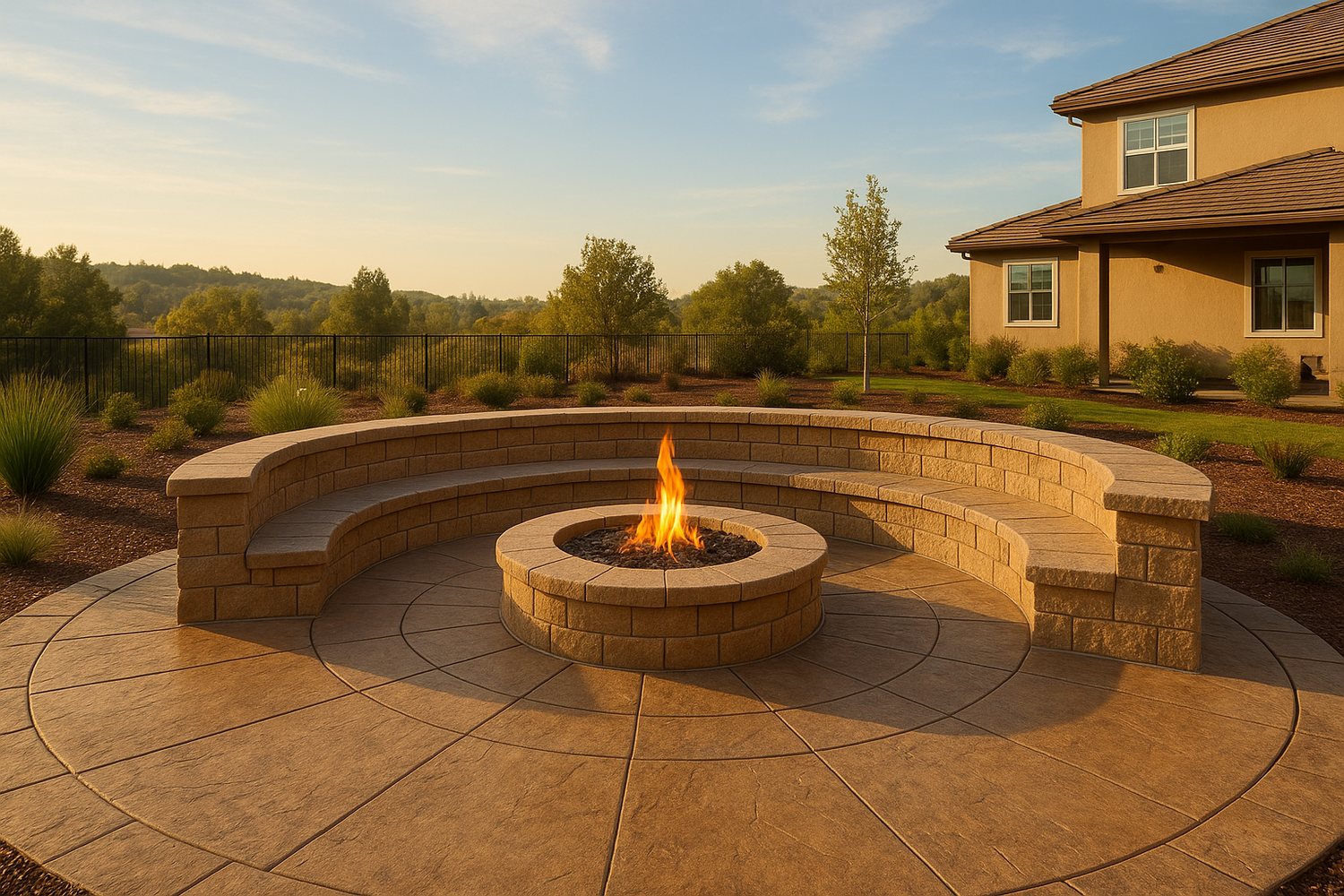
    Stamped concrete combines poured concrete with patterns and coloring to mimic natural stone, brick, or even wood. It’s popular among local homeowners who want a decorative surface without the higher cost of some materials. When done by seasoned contractors using quality mix and techniques, the result is a durable, visually striking patio or pool deck.

    Texture and color versatility set stamped concrete apart. In Rocklin and surrounding areas, product mixes and finish options are tailored for our hot, dry summers and cool, sometimes damp winters. That means a finish that stands up to local weather patterns without excessive fading or cracking when correctly installed and maintained.

    Stamped concrete works well for sweeping patios and large pool decks because it can be poured seamlessly over wide areas. Fewer joints mean less space for weeds or moss to take hold, making it easier to keep tidy and pleasant. With the right sealer, stamped concrete resists stains from patio dining or poolside use.

    Explore more details on styles and finishes at the mainStamped concretepage.

    Pavers: The Tried-and-True Alternative

    Pavers are individual units, often concrete, stone, or brick, set in sand or mortar to create a patterned surface. Each piece can move slightly with the ground, making them a robust choice for local areas prone to minor settling or tree root growth. Many in Granite Bay or Folsom opt for pavers to complement both modern and classic home styles.

    Durability is a big draw for pavers. A well-installed paver patio is very resistant to cracking—if ever a single paver chips or settles, it’s a simple matter to replace just that piece. There’s appeal in knowing repairs don’t require a full overhaul if small problems arise, especially after a wet El Dorado County winter.

    Color and design options for pavers are extensive, from classic herringbone red brick to multi-size natural stone looks. For pool decks, pavers allow for creative borders and visual breakups—plus, their textured surface helps with slip resistance. Proper edge restraint and compacted base prep are crucial for long-term stability.

    • Highly modular for custom layouts
    • Individual repairs are straightforward
    • Natural texture options, slip resistance

    Installation Realities in Northern California

    Both stamped concrete and pavers can thrive here, but each installation method has regional quirks worth considering. Our clay-heavy soils expand and contract with the seasons, stressing hardscapes. Proper base prep is non-negotiable for both options—think well-compacted rock or gravel tailored to soil conditions.

    Stamped concrete requires a weather-aware schedule. Hot summer afternoons demand care to prevent rapid drying that leads to surface cracks, while cool seasons can prolong cure times. Local experience ensures the timing and mix are right for our specific climate.

    Paver installation is less sensitive to weather, since each piece is placed dry on a solid base and needs no curing window. But the process can be more labor-intensive, especially for large patios or intricate layouts. The prep phase remains just as critical for a long-lasting result.

    FeatureStamped ConcretePavers
    Visual varietyHigh (custom colors & patterns)High (multiple colors, patterns, textures)
    RepairabilityCrack repairs may showIndividual pavers easily replaced
    MaintenancePeriodic resealing neededRe-leveling/joint sand replenishment
    Install timeQuick for large areasLonger for detailed or large projects
    Slip resistanceModerate (depends on finish)Often higher (textured surfaces)

    Maintenance: What to Expect

    Once in place, both stamped concrete and pavers reward periodic attention. For stamped concrete, re-sealing every few years preserves color and resists staining and surface wear, especially in sunny, high-traffic pool areas. Regular cleaning prevents slips and keeps your space looking fresh.

    Paver patios need less intensive care, but they aren’t zero-maintenance. Occasional re-leveling may be needed if the ground settles unevenly. Joint sand can wash or blow out, so topping up with polymeric sand helps keep weeds and ants at bay—check joints once a year to stay ahead.

    Northern California’s seasonal rains can move soil under any patio or deck. With pavers, this might lead to slight shifting, while stamped concrete may develop hairline cracks over time. Both are manageable with routine checks and prompt touch-ups.

    Aesthetics: Regional Looks and Trends

    Style choices often come down to the overall look you hope to achieve and how your outdoor living area ties into your home’s architecture. Stamped concrete excels at mimicking natural stone, slate, or even wood planks, fitting beautifully with Mediterranean, Craftsman, and ranch-style homes common in Placer County.

    Pavers offer a range of earth tones and textures, useful for integrating seamlessly with garden paths, driveways, or pool copings. Contemporary homes in Folsom or Auburn often pair paver patios with minimalist landscapes, while rustic home exteriors are matched by tumbled or cobbled paver finishes.

    Regional design trends lean toward large-format paver patios and intricate stamped concrete borders. Consider scale and pattern: broad, unified stamped surfaces look clean and modern, while pavers let you break up spaces, add edging, or highlight gathering zones. Local materials can further tie new hardscapes into our Northern California landscape.

    See a full breakdown of patio and deck choices at ourConcrete options overview.

    Lifespan and Repair Considerations

    Quality and longevity hinge on materials and installation skill. Stamped concrete, given proper sub-base work and timely resealing, offers excellent value and durability. Visible cracks can be repaired but often remain faintly visible due to pattern and color differences.

    Pavers shine when it comes to repairs: individual units can be swapped out if damaged or stained. Over decades, expansion or contraction from our local temperature swings may require you to re-level sections or replenish joint sand, but the modular format makes fixes unobtrusive and cost-effective.

    Neither material is immune to the effects of heavy vehicles, earthquakes, or severe water flow. It’s important to direct runoff away from all patios or decks and to avoid excessive weight on either surface. When built by licensed, bonded, and insured contractors, both options can serve local homes for years.

    • Stamped concrete repairs can be visible
    • Paver repairs are simple and localized
    • Proper drainage helps extend lifespan

    Environmental and Comfort Factors

    Local summers get hot, and surface temperature can matter—especially by the pool. Pavers, particularly lighter colors, generally stay cooler underfoot compared to stamped concrete, though both can benefit from strategic shade or misting on peak days.

    Runoff management is another consideration. Pavers allow water to pass between joints, reducing puddling and helping recharge soils, which matters in areas with stormwater rules or steep slopes. Stamped concrete is less permeable, but design tweaks like bordering with permeable pavers can help.

    Materials sourcing can also factor into your decision. Many pavers and concrete mixes used in the area are available from regional suppliers, supporting local businesses and matching region-specific standards for weather resistance and durability.

    How to Choose: Plain Advice from Local Experts

    If you hope for a seamless, low-joint surface with striking design and don’t mind periodic resealing, stamped concrete is a great fit for this region. If maximum flexibility for repairs, future landscaping changes, or complex layouts appeals more, consider pavers.

    Factor in your preferred look, ongoing care expectations, and how your space may evolve over the years. Cost differences tend to level out for larger installs, so think more about long-term use and care than initial outlay. Reach out with your ideas—local pros help navigate material choices, design plans, and what suits your site.

    Every project by California Hardscapes is built with licensed, bonded, and insured contractors, and managed from start to finish by industry veterans who know area soils, sun, and seasons. Ready to see options in person or discuss a specific vision? Connect today for practical, pressure-free guidance.

    • Consider stamped concrete for seamless, patterned looks
    • Go with pavers if easy repairs matter most
    • Expert input ensures materials and design fit local needs

    Ready for a practical plan? Request your local project consultationhere.

    Stamped concrete: see the full guide to stamped concrete, or browse every concrete option.
    Your project

    Planning a concrete project?

    Call or text 916-741-0633, or email sales@californiahardscapes.com with your address, a short description and a few photos, and we will arrange a consultation.
  • How to Care for Stamped Concrete: Resealing, Traction & Lasting Appeal

    How to Care for Stamped Concrete: Resealing, Traction & Lasting Appeal

    Stamped concrete is a smart, attractive choice for outdoor spaces—but it takes the right care to keep it looking and performing its best, especially in our region’s climate.

    The Basics of Stamped Concrete in Our Area

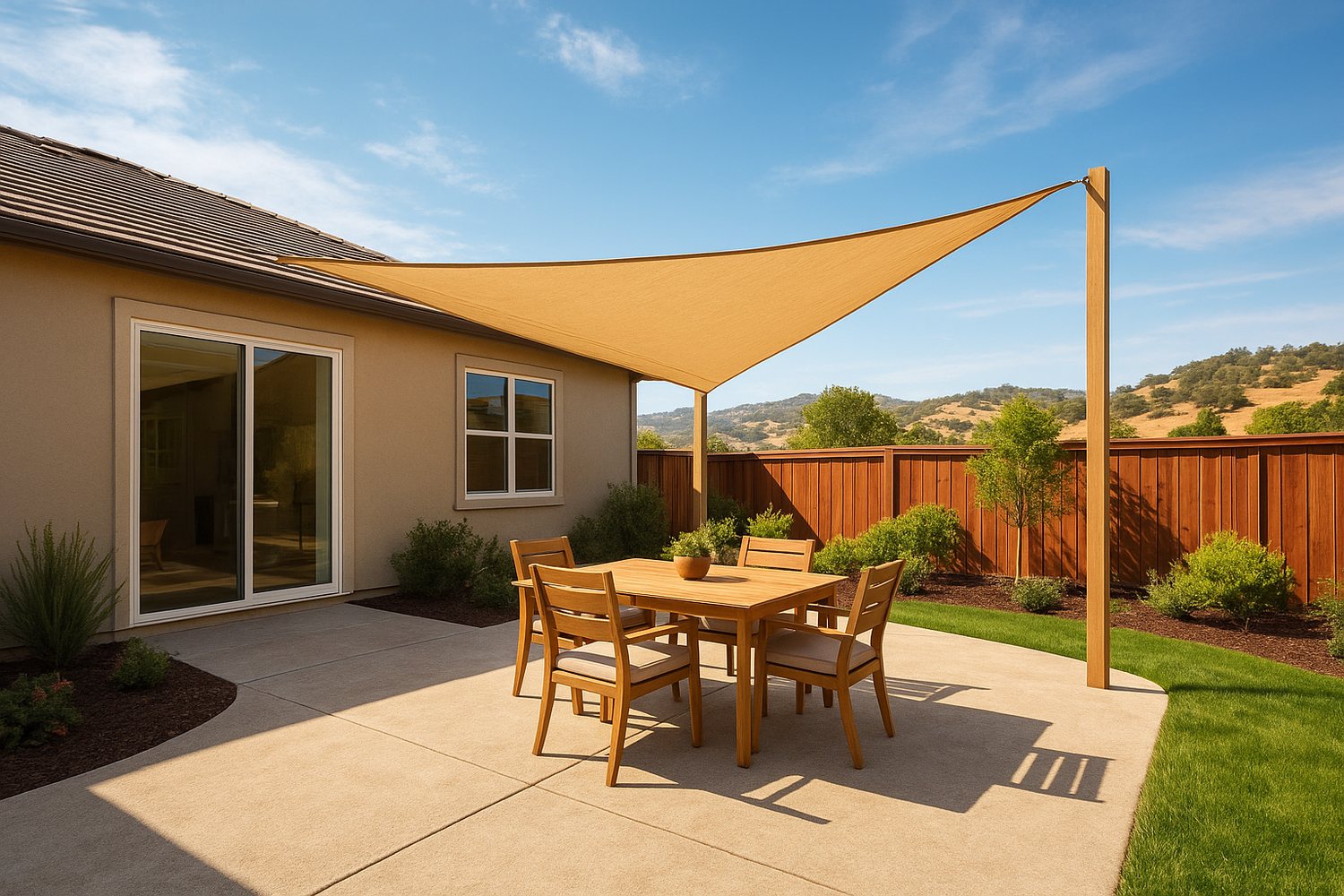
    Stamped concrete offers the combined benefits of custom style and long-lasting durability, making it popular around Rocklin, Roseville, Granite Bay, and neighboring communities. Local homeowners appreciate that stamped concrete can mimic the elegance of stone, brick, or pavers—without the maintenance those materials sometimes require. But it’s not entirely maintenance-free.

    The heat, sunshine, and occasional winter freezes of Placer, Sacramento, and El Dorado counties can take their toll on exterior concrete surfaces. Over time, color may fade and the sealer that protects your patio or walkway can lose its effectiveness. Without proper care, surfaces are more prone to staining and weathering.

    Understanding how our climate impacts stamped concrete helps set realistic expectations. A simple preventative approach—a focus on resealing, slip resistance, and cleaning—goes a long way toward preserving your investment for years.

    Explore more aboutStamped concreteto find out about styles, patterns and uses.

    Why Resealing Is Key to Lasting Beauty

    The sealer on stamped concrete is not just about shine. It’s a protective layer that shields against UV rays, rain, and spills. In our region’s sunny, hot summers and wet winters, this sealer can wear down faster than you might expect. Experts generally recommend resealing stamped flatwork every two to three years, sometimes more often for high-traffic areas or heavy exposure.

    Resealing helps maintain your concrete’s color richness, protects against staining, and keeps the surface looking fresh. Left unsealed, stamped concrete will lose vibrancy as sun and weather erode the color hardener and integral pigments. Resealing brings back the luster and repels moisture before it can cause deeper damage.

    Timing matters: reseal during mild, dry stretches. Avoid the hottest peak of summer or winter’s damp spells, as proper curing depends on agreeable weather. If in doubt, consult with a professional who understands local seasonal patterns.

    • Sealer protects from UV, rain, and stains.
    • Resealing every 2–3 years recommended.
    • Choose mild, dry weather for best results.

    Making Stamped Concrete Safer: Slip Resistance

    Stamped concrete can sometimes become slick, especially after resealing. This is important for families in areas where rain, pool splash, or irrigation overspray are common. To improve traction, a fine grit additive or non-slip agent can be mixed into the final coat of sealer—without sacrificing appearance.

    In most local installations, contractors will ask about slip resistance in advance, but it’s possible to increase grip in the future by resealing with the right product. For pool decks, shaded patios, or spots where water lingers, this is especially wise.

    Routine sweeping keeps dirt and debris from polishing the surface, which can also make stamped concrete slicker. Prioritize safety by using simple, regional-appropriate techniques for slip resistance year-round.

    • Ask about non-slip additives for sealers.
    • Prioritize slip resistance on pool decks and shade.
    • Regular cleaning helps minimize slipperiness.

    Cleaning and Preventing Wear in Local Conditions

    Leaves, pollen, and dust are common in our neighborhoods, and they can dull stamped concrete’s look or cause stains if left for long. A broom and simple washing—never harsh power washing—goes far in maintaining curb appeal between scheduled resealing.

    Pressure washers can micro-etch the protective sealer, reducing its lifespan and inviting premature fading or water penetration. Instead, use a garden hose with a spray nozzle and a mild detergent, especially in spring and fall when debris accumulates the most.

    Address spills—especially oil, grease, and rust—promptly, as Sacramento Valley sun can bake them in. Stubborn spots may need a concrete-safe cleaner. A regular cleaning schedule, tailored to your yard’s foliage and sun exposure, keeps stamped concrete attractive for longer.

    • Sweep and rinse stamped surfaces routinely.
    • Avoid high-pressure washing.
    • Clean up stains quickly to prevent set-in marks.
    Maintenance TypePurposeFrequencyDIY FriendlyRisks If Skipped
    ResealingUV/color protectionEvery 2–3 yearsMediumFading, surface damage
    Routine CleaningRemove stains/debrisMonthlyHighStaining, dullness
    Slip ResistanceAdd safety gripWith each resealingMediumSlippery surfaces

    How Resealing, Cleaning, and Anti-Slip Compare

    Choosing when and how to maintain stamped concrete can feel overwhelming, especially with the weather swings across our counties. The following comparison highlights practical differences between resealing, cleaning, and slip-resistance treatments.

    Each step serves a separate protective purpose. Resealing is essential for UV defense and color retention. Cleaning helps keep stains and debris from eroding the appearance. Non-slip options add safety, particularly on walkways, pool surrounds, or shaded patios.

    By combining these approaches on the right schedule, Rocklin and Folsom area homeowners see the longest-lasting, best-looking results from their stamped concrete.

    Seeconcrete optionsfor more inspiration and practical tips for your home’s surfaces.

    DIY or Professional Help: What Makes Sense?

    Homeowners with some experience and the right weather conditions can handle basic cleaning and, occasionally, resealing small stamped concrete patios themselves. Before choosing to DIY, consider the upfront investment: purchasing the right sealer, additives, application tools, and protective equipment.

    However, large areas or more complex surfaces often benefit from professional contractors familiar with Northern California’s unique climate, products, and timing. Experienced hands know how to treat intricate patterns, colored surfaces, and high-visibility entryways for consistent results.

    If you’re unsure about product choices or application techniques, don’t risk expensive mistakes. Getting advice from knowledgeable local pros can prevent issues and ensure your concrete stays beautiful and safe year after year.

    • DIY suits small, low-traffic areas.
    • Pros help with color-matched sealers and anti-slip.
    • Unsure? A quick consultation can save time and money.

    Common Mistakes to Avoid with Stamped Concrete

    Neglecting scheduled maintenance—especially resealing—can lead to faded, patchy color and surface erosion. Skipping cleaning lets leaves, sap, and debris wear down the sealer or stain the concrete, making restoration more difficult later.

    Overuse of power washers or harsh chemicals is another pitfall. While it may look effective short-term, this actually shortens sealer life and can strip color. Stick to gentle, concrete-safe options as recommended by local experts.

    Finally, waiting too long to address slip resistance can cause accidents, especially during rainy seasons. Build in safety from the start and revisit it during each resealing cycle for reliable footing on outdoor living spaces.

    • Don’t skip resealing cycles.
    • Avoid abrasive cleaners and high-pressure washers.
    • Plan for slip resistance in high-moisture areas.

    When to Consult Local Concrete Experts

    Every property is unique, with different sun, shade, and wear patterns. If you notice dullness, patchy sealer, persistent slipperiness, or stubborn stains, it’s time to consult an expert familiar with our region’s conditions.

    Professionals can assess your stamped concrete, recommend the right products, and schedule maintenance at the best time for local weather. They’ll help ensure your investment in outdoor living looks and performs its best, using proven, region-appropriate techniques.

    California Hardscapes, based in Rocklin and serving surrounding area communities, builds every project with licensed, bonded, and insured contractors. If you have questions about care, maintenance, or upgrades, we invite you to reach out directly for helpful guidance—no obligation.

    Want personalized advice?Request a consultationwith California Hardscapes for friendly, expert guidance.

    Stamped concrete: see the full guide to stamped concrete, or browse every concrete option.
    Your project

    Planning a concrete project?

    Call or text 916-741-0633, or email sales@californiahardscapes.com with your address, a short description and a few photos, and we will arrange a consultation.
  • Homeowner’s Guide: Caring for Broom-Finish Concrete Year-Round

    Homeowner’s Guide: Caring for Broom-Finish Concrete Year-Round

    California’s weather swings from scorching heat to soaking rains, putting your concrete to the test. Here’s a straightforward, proven plan for keeping broom-finish concrete surfaces attractive and long-lasting.

    Why Broom-Finish Concrete?

    Broom-finish concrete is a go-to choice for walkways, driveways, and patios throughout Rocklin, Roseville, Granite Bay, Folsom, Auburn, and surrounding areas. The textured finish not only provides reliable slip resistance, it also stands up well to daily wear. But even the best surface depends on smart care.

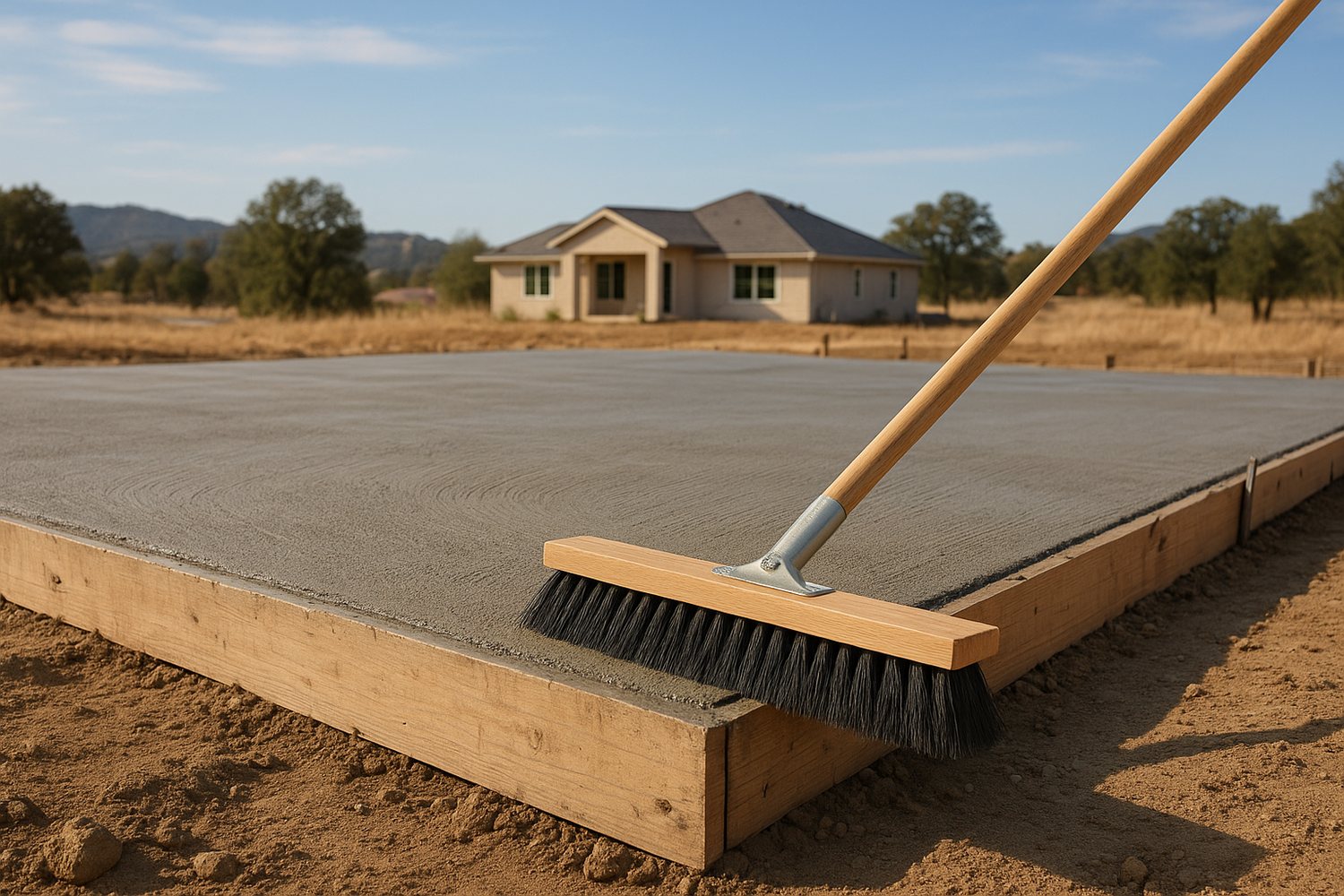
    This finish is created by dragging a broom across freshly placed concrete, adding subtle grooves that improve grip in wet conditions. It’s practical for families, reducing the risk of slips, especially after rainstorms common in local winters. Compared to decorative alternatives, broom-finish is classic and cost-effective, aligning durability with simplicity.

    While broom-finish needs less fuss than some high-gloss or stamped finishes, it’s not completely maintenance-free. Heat, drought, winter rains, and soil conditions can all affect its appearance and performance. A tailored maintenance plan is the best route to peace of mind—so let’s break down the essentials.

    • Slip-resistant texture ideal for outdoor living
    • Low-maintenance but benefits from care
    • Handles climate swings with proper upkeep

    To learn more about surface options and benefits, see ourBroom-finish concretepage.

    Seasonal Concrete Challenges: Hot Summers, Wet Winters

    Northern California weather brings extremes. Long, hot summers can dry out broom-finish concrete, causing minor surface shrinkage and sometimes even hairline cracking. Intense sun and wind can also draw water from the surface fast, especially in exposed areas.

    When seasons shift, soaking rains and winter chill can introduce new risks like freeze-thaw cycles, staining from leaf debris, and excess soil moisture. Concrete adjacent to planting beds is especially vulnerable to mud, moss formation, and efflorescence—the white powdery residue caused by water movement through the slab.

    It’s not just the elements: regional soils with clay content sometimes add pressure that may shift or crack slabs. Being proactive about drainage and timely maintenance gives your broom-finish concrete a strong defense against these regional threats.

    • Sun and dry wind can accelerate wear
    • Winter rain increases moss and staining risk
    • Soil expansion and water flow are factors to watch

    The Seasonal Maintenance Plan: Summer Focus

    Summertime priorities revolve around cleaning and planning for heat. Sweep surfaces regularly to keep dust, soil, and plant debris from baking onto the finish. Hose off stubborn dirt, using a fan nozzle at low pressure—this is safe for broom-finish, avoiding etching or surface wear.

    Inspect for small cracks or chips as summer progresses, especially after routine watering of nearby landscaping. Minor flaws can expand once rain returns if left unaddressed. For hairline cracks, use a concrete crack filler designed for exterior use and finish with a broom for consistency. Larger cracks suggest a need to consult a professional.

    As a preventive measure, avoid excess lawn watering near concrete and steer clear of harsh degreasers or bleach for cleaning. These can discolor the surface or damage the textured broom pattern, marring both performance and appearance.

    • Sweep and rinse weekly
    • Spot treat cracks early
    • Protect surface from harsh cleaners
    Maintenance TaskSummerWinterFrequencyNotes
    SweepingYesYesWeeklyRemoves debris and dust year-round
    RinsingYesOccasional2-4 times/monthUse fan nozzle, avoid standing water
    Crack FillingInspectInspectSeasonallyAddress early for best results
    Organic Debris RemovalAs NeededCriticalWeekly in fall/winterPrevents stains, moss
    SealingCheckN/AEvery 2–5 yearsApply in dry weather, if needed

    The Seasonal Maintenance Plan: Winter and Wet Weather Focus

    Winter and damp seasons call for ongoing vigilance. Clear away fallen leaves, pine needles, and any organic matter quickly—they can trap moisture and stain the surface. Moss or algae can take hold if water pools or doesn’t drain off. If that happens, use a stiff broom and mild detergent to scrub away any growth.

    Check drainage around your concrete. Gutters, downspouts, and adjacent soil should move water away from slabs, not allow it to collect. After heavy rain, puddles left for days can open small cracks or accelerate surface wear. Redirect downspouts, add gravel, or grade soil as needed to prevent standing water.

    Sealing is worth considering before each winter. Penetrating sealers can help block water absorption and resist stains—just ensure previous sealers have worn off and conditions are dry. Consult a contractor if unsure whether resealing is needed for your surface and climate.

    • Remove organic debris quickly
    • Prevent water pooling with good drainage
    • Use mild cleaners for moss and algae

    Sealing Broom-Finish Concrete: Benefits and Timing

    Sealing lawn and patio broom-finish concrete is a debated step, but it can boost longevity and appearance when done appropriately. A quality penetrating sealer soaks into the surface rather than sitting on top—making it nearly invisible. This minimizes the risk of surface slickness and provides strong defense against water and stains.

    In our regional climate, late spring through early fall is the best time to apply a sealer—when weather is reliably dry and surfaces are clean. Over-sealing or using wet-look coatings is not recommended; these can trap moisture, discolor, or make the surface slippery when it rains.

    Make sure prior sealers have worn off to avoid hazing or peeling. Depending on wear, expect to reseal every two to five years. If unsure, test a small area or get professional input to match the right sealer to your needs.

    • Penetrating sealers offer lasting water resistance
    • Best applied in warm, dry conditions
    • Avoid glossy sealers that cause slickness

    Explore other styles and finishes at ourConcreteoptions overview.

    Routine Cleaning Methods: What Works and What to Avoid

    Broom-finish concrete stands up to regular sweeping and gentle rinsing. A soft push broom is ideal for daily debris removal. For periodic deeper cleaning, mix a mild concrete cleaner in water and use a stiff bristle brush. Rinse thoroughly to ensure no residue is left behind—leftover soap can attract more dirt.

    Pressure washers can be effective for stubborn grime or algae, but use with extreme caution. Excessive force or too fine a nozzle may gouge the textured finish, causing lasting damage. Stick to a fan tip, keep the spray moving, and don’t hold it too close to the surface.

    Avoid using deicing salts in winter—they can etch and discolor the broom-finish. Also steer clear of muriatic acid, harsh degreasers, and undiluted bleach, as they weaken the surface and fade the natural look homeowners value.

    • Sweep often with a soft broom
    • Use mild cleaner and water
    • Handle pressure washing with care

    Common Regional Problems and Troubleshooting

    In this region, efflorescence (white, powdery patches), surface discoloration, and minor chipping are the most frequent complaints. Efflorescence is more likely in winter and after heavy storms—usually harmless but unsightly. Brushing with a dry broom or rinsing in dry weather often removes it.

    Discoloration can happen if leaves, acorns, or plant matter are left too long, or if a chemical cleaner is misused. If this occurs, gently scrub affected spots with a mild cleaner and rinse well. Persistent dark stains may fade with sun exposure over time.

    Chipping at slab edges may result from heavy lawn equipment, freeze-thaw movement, or shifting soils near driveways. Clean out loose debris, fill chips with an appropriate patch, and consider installing edging or protective strips where equipment passes by.

    • Efflorescence: remove with broom and dry weather
    • Stains: clean promptly, avoid harsh chemicals
    • Edge chipping: patch and install protective edging

    When to Call a Professional—and How to Choose

    Some problems—like large cracks, significant slab movement, or persistent drainage issues—are best left to professionals familiar with local soils and climate. Contractors experienced in concrete maintenance can assess damage, recommend repairs, or advise on resealing techniques that match this region’s needs.

    Make sure any contractor working on your concrete is licensed, bonded, and insured to protect your property and meet California requirements. Don’t hesitate to ask questions about materials, crack repair processes, or the best products for moss or stain removal. Experience with broom-finish and local conditions is a real plus.

    If you’re unsure about handling an issue or planning upgrades like extending your patio, connect with a trusted local professional. Preventing small issues from becoming big problems often saves time, frustration, and expense down the line.

    • For major cracks or movement, consult professionals
    • Request info about experience with broom-finish concrete
    • Always verify licensing, bonding, and insurance

    If you’d like expert guidance for your property,request a consultationwith California Hardscapes.

    Broom-finish concrete: see the full guide to broom-finish concrete, or browse every concrete option.
    Your project

    Planning a concrete project?

    Call or text 916-741-0633, or email sales@californiahardscapes.com with your address, a short description and a few photos, and we will arrange a consultation.

  • How to Get Broom-Finish Concrete Done Right

    How to Get Broom-Finish Concrete Done Right

    A broom finish remains the gold standard for patios, driveways, and walkways throughout Rocklin, Roseville, and neighboring communities. The key to performance and looks is in the details—especially with our climate. Here’s what goes into a proper broom-finish concrete installation.

    What Is Broom-Finish Concrete?

    Broom-finish concrete is exactly what its name suggests: after the surface is smoothed with a trowel, a concrete broom is run across it to create a subtle texture. This finish is prized for its slip-resistance, traditional look, and resilience. For most homeowners in places like Rocklin and Granite Bay, it’s the go-to choice for patios, walkways, pool decks, and driveways.

    Beyond its functionality, the light grooves created by a broom make surfaces safer, especially when wet during rainy Sacramento winters or around swimming pools in Folsom. The finish also works well with the landscape styles across the Sacramento Valley—clean, classic, and practical.

    Done right, broom-finish concrete can last decades with minimal care. But attention to every step makes all the difference. Let’s look at what separates a durable, attractive broom finish from one that flakes, scales, or collects dust early on.

    For a deeper dive, see ourbroom-finish concretepage with specific advantages and frequently asked questions.

    Timing is Everything

    The secret to great broom-finish concrete is timing. The broom should never be dragged too soon when the slab’s surface is still wet, nor too late after it’s hardened. The ideal window is when the concrete supports weight without sinking, but still accepts the broom’s bristles. This can vary in Placer and El Dorado counties as temperature and humidity levels shift between spring and fall.

    A well-timed application gives crisp texture and prevents surface tearing. If the broom is used before the slab starts to set, the grooves will collapse; if it’s too late, the result is faint lines and possible micro-cracking. Professionals rely on practical touch: pressing a fingertip or boot gently into the surface helps gauge readiness.

    Local climate matters—cool mornings, hot afternoons, and the Sierra foothill breezes all change concrete’s setting speed. Understanding this comes from real-world experience, not just reading a chart. Timing is one area where experienced, licensed, bonded, and insured contractors truly shine.

    • Broom too early: mushy, weak surface
    • Broom too late: barely visible pattern, risk of cracks
    • Watch sun, shade, wind—they all affect setting

    Texture Depth and Direction

    A quality broom finish needs the right groove depth—not too shallow, not so deep the surface is rough. Depth is controlled by broom type, bristle stiffness, and the pressure used. For walkways and patios in neighborhoods like Roseville or Auburn, most pros aim for a gentle but distinct texture that balances slip-resistance with easy cleaning.

    Texture direction should suit the layout. For driveways, grooves go perpendicular to vehicle traffic for grip. On stairs or ramps, broom the finish perpendicular to the typical travel path to reduce slipping. Consistency in pattern direction also enhances visual harmony across large backyard slabs or winding garden paths.

    Amateurs often overlook edges and transitions—making for rough, irregular spots. Professional touch means every square foot, even corners and joints, gets uniform attention. When done with care, broom finishes look seamless and perform equally well everywhere.

    • Too deep = rough, traps dirt; too light = slippery
    • Direction impacts both safety and appearance
    • Uniform pattern shows craftsmanship

    Proper Curing: The Last Critical Step

    No matter how well the broom finish looks at first, proper curing is essential to prevent dusting and scaling later on. Exposed broom-finish slabs should be cured slowly to let the concrete reach full strength. In the dry summers from Folsom to Auburn, evaporation happens fast, so curing methods matter.

    Common mistakes include skipping curing entirely or spraying water too late. Mist curing, covering with plastic sheeting, or using curing compounds all help keep moisture in during those first few days. The right method depends on weather and site details.

    Neglecting curing leads to surface dusting—a powdery, weak layer—or worse, scaling and chipping after a few freeze-thaw cycles in the foothills. Correct curing means the finished surface keeps looking good and holding up against the elements for years.

    • Keep surface moist for at least 3-7 days
    • Mist, cover, or apply curing compound promptly
    • Prevent dusting and future surface failures

    Common Mistakes Homeowners Should Watch For

    Many issues with broom-finish concrete can be traced to rushing, cut corners, or lack of regional experience. Applying broom texture too soon or late makes for weak or uneven surfaces. Guesswork with curing, especially in the hot, dry valleys, magnifies the risk of problems.

    Another pitfall is using overly wet (high-slump) concrete mixes for “easier” finishing—this leads to surface dusting and scaling as the top layer loses strength. Inconsistent broom direction or skipped details at edges and joints leave obvious flaws that detract from both usability and curb appeal.

    Hiring licensed, bonded, and insured contractors who understand our local soils, weather, and best practices is the surest way to avoid these traps. Good workmanship and attention to the right timing, texture, and curing are worth it for decades of satisfaction.

    • Brooming at the wrong time
    • Inconsistent finish pattern
    • Skipping or delaying curing
    • Concrete mix too wet

    To compare finishes and applications, look over theConcretesection for an overview of all surface types.

    How Regional Climate Affects Broom Finishes

    Concrete installation in Rocklin, Roseville, and the foothills faces unique challenges from hot, dry summers and cool, wet winters. The rapid setting in afternoon sun demands precise timing, while cooler fall or winter pours require patience and moisture retention.

    Windy days can dry the surface too fast, leading to surface cracking and loss of strength before the broom finish is applied. Shade on part of the slab causes uneven setting, which must be managed carefully to maintain even broom texture across the whole slab.

    Understanding local weather patterns, soil types, and seasonal swings isn’t optional—it’s essential for a durable finish. This region-specific knowledge is a major reason to rely on established, experienced providers for any outdoor concrete project.

    Finish TypeSlip-ResistanceAppearanceMaintenanceEstimated Lifespan
    Broom FinishHighClassic, subtle linesLow20+ years
    Exposed AggregateMediumDecorative, pebbledMedium20+ years
    Stamped ConcreteVariesPatterned, stone/brick lookMedium-High15-25 years
    Smooth TrowelLowFlat, sleekMedium10-20 years

    Broom Finish vs. Other Concrete Surface Options

    Broom finish is just one of several surface options for outdoor concrete. Others include smooth trowel, exposed aggregate, and stamped texture looks. Each has pros and cons, and the right choice depends on location, use, maintenance, and personal style.

    Broom finish excels in reliability, slip-resistance, and ease of care, making it ideal for most patios and driveways in our area. Exposed aggregate offers more decorative appeal but can be harder to maintain, while stamped concrete mimics stone or brick at a higher cost and care level.

    Ultimately, your decision comes down to desired look, maintenance level, and budget. Having a conversation about all the choices with a local professional ensures you make the choice that’s right for your lifestyle and property.

    Making the Right Choice for Your Home

    Choosing a broom-finish concrete surface is a smart investment for homeowners in Rocklin, Auburn, Granite Bay, and beyond. When installed with the proper techniques—timing, texture, direction, and curing—it combines function and beauty that lasts.

    Before moving forward, discuss your site specifics, usage needs, climate challenges, and finish preferences with a qualified provider. Ask detailed questions about timing, mix design, and regional curing methods. Don’t hesitate to request insight about local materials and project experience.

    California Hardscapes offers full-service outdoor construction, including concrete and patio work, built with licensed, bonded, and insured contractors. If you want a surface you’ll be proud of for years, personalized advice and best practices from seasoned experts go a long way.

    Ready to discuss your project?Request a consultationwith California Hardscapes for expert advice on your next concrete surface.

    Broom-finish concrete: see the full guide to broom-finish concrete, or browse every concrete option.
    Your project

    Planning a concrete project?

    Call or text 916-741-0633, or email sales@californiahardscapes.com with your address, a short description and a few photos, and we will arrange a consultation.