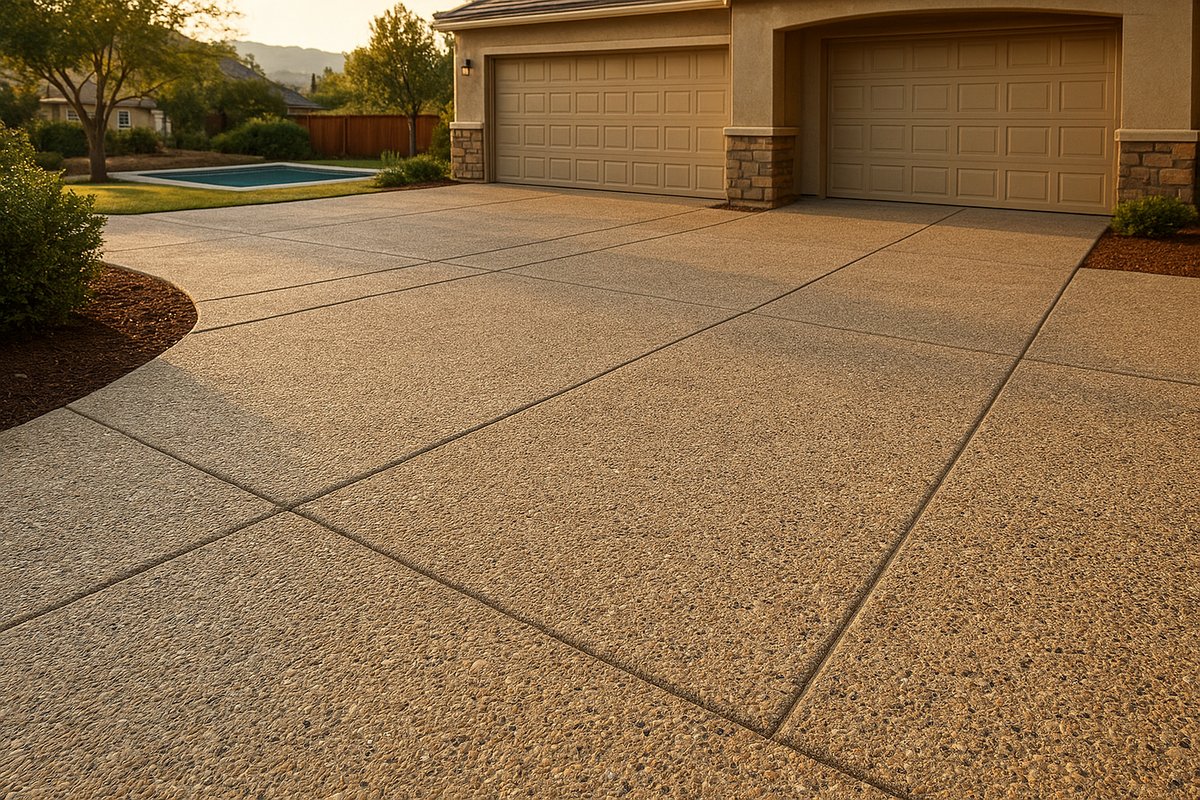
Your Citrus Heights Concrete Project: A Practical Planning Guide
Thinking about a new driveway or patio in Citrus Heights? Here’s a guide to navigating city rules, HOA approval, soil and slope, weather, and scheduling for premium concrete results.
Understanding Permits and HOA Approval in Citrus Heights
Before any concrete contractor breaks ground in Citrus Heights, proper planning starts at the desk—not with a shovel. The City of Citrus Heights generally requires permits for new or upgraded concrete driveways, patios, and pool decks, especially if work affects sidewalks, the public right-of-way, or stormwater systems. These rules change as local codes evolve, so always check with the city’s building department to confirm which permits apply to your project. Attending to permits up front helps avoid costly delays or required removals later.
Many neighborhoods in Citrus Heights operate under homeowners associations (HOAs). If your home is in an HOA, review their rules regarding exterior changes and material finishes. Submitting your detailed plan—including the color, finish style, and any decorative upgrades—will save headaches down the road. Stamped concrete, exposed aggregate, and decorative poured finishes like those offered by California Hardscapes can all be subject to architectural review or CCRs. It’s wise to secure both city and HOA approvals before accepting a bid or scheduling work.
If your property impacts drainage, driveways, or common areas, permit review may involve site plans or grading details. The time invested pays off in smoother construction and long-term compliance, letting you focus on choosing the best finishing style for your space.
What to Know Before You Dig: Utilities and Safe Excavation
Every concrete project in Citrus Heights—whether a new driveway, patio, or an upgrade to your pool deck—requires a ground-level scan for buried utilities. Hitting underground power, gas, telecom, or water lines can be both dangerous and expensive. The solution is simple: always call 811 before digging. This free service marks buried lines so your concrete contractor knows exactly where (and where not) to cut or trench.
Plan for at least a week’s lead time for marking. Your project may also require rerouting drip irrigation, low-voltage lighting, or other backyard features. Communicating early with your contractor prevents surprises during demolition or excavation. For any concrete work involving steps, walkways, or expanded patios, marking is non-negotiable.
Besides protecting your safety, getting utilities marked is required under California state law. While it adds a step in the planning process, it means a smoother pour day and protects your investment—whatever specialty finish you choose.
Soil, Slope, and Drainage: Citrus Heights Foundations
Hello, Citrus Heights: land of clay, rock, and the occasional granite patch. Your soil type, the slope of your lot, and on-site drainage shape what kind of foundation your concrete project will need. Many homes here sit on dense clay, which expands and contracts with moisture changes—a challenge for driveways, patios, or decorative paths that must stay level for years.
Addressing slope and drainage is non-optional. Poor drainage can cause cracking, settling, or slippery walkways in winter. Professional installation ensures water drains away from the slab, not toward your foundation or neighbor’s yard. For custom solutions like concrete steps and walkways on uneven terrain, knowledgeable planning pays off in long-lasting results.
Ask your contractor how they’ll prep the soil and set forms to accommodate local conditions. It can be as critical as choosing between exposed aggregate for traction on sloped driveways or stamped concrete to highlight a landing or entryway.
Weather Wisdom: Getting Timing Right in Citrus Heights
Citrus Heights weather walks a seasonal tightrope. Sweltering summer heat, quick-moving autumn storms, and chilly winter rains all shape the concrete construction calendar. Concrete sets best in stable, moderate temperatures—too hot and it cures too fast, too cold and it won’t set right. Smart project timing reduces stress and boosts quality.
The Sacramento County Decision Support Briefing Page offers city-specific forecasts to help schedule pours and protect curing slabs. For large projects or specialty finishes like decorative stamped concrete patios, scheduling a pour during dry stretches makes a noticeable difference in surface quality.
Wet weather can delay work, and excessive heat can require careful timing or protective measures. Most local contractors recommend booking your job a few weeks ahead, with flexibility for weather shifts. If you’re lining up concrete repair, sealing, or full replacement, consider how sun exposure or rainy seasons affect long-term durability.
Choosing the Right Concrete Finish for Citrus Heights Homes
Your finish choice—smoothed, colored, patterned, or textured—does more than express your style; it shapes your project’s long-term maintenance and function. Steep driveways or shaded walks benefit from slip-resistant finishes, such as exposed aggregate concrete or broom-finished concrete. Areas built for gatherings—patios and pool decks—shine with stamped or specialty coated surfaces that balance safety and aesthetics.
Colored, stained, or sealed concrete offers visual upgrades but requires planners to consider Citrus Heights’ sun intensity and seasonal rains. For example, darker shades may heat up faster under summer sun, while intricate stamps and textures can moderate slipperiness near pools. Any chosen material, from driveways to patios, should withstand local moisture and temperature swings.
Discuss your lifestyle and local microclimate with your contractor. The right finish can turn repaired or resurfaced concrete into a standout feature that’s both attractive and practical for years ahead.
Timing Around Community Events and Neighborhood Life
Construction disrupts driveways, parking, and routine—so timing your project is key. Checking the City Events Schedule helps avoid overlap with local parades, festivals, or major community happenings that affect traffic patterns and noise rules. Planning your slab pour or demolition for quieter periods ensures smoother delivery of materials and fewer interruptions for your family and neighbors.
Weekday work is often less intrusive in neighborhoods with active families, while weekends may bring permit restrictions. If you’re part of an HOA, some restrict construction during holiday weeks or community-wide garage sales. A good concrete contractor will factor these constraints into the project timeline and communicate adjustments as needed.
Access for contractors, deliveries, and cleanup—especially on a cul-de-sac or crowded street—can take longer if a citywide event is in full swing. Use local event calendars as part of your planning checklist to avoid surprises.
Durability and Upkeep: Set Your Concrete Up for Success
Once your new or improved concrete is in place, protecting that investment takes just as much attention as the initial pour. Weather, tree roots, and everyday wear all challenge slabs in Citrus Heights. Sealing your concrete, especially if it’s colored or decorative, helps repel moisture and reduces the impact of seasonal heat and rain.
Fixing cracks quickly prevents the spread of damage. Consider professional repair and sealing as part of your maintenance strategy. Over time, high-use surfaces like concrete driveways and patios may need resurfacing or restorative work to keep them looking sharp and performing well. Integrating water-wise landscaping alongside concrete installs can also redirect summer run-off and minimize erosion concerns.
When you invest in regular upkeep—and partner with a contractor who takes pride in craftsmanship—you’ll see your driveway, patio, or pool deck outlast design trends and daily use.
FAQ: Citrus Heights Concrete Project Questions
Do I need city permits for all concrete work?
Most new or expanded concrete projects—such as driveways, sidewalks, or patios—require permits in Citrus Heights. Always check with the city’s building department for the latest requirements before starting any work.
How do local soils affect my concrete install?
Citrus Heights soils range from dense clay to granite rock. Proper soil preparation, drainage planning, and reinforcement help prevent cracking or settling and should be tailored to your property’s specific conditions.
When is the best time of year to schedule a concrete job?
Spring and fall balance moderate temperatures and lower rainfall, but quality concrete can be installed year-round with the right planning. Use local weather forecasts to avoid extremes during pours and curing.
Next Steps: Start Your Citrus Heights Concrete Plan
The best results in concrete work come from thorough planning, from permits and utilities to finish options built for local weather and soils. Whether you’re interested in a new patio, a decorative stamped concrete entry, or driveway repairs, take the time to plan for Citrus Heights conditions and community guidelines. Work with teams who measure results by quality and take pride in every phase.
Have questions or ready to map out your project? Request a consultation with California Hardscapes today.
- Local weather outlook: Stay updated on the best weeks for outdoor work.
- Community events calendar: Avoid project delays and plan ahead.
Planning a project in Citrus Heights, CA?
Call or text 916-741-0633, or email sales@californiahardscapes.com with your address, a short description and a few photos, and we will arrange a consultation.