Planning Your Newcastle Concrete Project: A Homeowner’s Guide
Thinking about a new concrete driveway, patio, or pool deck in Newcastle, CA? Here’s how to get your project started right, from permits and soil to HOA approvals and weather timing.
Start with Permits and HOA Approval
Getting ready for new concrete work in Newcastle involves a few crucial first steps—chief among them is navigating local permits and homeowners association (HOA) approvals where relevant. The character of Newcastle, with its blend of classic ranch homes and rural estates, means requirements can vary widely by neighborhood and project type. Before investing time in designs or finishes, check with the Placer County building office and—if your property is governed by an HOA—review their guidelines. Most HOAs in the area require drawings and samples for major upgrades like patios, pool decks, or driveways. The city or county may require permits for flatwork that affects public access, utilities, or drainage. These early tasks smooth the way for a compliant and hassle-free project, saving you costly setbacks later on.
If you’re interested in features like concrete driveways or concrete patios, ask early about property lines, setbacks, and entry standards—especially in established neighborhoods with stricter oversight. At the end of the day, well-prepared plans ensure the best use of your budget and help you get the look you want with full neighborhood approval. For questions about permits, check with the office linked above first, as regulations and review times depend on your specific location and project scope.
Navigating permits and approvals is a step where an experienced concrete contractor helps prevent surprises. That experienced eye can also ensure your final concrete product meets every required standard—making it easier for you from start to finish.
Call Before You Dig: Protecting Utilities and Safety
Newcastle’s beautiful parcel layouts often come with mature landscaping, pools, and sometimes unexpected underground features. Before any excavation—even shallow forms for a stamped concrete walkway or steps—the law requires you to have all underground utilities located. Simply put, nothing proceeds until you contact 811 (the national “call before you dig” number)—which alerts utility providers to mark natural gas, electric, water, phone, sewer, and irrigation lines at no cost to homeowners.
Utility marking is especially important for upgrades around driveways or for larger hardscape plans that might intersect with service lines. Protecting your family, home, and future project is non-negotiable. Whether you’re refreshing an old concrete driveway, adding an RV pad, or breaking ground for a backyard hardscape, scheduling 811 ahead of any excavation gives peace of mind and avoids potentially dangerous and expensive interruptions.
An experienced contractor will always factor this step into the project timeline, and may help coordinate utility locating on your behalf. Never skip this step—even for what looks like a minor or aboveground concrete repair job. Safety and compliance should be at the center of every project you plan.
Planning Around Newcastle’s Soils: Granite and Clay Challenges
Newcastle sits at the edge of the Sierra foothills, a zone known for rich topsoil over clay sublayers and pockets of decomposed granite. These soil types present specific challenges for concrete installations, particularly with drainage and long-term stability. For example, clay-heavy soils retain water—which can lead to uneven settling, surface cracks, or shifting slabs. In contrast, granite-rich soils often drain extremely well, but may call for extra attention to compaction or reinforcement for heavy-use surfaces like driveways or pool decks.
Before concrete is poured, your contractor should assess soil type and recommend the right mix design, reinforcement, and sub-base preparation. Good planning here is the difference between concrete surfaces that stand the test of time—and those that might need costly future repair. If you’re seeking specialty finishes like exposed aggregate or decorative stamped concrete, soil and grading preparations are especially important for both aesthetics and longevity.
Don’t let Newcastle’s shifting ground surprise you. A premium result always starts beneath the surface. If your location is sloped or has evidence of retaining walls, factor professional soil assessment into your project schedule. “Built with pride. Finished with excellence.” means planning for your site’s unique character from the first day.
Slopes and Drainage: Setting the Stage for Success
Proper drainage is critical in Newcastle, especially on lots sloping away from the ridge lines or those near seasonal creeks. If water runoff isn’t managed, even the best-looking concrete patio or walkway can eventually suffer from erosion, slick algae growth, or cracks.
Sloped properties call for strategic planning—careful grading and consideration of water flow with drains, swales, or built-in slopes. Not every property has the same requirements; factors like existing landscaping, retaining walls, and accessibility needs (steps, ramps) all come into play. Integrating hardscape features—like patios that tie in with paths and pool decks—usually means considering the bigger picture of both surface water and subsoil drainage. Don’t overlook the chance to incorporate water-wise landscaping along new concrete edges, which further helps reduce runoff and improve your yard’s resilience.
When planning or resurfacing concrete, always review local drainage patterns and check with the county or HOA about special requirements—especially for larger installations or those near property lines and easements. An experienced concrete contractor can design solutions that protect your investment and enhance your home’s function year-round.
Timing Your Project: Newcastle Weather Realities
Concrete sets best in the right weather conditions, and Newcastle’s climate has distinct seasons that affect project schedules. Searing summer heat and occasional winter rains are core considerations for both the installation process and the long-term performance of your concrete. Local professionals track the detailed Newcastle weather forecast to schedule pours during optimal temperature and humidity windows, preventing issues like surface cracks or improper curing.
Planning outdoor work for spring and fall can offer the best blend of workable temperatures and dry weather. Concrete can be poured in the summer, but precautions on timing and mix are vital to prevent rapid drying. Winter projects may require extra precautions around moisture and curing time. Reliable contractors monitor conditions before every scheduled pour, adjusting timing as needed for top results. If you’re considering a major upgrade—like a new concrete patio, pool deck, or decorative finish on a driveway—adjusting your schedule by a few weeks can be the difference between average and exceptional outcomes.
Stay informed with up-to-date forecasts as your project approaches. Smart planning here isn’t about cutting corners—it’s about quality, integrity, and results that exceed expectations in every season.
Choosing the Right Concrete Options for Your Newcastle Home
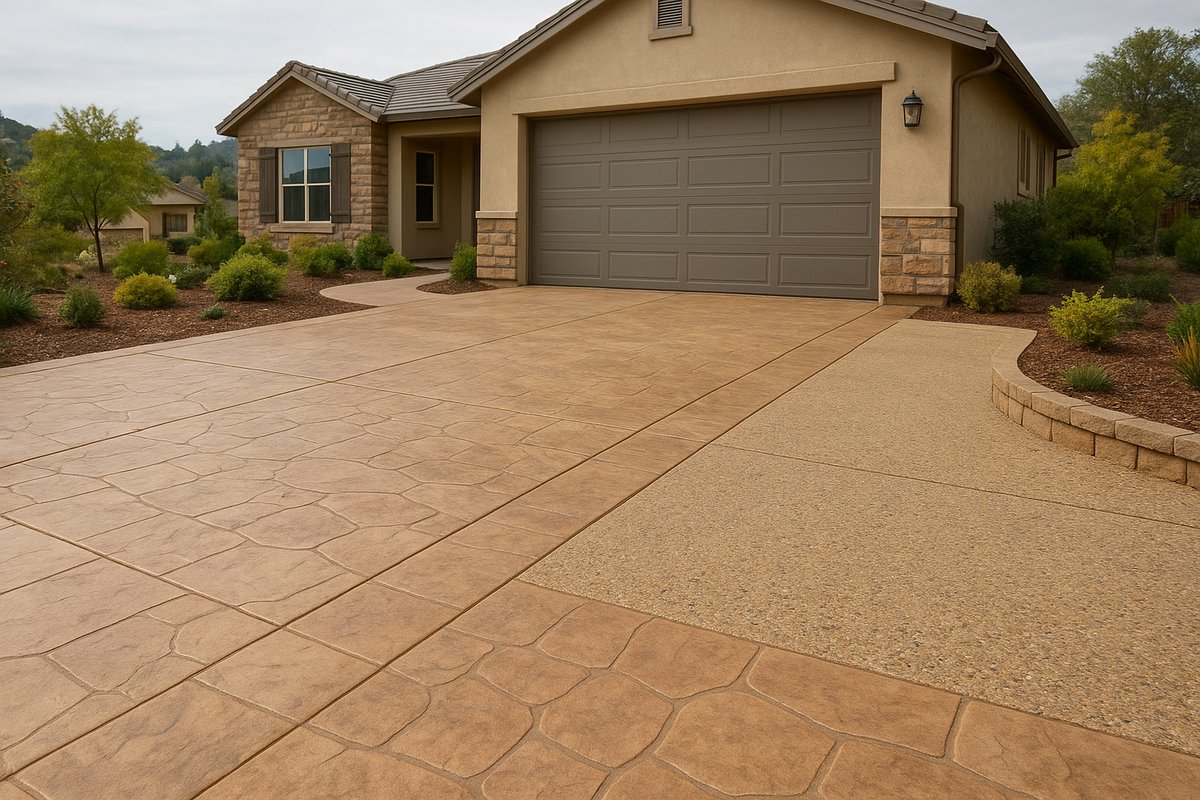
Homeowners today have an impressive palette of concrete styles and finishes to choose from for their Newcastle property. Each option comes with strengths that suit different applications and design goals. For driveways and high-traffic areas, robust finishes like broom finish or exposed aggregate are time-tested and resistant to weather extremes. If you want a visually striking entrance or an outdoor entertaining space, stamped concrete and decorative concrete patios replicate the textures and colors of natural stone or slate, without the maintenance headaches.
For poolside settings, slip-resistant pool deck coatings can create a safe, cool-surfaced environment that stands up to both summer sun and winter storms. If you are revitalizing older pavement, options such as concrete repair, sealing, and replacement sometimes deliver dramatic results at a fraction of the cost of total replacement. For cohesive looks, steps, paths, and patio edges can be custom-finished to match your home’s style or tie indoor and outdoor elements together.
There’s no one-size-fits-all answer, but working with experts attuned to Newcastle’s climate, soils, and regulations gives you the greatest value and peace of mind. Whether you favor high-end finishes or classic durability, every surface should be built with pride, finished with excellence, and designed to last.
Water-Wise Landscaping and Concrete: Smart Planning
Integrating concrete work with water-wise landscaping is an opportunity to boost curb appeal and long-term functionality, without a lot of future maintenance. Newcastle’s hot summers and occasional water restrictions make drought-conscious design appealing—and new driveways, patios, and pool decks are the perfect time to rethink irrigation and planting beds. Consider bordering patios or walks with permeable groundcovers or mulched swales, which minimize runoff and reduce the irrigation needs of your yard.
Strategic use of permeable surfaces, or planning modest areas of exposed aggregate or decorative border treatments, can improve both the look and the performance of your hardscaping investment. A skilled contractor will advise on grading transitions to keep rainwater flowing away from your home and protect your new concrete from pooling or water-related stains. Ask about modern combinations of hardscape and low-water plantings that thrive in Newcastle’s unique microclimate and require minimal summer watering.
Making smart choices with landscaping as you plan your concrete upgrade pays off for years, reducing maintenance and keeping every part of your property both useful and beautiful. Always consider how new surfaces will connect with existing planting, drainage, and sun exposure for the most resilient result.
FAQ for Newcastle Concrete Planning
Do I need HOA approval for every concrete project?
Each HOA in Newcastle has its own requirements. Major changes like patios, driveways, and pool decks generally require approval, while smaller repairs may not. Always check with your association before starting.
How can I tell what kind of soil I have?
Soil composition varies lot to lot in Newcastle—clay and decomposed granite are common. Professional contractors assess this for you and recommend preparation steps to maximize slab performance and drainage.
When is the best time of year to pour concrete?
Spring and fall usually offer ideal weather for concrete work—mild and dry. You can check the current local weather forecast to plan ahead and discuss timing with your contractor based on your project’s needs.
Ready to Start Planning?
Every successful project begins with up-front education and expert guidance. If you want to add value, beauty, and durability to your Newcastle home, planning with the right team makes all the difference.
Planning a project in Newcastle, CA?
Call or text 916-741-0633, or email sales@californiahardscapes.com with your address, a short description and a few photos, and we will arrange a consultation.