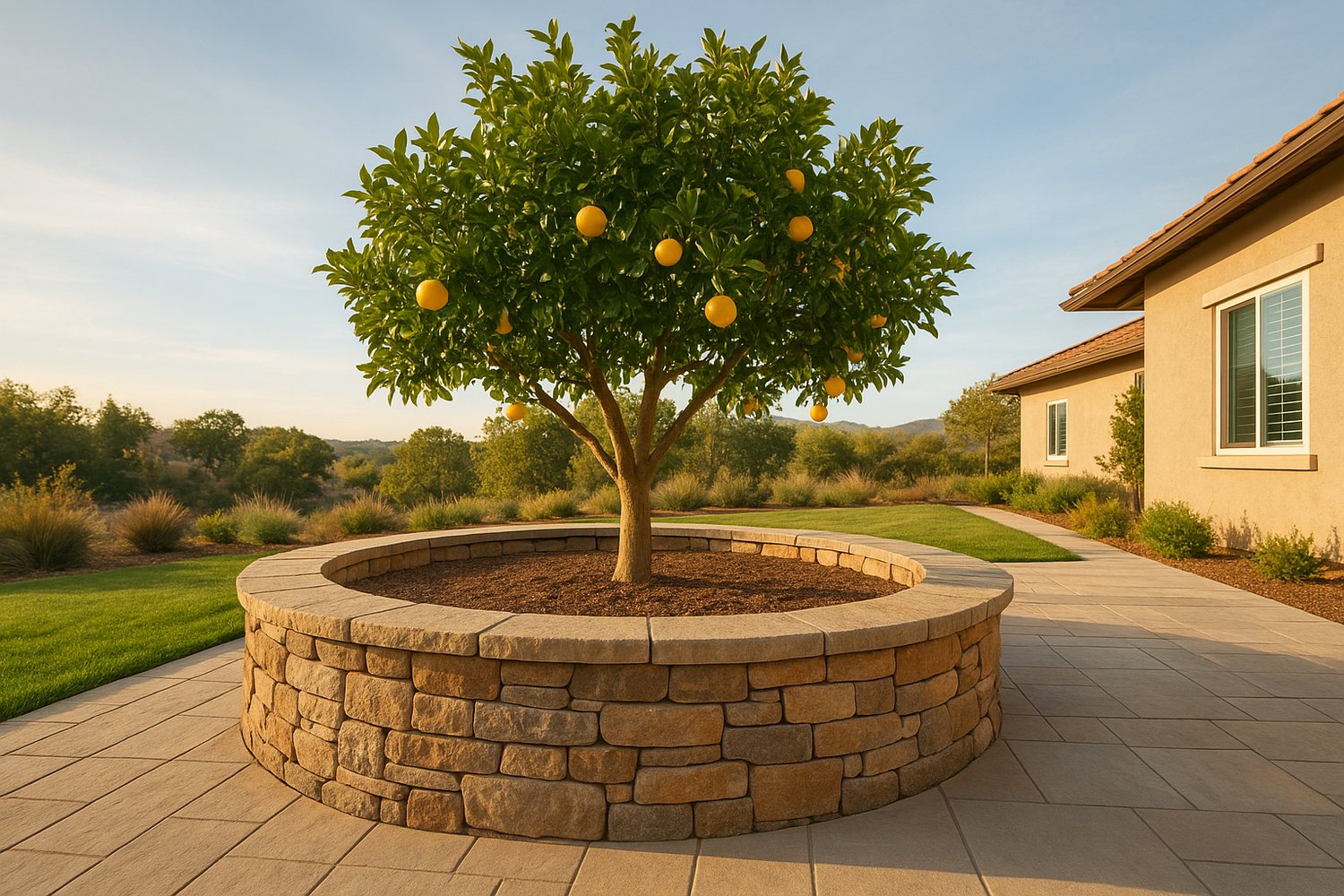
Drainage and Liners for Raised Planters and Garden Walls
Planning a raised planter or retaining wall? Learn why expert drainage systems and the right liners matter for lasting outdoor beauty and function.
If you’re considering new raised planters or garden walls, drainage and liners are key factors. Here’s what local homeowners need to know for durable, beautiful landscapes.
Why Drainage Matters in Planter Walls
In the Rocklin, Roseville, and surrounding foothill communities, soils can vary from dense clay to rocky decomposed granite. Without proper drainage, raised planters and retaining walls can retain too much water, leading to root rot or wall movement. Good drainage channels excess moisture away before it has a chance to cause damage.
Soaked soils are more than an inconvenience: they create hydrostatic pressure behind your garden or planter wall. Over time, this invisible force can crack, bulge, or shift even well-built walls. Correct drainage keeps pressure off your structure, reducing long-term maintenance and failure risk.
Effective drainage also protects your investment in plants. Many landscape favorites—especially Mediterranean and drought-tolerant species—detest soggy feet. Ensuring soils drain well within your raised planter means bolder, healthier plant growth to enjoy in every season.
- Protects wall structure and foundation
- Prevents rot and soil-borne pests
- Keeps plants healthier year-round
Learn more about options and considerations forraised planters and garden wallson our main page.
How Liners Safeguard Raised Beds
Planter liners create a barrier between the soil and the wall or ground, minimizing long-term issues. Certain soils, especially clay, can gradually erode or stain your masonry. A robust liner stops this, helping planters look their best for years.
Liners protect against moisture seepage. When moisture migrates through dense block or concrete, salt and mineral deposits can develop, leaving unattractive marks or prematurely aging your hardscape. Strategic use of liners significantly reduces this risk.
In our warm, dry Sacramento Valley climate, liners also help manage water use. By holding moisture in the root zone—but still allowing excess to drain—they create more comfortable conditions for plants and reduce watering waste.
- Reduces unsightly staining on walls
- Slows down wear from soil and water movement
- Improves plant root environment
Drainage Solutions for Every Garden Wall
There’s no one-size-fits-all when it comes to drainage. For shorter raised beds and planter boxes, simple gravel layers and landscape fabric might suffice. But larger retaining walls or hillside gardens benefit from more robust solutions tailored to local soils.
French drains, perforated pipes, and weep holes are all common features behind medium to large garden walls in the Placer and Sacramento region. The right combination ensures water escapes rather than pooling behind masonry—especially crucial on slopes or with clay soils.
Don’t overlook surface drains, either. Strategically placed surface inlets collect rainfall and irrigation before it ever reaches the wall base, adding another layer of protection for your outdoor spaces.
- Gravel layers help with basic planter drainage
- Perforated pipes channel excess water away
- Surface drains address runoff before it causes problems
| Liner/Fabric Type | Drainage Capability | Durability (Years) | Best For |
|---|---|---|---|
| Simple landscape fabric | Moderate | 2–5 | Small planters in shade |
| UV-stable rubber liner | High | 8–12 | Sunny, raised beds |
| Bitumen membrane | Very High | 10+ | Retaining walls with wet soils |
| Root barrier fabric | Moderate | 6–10 | Planters near invasive plants |
Choosing Materials: Smart Options for Planter Liners
Material selection for liners and drainage fabric can make or break a planter wall over time. Not all liners are created equal, so thinking through your local conditions is crucial. In our climate, ultraviolet-stable, semi-permeable liners deliver durability and breathability.
Rubberized liners, dense bitumen coatings, and heavy-duty landscape fabrics are favored for planters and retaining walls in high-exposure or high-moisture sites. Meanwhile, root barriers can be added to curb aggressive plant roots from undermining wall integrity.
Finally, every material meets unique challenges: from intense sun to winter rain, and from alkaline soils to mineral runoff. Choose what withstands our regional extremes and keeps your hardscape and plantings safe year after year.
- UV-stable liners resist sun damage
- Permeable liners prevent rot while allowing drainage
- Root barriers defend against invasive plants
Installation Best Practices for Long-Term Success
Correct installation is just as important as good materials. Drainage pathways must slope away from the wall’s foundation, ensuring water always finds an exit. Never count on gravity alone—test before finishing your work.
Overlap liner seams and stretch them to fit snugly against the inside wall face. For drainage pipes, a blanket of cleaned, rounded rock prevents blockages. Secure everything before backfilling soil to eliminate air pockets or folds.
An experienced crew checks the footing and compaction at every stage. They look for gaps, misplaced pipes, or loose liners that signal trouble down the road. Attention to these details spells the difference between a wall that lasts and one that needs yearly fixes.
- Slope pathways away from structures
- Overlap and secure all seams for liners
- Backfill with clean gravel around drainage pipes
Review our detailedRetaining Walls overviewfor style, technique, and material comparisons.
Dealing with Regional Challenges: Soil and Weather
The Sacramento Valley and Gold Country’s clay soils pose unique challenges for drainage and retaining walls. Clay holds water, increasing pressure on walls during rainy periods. Compacted soils can also block natural percolation after storms.
Summer brings intense UV radiation and hot, dry winds—factors that can degrade some liners or cause rapid evaporation from shallow planters. These cycles demand products and installation techniques tailored to both wet and dry extremes.
Professional guidance helps spot drainage bottlenecks or select the right liners for your microclimate. A local eye keeps your project ready for whatever nature throws at it—making your walls and gardens as resilient as they are beautiful.
- Dense clay increases water pressure after storms
- Summer heat causes expanding and drying cycles
- Custom solutions cope with shifting regional conditions
Maintenance Tips for Planter Walls
Regular checks are the best assurance of longevity. After major rain events, inspect for overflowing water, loosened liners, or visible wall movement. Early detection of drainage issues can prevent bigger repair jobs later.
Annually clear away plant debris and roots that might clog drains or weep holes. With liners, check that fabric hasn’t degraded or slipped, particularly in sunny or high-traffic spots. Keeping everything clean lets water find its path and maintains planter appearance.
Watch out for mineral buildup or efflorescence on walls—signs that moisture may be seeping through instead of escaping properly. If you spot this, it could be time to adjust drainage or refresh liner materials.
- Inspect drains and liners after heavy rain
- Remove roots and debris each year
- Address moisture signs early to prevent damage
Making the Right Choice for Your Home
Selecting the right drainage and liner system ultimately depends on your site conditions, wall style, and landscape vision. By focusing on proven best practices, you’ll ensure your hardscape stays safe and attractive for many years ahead.
Whether you’re planning a small kitchen garden or significant slope retention, the basics remain the same: let water out and keep the structure dry. Consult local experts with hands-on experience in our region’s soils, weather, and construction methods.
Thoughtful up-front decisions about drainage and liner materials save time, money, and headaches. If you ever feel unsure, even a brief, informed conversation helps steer your project toward outdoor success now and for the future.
- Match materials to local soils and climate
- Invest up-front for lower long-term maintenance
- Expert help means fewer surprises later
Ready to plan your project?Request a consultationwith California Hardscapes today.
Planning a retaining walls project?
Call or text 916-741-0633, or email sales@californiahardscapes.com with your address, a short description and a few photos, and we will arrange a consultation.