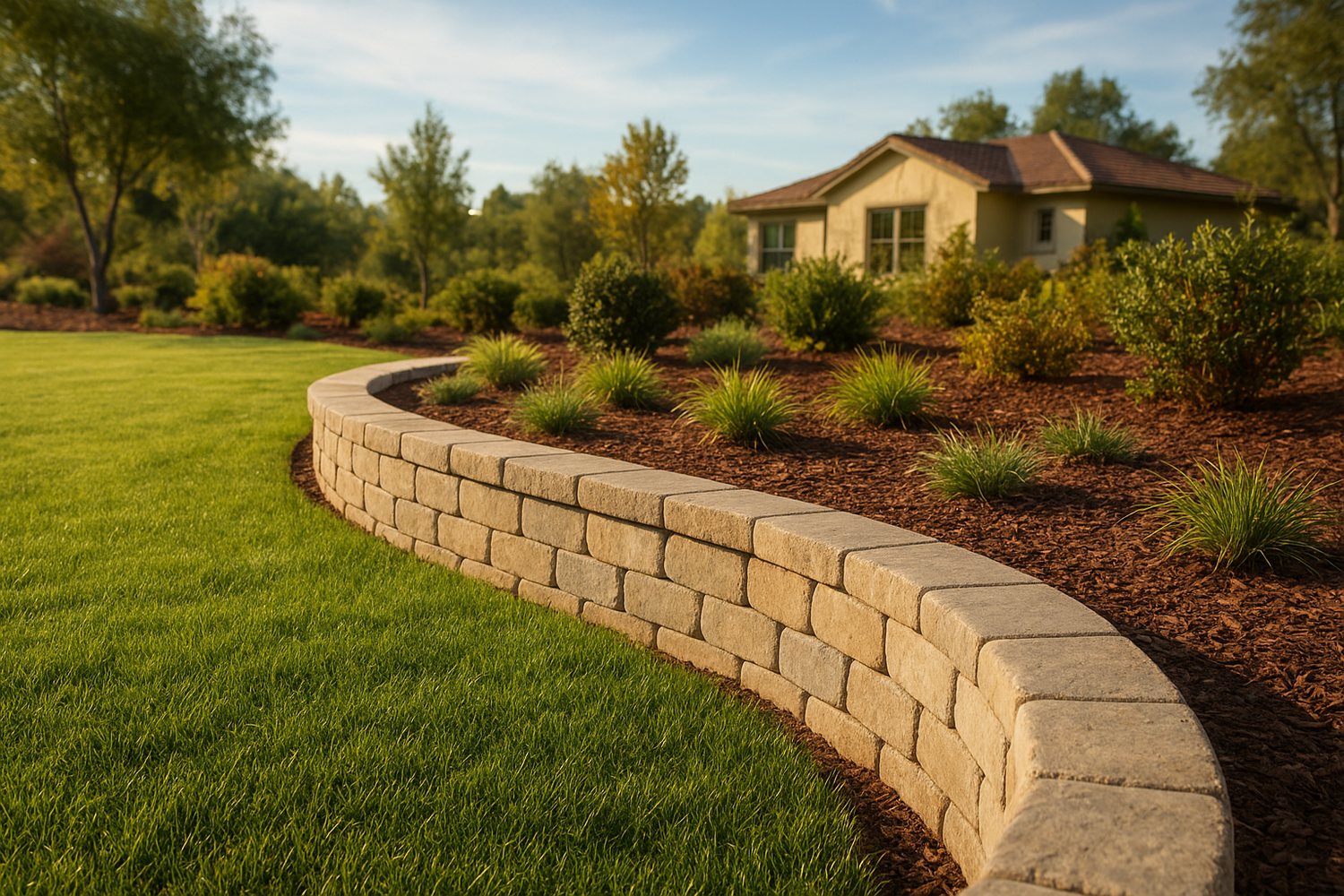
Raised Planter and Garden Wall Design: Heights, Layouts, and Choices
Discover practical, real-world design guidance for building raised planters and garden retaining walls in Rocklin, Roseville, and surrounding areas.
Thinking about a raised planter or retaining wall for your landscape? The design choices you make now—especially heights and layout—can determine long-term enjoyment and function.
Why Raised Planters Are a Smart Choice
Raised planters bring elevation and structure to California landscapes, providing both functional and aesthetic value. They can help define outdoor spaces, improve soil drainage, and make gardening more accessible—important perks for properties in our local foothills and valley communities.
When thoughtfully integrated, raised beds add texture, depth, and dimension to patios, yards, and landscape transitions. Their presence can turn a sloped or uneven yard into visually appealing garden ‘rooms’ while keeping soil and mulch neatly in place during seasonal rains.
Local homeowners also note the ergonomic advantage—less bending and digging. With the right raised planter design, you’ll find it much more enjoyable to weed, harvest, and replant year-round, despite the shifting Rocklin and Granite Bay seasons.
Raised planters improve accessibility
Want more details about materials and options? Visit our dedicatedRaised planters and garden wallspage.
Heights That Work: Key Considerations
Height selection for raised planters and garden walls isn’t one-size-fits-all. Purpose drives the decision: vegetable beds often range from 18–30 inches for easy reach; low border beds might only need 12 inches. For retaining walls, height depends on your slope, soil stability, and layout vision.
Consider usability first. If you want to sit on the edge while you tend herbs or admire flowers, 18–24 inches strikes a balance between seat height and leeway for root growth. Taller walls—up to 36 inches—are often best for dividing different yard levels or holding back significant slopes.
Local terrain can impact these choices. A sloped Auburn yard may require staggered wall sections, while flat Folsom lots can use uniform planters. Always factor in drainage and local soil conditions, since clay-heavy areas (like Roseville) may demand specialized designs.
Layout Options for Maximum Impact
Raised planter and garden wall layouts are best planned around your property’s natural flow and intended uses. Linear beds along fences work well for maximizing perimeter space, while L-shapes or U-shaped groupings can frame patios or create microclimates for dedicated plant types.
Tiered layouts, especially on California’s hillsides, break up long slopes and create visual interest. This terraced look can give you multiple ‘gardening zones’ for everything from succulents to edibles, and may help manage runoff or erosion efficiently.
In Rocklin and neighboring communities, consider blending curves or corners to soften hard lines, especially for entertaining spaces. Multi-height beds combined with steps or integrated seating transform ordinary retaining walls into versatile outdoor features.
Linears beds maximize perimeter planting
| Design Type | Typical Height | Best Use | Suited for Slope? | Notes |
|---|---|---|---|---|
| Border Bed | 12–16 in | Edging paths, low ornamentals | No | Simple install, easy access |
| Vegetable Planter | 18–30 in | Edibles, herbs | No/Yes | Great for raised beds, easy to reach |
| Seating Wall | 18–24 in | Dual use: plants & sitting | Possible | Ideal beside patios |
| Retaining Wall | 24–36 in+ | Holding grades, slopes | Yes | Requires sound construction |
| Tiered/Terraced | 12–30 in (step) | Multiple levels/plants | Yes | Best for sloped yards |
Choosing the Right Materials
Material choice impacts both longevity and style. Concrete block is a mainstay for garden walls and raised planters, offering flexibility in shape, excellent durability, and solid performance in our region’s variable weather. Natural stone adds premium appeal but generally involves a greater investment.
Consider finishes and how they’ll complement your home and garden style. Smooth-finished concrete or stucco blends well with modern homes, while natural stone or split-face block suits traditional and Mediterranean landscapes. Proper sealing is critical for any retaining wall to handle moisture and irrigation run-off.
Keep in mind soil movement and root pressure—especially with edible gardens or larger shrubs. Whichever material you choose, ensure your design includes adequate drainage, weep holes, or gravel backfill to keep walls sturdy for years in our unique local climate.
Dealing with Slopes and Uneven Lots
Slopes are common across Placer and El Dorado counties, and raised planters or garden walls can turn a challenging grade into usable, beautiful planting areas. Terracing with low retaining walls can create flat, accessible gardening beds while also controlling erosion and soil movement.
Staggering wall heights along a hillside isn’t just a visual trick—it’s often necessary to adapt to grade changes. Each step or level allows for separate plantings and reduces pressure behind any single wall section. This modular approach is especially valuable in areas like Auburn or Loomis.
Proper engineering and construction matter more when handling slopes. Drainage solutions (such as gravel backfill and perforated drainpipes behind the wall) help protect your landscape investment from unpredictable Northern California storms.
Explore the full range of possibilities for your yard in our comprehensiveRetaining Wallsoverview.
Height and Layout Comparison Table
It’s helpful to see typical heights and layout types side-by-side while planning your raised planter project. Use this comparison to guide your decisions and discuss options with your designer or contractor.
The right combination of planter height and layout depends on how you use your yard, your slope, and your gardening style. Mix and match these elements to create a landscape that’s practical year-round.
Special considerations—such as soil type or plant height—can change the best fit for your space. Don’t hesitate to ask for specific recommendations if you face unique site challenges.
Planting Strategies for Our Region
Selecting what to plant in raised planters and garden walls requires considering sunlight, water access, and temperature swings. Mediterranean herbs, drought-tolerant succulents, and native wildflowers thrive in our climate, saving on irrigation while attracting pollinators.
Higher beds are ideal for edibles—like tomatoes or lettuces—since soil warms earlier in spring and is easier to control for nutrients. Lower planters make sense for ornamental grasses, groundcovers, or trailing vines that benefit from visibility at eye level.
Seasonal temperature shifts unique to Rocklin and Roseville mean planning for both hot, dry summers and chilly winter nights. Pick versatile plants or plan for annual replanting in shallower beds to keep your garden walls in top form.
Getting Your Project Started
Every raised planter or retaining wall design should start with careful measurements and a clear idea of what problems you’re solving—whether it’s leveling a slope, creating garden rooms, or introducing year-round color.
Partnering with experienced outdoor construction specialists makes a difference. They’ll help you work through height choices, layout configurations, and select the right materials for your site. Together, you can create a landscape that fits both your style and the practical needs of California living.
For advice tailored to your home in Rocklin, Folsom, or anywhere nearby, consider reaching out for a consultation. A well-planned garden wall or planter isn’t just an upgrade—it’s the start of a space you’ll use and enjoy for years.
Ready to envision your own backyard transformation? Request a personalizedconsultationwith our local experts.
Planning a retaining walls project?
Call or text 916-741-0633, or email sales@californiahardscapes.com with your address, a short description and a few photos, and we will arrange a consultation.