A Granite Bay Homeowner’s Guide to Planning Quality Concrete Projects
Ready to upgrade your Granite Bay driveway or patio? Learn what it takes to plan, permit, and build premium concrete projects built to last—even in local soils and weather.
Start Smart: Permits, HOA Approval, and Planning for Success
Every standout concrete project begins with careful preparation. In Granite Bay, this means understanding local permit requirements, confirming you meet HOA guidelines, and developing a clear vision of what you want to accomplish—whether that’s a new driveway, a patio perfect for gatherings, or a welcoming front walkway. Before any demolition or construction begins, check with the Placer County permit office for current requirements on concrete work—these often vary based on the size, use, and location of your project. If you live in a Granite Bay neighborhood with a homeowners’ association, your HOA may have additional standards for finishes, layouts, or color choices. Presenting a detailed scope of work and quality product options like diamond-pattern stamped concrete or decorative exposed aggregate is often essential for prompt review. Plan for approvals and permitting as an early part of your project timeline—waiting until the last minute can stall your ideal start date and disrupt schedules.
Clear communication with professionals is critical here. Outline your goals, ask for planning input, and rely on an established concrete contractor who understands Granite Bay’s city and HOA processes. A contractor focused on quality, not shortcuts, will help you anticipate what’s practical, what will pass inspection, and what’s likely to please your neighborhood association. Start early, and make sure paperwork, plans, and signoffs don’t delay your bigger vision.
Remember, planning for things like a pool deck upgrade or modern RV pad requires a little more detail than just picking a finish. A project built with pride and finished with excellence is one that meets all local standards—before the first shovel of earth is moved.
Call Before You Dig: Utility Marking and Site Safety
Not every hazard is visible on the surface. Before any excavation or removal of old concrete, call 811 to have underground utilities professionally located and marked. This free service is required for safety and ensures your contractor won’t hit water lines, gas mains, or electrical conduits. Even a job as simple as resurfacing a walkway or adding new concrete steps can impact what lies just below ground.
Granite Bay’s residential lot infrastructure can vary, especially in neighborhoods with mature landscaping, older irrigation systems, or new high-power installations for electric vehicles. Marked utilities help you protect not just your own home, but your neighbors’ properties as well. Skipping this step can result in dangerous utility strikes, delays, and added repair costs if lines are damaged. Your contractor should not only schedule the locates but also understand how to read and respect the markings on site.
Clear communication with your utility providers when planning for electrical lighting, landscape irrigation, or water-wise design is always a smart move. A reputable concrete expert will coordinate with crews during excavation to maintain a safe, smooth project timeline. Site safety is a non-negotiable part of a job done right.
Site Conditions: Granite Bay Soils, Slope, and Drainage
Granite Bay’s unique topography combines rolling slopes with clay and decomposed granite soils, each with its own engineering challenges. Clay tends to swell and shrink with moisture, which puts stress on concrete slabs and requires careful attention to base preparation and reinforcing. Granite soils often drain better but can present compaction challenges, especially where slopes are steep or close to retaining walls.
Assessing slope and natural drainage is essential before any concrete work, whether you’re building a decorative surface for curb appeal or a new driveway to handle the weight of vehicles. Water should flow away from the home and off the slab, preventing winter pooling and summer runoff problems. Thoughtful grading, the right base thickness, and strategic placement of expansion joints help prevent cracking and uneven settling.
Ask your contractor how they plan for site-specific soil conditions, base prep, and drainage. With the right approach, you’ll not only protect your new investment but also avoid common repairs down the road. Attention to the unseen details—from aggregate choices to drainage channels—differentiates a truly premium concrete installation from a rushed, one-size-fits-all job.
Weather Wisdom: Planning for Granite Bay’s Summer Heat and Winter Rain
Granite Bay’s Mediterranean climate brings hot, dry summers and cool, wet winters. This impacts everything from pour timing to cure methods and finish selection. Concrete placed during high heat requires precise scheduling—pouring early or late in the day, using additives to control set times, and managing water content to avoid surface cracking. If you’re installing a pool deck or patio, a lighter reflective finish can make outdoor spaces more comfortable in summer sun.
Rainy winter months introduce different challenges. Planning ahead may mean completing site grading and base work before rainy periods hit, or scheduling sealing and protection steps at project close. Winter rains can slow down finishing and curing, so talk with your contractor about flexible scheduling and weather contingencies before work begins. Protecting your fresh slab from downpours maintains surface integrity and prevents costly rework.
Groundwater flow and surface drainage should be considered to prevent future erosion—especially for repairs or resurfacing on older installations. The right weather-aware approach is both practical and part of the pride that goes into a job finished with lasting quality.
Choosing the Right Decorative and Functional Finishes for Your Home
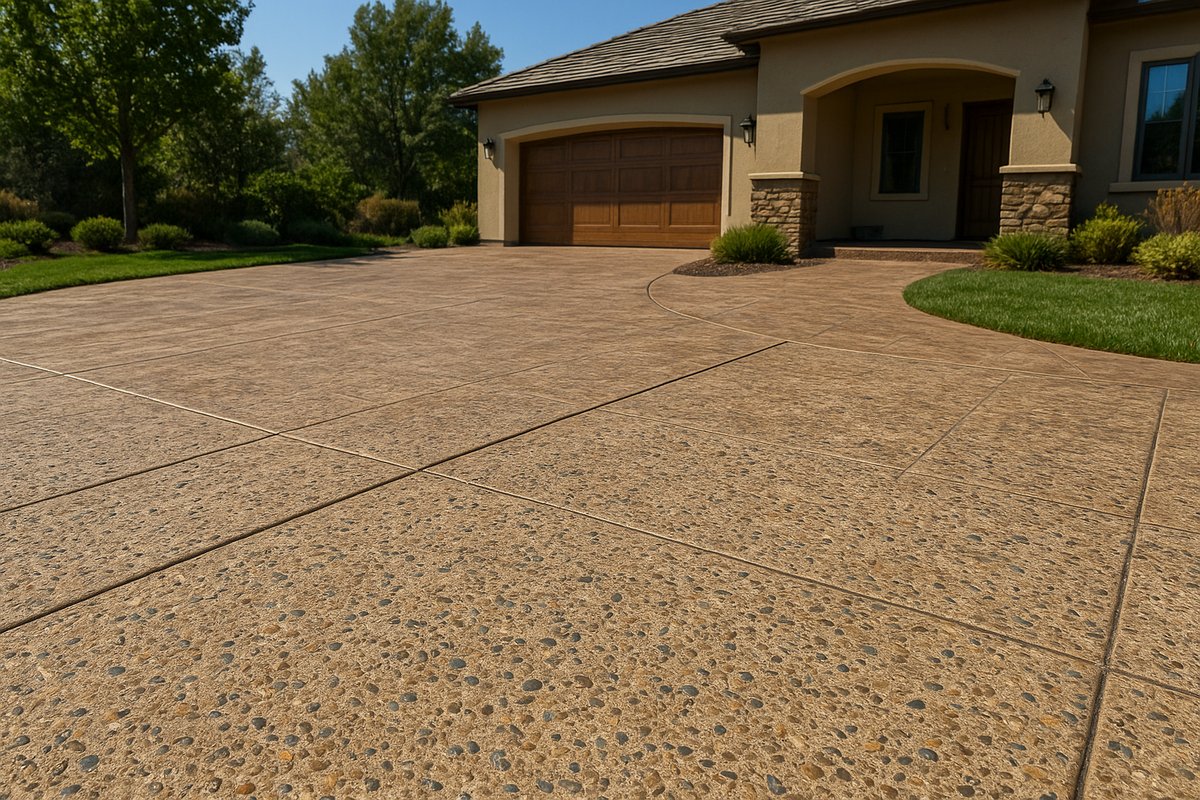
Granite Bay homes benefit from concrete options that complement both the landscape and the architecture. Whether you’re after the elegant look of stamped concrete for a driveway, the unique texture of exposed aggregate, or a clean, practical broom finish for walkways, it helps to match your finish to the specific use and lifestyle. Quality finishes do more than look good—they provide slip resistance, reflect heat, and add to the overall durability of your outdoor surfaces.
For pool decks and patios, comfort underfoot and safe, non-slip textures matter. Cool-deck coatings and carefully planned color choices can help moderate Granite Bay’s summer sun. Entryways and steps often benefit from detailed edgework and thoughtful embellishments—custom color blends, scored lines, or decorative inlays.
Your contractor should walk you through options for specialty colors, patterns, and sealing solutions—each serving a specific function, whether you’re building new or resurfacing an older slab. When you invest in proven options from California Hardscapes, you’re choosing long-term beauty and performance, not just a fast fix. Discuss finishes early in planning to make sure your selections are practical for Granite Bay’s climate and your maintenance preferences.
Timing Your Project: When to Build in Granite Bay
Project timing is key for the best results and a smooth experience. Spring through early fall is typically prime season for concrete work in Granite Bay, thanks to dry weather and longer daylight hours. However, the ideal schedule for your project depends on scope, finish, and site conditions. A driveway or RV pad might require more lead time for permitting and site prep, while a simple patio resurfacing can often be squeezed into a shorter good-weather window.
Start planning a few months before your desired completion date. This allows time for design decisions, permitting, HOA review, and any necessary site work like grading or utility marking. Waiting lists for premium contractors can get longer during peak season—a further reason to get on the schedule early. Your contractor should work with you to outline expected start and finish dates based on weather and availability, and build in a weather contingency for those rare but inevitable rain delays.
Keep in mind that certain surface finishes and sealers cure best in stable, moderate temperatures. Working with a team that values quality over speed helps ensure your result is both beautiful and built to last, even when patience is required to work around Granite Bay’s hottest days or unexpected rain.
Water-Wise Design: Concrete and Sustainable Landscaping
Modern concrete projects can easily be integrated with water-efficient landscaping, a key concern for many Granite Bay homeowners. Pervious concrete, creative use of bands and borders, and properly graded surfaces all help reduce runoff and maximize your property’s water efficiency—and meet local water conservation goals. Drought-tolerant plantings, drip irrigation, and thoughtful layout choices simplify ongoing maintenance and keep your home aligned with community values.
Consider pairing new concrete work with upgrades to your irrigation and drainage systems. Expanding patios or walkways offers an opportunity to add French drains, direct roof runoff, or install underground watering for low-water plant beds. Ask your contractor how patio and pool deck designs can complement your landscape’s sustainability without sacrificing style or usability.
Working with professionals who respect both aesthetics and the environment ensures a project that will look great, last longer, and work with (not against) the unique demands of Granite Bay’s seasons.
FAQ: Granite Bay Concrete Project Planning
When are permits or HOA approval needed for residential concrete in Granite Bay?
Most new driveways, patios, and structural concrete additions require a city or county permit, and many neighborhoods also require HOA review. Check with the appropriate office or your HOA before starting design—especially for work visible from the street or that may alter drainage patterns.
What are the best concrete finishes for Granite Bay’s climate?
Stamped concrete, exposed aggregate, and broom finishes all perform well locally. Choose slip-resistant textures for pool decks and patios, and consider heat-reflective colors to keep surfaces cooler in summer. Consult your contractor for finishes suited to your home’s placement and use.
How early should I start planning my project?
Begin planning at least 2–3 months ahead, especially for larger projects needing design, permitting, and HOA approval. Allow more time for custom designs or major site work. Early planning helps avoid supply or schedule delays and ensures every detail meets Granite Bay’s unique standards.
Ready to take the next step in your Granite Bay project? Request a consultation with California Hardscapes and get your plans set in motion.
Planning a project in Granite Bay, CA?
Call or text 916-741-0633, or email sales@californiahardscapes.com with your address, a short description and a few photos, and we will arrange a consultation.