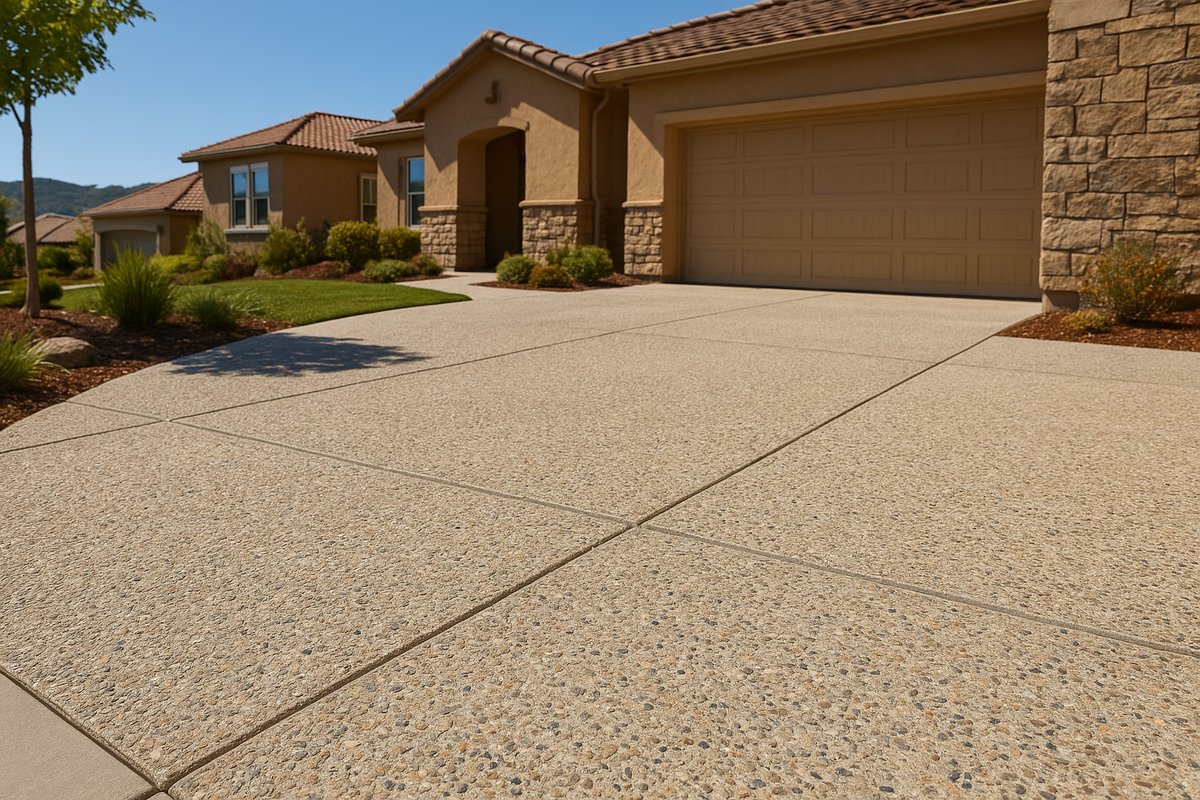
A Practical Guide to Concrete Planning in El Dorado Hills, CA
Thinking of a new driveway, patio, or pool deck? El Dorado Hills presents unique planning challenges—from HOA rules and permits, to tricky soils and changing weather. Here’s a practical, local guide to help your next concrete project run smoothly, whether you’re resurfacing, upgrading, or starting fresh.
Start Smart: Permits and HOA Approval
Before concrete work begins at your El Dorado Hills home, the right permits and approvals are the foundation for a successful project. In many parts of El Dorado Hills, you’ll need to check with your local homeowners’ association (HOA) before any visible changes—especially for updates to driveways, patios, or pool decks. HOA guidelines may restrict color, pattern, location, or finish, all crucial to planning your concrete upgrade. Your city or county building division sets requirements for retaining walls, major slabs, new driveways, pool decks, and sometimes even walkways. Project scope and location determine the types of permits you need.
The El Dorado County Building Division website offers detailed checklists to clarify what’s required for projects like patios, pools, and structural slabs. Review all regulations early, as you might need to submit material samples or plans for both HOA and county approval. A responsible concrete contractor navigates these steps up front—saving you delays and extra cost once your build is underway. When in doubt, check with the county’s permit office or your HOA contact well before demolition or prep work begins.
Documentation requirements can feel daunting, but confirming them early helps minimize surprises. A quality-focused team like California Hardscapes will work with your HOA and guide you through what’s needed for your specific site and scope—whether that’s a major concrete driveway, a dramatic stamped concrete patio, or a new pad for an RV or boat.
Call Before You Dig: Utility Marking and Safety
El Dorado Hills neighborhoods—new and established—often have a web of buried utilities from irrigation and water lines to gas, cable, fiber, and electrical. State law requires calling 811 before starting any project involving excavation or digging. Professional marking ensures your concrete contractor knows the exact location of all wires and pipes before demolition or forms go in. It also minimizes the risk of costly breaks, delays, or dangerous hazards on site.
Most utility marking takes only a few days but should be factored into your project calendar. Even for minor work like a walkway or a new landing, it’s a necessary step. If your job involves rerouting utilities or major site grading, your contractor will coordinate additional checks with utility providers as part of proper planning.
If you’re unsure how utility locations could impact your plans, talk through all site features—including sprinklers, lighting, and drainage—with your contractor. They’ll help blend creativity and safety from the start, aligning with both homeowner expectations and code requirements.
Know Your Terrain: Soil, Slope, and Drainage
The unique landscape of El Dorado Hills shapes how your concrete performs, looks, and lasts. Local soils are famously variable: a mix of hard granite, compacted clay, and sandy patches, even within a few yards. Heavier clay soils hold moisture in winter and can shift or expand, while rocky ground might require special excavation or reinforcement.
Concrete projects on or near slopes must manage both site stability and water flow. Proper grading keeps water away from your home’s foundation and ensures the longevity of patios, concrete patios, or pool decks. Thoughtful placement and finishing direct stormwater out to the street or landscape beds, not under slabs. Occasionally, site slopes or unique soils will also require engineered solutions—another reason experienced planning pays off in El Dorado Hills.
When soil or drainage solutions are needed, a skilled concrete contractor blends the right base material, grading, and finish for each site. From exposed granite aggregate to colored or broom finishes, your finish options aren’t just aesthetic—they’re functional for our local microclimates and terrain.
Heat, Rain, and the Perfect Pour: Local Weather Matters
Weather is a hidden partner in every quality concrete project. El Dorado Hills deals out high summer heat, rapid spring temperature swings, and the occasional intense winter rain. That’s why timing and weather awareness play a huge role when you’re planning new stamped concrete, exposed aggregate, or decorative finishes for pool areas, patios, and steps.
Pouring concrete in peak heat requires careful material selection, fast work, and protection to prevent premature drying and cracking. Winter projects, meanwhile, must factor in rain windows, cold nights, and moisture-sensitive phases like curing and sealing. Each season has its own best practices, and only an experienced specialist understands how to adapt for perfect timing and results.
For up-to-date conditions, check the NWS forecast before work begins. And if your timeline is tight, keep an eye on county-wide events using the El Dorado event calendar—major festivals or road closures may affect deliveries, crew travel, or day-to-day access.
Choosing the Right Concrete for Your El Dorado Hills Home
Today’s concrete is more than just a gray slab—especially in premium communities like El Dorado Hills. Homeowners here often choose stamped concrete for custom patterns that resemble flagstone or wood, or opt for exposed aggregate for a rich, slip-resistant surface, ideal for patio and driveway areas. Colored and stained finishes can coordinate with your home’s existing palette, blending curb appeal with long-term performance.
Driveways and RV pads need strength and thoughtful placement, while pool deck work must balance beauty with safety. Cool-deck coatings, custom steps, and specialty broom or trowel finishes all have their place as you plan lasting improvements. Matching the right mix and finish to local site conditions—from full sun in the summer to damp, shaded spots—adds life to your investment.
For inspiration and practical options, explore the full range of concrete solutions available. Your contractor can walk you through product samples and discuss the pros, cons, and appearance of each option, tailored to your needs and budget.
Tackling Repairs, Resurfacing, and Renewals
Concrete isn’t just about new installs. Many El Dorado Hills homes have aging driveways or patios that show cracking, spalling, or faded finishes. The right concrete repair and sealing methods can address cosmetic and structural problems, extend the life of existing work, and even refresh tired surfaces with new color or texture. Resurfacing may be an option for minor wear, while extensive cracking or broken slabs may require replacement rather than patching.
Quality repairs begin with identifying the root cause—whether that’s shifting soils, water intrusion, or the wrong mix for local conditions. Proper base prep, drainage correction, and surface sealing all matter as much as visual appeal. If you’re considering repairs, mention drainage or moisture issues, nearby trees, or prior slab movement, so your contractor can propose smart, lasting fixes.
When done with integrity and precision, repairs blend seamlessly with the rest of your outdoor spaces. As always, build with pride—and finish with excellence—rather than cutting corners for a quick fix. That’s the philosophy behind every job at California Hardscapes.
Water-Wise Landscaping and Concrete Integration
Water conservation is on every homeowner’s mind in California, and El Dorado Hills is no exception. When you plan new concrete patios, walkways, or driveways, look at how hard and soft landscaping interact—especially for features like drip irrigated beds, mulch borders, or drought-tolerant groundcovers.
Designing with water flow in mind preserves both your landscape and your concrete. Direct runoff away from concrete to avoid pooling or erosion, and use permeable borders or swales to capture rain for your garden. Strategic placement of hardscape features creates low-maintenance, water-wise yards without sacrificing style or functionality. Thoughtful layout can even enhance property value and reduce ongoing maintenance.
Talk to your contractor about color, pattern, and border finishes that complement water-saving landscapes. It’s never just about the concrete itself—it’s about the whole outdoor environment working in harmony for years to come.
Timeline, Events, and Pre-Planning for Smooth Results
No two concrete jobs unfold the same way, but clear planning makes all the difference. Scheduling must account for site prep (including demolition, grading, and any required drainage work), clear weather windows for pouring and curing, and enough drying time for decorative finishes or sealers. Specialty options—such as custom walkways and steps—may require additional time for forming and detail work.
Major holidays, summer breaks, and local events also impact timelines. For example, neighborhood festivals or downtown closures can delay material deliveries or extend working hours. Plan well ahead and use tools like the El Dorado event calendar to avoid surprises. Always allow extra time for site cleanup, inspection, and post-job sealing or landscaping.
The most successful projects pair realistic timelines with proactive communication—between you, the contractor, and everyone involved. When your project is managed with care and transparency, quality naturally follows. That’s the goal at California Hardscapes: quality, integrity, and results that exceed expectations every step of the way.
FAQ: El Dorado Hills Concrete Project Planning
Do I need a permit for my concrete driveway or patio?
Permits are often required for new driveways, patios, and especially for work like retaining walls, pool decks, or any structural additions. The specifics depend on size, scope, and location. For up-to-date detail, check with the El Dorado County Building Division and your HOA.
When is the best time to schedule concrete work in El Dorado Hills?
Spring and fall generally offer ideal weather. Summer heat can be managed with proper planning, while winter rains may cause delays or tricky conditions for curing. Before booking dates, always review the local weather forecast and the county event calendar for scheduling conflicts.
Can I upgrade just part of my old concrete, or do I need full replacement?
That depends on the degree of wear or damage. Minor problems can be fixed with resurfacing or targeted repairs, while major cracks, settling, or deep stains may call for complete replacement. An experienced contractor will advise on what’s structurally sound and visually seamless using today’s decorative concrete options.
Ready to upgrade your outdoor space? Request a consultation and find out how your next project can be built with pride and finished with excellence.
Planning a project in El Dorado Hills, CA?
Call or text 916-741-0633, or email sales@californiahardscapes.com with your address, a short description and a few photos, and we will arrange a consultation.