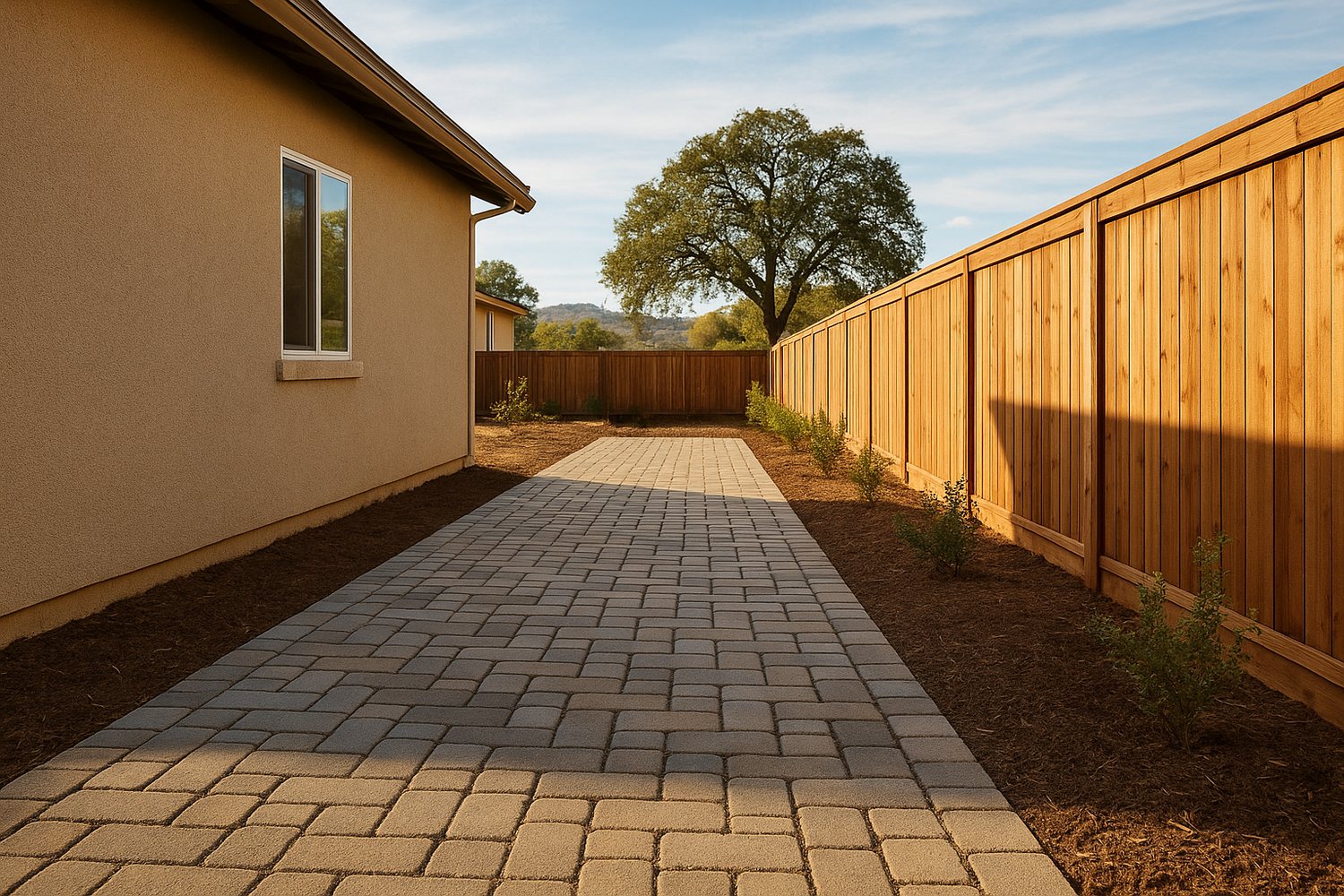
Where Permeable Pavers Make Sense Around Your Home
Smart placement of permeable pavers boosts both drainage and driveway or patio design in Rocklin, Roseville, Auburn, Granite Bay, Folsom, and nearby homes.
Planning hardscapes in Northern California means thinking about both function and beauty. Many homeowners now ask where permeable pavers really make sense.
Understanding Permeable Pavers
Permeable pavers are designed to allow water to filter through the surface instead of shedding it off to the sides. They’re often made from concrete or stone, fit together with joints filled by fine gravel or sand, and installed over a series of graded aggregate layers. This structure lets rainwater soak back into the ground, helping manage runoff.
What sets permeable pavers apart isn’t just their look, but their ability to reduce stormwater issues—a real concern for homeowners in Rocklin, Roseville, and Folsom. While traditional hardscape surfaces push water away, permeable systems help recharge groundwater and ease pressure on local drainage.
If you’re thinking about a new patio, driveway, or pathway, understanding how permeable pavers work should influence your planning. Their unique construction lets them perform well even during our region’s occasional heavy rains, making them worth considering for many outdoor spaces.
For more details on how these systems work and available materials, see ourPermeable paverspage.
Where Permeable Pavers Truly Excel
Not every part of your landscape needs permeable pavers, but certain applications really benefit. Driveways and parking pads are classic spots, especially in neighborhoods with strict drainage regulations. These surfaces often span large areas, and using permeable pavers here can significantly decrease the amount of stormwater runoff flowing to the street.
Sloped yards or properties with heavy clay soils, common around Granite Bay and Auburn, can also reap the rewards—rainwater that might otherwise pool or run off too quickly is slowed and absorbed. Patios adjacent to home foundations are another useful area, reducing splashback and pressure on perimeter drains.
Consider walkways that cross natural drainage swales, or any zone where rainfall consistently pools. Using permeable pavers for these problem areas adds both a practical and aesthetic boost, marrying everyday utility with curb appeal.
Regional Realities: Why It Matters Here
Our region’s clay-heavy soils and rolling topography mean drainage is never just cosmetic. Heavy winter rains or spring downpours can quickly reveal weak spots if runoff isn’t managed properly. Permeable pavers help turn those soggy or flood-prone areas into functional outdoor surfaces.
In older developments, established drainage paths and shallow basins can overwhelm city systems. Local agencies in Placer, El Dorado, and Sacramento counties sometimes encourage or require drainage-friendly hardscape solutions to relieve that pressure. The use of permeable pavers is both a practical and environmentally sensitive tactic.
Choosing the right material and installation method matters, too. Experienced concrete and hardscape contractors, like California Hardscapes, understand how to tailor installations for the local mix of microclimates, soil types, and code requirements.
When Standard Pavers Still Work Best
While permeable pavers shine in many situations, there are spots where traditional pavers or concrete are still the better fit. Areas with lots of tree roots, or heavily shaded spaces where moss and debris tend to gather, can clog the joints between permeable pavers and slow water flow over time.
Small patios with little exposure to the elements may not benefit from the added cost and complexity of permeable systems. Sometimes, well-drained soils or reliable slope away from the home make standard pavers perfectly acceptable—it’s all about matching the material to the setting.
Consulting a contractor who understands these subtle site differences is key. They’ll help you balance the need for function, local regulations, and your vision for your outdoor living space.
| Feature | Permeable Pavers | Standard Pavers | Concrete Slab |
|---|---|---|---|
| Water Drainage | Excellent | Limited | Minimal |
| Maintenance Needs | Periodic joint cleaning | Occasional sweeping | Periodic resealing |
| Flood Risk Reduction | High | Low | Low |
| Aesthetics | Highly customizable | Highly customizable | Varies (plain or decorative) |
| Best Use | Driveways, patios, walkways with drainage | Patios, walkways, driveways | Large uninterrupted areas |
Comparing Options: Permeable vs. Standard Pavers
To help homeowners decide, it’s useful to see where each type stands out. Here’s a quick comparison on factors like water management, maintenance, and flexibility. This can clarify what works for your situation, whether you’re in busy Roseville or the quieter hills of Auburn.
Look for drainage potential, costs to maintain, and how pavers interact with your current landscaping. Each factor could push the decision one way or the other, especially considering long-term upkeep and appearance.
Remember: the right choice isn’t always the most expensive or the latest trend. It’s about what best serves your property, your budget, and your goals for usable, attractive space.
If you’re exploring your full range of design options, browse ourHardscapes & Patiosoverview.
Drainage and Grading Tips for Our Area
Before installing permeable pavers, it’s essential to evaluate your yard’s grading and the existing drainage routes. Water needs to be encouraged to percolate into the soil, not toward your home’s foundation. This may mean reworking grades or integrating additional drain lines along impermeable surfaces.
For clay soils that hold water, consider a deeper aggregate base beneath pavers to store rain and give it time to soak in. Avoiding compaction during installation helps maintain that storage. In properties with a mix of slopes and flat areas, segment the hardscape design so each zone manages runoff correctly.
Professional assessment is invaluable. Marty at California Hardscapes can spot the subtle elevation changes and soil quirks that can make or break drainage success.
Patio and Pathway Design Ideas
Permeable pavers don’t mean settling for a bland patio or pathway. Today’s options range from classic rectangles with wide, open joints to more intricate patterns using multiple paver sizes and colors. This approach works well in front yards, around pools, or framing garden beds.
Think about mixing permeable and standard areas—creating stylish transitions where you need maximum drainage, then blending with classic pavers for lounging or dining spots. This hybrid technique is increasingly popular in new builds throughout Folsom and Granite Bay.
Borders of natural stone, or the integration of flagstone accents, can increase both permeability and visual interest. Lighting and landscaping around paver joints can enhance safety and the overall outdoor atmosphere.
Getting Started With Expert Planning
Every hardscape project in our region benefits from early, thorough planning—especially if you’re evaluating permeable pavers. Begin by identifying drainage trouble spots, your goals for outdoor use, and any city or county guidelines that might influence your design.
Gather inspiration and consider both the look you want and the performance needed. Don’t hesitate to consult with an expert—someone who knows Rocklin-area soils, how water behaves, and which materials will stand up to the seasons here.
Marty at California Hardscapes can help you analyze options, clarify expectations, and map out a plan that adds value, solves drainage, and elevates your outdoor living space.
Ready to discuss your site and see what fits best?Request a personal consultationtoday.
Planning a hardscapes & patios project?
Call or text 916-741-0633, or email sales@californiahardscapes.com with your address, a short description and a few photos, and we will arrange a consultation.