Pool Waterline Tile Choices and Hard Water: What Local Homeowners Should Know
Choosing the right pool waterline tile is crucial in areas with hard water. This guide highlights what matters most for lasting beauty in our local climate.
Waterline tile sets the tone for your custom pool’s style and longevity. With hard water common across Placer and Sacramento counties, making the right material choice is key.
Why Pool Waterline Tile Matters
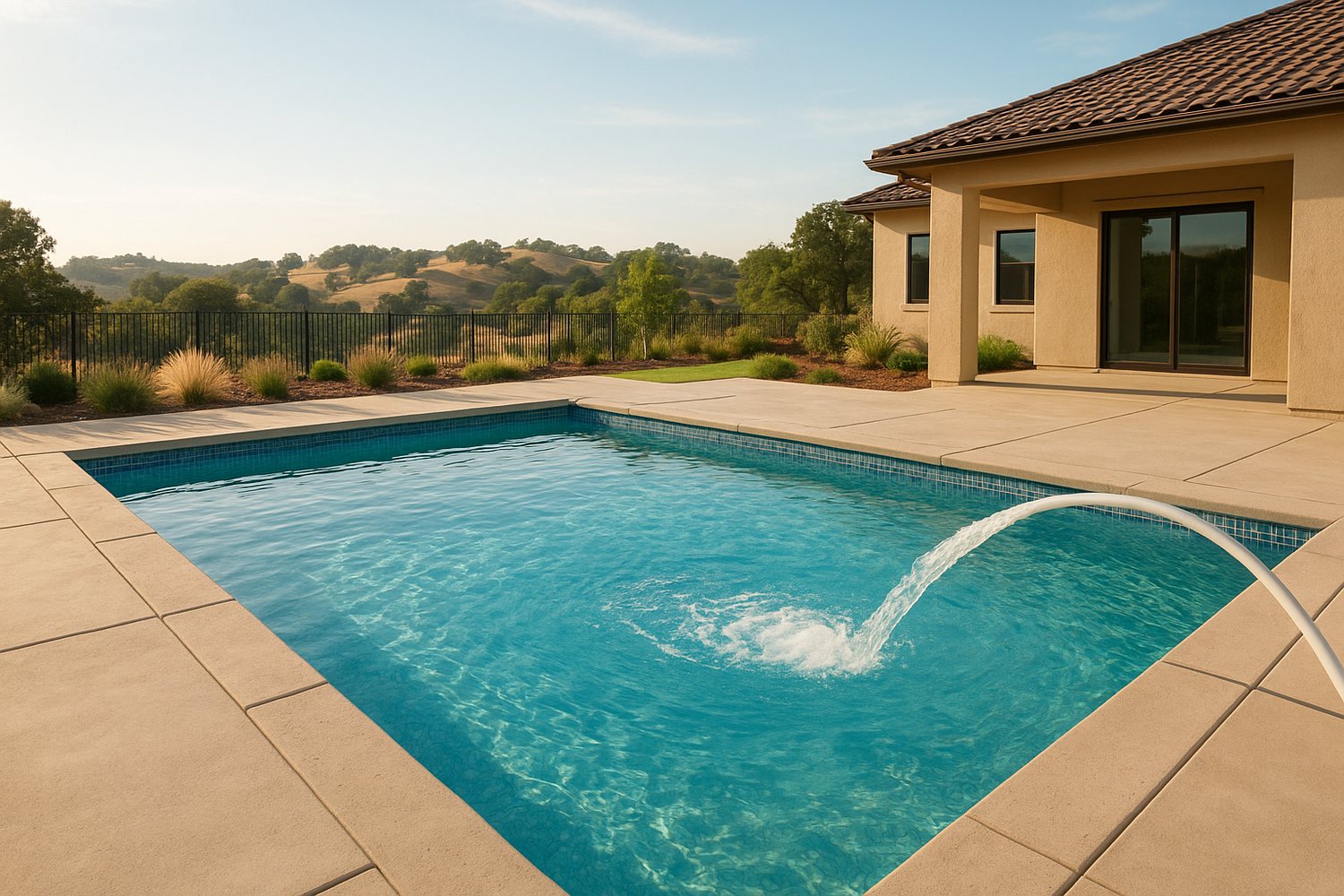
The waterline tile on your custom pool creates a defining visual border, but its role goes beyond looks. It’s the front line against mineral deposits, scum, and sun exposure. Because this tile sits where water meets air, it faces the harshest conditions in your pool environment.
When you live in Rocklin, Roseville, or Granite Bay, hard water is a recurring concern. Minerals from the water will leave deposits most visible right at the waterline. The right tile choice here can mean less time scrubbing and a cleaner appearance over time.
For homeowners aiming for long-term value, selecting a durable, easy-clean tile is key. This is a practical area of investment that truly pays off. Understanding your options lets you build a pool that stays sharp and inviting, season after season.
Key points to consider:
To explore more about finishes, visit ourPool interior finishes and tilepage.
Regional Hard Water: What It Means For Your Pool
Hard water is a fact of life from Folsom to Auburn. This means elevated calcium and magnesium levels in municipal and well water, depositing white, chalky lines on pool interiors. These mineral deposits most often cling to the waterline tile—potentially dulling bright colors and requiring regular attention.
The issue is not limited to water spots. Hard water can also increase upkeep needs for grout and adhesives, gradually affecting tile longevity. Over years, these deposits may degrade surfaces if not properly managed.
Knowing this before you build allows you to choose finishes and maintenance practices tailored to our region’s unique water chemistry. The right waterline tile and cleaning strategy will make living with hard water much more manageable for your pool’s entire lifespan.
Types of Waterline Tile: Pros and Cons
Pool waterline tiles come in three main types: porcelain, glass, and natural stone. Each offers distinct strengths and appearance options. Picking the right one depends on your priorities for style, ease of care, and durability in the face of local hard water.
Porcelain is a practical favorite, highly resistant to staining and buildup, and simple to clean, even with persistent mineral deposits. Glass tile offers unmatched color and shine, though extra care is needed to prevent etching from scale buildup. Natural stone looks beautiful but is porous and requires sealing—a greater commitment in hard water areas.
It’s worth weighing the maintenance factor alongside appearance and cost. Some tiles look stunning for the first few years, but can require frequent scrubbing or professional cleaning to retain that appeal under Rocklin-area conditions.
- Porcelain: affordable, tough, low-maintenance
- Glass: vivid colors, needs careful cleaning
- Natural stone: classic beauty, regular sealing required
| Tile Type | Hard Water Resistance | Maintenance Level | Visual Appeal | Longevity |
|---|---|---|---|---|
| Porcelain | Excellent | Low | Versatile, classic | High |
| Glass | Good (needs care) | Medium | Vivid, modern | High with care |
| Natural Stone | Fair | High | Timeless, textured | Medium |
How Hard Water Impacts Different Tiles
Hard water deposits are most obvious on deep blue or dark tiles, though any tile color can be affected over time. Porcelain stands up best overall, needing only gentle brushing or the occasional cleaning agent to stay bright.
Glass tile resists most chemical staining but can lose its shine if calcium scale is allowed to build up for long. Natural stone’s porous surface makes it the least forgiving—mineral deposits can seep in, requiring extra steps to remove and routinely reseal.
Whichever direction you lean, understanding this upfront saves labor and money over your pool’s lifetime. Picking a tile based on regional water realities helps ensure your investment keeps its good looks longer.
- Light-colored tiles hide scale better
- Porcelain = easiest for DIY cleaning
- Stone = highest maintenance
Selecting Grout and Setting Materials
While tile gets the spotlight, grout and adhesives play an equal role in the waterline zone. Standard cementitious grout can stain or degrade quickly in hard water, so consider upgraded materials built for resistance.
Epoxy grouts offer more protection from water intrusion and hold up exceptionally well against minerals and chemicals. They’re an upfront investment but are common in top-tier custom pools for a reason.
Don’t overlook application—professional installation with the right setting materials is the best insurance for long-term appearance. Talk with experienced pool builders who know our area’s water challenges.
- Epoxy grout: most resistant option
- Polymer-modified grouts: good balance of price and performance
- Correct installation technique is essential
For a big-picture look at all pool upgrades, check out ourCustom Poolsoverview.
Managing Scale and Buildup: Local Techniques
Despite the best materials, even the toughest tile can show white lines over time in Placer County. Routine brushing with a nylon pool brush prevents most buildup; for tough spots, a gentle calcium scale remover is effective and safe for most tiles.
Stay away from harsh acids or abrasive scrubbers, especially with glass or natural stone. Many homeowners find that keeping pH and calcium balanced reduces scale before it even starts. Ask your pool professional for the best schedule and products for your tile type.
Consider an annual deep clean—including tile bead blasting or professional surface renewal—if you want to keep a pristine look without the elbow grease. This helps extend the life of both tile and grout, saving costs in the long term.
- Brush weekly to prevent buildup
- Balance pool water chemistry
- Opt for gentle, tile-safe cleaning agents
Design Choices and Trends for Custom Pools
While maintenance is crucial, the best part of building a custom pool is making it truly yours. Waterline tiles now come in a staggering variety of colors, sizes, and mosaics—offering options that complement every style from contemporary to Mediterranean.
Glass mosaics and large-format porcelain tiles are popular for their modern, high-end look. Mixed patterns and subtle metallic finishes are also gaining traction, providing a visual interest that stands out without overwhelming the pool’s design.
In our region, a practical approach combines aesthetics with ease of upkeep. Light-to-medium colors, often with subtle texture or iridescence, tend to hide mineral deposits best while still delivering on style.
- Mosaic glass: high visual impact
- Porcelain: broad color offering
- Choose blends that suit both taste and maintenance plans
Making the Best Choice for Your Pool
For homeowners in Roseville, Folsom, or El Dorado County, choosing waterline tile is more than picking a color you love. It’s about weighing long-term upkeep and costs in a hard water environment. A professional builder who knows the local water chemistry can help match the right material to your needs.
Porcelain remains a practical, durable pick, while modern glass tiles deliver show-stopping style—just plan on diligent maintenance in both cases. Grout and adhesive choice are just as important for lasting results, especially with frequent water contact.
If you’re ready to upgrade an existing pool or design a new one, start by reviewing what’s available and how it relates to our area’s unique water conditions. Your choice now will impact maintenance routines for years to come.
- Prioritize durability in hard water areas
- Consult pros with regional experience
- Think about care as much as color
If you’d like tailored advice,request a consultationwith California Hardscapes.
Planning a custom pools project?
Call or text 916-741-0633, or email sales@californiahardscapes.com with your address, a short description and a few photos, and we will arrange a consultation.