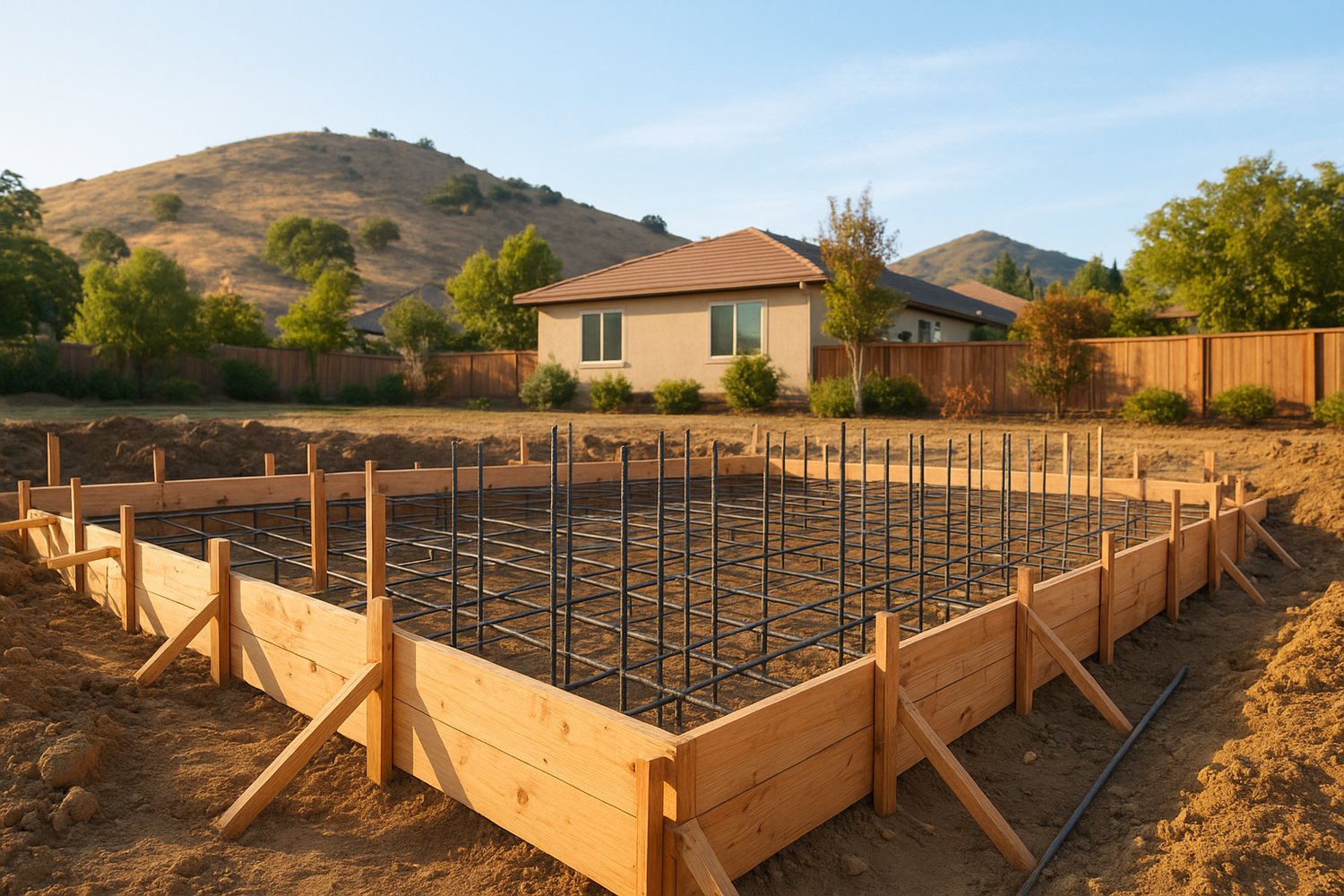
Understanding Poured Concrete Retaining Wall Basics
This guide explains the right footings, rebar, and forms for poured concrete retaining walls—key to lasting yard solutions in our region.
Building a poured concrete retaining wall takes more than sturdy concrete. In the Rocklin and Placer area, soil and slope demand specific construction techniques.
Why Poured Concrete for Retaining Walls?
Poured concrete retaining walls deliver robust structural support, making them a top choice for yards with elevation changes in the Rocklin-to-Folsom corridor. Unlike block or timber, poured walls can be tailored on-site to any curve or layout homeowners want. This flexibility is key for maximizing yard space or supporting patios, gardens, and driveways on slopes.
Homeowners also appreciate poured concrete’s clean looks and minimal upkeep over time. Once properly finished and cured, these walls offer a seamless barrier to soil movement, reducing the risk of bulging or collapse that can occur with older, modular wall types in heavy winter rains.
In our local microclimates, from the granite-laced soils of Granite Bay to the clay-rich ground in Auburn, poured concrete stands up to shifting conditions. The wall’s continuous pour and steel reinforcement mean years of reliability—if the right fundamentals are in place from the start.
- Custom shapes to fit your yard
- Long-lasting structural support
- Reduces soil erosion on hills
For more detail on construction options, see ourPoured concrete retaining wallsinformation page.
The Role of Proper Footings
Every poured concrete retaining wall starts with a footing—a base wider, deeper, and stronger than the wall itself. For Placer, Sacramento and El Dorado County soils, the right footing depth resists both sliding and settling, even after heavy rain or irrigation. Substandard footings are a leading cause of premature wall failure.
On a steep Auburn hillside or a level Granite Bay yard, determining the correct footing size always depends on engineering, soil depth, and wall height. At California Hardscapes, our team factors in local soil reports, drainage patterns, and expected wall loads to guide you toward the safest solution.
All too often, homeowners underestimate footing requirements. But in California’s freeze-thaw cycles and occasional floods, footings must anchor the wall below the frost line and extend wide enough to disperse pressure, ensuring stability through every season.
- Deeper footings for taller or heavily loaded walls
- Must extend below the area’s frost depth
- Good drainage around footings is essential
Rebar: The Steel Backbone
Inside every reliable poured concrete retaining wall, steel reinforcement bar—rebar—adds the muscle needed for long-term performance. In the foothills and valley, where soils naturally expand and contract with moisture, rebar keeps slabs tight and resistant to cracking.
The right rebar layout depends on wall height and soil load, but always includes both vertical and horizontal bars tied together in a grid before the concrete pour. This mesh stabilizes the wall against bowing or breaking as the ground moves or as rainwater presses against it.
Choosing the correct type and spacing for rebar isn’t guesswork or a place to cut corners. Homeowners should expect professional plans reflecting California’s codes and local construction experience—especially with the wide soil variation found around Rocklin, Auburn, and Folsom.
- Vertical and horizontal bars are both essential
- Prevents cracking and bulging
- Critical for hillsides and wet locations
Forms: Shaping Strong Walls
Concrete forms are sturdy, precise molds—usually made from wood or metal—that hold the liquid concrete in shape until it sets. Properly installed forms ensure straight lines, crisp corners, and consistent wall thickness from top to bottom.
Forms must be securely braced to withstand the weight of freshly poured concrete. In sloped yards near Roseville or Folsom, level, plumb forms keep the wall stable and safe even as it cures and gains strength. Poorly braced forms risk bulges or blowouts, which can ruin a wall before it’s even finished.
Above all, forms are your last chance to achieve the finished look you want. Whether you prefer a simple smooth face or a textured finish, the right formwork controls every detail—so always ask about finish options and form removal timing specific to our regional climate.
- Requires expert bracing for fresh concrete weight
- Shapes the final surface and corners
- Allows for custom finishes
Dealing with Local Soils and Drainage
In Rocklin, Roseville, and across Placer and El Dorado counties, soils range from sticky clays to rocky decomposed granite. Each soil type drains differently and places different demands on poured concrete retaining walls, especially for preventing water buildup behind the wall.
Proper wall construction includes engineered drains or weep holes to relieve pressure. Without them, water can accumulate and eventually force the wall forward or cause cracking. Even the best concrete will fail if drainage is ignored—so this is a key detail you don’t want skipped.
We always recommend discussing soil tests and drainage plans up front. It’s the difference between a wall that protects your landscape for years and one that struggles after our typical winter storms or sprinkler run-off.
- Drainage gravel and piping are common solutions
- Prevents water damage over time
- Soil testing offers peace of mind
| Wall Type | Strength | Design Flexibility | Lifespan | Maintenance |
|---|---|---|---|---|
| Poured Concrete | Excellent | High | Long | Low |
| Block | Good | Medium | Moderate | Medium |
| Timber | Fair | Low | Short | High |
Explore allRetaining Wallstypes to compare the right solutions for your property.
Comparing Poured Concrete with Other Wall Types
When considering a retaining wall, homeowners often weigh poured concrete against block, timber, or stone. Here in Northern California, choosing between these depends on terrain, budget, and how long you want the wall to last.
Poured concrete offers unmatched strength and design flexibility, but may require more upfront planning. Block walls are common, but can shift or crack without precise installation—an issue in hills or clay soil. Timber may suit small garden beds, but isn’t ideal for tall or load-bearing walls in our wet winters.
Thinking through these options with a team experienced in all methods—like California Hardscapes—means your investment fits both the landscape and your long-term goals.
- Concrete = structural strength, smooth finishes
- Block = modular, but less flexible
- Timber = best for short-term solutions
What to Ask Before Building
Before any concrete is poured, ask for a detailed construction plan. This should cover footing depth, rebar layout, drainage strategy, and finish details. If you have any questions, don’t hesitate to seek advice—an experienced contractor like Marty can clarify how each element impacts the wall’s safety and look.
Ask about soil conditions—sometimes a geotechnical engineer is needed for steeper or expansive soil sites. Also, request information on what forms and finish options are available, especially if curb appeal matters for your specific neighborhood.
Finally, check on construction timelines and how the work will affect access to your property during each phase. A professional team will be up front about every step before you commit—no surprises, just clear expectations.
- Request complete wall plans
- Ask about soil and drainage solutions
- Clarify forms and finished appearance
Choosing the Right Team for Your Wall
A poured concrete retaining wall is a significant investment. That’s why you need a contractor who understands both the technical and practical challenges of building in our region. Experience with local soils and climate makes all the difference.
California Hardscapes is managed by Marty, a professional with over three decades of hands-on experience in concrete construction and materials. Marty oversees each project and can help you understand your options—from the first site walk to the final detail.
To discuss your site or get expert answers on poured concrete retaining walls, reach out today. The right preparation ensures your new wall stands strong—rain or shine, season after season.
- Look for veteran construction leadership
- Direct communication with the project manager
- Ask for local references if you want extra reassurance
If you’re ready for advice on your landscape,request a consultationwith our team.
Planning a retaining walls project?
Call or text 916-741-0633, or email sales@californiahardscapes.com with your address, a short description and a few photos, and we will arrange a consultation.